
California, a state synonymous with stunning natural beauty, vibrant cities, and unparalleled travel experiences, unfortunately also faces the annual challenge of wildfires. For travelers planning a visit, understanding the current wildfire situation is not just about safety; it’s about responsible tourism and ensuring a fulfilling trip. Far from being a uniform danger across the entire state, wildfires tend to be geographically specific, often impacting localized areas while vast stretches of California remain unaffected and open for exploration. This guide aims to provide a clear, professional, and insightful overview for travelers, focusing on how to stay informed, navigate potential impacts, and enjoy the myriad attractions California offers, even during fire season. Our goal is to empower visitors with the knowledge to make informed decisions, prioritize safety, and ultimately have an incredible California experience.
Understanding California’s Wildfire Landscape for Travelers
Wildfires are a natural, albeit often destructive, part of California’s ecosystem, shaped by its Mediterranean climate and diverse topography. For travelers, comprehending the context of these fires is the first step towards navigating a visit safely and effectively. It’s crucial to differentiate between isolated incidents and widespread emergencies, understanding that the state is vast and a fire in one region rarely impacts all destinations.
The Seasonal Nature of California Wildfires
California’s wildfire season typically runs from late spring through late fall, with peak activity often observed during the dry, hot months of August, September, and October. During this period, the state experiences minimal rainfall, leading to parched vegetation that can easily ignite. The severity and duration of the season can vary annually, heavily influenced by winter precipitation levels and summer temperatures. A wet winter, for example, can lead to abundant plant growth, which then dries out in the summer, providing more fuel for fires. Conversely, a drought-ridden year can extend the fire season well into winter. Travelers planning trips during these months should pay closer attention to fire advisories and weather forecasts. Understanding this seasonality allows for proactive planning, enabling travelers to either adjust their dates or choose destinations less susceptible to fire risk during peak times.
Key Factors Contributing to Fire Risk
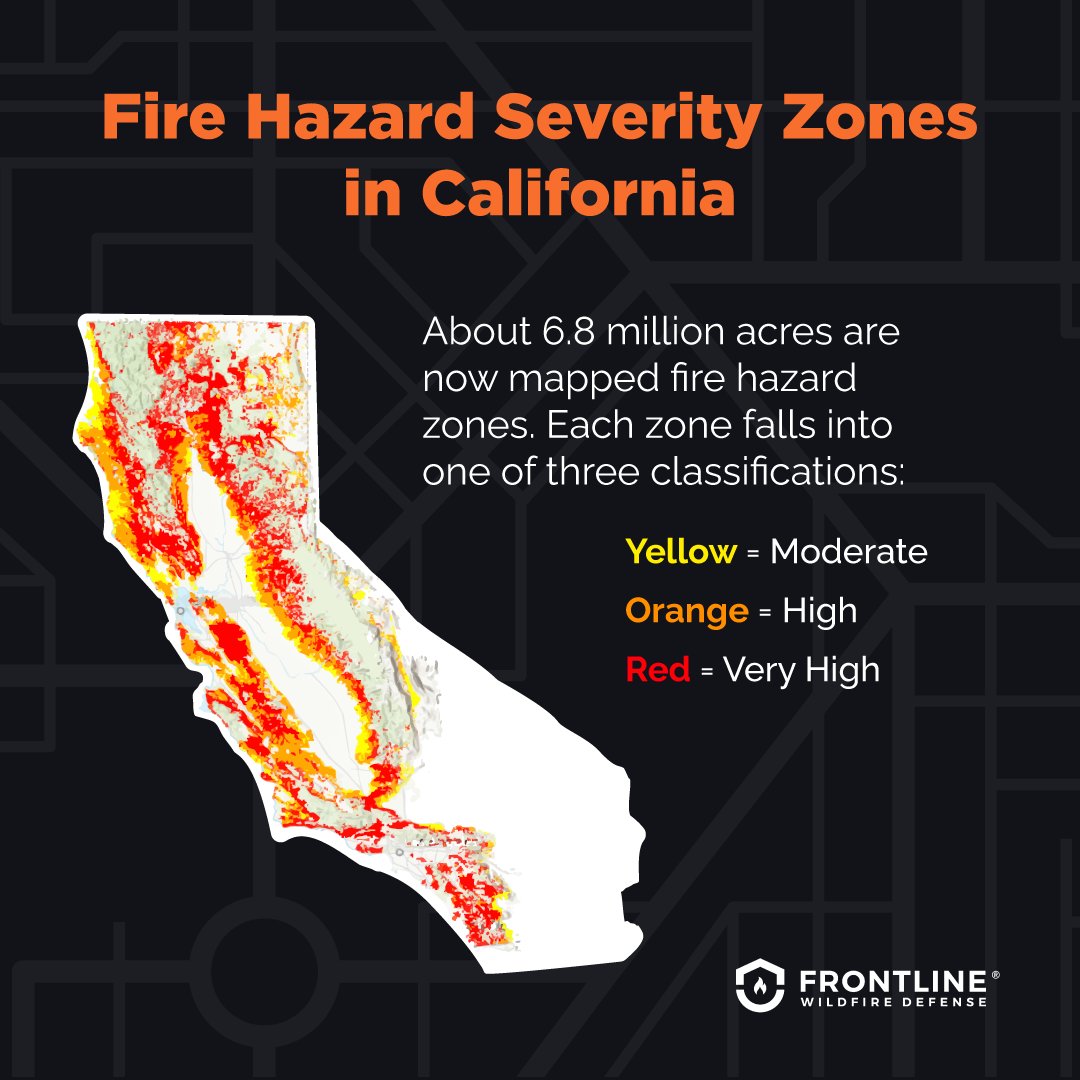
Several factors contribute to the prevalence and intensity of wildfires in California. Beyond the seasonal drought, strong winds, particularly the Santa Ana winds in Southern California and Diablo winds in Northern California, can rapidly spread flames, turning small fires into large-scale incidents. The state’s rugged terrain, with its chaparral, oak woodlands, and conifer forests, provides ample fuel. Additionally, a history of fire suppression has led to an accumulation of dense undergrowth, which, when it finally burns, does so with increased intensity. Human activity, whether accidental (like sparks from equipment or campfires) or intentional, is also a significant cause of ignitions. Climate change plays an undeniable role, exacerbating these conditions through higher temperatures and prolonged droughts, creating a hotter, drier environment conducive to more frequent and larger fires. For visitors, being aware of these contributing factors encourages a heightened sense of caution and adherence to local regulations, such as fire bans in national parks or restrictions on open flames, ensuring a safer experience for everyone.
Current Wildfire Status and Impact on Travel
Staying informed about active wildfires is paramount for any traveler to California. The impact of these incidents can range from localized road closures to broader effects on air quality, requiring adjustments to travel plans and expectations. It’s important to rely on official sources for the most accurate and up-to-date information.
Monitoring Active Incidents and Evacuation Orders
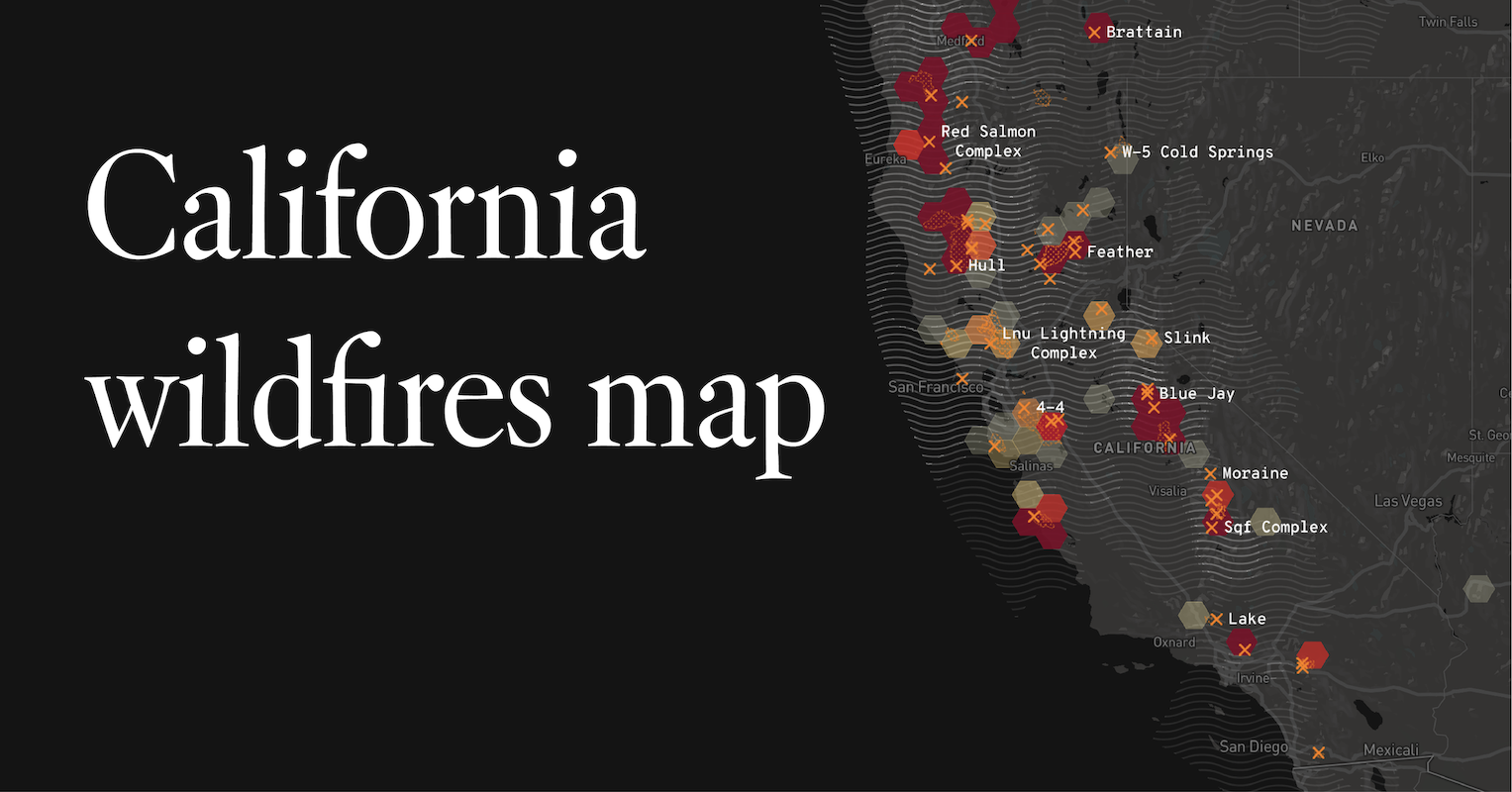
The most critical information for travelers involves the location and status of active fires. Official state agencies, such as CAL FIRE (the California Department of Forestry and Fire Protection), maintain real-time maps and incident reports detailing current fires, their containment levels, and any associated evacuation orders or warnings. For instance, a fire near Yosemite National Park or Lake Tahoe might lead to park closures or road diversions, while incidents in less populated areas might have minimal impact on major tourist routes. Many national and state parks, including Sequoia National Park and Kings Canyon National Park, also provide specific alerts on their websites regarding closures or conditions affecting visitor access. Before departing, and even during your trip, regular checks of these sources are essential. Local county sheriff’s offices and emergency services also issue specific evacuation orders and advisories, which are critical for anyone in or near an affected area. Websites and apps dedicated to emergency alerts can provide push notifications, ensuring travelers receive timely updates directly to their devices.
Air Quality and Health Considerations for Tourists
Even if a wildfire is not directly in a traveler’s intended destination, smoke can travel hundreds of miles, affecting air quality in distant cities and regions. For example, fires in Northern California wine country, such as Napa Valley, can sometimes impact air quality in San Francisco or even further south. Similarly, fires in the mountains around Los Angeles can lead to hazy skies and poor air quality in the metropolitan area. Poor air quality, characterized by high levels of particulate matter, can pose health risks, particularly for individuals with respiratory conditions, the elderly, and young children. Travelers should monitor air quality indexes (AQI) provided by environmental agencies (such as the EPA’s AirNow website) or local air quality management districts. On days with poor air quality, it’s advisable to limit outdoor activities, especially strenuous ones, and consider wearing N95 masks if venturing outside. Choosing indoor attractions, such as museums, aquariums, or art galleries, can be an excellent alternative during these periods, ensuring health and comfort while still enjoying the trip.
Road Closures and Accessibility Issues
Wildfires frequently lead to road closures, which can significantly disrupt travel plans. Major arteries like Highway 1 along the Big Sur coast or interstates traversing mountainous regions are sometimes shut down for safety reasons, either due to active flames, falling debris, or emergency vehicle access. These closures can necessitate long detours, adding considerable time to journeys or making certain destinations temporarily inaccessible. Before setting out on any road trip in California, especially during fire season, check the California Department of Transportation (Caltrans) website for current road conditions and closures. Apps like Waze or Google Maps often incorporate real-time traffic and closure data, but cross-referencing with official sources is always recommended. Having alternative routes mapped out or being prepared to pivot to a different destination entirely can save significant frustration. For destinations such as Death Valley National Park, which might be far from fire activity but whose access roads could be affected by fires elsewhere, this due diligence is crucial.
Safe Travel Strategies Amidst Wildfire Activity
Traveling to California during fire season doesn’t have to be a deterrent, but it does require a proactive and flexible approach. By implementing smart travel strategies, visitors can minimize risks, maximize enjoyment, and ensure their trip is memorable for all the right reasons.
Essential Pre-Trip Planning and Research
Thorough research is the cornerstone of safe travel during fire season. Before booking flights or accommodations, and certainly before departure, investigate the historical fire patterns of your intended destinations. While past events don’t predict the future, they offer insights into risk levels. More importantly, establish a routine for checking current conditions. Bookmark official websites like CAL FIRE, the National Park Service (for park-specific info), and local tourism boards. These resources provide real-time updates on fire locations, evacuation notices, air quality, and road closures. Consider subscribing to emergency alert systems for the areas you plan to visit. Understanding refund and cancellation policies for flights, hotels, and tours is also crucial, as unforeseen fire activity might necessitate last-minute changes. Travel insurance that covers wildfire-related cancellations or interruptions can offer peace of mind, but always read the fine print to ensure it covers natural disasters specifically.
Flexible Itineraries and Alternative Destinations
One of the most effective strategies for navigating California’s fire season is to build flexibility into your itinerary. Be prepared to pivot. If your planned trip to a forested area becomes risky due to fire activity or poor air quality, have a backup plan. Coastal cities, for example, often experience better air quality due to ocean breezes, making them excellent alternatives. Consider shifting your focus from hiking in the mountains to exploring urban attractions in San Francisco or Los Angeles, or enjoying the beaches of Santa Barbara or San Diego. Wine country regions like Napa Valley or Sonoma Valley may experience localized impacts, but nearby areas might be perfectly safe and open. The vastness of California means there are countless incredible experiences to be had, even if your initial plan needs adjustment. Embracing this flexibility can transform a potential disappointment into an opportunity to discover something new and equally captivating.
Emergency Preparedness for Travelers
Beyond staying informed, personal preparedness is vital. Always have a “go-bag” ready in your vehicle or accommodation, containing essentials like water, non-perishable snacks, a first-aid kit, copies of important documents, medications, a battery bank for charging devices, and N95 masks. Keep your phone charged and ensure you have a full tank of gas, especially if traveling through rural areas. Familiarize yourself with local emergency procedures and evacuation routes for your specific location. If staying in a hotel or rental, inquire about their emergency plans. Maintain open lines of communication with your travel companions and family, ensuring everyone knows the plan in case of an emergency. Most importantly, always heed the advice of local authorities, including any evacuation orders. These directives are issued for your safety and should be followed immediately without hesitation. Being prepared isn’t about anticipating the worst; it’s about empowering yourself to act calmly and effectively if the unexpected occurs.
Sustaining California Tourism: Supporting Affected Communities Responsibly
The tourism industry is a vital economic engine for many California communities, particularly those in scenic or rural areas often most vulnerable to wildfires. As a traveler, your choices can play a significant role in supporting these communities responsibly, aiding their recovery and resilience.
The Role of Responsible Tourism in Recovery
When wildfires subside, the path to recovery for affected communities can be long and challenging. Tourism, when conducted responsibly, can be a powerful force in this recovery. It’s crucial, however, to visit only when an area has been officially declared safe and open to visitors. Rushing into an area that is still undergoing recovery efforts can strain local resources and impede the work of first responders and residents. Once an area is open, visiting can help stimulate the local economy, providing much-needed income for businesses and residents rebuilding their lives. This includes staying in local accommodations, dining at local restaurants, and purchasing goods from local shops. Your presence, when appropriate, signals a return to normalcy and can provide a morale boost to those who have endured hardship. By respecting the local environment and community, travelers contribute positively to the healing process.
How to Support Local Businesses Safely
Supporting local businesses in fire-prone regions requires a thoughtful approach. First and foremost, verify that businesses are open and operating safely. Websites of local chambers of commerce, tourism boards, and social media channels are excellent resources for this information. Instead of canceling your entire trip, consider rerouting to nearby, unaffected towns that still offer authentic regional experiences and can benefit from your patronage. If you do visit an area that has experienced fires, be mindful and respectful. Avoid venturing into areas that are still visibly damaged or closed to the public. Engage with local residents and business owners; they often appreciate the support and interest from visitors. Purchasing local products, from artisanal crafts to regional produce and wines, directly injects money into the community. Furthermore, consider donating to reputable local charities or relief funds dedicated to wildfire recovery, as this offers direct aid to those most impacted. Your conscious choices as a traveler can make a meaningful difference, helping California’s communities rebuild and thrive, ensuring these beautiful destinations remain vibrant for future generations of visitors.
Looking Ahead: Future-Proofing California Travel Experiences
As California continues to adapt to a changing climate, innovations in fire management and a shift in travel habits are paving the way for more resilient and sustainable tourism. For travelers, understanding these advancements can further enhance their preparedness and enjoyment of the Golden State.
Innovations in Fire Management and Early Warning Systems
California is at the forefront of developing sophisticated strategies to combat wildfires and protect its communities and natural treasures. This includes advanced satellite imagery and drone technology for early detection, enabling faster response times. Artificial intelligence and machine learning are being utilized to predict fire behavior and identify high-risk areas, allowing for pre-emptive actions and more strategic resource deployment. Improved mapping and communication systems ensure that emergency information, including evacuation routes and safe zones, is disseminated rapidly and accurately to residents and travelers alike. Furthermore, large-scale vegetation management projects, such as prescribed burns and forest thinning, are being implemented to reduce fuel loads and create fire breaks, making landscapes more resilient. These ongoing efforts, while not eliminating the risk, significantly mitigate the impact of wildfires, making travel to California progressively safer and more predictable.

Adapting Travel Habits for a Changing Climate
For travelers, adapting to the realities of a changing climate means embracing a mindset of informed flexibility and responsible engagement. This includes not only staying updated on current fire conditions but also considering the broader environmental context of your visit. Opt for off-peak season travel where feasible, as this can often coincide with lower fire risk and less crowded attractions, offering a more serene experience. Engage in ecotourism and support businesses that prioritize sustainability and conservation efforts. Before visiting natural areas, educate yourself on local fire prevention rules, such as campfire restrictions or smoking bans, and adhere to them strictly. Participate in “leave no trace” principles to minimize your environmental footprint. By being a proactive and conscious traveler, you contribute to the long-term health of California’s ecosystems and the sustainability of its tourism industry. California remains an extraordinary destination, and with informed planning and responsible action, its wonders can continue to be enjoyed safely and sustainably for many years to come.
LifeOutOfTheBox is a participant in the Amazon Services LLC Associates Program, an affiliate advertising program designed to provide a means for sites to earn advertising fees by advertising and linking to Amazon.com. Amazon, the Amazon logo, AmazonSupply, and the AmazonSupply logo are trademarks of Amazon.com, Inc. or its affiliates. As an Amazon Associate we earn affiliate commissions from qualifying purchases.