
Northern California, a region celebrated for its breathtaking natural beauty, from the ancient towering redwoods to the pristine shores of Lake Tahoe and the world-renowned vineyards of Napa Valley and Sonoma Valley, draws millions of visitors annually. It’s a land of diverse landscapes, vibrant cities like San Francisco and Sacramento, and countless opportunities for adventure and relaxation. However, it is also a region prone to wildfires, particularly during the dry season, which typically spans from late spring through fall. The question “Where are the fires in Northern California?” is therefore a critical concern for both residents and prospective travelers, influencing travel plans, safety considerations, and the overall experience.

Understanding the current fire situation, knowing how to access reliable information, and adopting safe travel practices are paramount for anyone venturing into or residing in this magnificent part of California. This guide aims to provide comprehensive insights, empowering you to make informed decisions and ensure a safe, enjoyable journey, even amidst the challenges posed by wildfires. We’ll delve into the dynamics of the fire season, identify common areas of concern, and offer practical advice on everything from checking air quality to understanding evacuation routes and supporting local communities.
Understanding Wildfires in Northern California
Wildfires are a natural, albeit increasingly intense, part of the Northern California ecosystem. Decades of fire suppression, coupled with a changing climate that brings hotter temperatures and prolonged droughts, have created conditions ripe for large, destructive blazes. The rugged terrain, dense vegetation, and Santa Ana and Diablo winds often exacerbate these events, making them spread rapidly and unpredictably.
The Landscape of Northern California and Fire Risk
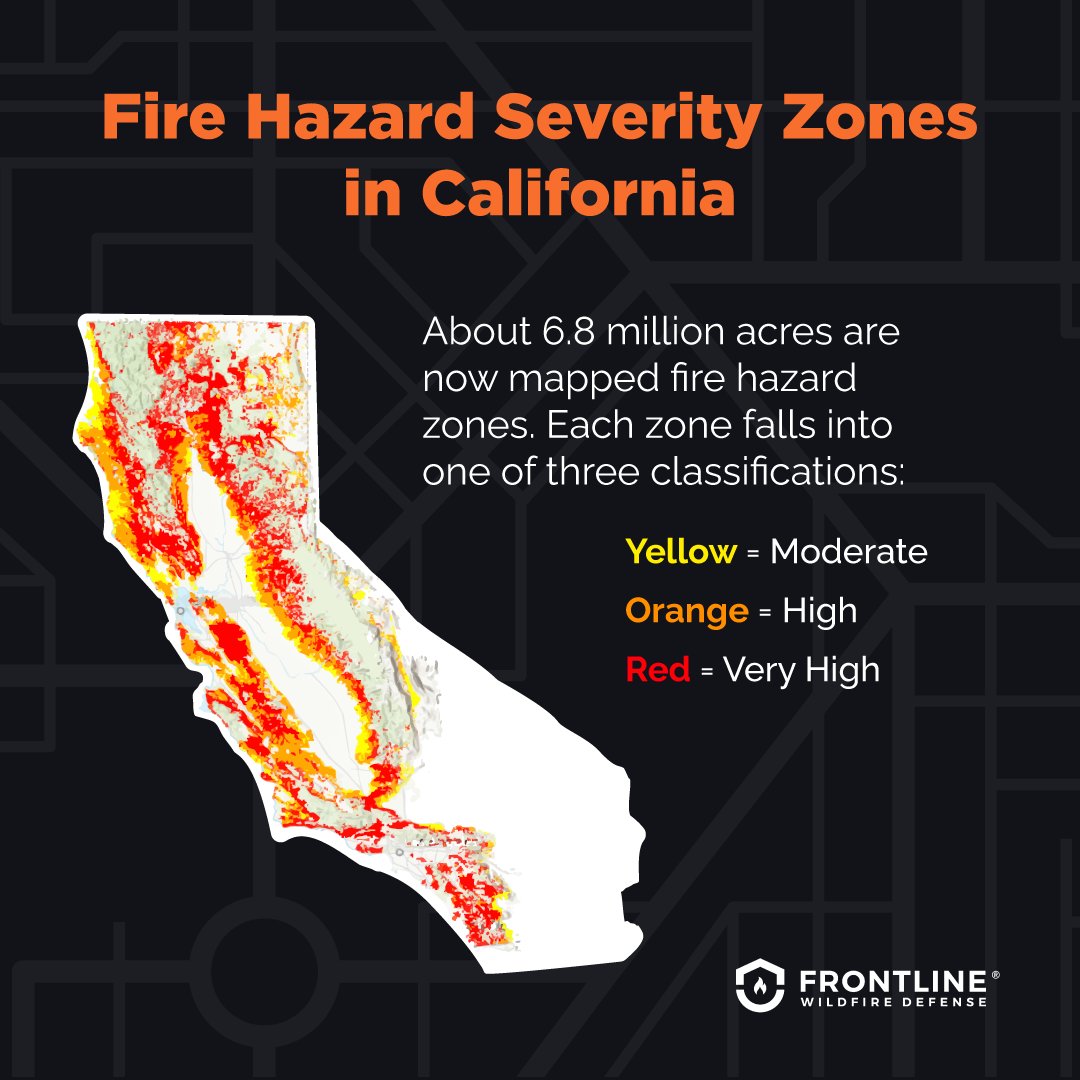
The geography of Northern California is incredibly varied, contributing to different types of fire risks across the region.
- Mountain Ranges: The Sierra Nevada, Klamath Mountains, and Coast Ranges are characterized by dense forests of pine, fir, and oak, which become highly combustible after prolonged dry periods. Areas around Mount Shasta and Lassen Volcanic National Park are particularly vulnerable.
- Wine Country: Napa and Sonoma Counties, renowned globally for their vineyards and charming towns like Santa Rosa, feature rolling hills covered in chaparral and grasslands, which can ignite quickly and spread rapidly, threatening both natural landscapes and populated areas.
- Remote Wilderness Areas: Vast stretches of national forests and wilderness, including Mendocino National Forest, Shasta-Trinity National Forest, and Six Rivers National Forest, are often where fires originate, sometimes due to lightning strikes, and can grow to immense sizes due to difficult access for firefighters.
- Urban-Wildland Interface: Many communities, from foothill towns to suburban areas bordering natural open spaces, lie within the urban-wildland interface, putting homes and businesses directly in harm’s way when fires approach. Cities like Redding, Chico, and areas surrounding Lake Oroville are often impacted.
Understanding these geographical patterns helps contextualize fire alerts and warnings, allowing travelers to gauge their personal risk more effectively depending on their chosen destination.
Current Fire Status: Key Areas and Alerts
Staying updated on the real-time fire situation is crucial. While specific fire names and locations change constantly, travelers should be aware of the general areas that frequently experience significant fire activity. Historically, areas prone to intense fires include:
- Shasta County and Trinity County: Often impacted by large fires in the national forests, affecting regions around Redding, Weaverville, and near Shasta Lake.
- Mendocino County and Lake County: These counties frequently experience significant blazes that can impact both wilderness areas and local communities like Ukiah and Lakeport, as well as popular recreational spots.
- Sonoma and Napa Counties: The world-renowned Napa Valley and Sonoma Valley are particularly vulnerable due to their terrain and dense vegetation. Fires here can impact wineries, hotels, and travel routes.
- Butte County and Plumas County: Eastern areas that include parts of the Sierra Nevada foothills, impacting towns like Paradise and Oroville.
- Siskiyou County: The northernmost part of California, bordering Oregon, with vast wildlands and forests, often sees fires near towns like Yreka and Mount Shasta City.
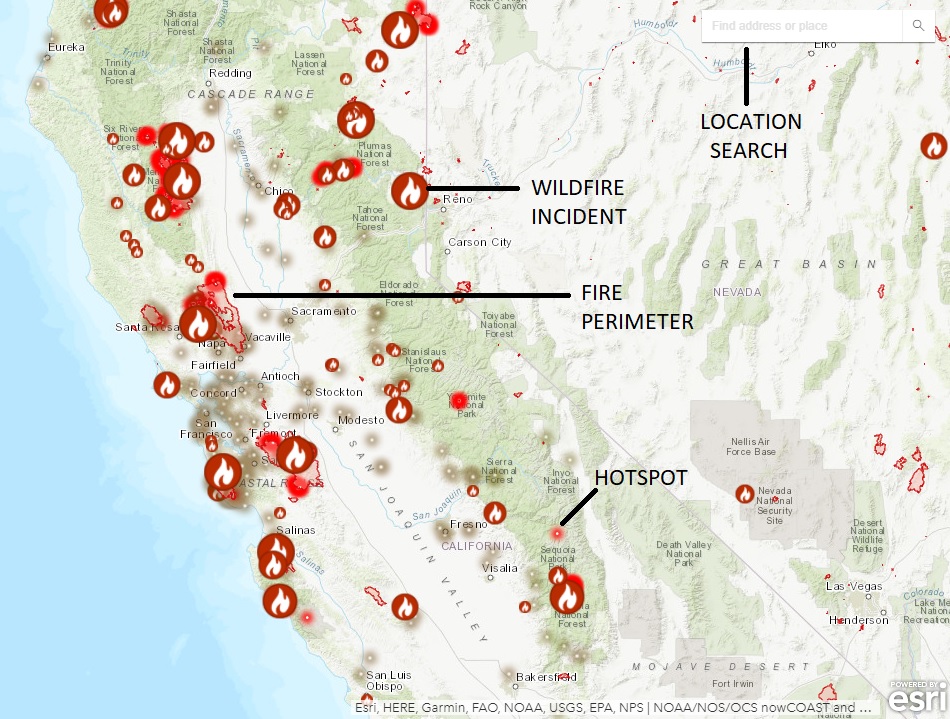
Travelers should use official sources like the California Department of Forestry and Fire Protection (CAL FIRE) incident map, the National Interagency Fire Center (NIFC), and local emergency services websites for the most current information. These resources provide details on fire perimeters, containment levels, road closures, and evacuation orders.
Navigating Travel During Fire Season: Safety First
For those planning a trip to Northern California, safety should always be the top priority. While wildfires can be concerning, being prepared and informed can significantly mitigate risks.
Essential Safety Measures for Travelers
Proactive steps can make a big difference in ensuring a safe trip:
- Monitor Fire Conditions Before and During Your Trip: Check official fire maps and news daily. Do not rely solely on social media. Pay attention to local weather forecasts, especially for wind warnings and Red Flag Warnings issued by the National Weather Service.
- Have an Evacuation Plan: If you’re staying in an area near potential fire activity, know your nearest evacuation routes. Discuss emergency plans with your accommodation provider, whether it’s a hotel, resort, or private rental. Identify safe gathering points.
- Stay Informed About Road Closures: Fires can lead to sudden road closures, disrupting travel plans. Use navigation apps that integrate real-time traffic data, and cross-reference with CAL FIRE and Caltrans alerts.
- Pack an Emergency Kit: Include essentials like water, non-perishable food, a first-aid kit, medications, a flashlight, and a battery-powered radio. Face masks (N95 or equivalent) are crucial for protecting against smoke inhalation.
- Practice Fire Safety: Be extremely careful with any potential ignition sources. This includes properly extinguishing campfires, avoiding roadside parking in dry grass, and adhering to all fire restrictions in parks and wilderness areas.
Air Quality and Health Considerations
Even if a fire isn’t directly threatening your location, smoke can travel hundreds of miles, significantly impacting air quality.
- Check Air Quality Index (AQI): Websites like AirNow.gov provide real-time AQI readings. An AQI above 100 is generally considered unhealthy for sensitive groups, and above 150, unhealthy for everyone.
- Protect Your Health: When air quality is poor, limit outdoor activities, especially strenuous ones. Keep windows and doors closed, and use air purifiers if available. Travelers with respiratory conditions (asthma, COPD) or heart disease, as well as children and the elderly, should be especially cautious. Many hotels, particularly in larger cities like Oakland or San Francisco, often have HVAC systems that can filter out some particulate matter, but it’s always wise to check.
Evacuation Procedures and Road Closures
Understanding the local emergency framework is vital.
- “Know Your Zone”: Many counties in Northern California have implemented zone-based evacuation systems. Familiarize yourself with the zone your accommodation is in.
- Official Alerts: Sign up for local emergency alert systems (e.g., Nixle, Everbridge) for text or email notifications from county sheriffs and emergency services. Pay attention to reverse 911 calls if you have a landline.
- Evacuation Orders vs. Warnings: Understand the difference. An “Evacuation Warning” means a potential threat and you should prepare to leave. An “Evacuation Order” means there is an immediate threat, and you must leave the area. Always follow instructions from emergency personnel.
- Road Closure Maps: Caltrans (the California Department of Transportation) provides real-time information on highway closures. Always have alternative routes planned, as fires can cut off main arteries like Interstate 5 or Highway 101.
Impact on Tourism, Accommodation, and Local Lifestyle
Wildfires invariably leave an indelible mark on the tourism industry, the hospitality sector, and the everyday lives of residents. While the immediate aftermath is often devastating, understanding the broader implications can help travelers navigate their decisions.
Assessing Impact on Popular Destinations
Even if an attraction isn’t directly in the path of a fire, access might be limited or the experience altered.
- National Parks and State Parks: Iconic destinations such as Redwood National and State Parks, Yosemite National Park (though mostly in Central California, smoke can impact it), Lassen Volcanic National Park, and Muir Woods National Monument may face closures due to active fires, unhealthy air quality, or firefighter access needs. Always check park websites for current conditions and alerts before visiting.
- Wine Regions: Napa and Sonoma Valleys, along with Mendocino and Lake County wine regions, are particularly sensitive. While the vineyards themselves might survive, smoke exposure can affect grape quality (smoke taint), impacting the local economy for years. Wineries and tasting rooms may close temporarily or operate with reduced hours.
- Coastal Areas: Destinations like Point Reyes National Seashore or Mendocino Coast might offer a reprieve from direct fire threat, but often suffer from poor air quality due to prevailing winds.
Accommodation and Booking Considerations
Travelers should exercise flexibility and diligence when booking accommodation during fire season.
- Flexible Bookings: Prioritize hotels, resorts, or vacation rentals with generous cancellation policies. Many major hotel chains, such as Hyatt Regency San Francisco or The Ritz-Carlton, Lake Tahoe, offer flexible rates that allow changes or cancellations up to a certain point before check-in. Boutique hotels and private rentals might have stricter policies, so read them carefully.
- Contact Your Accommodation Directly: Before departing, call your hotel or host to inquire about local conditions, air quality, and any specific fire-related concerns. They can provide the most up-to-date local information.
- Travel Insurance: Consider purchasing travel insurance that covers wildfire-related disruptions, including cancellations due to mandatory evacuations or significant damage to your destination. Always review policy details carefully to understand what is covered.
- Alternative Accommodation: Be prepared to pivot. If your primary destination is affected, have a backup plan for another region or consider delaying your trip. Sacramento, for instance, often serves as a relatively safe hub during regional fire events, offering numerous hotel options.
Supporting Local Communities
When fires recede, communities face a long road to recovery. Travelers can play a positive role in this process.
- Visit When It’s Safe: Once an area is declared safe and open for visitors, consider planning a trip. Tourism is a vital economic driver for many Northern California towns, and respectful, responsible tourism helps stimulate recovery.
- Support Local Businesses: Spend your money at local restaurants, shops, and attractions. This directly injects funds into the local economy, helping businesses rebuild and residents regain their livelihoods.
- Be Mindful and Respectful: Understand that local residents may have experienced trauma and loss. Be patient, kind, and respectful of their experiences. Adhere strictly to all posted rules and advisories, especially those related to fire safety and rebuilding efforts.
- Volunteer or Donate: If you’re able and willing, consider volunteering with reputable local relief organizations or donating to funds dedicated to wildfire recovery and prevention.
Resources for Real-Time Information and Preparedness
Having access to accurate, timely information is your most powerful tool during Northern California’s fire season. Rely exclusively on official sources.
Official Information Sources
These are the primary authorities for wildfire information:
- CAL FIRE: The California Department of Forestry and Fire Protection website (fire.ca.gov) offers comprehensive incident maps, daily updates, fire prevention information, and resources for residents and visitors alike. This is the most essential resource for current fire activity.
- National Interagency Fire Center (NIFC): Provides national-level fire information, but also includes links to state and local resources. Useful for understanding the broader context.
- InciWeb: An interagency incident information system for large-scale incidents (wildfires, floods, etc.). It offers detailed updates, maps, and photos for specific major fires, often managed by the U.S. Forest Service and other federal agencies.
- National Weather Service (NWS): Critical for weather forecasts, wind advisories, and Red Flag Warnings, which indicate conditions conducive to extreme fire behavior. Check the NWS forecasts for your specific destination.
- AirNow.gov: The definitive source for air quality information, providing real-time Air Quality Index (AQI) data.
- Local County Emergency Services: Each county in Northern California will have its own emergency services website and social media presence. These are vital for local evacuation orders, shelter information, and specific road closures. For example, search for “Sonoma County Emergency Management” or “Shasta County Sheriff’s Office.”
Travel Advisories and Alerts
Beyond checking individual websites, proactive alert systems can keep you informed without constant monitoring.
- Opt-in Emergency Alerts: Sign up for local emergency notification systems (e.g., Nixle, Everbridge, AlertSF for San Francisco) in the counties you plan to visit or pass through. These systems send critical updates directly to your phone via text or voice message.
- Social Media from Official Sources: Follow the official social media accounts of CAL FIRE, U.S. Forest Service (for relevant forests), local sheriff’s offices, and emergency management agencies. Be discerning and avoid unofficial or sensationalist accounts.
- Road Condition Apps: Utilize apps like Waze or Google Maps for real-time traffic and road closure information, but always cross-reference with official Caltrans alerts.
In conclusion, while the threat of wildfires in Northern California is a serious concern, it should not deter you from experiencing the region’s incredible allure. With careful planning, continuous monitoring of official information, and a commitment to safety and responsible travel, you can navigate the fire season confidently. By prioritizing safety, staying informed, and being mindful of the local communities, travelers can still enjoy the stunning landscapes, vibrant culture, and unparalleled hospitality that make Northern California a world-class destination. Your preparedness not only ensures your well-being but also contributes to the resilience of these beautiful, fire-prone regions.
LifeOutOfTheBox is a participant in the Amazon Services LLC Associates Program, an affiliate advertising program designed to provide a means for sites to earn advertising fees by advertising and linking to Amazon.com. Amazon, the Amazon logo, AmazonSupply, and the AmazonSupply logo are trademarks of Amazon.com, Inc. or its affiliates. As an Amazon Associate we earn affiliate commissions from qualifying purchases.