
California, a state synonymous with breathtaking natural beauty, diverse landscapes, and vibrant culture, unfortunately also faces the annual challenge of wildfires. For travelers planning a visit, the question “Where are wildfires in California?” extends beyond a simple geographical query. It delves into the impact on travel safety, air quality, accessibility to popular destinations, and the overall visitor experience. This guide aims to provide a comprehensive understanding of California’s wildfire landscape, offering insights and practical advice for navigating travel to the Golden State during fire season responsibly and safely.
While the presence of wildfires can seem daunting, with proper planning, awareness, and flexibility, a rewarding trip to California remains entirely possible. Our focus here is to equip you with the knowledge needed to make informed decisions, understand the risks, and contribute to responsible tourism in a state that continues to recover and thrive amidst these natural events.

Understanding California’s Wildfire Landscape
To travel wisely in California, it’s crucial to understand the underlying factors that contribute to its wildfire cycles. This isn’t just about a specific location at a specific time, but about the environmental dynamics that make the state prone to these events.
The Dynamics of California Wildfires
California’s unique Mediterranean climate plays a significant role in its susceptibility to wildfires. The state experiences long, dry summers followed by mild, wet winters. This pattern, however, has been increasingly exacerbated by prolonged droughts, leading to vast expanses of parched vegetation that act as potent fuel. Topography, with its numerous canyons and mountainous regions like the Sierra Nevada, also contributes, creating natural corridors for fire spread.
Furthermore, specific wind patterns, such as the infamous Santa Ana winds in Southern California and Diablo winds in the north, significantly increase fire risk. These powerful, dry, downslope winds can fan existing fires, rapidly expanding their size and intensity, and carry embers over long distances, sparking new blazes. While natural causes like lightning strikes can ignite fires, a significant percentage of wildfires in California are human-caused, stemming from power line failures, careless equipment use, campfires, or arson.
Fire Season Trends and Peak Times
Historically, California’s fire season traditionally ran from late summer through early autumn, roughly from August to November. However, due to climate change, increased temperatures, and prolonged drought conditions, this period has expanded, often starting earlier in the spring and extending later into the winter. It’s now more accurate to speak of a “fire year” rather than just a “fire season,” with significant fires potentially occurring at any time, though the risk remains highest during the dry, windy months.
Travelers should be particularly vigilant during these peak periods, especially if their plans involve remote areas, national or state parks, or regions known for dense vegetation like Wine Country or the foothills of the Sierra Nevada.
Geographical Patterns of Vulnerability
While no part of California is entirely immune, certain regions are historically more vulnerable to wildfires. The wildland-urban interface, where undeveloped natural areas meet residential communities, is particularly at risk. Areas with chaparral and dense scrub, common in Southern California, burn intensely. Forested areas, including popular destinations such as Yosemite National Park, Sequoia National Park, Kings Canyon National Park, and parts of the Redwood National Park region, also face significant threats, especially after years of drought.
Regions like Napa Valley and Sonoma County, famous for their vineyards, have experienced devastating fires, impacting the agricultural and tourism sectors. Similarly, areas around Lake Tahoe and throughout the Gold Country are often on alert. Coastal areas, such as San Francisco, Los Angeles, San Diego, and the immediate coastline of Big Sur, tend to be less prone to direct fire impact due to higher humidity and different vegetation, but they can still be affected by smoke and related travel disruptions.
How Wildfires Impact Travel Plans
The effects of wildfires on travel can be far-reaching, even if a fire isn’t directly in your planned destination. Understanding these impacts is key to planning a resilient and enjoyable trip.
Direct Threat and Evacuations
The most immediate and severe impact of a wildfire is the direct threat it poses to life and property. Active fires can lead to mandatory evacuations, road closures, and the closure of entire parks, forests, and recreational areas. For travelers, this can mean abrupt changes to itineraries, inability to reach destinations, or even needing to evacuate from a location. Iconic destinations like parts of Yosemite National Park or sections of the Pacific Coast Highway near Big Sur might be temporarily inaccessible or dangerous. It’s crucial to prioritize safety above all else, always adhering to official warnings and evacuation orders.
Air Quality Concerns
Even if you are far from an active wildfire, smoke can travel hundreds of miles, significantly impacting air quality. Poor air quality, measured by the Air Quality Index (AQI), can cause respiratory issues, make outdoor activities difficult or unhealthy, and obscure scenic views, such as the famous vistas from Marin County looking back at the Golden Gate Bridge. Travelers should monitor local AQI levels, especially if they have pre-existing health conditions or are planning strenuous outdoor activities. A seemingly clear sky might still have high particulate matter, so relying on official data is essential.
Destination Accessibility and Activities
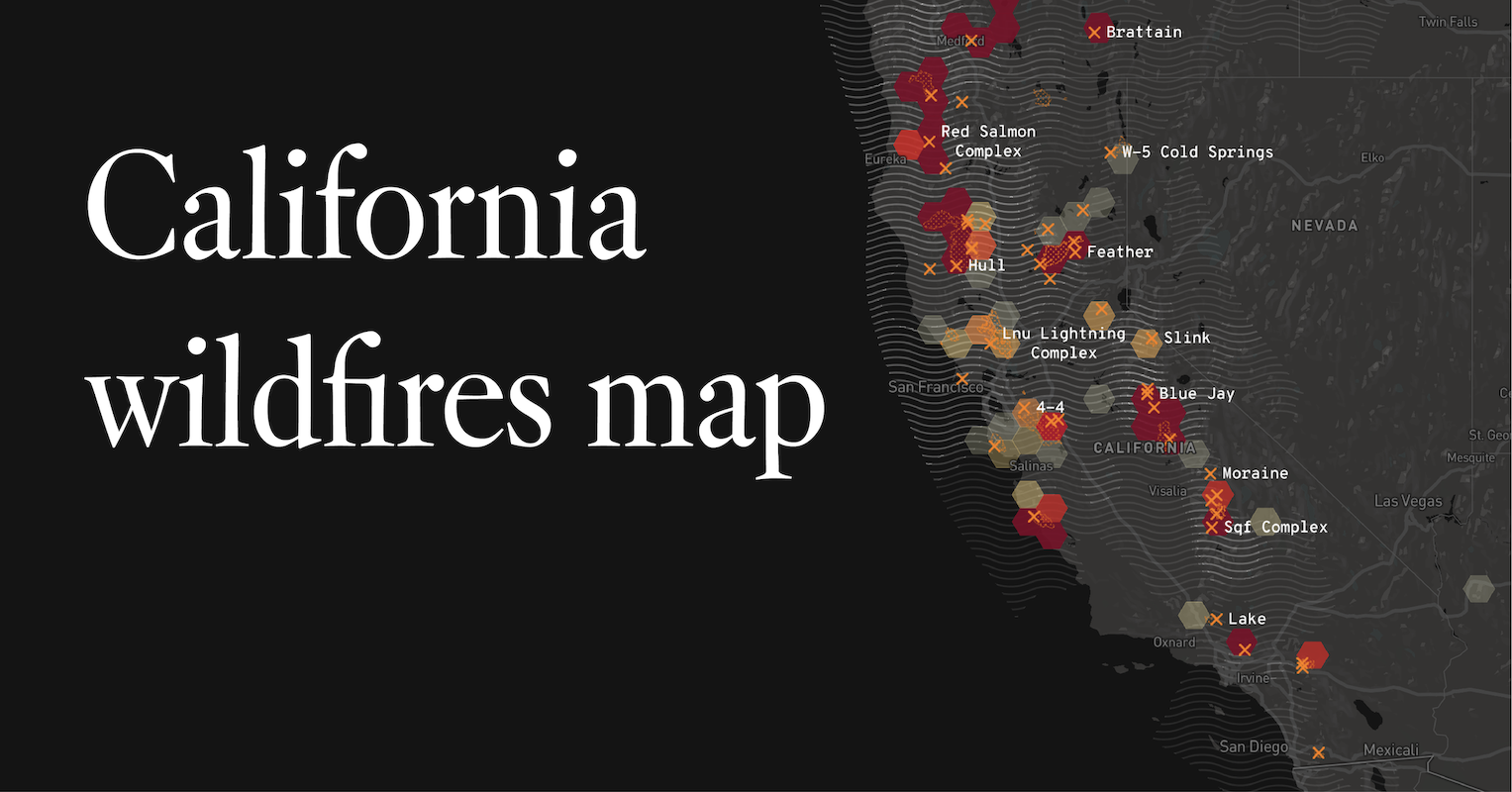
Wildfires can severely limit access to many of California’s cherished natural attractions. Hiking trails might be closed, campgrounds evacuated, and scenic drives rerouted. For instance, areas around Joshua Tree National Park or Death Valley National Park could be impacted by nearby desert fires, altering desert exploration plans. Additionally, many tourism-dependent businesses in affected regions, such as wineries in Napa Valley or resorts near Lake Tahoe, might close temporarily, impacting local economies and visitor experiences. Travelers should check specific park and attraction websites for the most up-to-date closure information.
Staying Informed and Safe: Essential Resources for Travelers
The key to safe and informed travel in California during fire season is access to reliable, real-time information.
Official Fire Information Sources
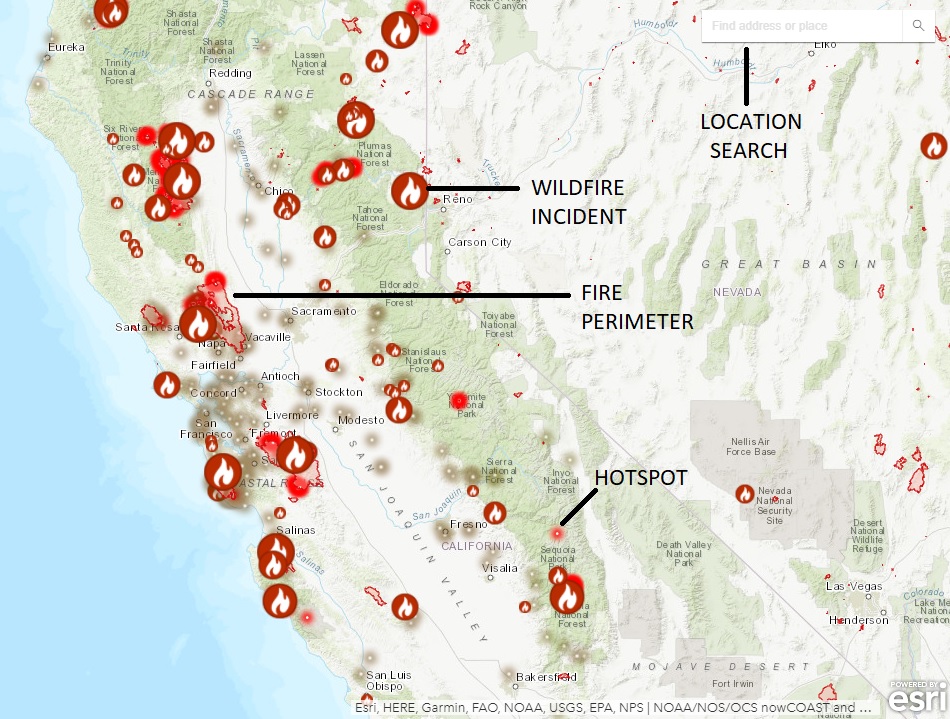
For the most accurate and up-to-date wildfire information, always consult official government sources. CalFire (the California Department of Forestry and Fire Protection) is the primary agency responsible for fighting and reporting on wildfires in the state. Their website provides interactive maps, incident reports, and general fire safety information. The National Interagency Fire Center also offers a broader overview of fire activity across the U.S. Additionally, local sheriff’s departments and emergency services often provide specific evacuation orders and localized updates relevant to their jurisdictions. Signing up for local emergency alerts if you’re in a vulnerable area can be a wise precaution.
Air Quality Monitoring
Monitoring air quality is critical, especially if you have respiratory sensitivities or plan extensive outdoor activities. AirNow.gov, a partnership of federal, state, and local agencies, provides real-time AQI data for specific locations across the country, including California. Many local air districts and weather apps also provide localized air quality forecasts and current conditions. If the AQI indicates unhealthy levels, it’s advisable to limit outdoor exposure, wear N95 masks if available and recommended, and choose indoor activities.
Road Conditions and Park Closures
Road closures due to wildfires or their aftermath can significantly disrupt travel. Caltrans, California’s Department of Transportation, provides real-time road conditions and closures on its website and through its 511 service. For national parks and forests, the National Park Service and U.S. Forest Service websites are the go-to resources for information on closures, trail restrictions, and current conditions. Always check these sources immediately before and during your travel to ensure your route and destinations are open and safe.
Travel Insurance and Cancellation Policies
In an era of increasing climate-related disruptions, travel insurance has become a more important consideration. Review your travel insurance policy to understand what is covered in the event of natural disasters like wildfires. Some policies may cover trip cancellations or interruptions due to mandatory evacuations or significant closures, while others may not. Additionally, familiarize yourself with the cancellation and refund policies of any hotels, airlines, or tour operators you’ve booked with, especially those offering flexible options.
Navigating California During Fire Season: Responsible Travel
Traveling responsibly in California during fire season means more than just staying safe; it involves being a mindful visitor and contributing positively to the state’s resilience.
Pre-Trip Planning and Flexibility
Thorough pre-trip planning is paramount. Research your desired destinations, check historical fire activity in those areas, and have alternative plans in mind. This might mean having a backup itinerary that focuses on urban centers like San Francisco or Los Angeles, which are less directly impacted by wildfires, or coastal towns like Monterey or San Diego. Build flexibility into your schedule, as conditions can change rapidly. Avoid booking non-refundable options in high-risk areas during peak fire season unless you have robust travel insurance.
Fire Safety Best Practices
As a traveler, you have a role in preventing human-caused wildfires. Be acutely aware of fire restrictions, especially concerning campfires. Many areas implement total campfire bans during dry periods. Exercise extreme caution with anything that could spark a fire: properly dispose of cigarettes, avoid parking hot vehicles on dry grass, ensure tow chains aren’t dragging, and never use fireworks. Obey all signage regarding fire danger levels and restrictions. Educate yourself on the “Leave No Trace” principles, which include minimizing fire impacts.
Supporting Local Communities
When fires occur, local communities, particularly those dependent on tourism, suffer significant economic hardship. If your travel plans are affected, consider rescheduling rather than canceling outright to support these businesses later. If you do visit areas that have recovered, consciously support local restaurants, shops, and accommodations. Another way to help is by donating to reputable relief organizations, such as the California Community Foundation’s Wildfire Relief Fund or local chapters of the Red Cross, rather than bringing unsolicited goods to affected areas.
Respecting the Environment and Recovery
Post-fire landscapes are fragile and undergoing recovery. Respect closed areas, even if they appear safe, as they may be hazardous or part of ecological restoration efforts. Stay on marked trails to avoid disturbing regenerating plant life or causing erosion. Understand that while the immediate aftermath of a fire can look devastating, it is also a natural, albeit intense, part of many ecosystems’ cycles, leading to new growth and opportunities for wildlife.
In conclusion, understanding “Where are wildfires in California?” is an ongoing process of staying informed and being adaptable. While wildfires present a serious challenge, they don’t negate the immense beauty and countless experiences California offers. By approaching your trip with knowledge, respect, and a commitment to safety, you can still have an incredible journey through this resilient and dynamic state.
LifeOutOfTheBox is a participant in the Amazon Services LLC Associates Program, an affiliate advertising program designed to provide a means for sites to earn advertising fees by advertising and linking to Amazon.com. Amazon, the Amazon logo, AmazonSupply, and the AmazonSupply logo are trademarks of Amazon.com, Inc. or its affiliates. As an Amazon Associate we earn affiliate commissions from qualifying purchases.