
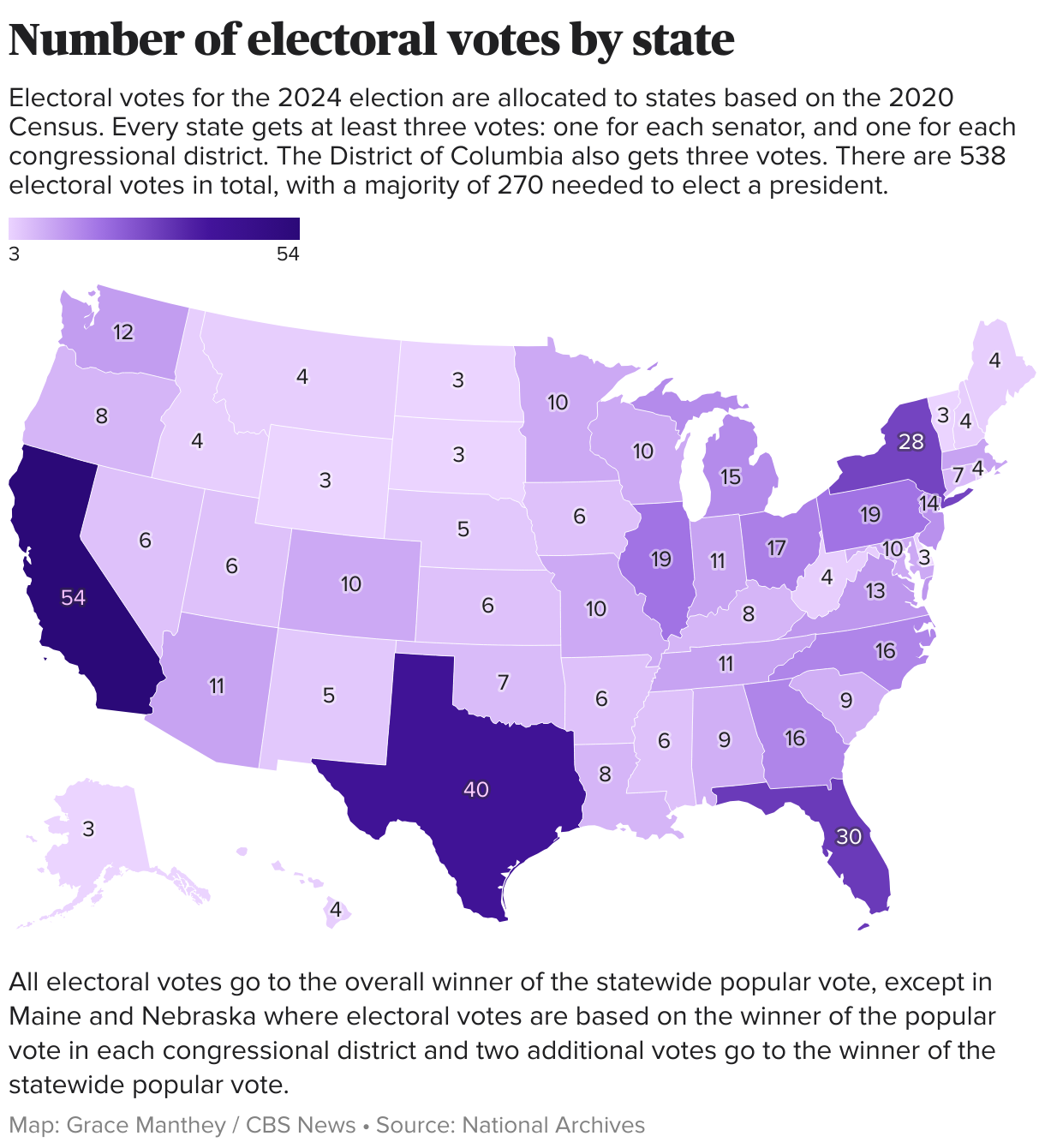
The United States presidential election is a complex process, and one of its most talked-about elements is the Electoral College. While many Americans understand its basic function – that it’s not the popular vote that directly determines the winner, but rather the accumulation of electoral votes from each state – the specific number of votes allocated to each state can be a source of confusion. For residents of the Empire State, a crucial question arises: “How Many Electoral Votes Does New York State Have?” This article delves into the mechanics of electoral vote allocation, focusing specifically on New York, and explores how this number is determined and its significance in the broader context of American presidential politics.
Beyond the political landscape, New York is a state that beckons travelers from around the globe. Its iconic skyline, rich history, diverse culture, and world-class amenities make it a perennial favorite for tourism. Whether you’re planning a luxurious escape to the upscale boutiques of Manhattan, a family adventure exploring the natural beauty of the Adirondacks, or a cultural immersion in the vibrant neighborhoods of New York City, understanding the political weight of the state you’re visiting adds another layer of appreciation to your journey.
The Foundation of Electoral Vote Allocation: Representation in Congress
The number of electoral votes each state receives is directly tied to its representation in the United States Congress. This connection is established by the U.S. Constitution and is a cornerstone of the American federal system. Each state is allocated a number of electors equal to the sum of its representation in the House of Representatives and its representation in the Senate.
The House of Representatives: A Measure of Population
The House of Representatives is designed to be proportional to the population of each state. Every ten years, following the U.S. Census, the House reapportions seats among the states. States with larger populations receive more representatives, and consequently, more electoral votes. This ensures that more populous states have a greater voice in the presidential election through the Electoral College. The U.S. Census Bureau is responsible for conducting this decennial count, which forms the basis for determining congressional apportionment.
For New York, its population has historically placed it among the states with a significant number of representatives in the House. While the exact number can fluctuate with each census, New York consistently ranks among the top states in this regard, reflecting its large and diverse population. For instance, after the 2020 Census, New York has a certain number of representatives in the House, which directly contributes to its electoral vote count. This dynamic representation means that the number of electoral votes a state holds can change over time, though typically not drastically in short periods. The process of reapportionment is a critical aspect of ensuring fair representation, and it directly impacts how much electoral weight each state carries in presidential elections.
The Senate: Equal Representation for All States
In contrast to the House of Representatives, the United States Senate provides equal representation for all states, regardless of their population. Each state, no matter how large or small, is granted two senators. This provision was a crucial compromise during the formation of the United States, ensuring that less populous states would not be overshadowed by their more populous counterparts.
Therefore, every state, including New York, automatically receives two electoral votes due to its two senators. This “Senate bonus” is a constant factor in electoral vote calculations and serves as a fundamental element of the Electoral College system. Even the smallest states, such as Wyoming or Vermont, have two electoral votes stemming from their senatorial representation, highlighting this principle of equality in the upper chamber of Congress.
Calculating New York’s Electoral Vote Total

By combining the number of representatives New York has in the House of Representatives with its two senators, we arrive at the state’s total number of electoral votes. This calculation is straightforward once the congressional representation is established.
As of the most recent apportionment following the 2020 Census, New York has a specific number of representatives in the House. Adding these representatives to the two senators New York is entitled to gives us the definitive number of electoral votes for the state. This figure is crucial for anyone following election cycles, from political analysts to voters and even tourists interested in the civic life of the places they visit. For example, if New York has, hypothetically, 27 representatives in the House, then its total electoral votes would be 27 (House representatives) + 2 (Senators) = 29 electoral votes. This number is then used in the complex tabulation of the Electoral College.
The Shifting Landscape of Representation
It’s important to reiterate that congressional apportionment, and thus electoral vote counts, are not static. The decennial U.S. Census is the primary driver of these changes. If a state’s population grows significantly, it may gain representatives in the House, increasing its electoral vote total. Conversely, if a state’s population declines relative to others, it could lose representatives and a corresponding number of electoral votes.
This dynamic nature of representation means that understanding New York’s electoral vote count requires referencing the most up-to-date census data and apportionment figures. For many years, New York has been one of the states with a substantial number of electoral votes, reflecting its status as a major population center and economic powerhouse. This consistent high number of electoral votes makes New York a significant player in any presidential election, with candidates often investing considerable time and resources campaigning in the state, seeking to win its bloc of electoral votes. The state’s diverse electorate and urban centers, particularly New York City, contribute to its political importance.
The Impact of New York’s Electoral Votes on Presidential Elections
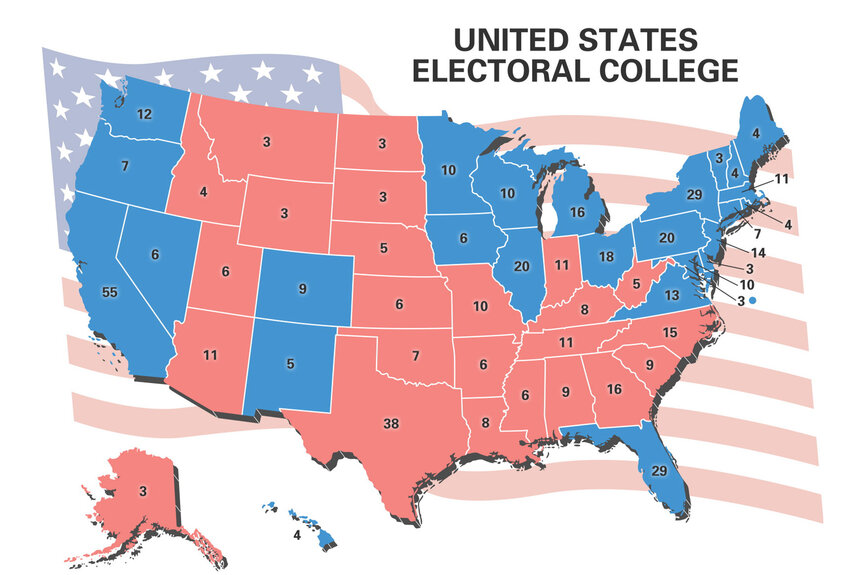
New York’s substantial number of electoral votes makes it a key state in the pursuit of the presidency. While the state has historically leaned Democratic in presidential elections, its large number of electors means that both major parties actively campaign for its support. Winning New York can provide a significant boost towards the 270 electoral votes needed to win the presidency, making it a target, even if it’s considered a reliably blue state in many cycles.
Campaign Strategies and New York’s Role
Presidential campaigns develop strategies based on the electoral map, and New York occupies a prominent position on that map. Candidates will allocate resources – time, money, and staff – to states they believe they can win or where they can make gains. Even in states where the outcome is perceived as a foregone conclusion, campaigning can serve to mobilize base voters, generate enthusiasm, and reinforce party messaging. For New York, this often translates into rallies in major cities, targeted advertising, and efforts to engage with diverse communities across the state, from Buffalo to Long Island.
Beyond Politics: Tourism and Electoral Votes
The presence of a significant number of electoral votes also subtly influences how New York is perceived on a national stage, potentially affecting tourism and investment. A state with a strong political voice often garners more attention, which can indirectly benefit its tourism sector. When you’re visiting iconic landmarks like the Statue of Liberty or the Empire State Building, or enjoying the vibrant arts scene in Broadway, you’re experiencing a state that is not only a cultural and economic hub but also a crucial component of the American democratic process. The energy and dynamism of New York are palpable, whether you’re discussing its electoral weight or its world-renowned attractions.
The Electoral College system, with its state-by-state allocation of votes, ensures that each state, from the most populous to the least, has a role to play. New York, with its substantial bloc of electoral votes, is a testament to this system’s design, reflecting both its population and its foundational place within the United States. Understanding how these votes are counted and the significance of states like New York offers a deeper appreciation for the intricacies of American presidential elections and the diverse tapestry of the nation itself. Whether you’re a political enthusiast or a traveler planning your next itinerary, the electoral votes of New York are a fascinating aspect of this influential state.
LifeOutOfTheBox is a participant in the Amazon Services LLC Associates Program, an affiliate advertising program designed to provide a means for sites to earn advertising fees by advertising and linking to Amazon.com. Amazon, the Amazon logo, AmazonSupply, and the AmazonSupply logo are trademarks of Amazon.com, Inc. or its affiliates. As an Amazon Associate we earn affiliate commissions from qualifying purchases.