
The Indigenous Roots of a Great City
The vibrant metropolis of Chicago, a global hub of commerce, culture, and innovation, carries a name steeped in history and natural lore. Far from being a modern invention, the word “Chicago” is an enduring legacy of the region’s original inhabitants and its unique ecological landscape. To uncover its true origins, one must journey back centuries to a time when vast prairies met shimmering waters, and indigenous languages held sway. The name itself is a testament to the land’s bounty and the close observations made by those who lived there long before European arrival. Understanding this etymology provides a deeper appreciation for the city’s identity, connecting its towering skyscrapers to the humble wild plants that once carpeted its marshy terrain.
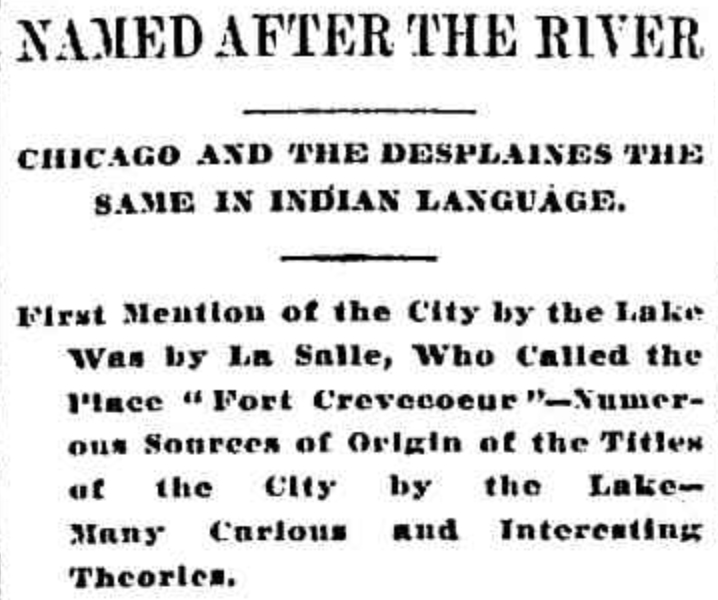
The Potawatomi and the “Wild Onion”
The most widely accepted and historically supported theory attributes the name Chicago to the Potawatomi people, a prominent Algonquian-speaking tribe who inhabited the area for centuries. Their language, a member of the Algonquian family, provided the linguistic foundation for what would eventually become the city’s enduring moniker. The specific word in question is “shikaakwa,” which translates most commonly to “wild onion” or “wild leek.” This botanical designation refers to the indigenous species of wild garlic (Allium tricoccum, or more broadly, plants like Allium canadense or Allium cernuum) that grew in great abundance along the banks of the Chicago River and in the surrounding marshlands. These wild leeks, characterized by their pungent aroma and edible bulbs, were a significant part of the Potawatomi diet and local ecosystem. The area was so distinctive for these plants that it became known as the “place of the wild onion” or “smelly onion place.” While some alternative theories suggest “shikaakwa” might relate to “skunk place” due to a similar root sound and the strong odor, the “wild onion” interpretation holds stronger historical and linguistic backing, supported by numerous early accounts from explorers and later anthropologists. The pungent smell of these plants would have been unmistakable to anyone traversing the riverbanks, creating a memorable characteristic of the locale.
Early Encounters and Interpretations
The earliest written records of the name come from the accounts of 17th-century French explorers, who were among the first Europeans to extensively document the North American interior. These explorers, relying on the oral traditions and place-names provided by their indigenous guides, diligently attempted to transcribe what they heard into their own language. This process, however, was fraught with phonetic challenges, leading to variations in spelling and interpretation. The indigenous people had a rich tapestry of names for places, often descriptive of geographical features, resources, or significant events. The “wild onion” designation for the area around the mouth of the Chicago River was clearly a prominent one, recognized and communicated to the newcomers. These early encounters were crucial in bridging the linguistic gap and laying the groundwork for the name’s eventual adoption by European settlers, embedding the Potawatomi legacy firmly in the nascent cartography of the continent.
French Explorers and the Transcription Challenge
The arrival of French explorers in the late 17th century marked a pivotal moment in the documentation of the name Chicago. These intrepid individuals, driven by exploration, trade, and missionary zeal, ventured deep into territories previously unknown to Europeans, meticulously charting rivers, lakes, and portages. Their journals and maps provide the earliest tangible evidence of the name, albeit in various transliterated forms, reflecting the challenges of rendering indigenous sounds into European script. It was through their efforts that the name transitioned from purely oral tradition to a written record, destined to become synonymous with a future great city. Their records highlight not only the geographical importance of the area but also its distinctive natural attributes as observed by the indigenous populations.
Jolliet and Marquette’s Expeditions
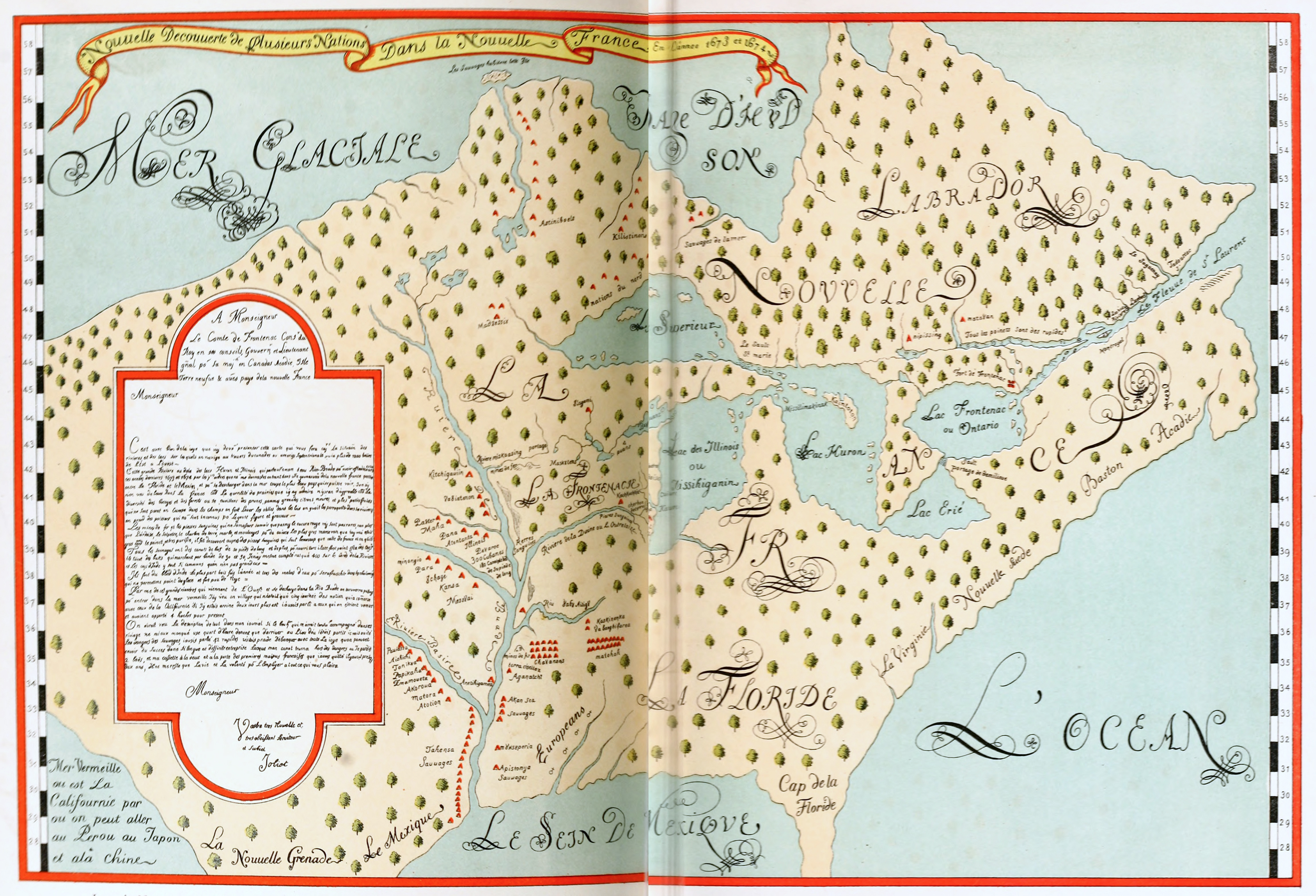
Among the most influential of these early French figures were Louis Jolliet, a fur trader and explorer, and Father Jacques Marquette, a Jesuit missionary. In 1673, they embarked on a monumental expedition to explore the Mississippi River. On their return journey, guided by indigenous knowledge, they used a portage that connected the Des Plaines River to the Chicago River, thus linking the Great Lakes basin to the Mississippi system. It was in Marquette’s journal that one of the earliest known mentions of the name “Chicago” appeared, referring to the river and the surrounding area. He noted the abundance of “garlic” (wild leeks) and remarked on the river’s name, often spelled as “Checagou” or “Chicagou.” Jolliet’s maps, though some of his originals were lost, also depicted this significant waterway with a similar appellation. These records are invaluable not just for establishing the name’s presence but also for confirming the “wild onion” association, underscoring the indigenous people’s description of the local flora.
From “Checagou” to “Chicago”
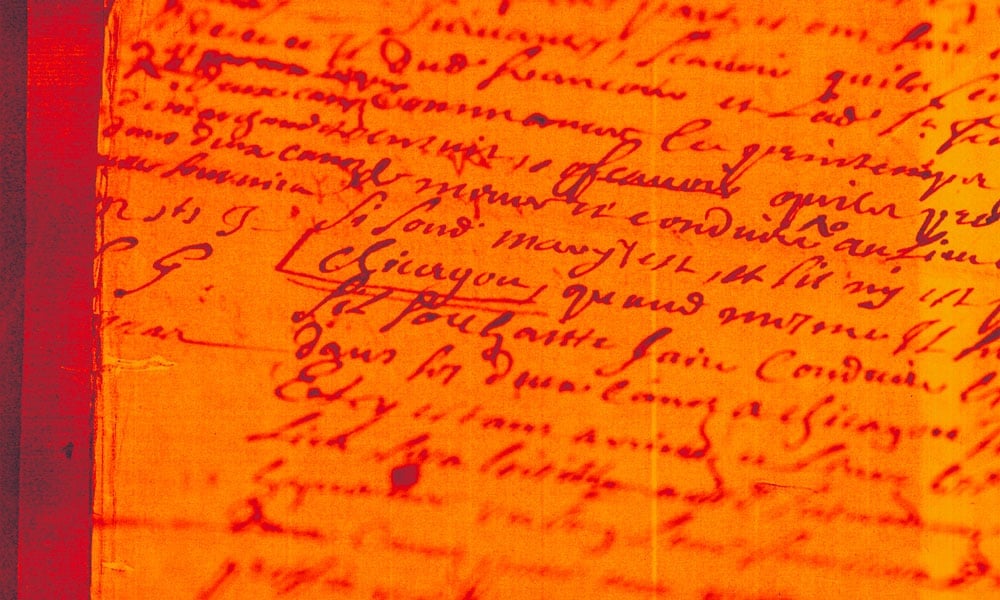
The phonetic transcription from the Algonquian “shikaakwa” to French spelling was not uniform across all early documents. Marquette’s 1673 journal references “Checagou,” while a 1679 map by Louis Hennepin uses “Chicagou.” Other variations, like “Chicagoue,” also appeared in various reports and maps throughout the late 17th and early 18th centuries. The “ou” ending, common in French transliterations of indigenous words, represented a sound similar to the “oo” in “moon.” Over time, as English-speaking settlers and traders began to arrive and interact with the region, the spelling gradually evolved. The French influence on the pronunciation and orthography was strong, but the Anglicization process slowly streamlined the name. By the early 19th century, particularly with the establishment of Fort Dearborn and the subsequent push for formal settlement, the spelling “Chicago” became standardized. This transition reflects the broader linguistic and cultural shifts occurring in the region as it moved from indigenous dominance to French influence, and finally to American governance, yet the core sound and meaning of the original Potawatomi word persisted.
The River’s Influence and Early Settlements
The name Chicago isn’t just a linguistic relic; it’s deeply tied to the geography of the area, particularly the role of the Chicago River. This unassuming waterway, flowing into Lake Michigan, was the ecological heart that fostered the “wild onions” and, more importantly, served as a crucial strategic point for millennia. Its natural advantages made the site irresistible for both indigenous communities and later European colonizers, directly influencing why the “place of the wild onion” would eventually become a major urban center. The river’s unique character and its connection to the vast inland water systems were instrumental in solidifying the name and the prominence of the locale.
The Chicago River as a Vital Artery
The Chicago River historically played a pivotal role as a natural corridor between the Great Lakes and the Mississippi River basin. Its gentle current and the low-lying portage to the Des Plaines River made it an ideal route for canoes and small boats, connecting vast trading networks. For indigenous peoples, the river provided sustenance, transportation, and fertile ground for various plants, including the “shikaakwa.” For French explorers and fur traders, this strategic link was invaluable for commerce and expansion, allowing them to traverse the continent’s interior. The area around the river’s mouth was not only abundant in wild leeks but also strategically located for defense and trade, making it a natural gathering point. Therefore, naming the area after its most distinctive natural feature – the profusion of wild onions along its banks – made perfect sense to both indigenous inhabitants and the early Europeans who learned from them. The river was, in essence, the lifeline that gave the name its geographic context and enduring significance.
Fort Dearborn and American Expansion
As the United States expanded westward, the strategic importance of the Chicago portage became even more pronounced. In 1803, the American government established Fort Dearborn near the mouth of the Chicago River. This military outpost was intended to protect American interests, assert sovereignty over the territory, and facilitate trade. The establishment of the fort was a crucial step in the formalization of the name. While the fort itself saw conflict during the War of 1812, its existence and subsequent rebuilding after the conflict solidified the name “Chicago” on American maps and in official records. The fort served as a nucleus for future settlement, attracting traders, settlers, and speculators to the promising location. With a permanent American presence, the varied French spellings of the previous century converged into the modern “Chicago,” laying the groundwork for the burgeoning town that would soon emerge from the marshlands.
Solidifying the Name: From Post to Metropolis
The transformation of “Checagou” from an indigenous place-name referring to wild onions along a river into the globally recognized name of Chicago, one of the United States’ largest and most influential cities, is a fascinating journey of linguistic evolution, historical events, and relentless development. The humble origins of its name are juxtaposed against its monumental rise, creating a narrative that speaks to the power of place and the indelible mark of nature. From a small outpost to a bustling urban center, the name remained constant, a testament to its deeply embedded roots in the region’s natural and cultural history.
Incorporation and Growth
Following the establishment of Fort Dearborn and the end of major conflicts with indigenous tribes in the area, the settlement around the fort began to grow rapidly. In 1833, the town of Chicago was officially incorporated, a pivotal moment that cemented its name and set it on a path of unprecedented expansion. The completion of the Illinois and Michigan Canal in 1848, which effectively connected the Great Lakes with the Mississippi River system, further propelled Chicago’s growth as a transportation and commercial hub. As railroads crisscrossed the nation, Chicago became the central artery of the American rail network, solidifying its status as a major city. Throughout this period of explosive growth, from a nascent town to a booming metropolis, the name “Chicago” remained unchanged, a constant identifier derived from its very soil. The rapid influx of diverse populations, while bringing new languages and cultures, adopted the established name, integrating it into the fabric of their new home.
The Ever-Present “Wild Onion” Legacy
Today, as visitors gaze upon the architectural marvels of downtown Chicago or explore its vibrant neighborhoods, the literal meaning of its name might seem distant from its modern image. Yet, the story of the “wild onion” is an integral part of the city’s identity, a subtle but profound connection to its origins. It serves as a reminder that beneath the concrete and steel, the land itself holds ancient stories. The name Chicago is more than just a label; it is a historical landmark in itself, encapsulating the ecological character of the area that drew the first inhabitants, the linguistic efforts of early explorers, and the eventual development into one of the world’s most recognizable cities. It is a testament to the enduring power of indigenous place-names and the rich history embedded in the landscapes we inhabit. The legacy of the “wild onion” persists, offering an insightful glimpse into how a place’s natural attributes can shape its destiny and its enduring appellation, inviting deeper exploration into the city’s multifaceted past.
LifeOutOfTheBox is a participant in the Amazon Services LLC Associates Program, an affiliate advertising program designed to provide a means for sites to earn advertising fees by advertising and linking to Amazon.com. Amazon, the Amazon logo, AmazonSupply, and the AmazonSupply logo are trademarks of Amazon.com, Inc. or its affiliates. As an Amazon Associate we earn affiliate commissions from qualifying purchases.