
California is not merely a state; it is a tapestry of climates, topographies, and micro-environments that confound simple classification. For the discerning tourist, understanding California’s diverse “garden zones” is key to unlocking its rich agricultural bounty, unique culinary experiences, and unparalleled natural beauty. These zones dictate what grows where, influencing everything from the varietals of wine produced to the local produce available at farmers’ markets, and even the indigenous flora encountered on a hike. Far from being a dry botanical classification, comprehending these zones offers a profound insight into the local culture, food, and activities that define a California visit.
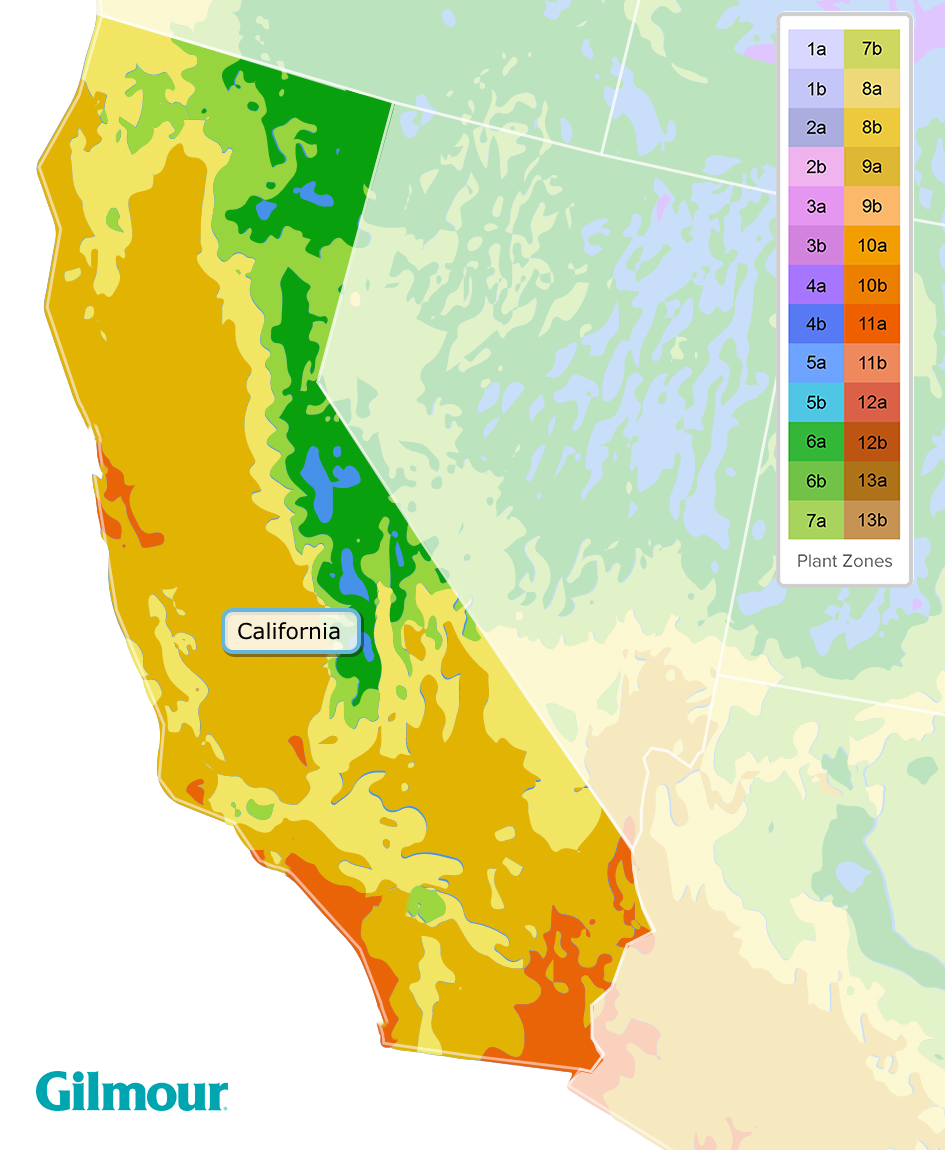
Decoding California’s Climatic Complexity
The vast geographical expanse of California, stretching over 800 miles from north to south and encompassing coastline, mountain ranges, valleys, and deserts, creates an incredibly varied climate. This diversity makes defining a single “garden zone” for the entire state impossible. Instead, California is home to a multitude of zones, each offering distinct opportunities for agricultural tourism and natural exploration.
The USDA Plant Hardiness Zones Explained
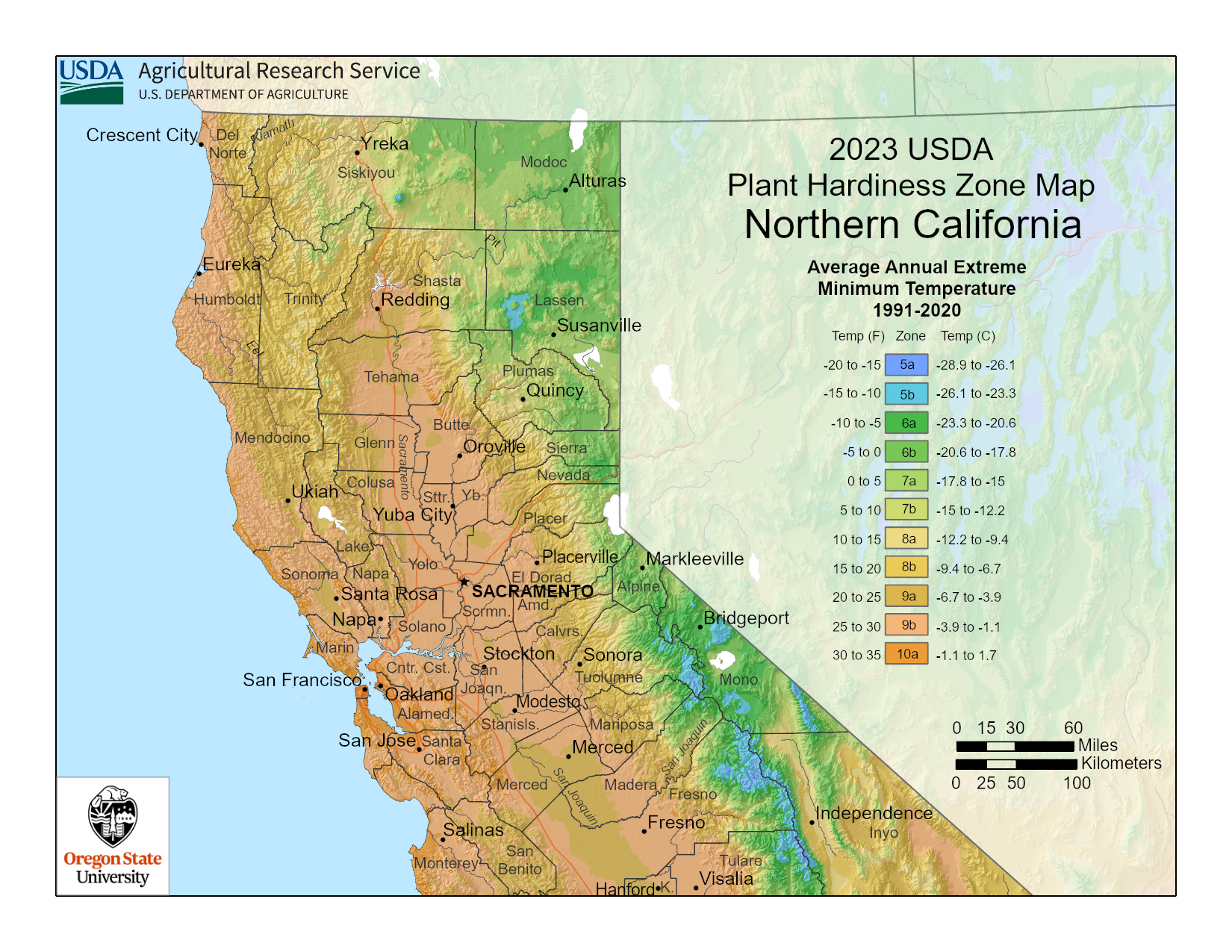
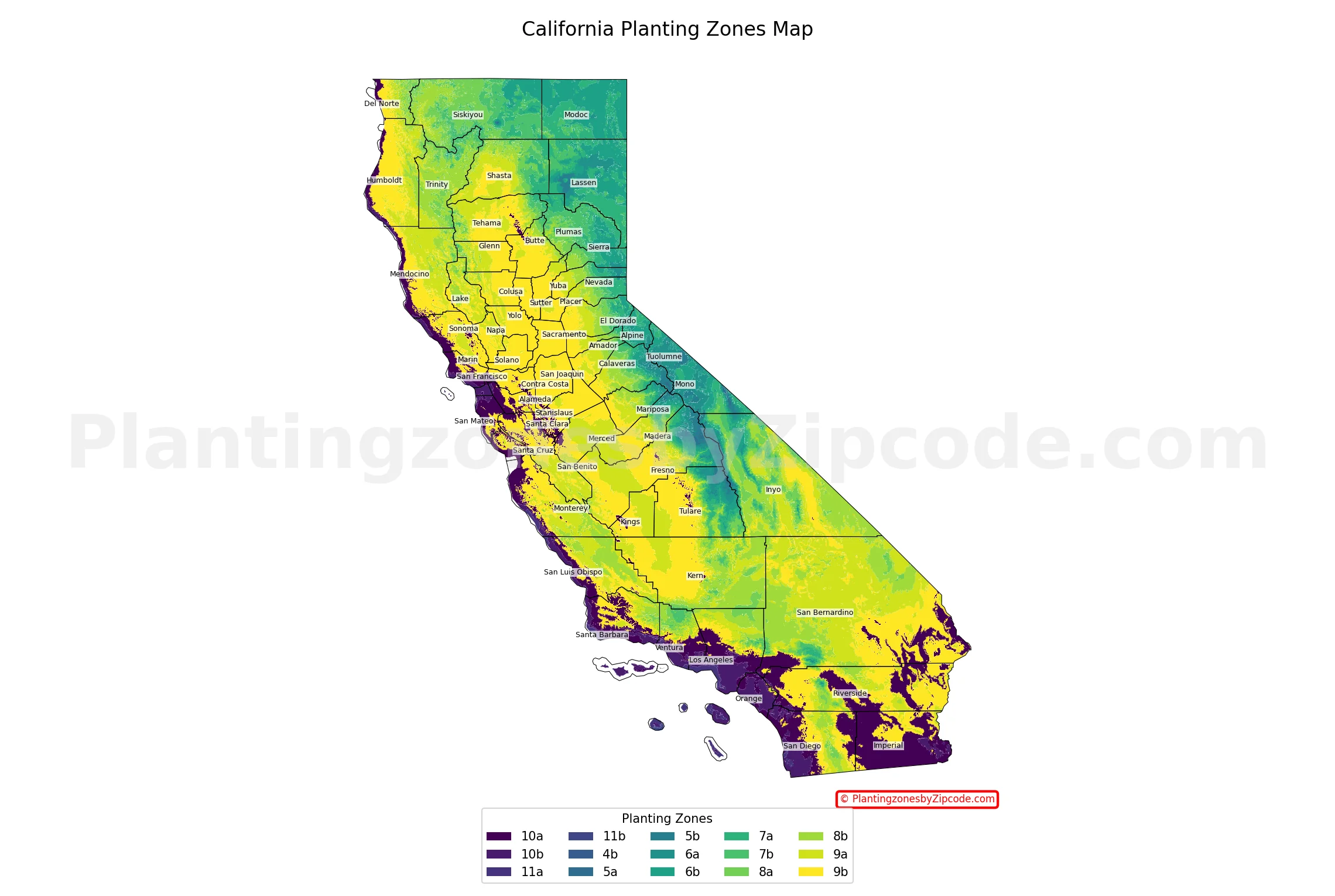
Globally, the most recognized system for categorizing plant hardiness is the USDA Plant Hardiness Zones. This system is based on the average annual extreme minimum winter temperature, dividing North America into 13 zones, each representing a 10°F range. Within California, these zones span from a frigid 4a (-30 to -25°F) in the high elevations of the Sierra Nevada mountains to a balmy 11a (40 to 45°F) along parts of the southern coast.
For tourists, these zones provide a basic understanding of what hardy plants can survive the winter in a particular region. For instance, knowing that much of coastal Southern California falls into zones 9b-11a explains the prevalence of palm trees, citrus groves, and other subtropical vegetation. Conversely, venturing into the eastern Sierra Nevada reveals a landscape dominated by pines and firs, characteristic of colder zones. While useful, the USDA Plant Hardiness Zones primarily focus on winter lows and don’t fully capture the nuances of California’s Mediterranean climate, which is heavily influenced by summer heat, humidity, and coastal proximity.
Sunset Climate Zones: A California-Specific Lens
To address the unique complexities of the Western United States, Sunset Magazine developed the Sunset Climate Zones system. This comprehensive approach considers a broader range of factors than the USDA system, including:
- Length of growing season: Crucial for annual crops and flowering plants.
- Summer highs: Impacts heat-sensitive plants and the need for irrigation.
- Winter lows: Similar to USDA, but considered alongside other factors.
- Coastal influence: Fog, humidity, and moderating temperatures from the Pacific Ocean.
- Desert heat and aridity: Unique challenges for plant life.
- Elevation: Affects temperature, sunlight, and precipitation.
- Wind patterns: Can cause desiccation or chill.
The Sunset Climate Zones divide California into over 20 distinct zones (from 1 to 24, with various sub-zones). For example, coastal areas like San Francisco (Sunset Zone 17) boast cool summers and mild winters, ideal for fuchsias and camellias, while the inland valleys around Sacramento (Sunset Zone 14) experience hotter summers and colder winters, favoring stone fruits and grapevines. Understanding these more granular zones helps tourists appreciate why specific agricultural products thrive in certain regions and guides their expectations for local flora.
Agricultural Tourism: From Vineyards to Citrus Groves
The diversity of California’s garden zones is the bedrock of its agricultural prowess, making it a prime destination for culinary and agricultural tourism. Visitors can immerse themselves in experiences directly tied to the land and its specific growing conditions.
Wine Regions and Their Zones
California’s world-renowned wine industry is a prime example of climate zone influence. Napa Valley and Sonoma County, often grouped as Northern California’s premier wine destinations, generally fall into Sunset Climate Zones 15, 16, and 17, with pockets of Zone 7 in the hills. These zones provide the perfect balance of warm, dry days for grape ripening and cool nights, often influenced by fog rolling in from the Pacific Ocean, which helps maintain grape acidity. This unique diurnal temperature variation is critical for producing complex Cabernet Sauvignon, Chardonnay, and Pinot Noir.
Further south, regions like Paso Robles (primarily Zone 18) experience hotter daytime temperatures and more extreme swings, leading to robust Zinfandels and Rhône varietals. Even within a single valley, slight changes in elevation or proximity to coastal breezes can create microclimates that favor different grape types, offering endless exploration for wine enthusiasts.
Central Valley – The Nation’s Salad Bowl
The expansive Central Valley of California, stretching over 400 miles from Bakersfield in the south to Sacramento in the north, encompasses Sunset Climate Zones 8, 9, 14, and 15. This region, characterized by fertile soils and long, hot summers, is an agricultural powerhouse. It’s often referred to as “the nation’s salad bowl” and “fruit basket” due to its incredible output of nuts (almonds, walnuts), fruits (peaches, plums, oranges, grapes), vegetables (tomatoes, lettuce), and cotton.
Tourists visiting cities like Fresno or Modesto can explore farm stands, participate in harvest festivals, or even take tours of working farms to understand the scale and innovation of California’s agriculture. The ability to grow such a diverse range of crops is a direct testament to the consistent summer heat and ample irrigation made possible by mountain runoff.
Coastal Farms and Farmers’ Markets
Along California’s temperate coast (zones 17 and 24), a different kind of agriculture thrives, heavily influenced by cool ocean breezes and fog. Here, you’ll find an abundance of cool-season crops such as artichokes (especially around Castroville), Brussels sprouts, strawberries, and various leafy greens.
Visiting a local farmers’ market in cities like Santa Barbara, Monterey, or San Diego offers a vibrant snapshot of the regional garden zones. Tourists can directly interact with growers, sampling produce picked just hours before and gaining an appreciation for the specific conditions that allow these foods to flourish. These markets are a cornerstone of local culture, providing fresh, seasonal ingredients that define the state’s healthy culinary scene.
Experiencing California’s Flora: Botanical Gardens and Nature Trails
Beyond agriculture, California’s diverse garden zones are showcased in its breathtaking natural landscapes and meticulously curated botanical gardens, offering unique recreational and educational activities for tourists.
Desert Botanicals in Southern California
Inland Southern California, particularly areas bordering the Mojave Desert and Colorado Desert (Sunset Zones 10, 11, 13, and 18), is home to an extraordinary array of drought-tolerant plants. Destinations like Palm Springs and Joshua Tree National Park provide immersive experiences with desert flora, from the iconic Joshua trees and saguaro cacti to vibrant desert wildflowers that bloom spectacularly after rare rains.
Botanical gardens such as the Living Desert Zoo and Gardens near Palm Desert specialize in showcasing these resilient plants, offering guided tours and educational programs that highlight adaptation to extreme heat and aridity. Exploring these unique ecosystems offers a profound understanding of life’s resilience in challenging garden zones. Even Death Valley, despite its name, experiences bursts of life, especially in cooler months.
Redwoods and Coastal Forests in Northern California
Moving north along the coast to regions like Mendocino and Humboldt Counties (Sunset Climate Zones 16, 17), tourists encounter an entirely different arboreal landscape. The cool, foggy, and moist conditions of these zones are ideal for the towering California Redwood (Sequoia sempervirens). Visiting Redwood National Park or strolling through groves in Muir Woods National Monument allows travelers to experience these ancient, majestic trees that thrive in such specific climatic conditions.
The Pacific Ocean’s influence extends inland, nurturing lush fern forests and unique undergrowth. These coastal zones also support diverse marine life, creating integrated ecosystems where forests meet the sea, as seen along the stunning coastline of Big Sur (Zone 17).
Mediterranean Climate Gardens
Much of coastal California, particularly around Los Angeles (Sunset Zones 20-24) and San Diego (Sunset Zones 24), mirrors the Mediterranean climate, characterized by warm, dry summers and mild, wet winters. This allows for a spectacular array of ornamental plants, including olives, lavender, rosemary, and citrus.
World-class botanical gardens like the Huntington Library, Art Museum, and Botanical Gardens in San Marino or Balboa Park’s gardens in San Diego masterfully showcase plants from various zones and global Mediterranean regions. They offer visitors a chance to see how plants from similar climates worldwide can thrive in California, celebrating the state’s unique horticultural compatibility.
Culinary Tourism: Savoring Local Produce
For the foodie traveler, understanding California’s garden zones is paramount to a truly authentic culinary experience. The farm-to-table movement is deeply ingrained in California culture, driven by the sheer variety and quality of locally grown ingredients.
Farm-to-Table Experiences
Restaurants across California, particularly in major culinary hubs like Los Angeles, San Francisco, and Healdsburg, pride themselves on sourcing ingredients directly from local farms. Chefs often forge relationships with specific growers in different climate zones to ensure the freshest and most unique seasonal produce.
Tourists can seek out restaurants that explicitly highlight their farm sources, often listing them on menus. This provides an edible journey through California’s garden zones, from the coastal artichokes to the Central Valley’s stone fruits and the desert’s dates. Engaging with this aspect of California’s tourism enriches the dining experience, connecting taste with the land.
Seasonal Delicacies by Zone
Each garden zone contributes its unique seasonal delicacies. In spring, coastal zones yield abundant strawberries and asparagus, while later in the summer, the Central Valley bursts with ripe tomatoes, peaches, and melons. Autumn brings a bounty of apples from cooler zones and pomegranates from hotter ones. Winter in California often means citrus season, with oranges, mandarins, and grapefruits flourishing in warmer zones.
Understanding these seasonal rhythms, dictated by the various climate zones, allows tourists to plan their visits around specific harvests and experience California’s freshest offerings. A visit to a roadside fruit stand or a U-pick farm based on the local zone’s specialty provides an authentic and delicious engagement with the state’s agricultural heritage.
In conclusion, California’s identity as a collection of diverse garden zones is not just for gardeners but for every tourist seeking to delve deeper into its culture, cuisine, and natural wonders. From the grapes in its world-class vineyards to the bounty on its farm-to-table menus and the breathtaking beauty of its native flora, these zones are the invisible threads weaving together the rich tapestry of the Golden State.
LifeOutOfTheBox is a participant in the Amazon Services LLC Associates Program, an affiliate advertising program designed to provide a means for sites to earn advertising fees by advertising and linking to Amazon.com. Amazon, the Amazon logo, AmazonSupply, and the AmazonSupply logo are trademarks of Amazon.com, Inc. or its affiliates. As an Amazon Associate we earn affiliate commissions from qualifying purchases.