
The California Condor is a majestic and critically endangered bird, a true natural landmark of the North American skies. Its immense wingspan and ancient lineage evoke a profound sense of wilderness and conservation success. Understanding where these magnificent creatures live is key to appreciating their remarkable recovery and the unique natural landscapes that host them. These habitats are not merely territories; they are iconic natural landmarks, each with a distinct ecological profile crucial to the condor’s survival and resurgence.
A Legacy of the Wild: Understanding the California Condor’s Domain
For millennia, the California Condor reigned supreme across a vast sweep of Western North America. Its historical range paints a picture of a magnificent scavenger adapting to diverse, expansive environments. However, human impact drastically reduced their numbers, pushing them to the brink of extinction. Today, the condor’s habitat is a testament to dedicated conservation efforts, meticulously chosen and managed landmarks that offer the specific conditions these giant birds require to thrive.
The Historical Range: From Coast to Desert
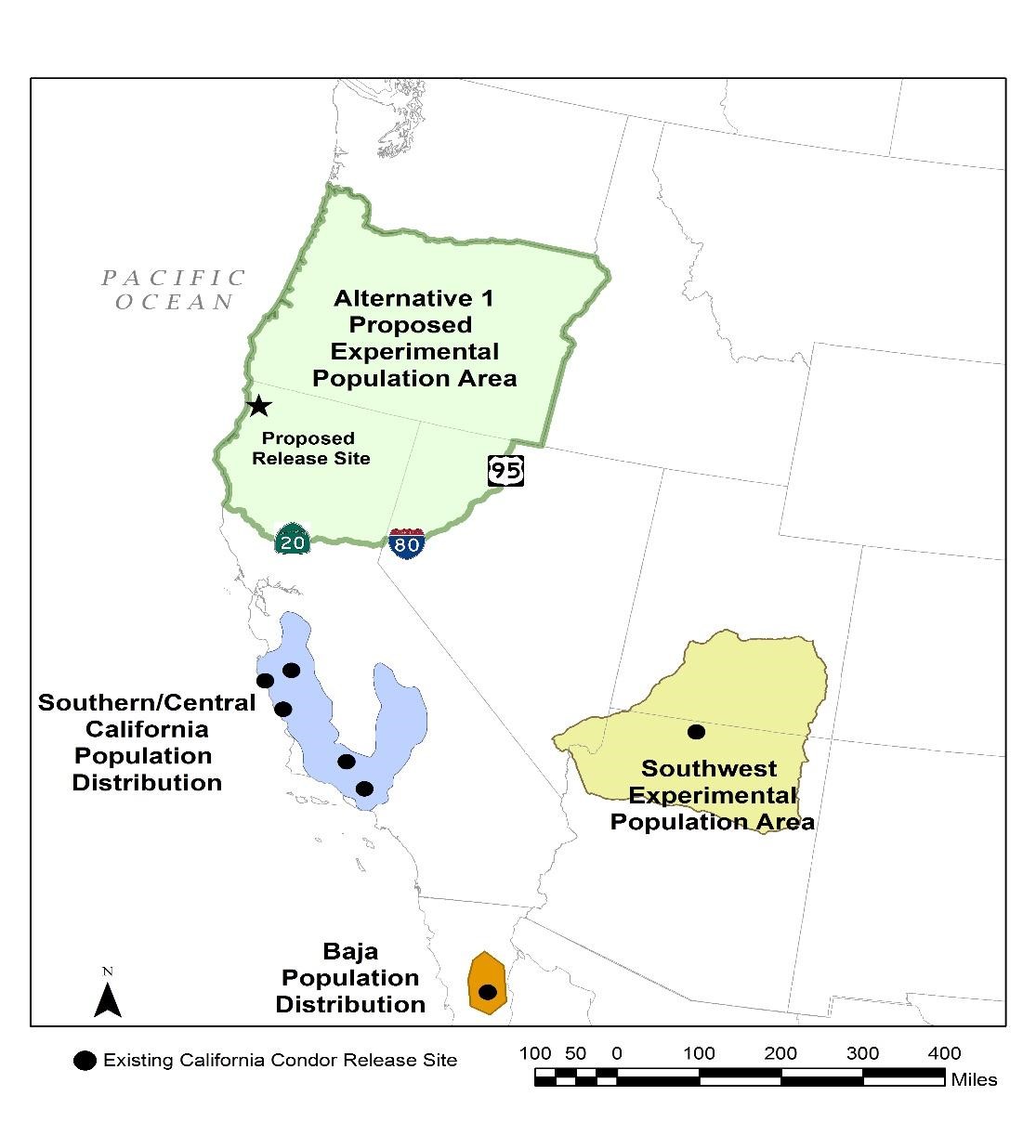
Historically, the California Condor’s domain stretched from British Columbia down through California and Baja California, extending eastward into Arizona, Utah, Nevada, New Mexico, and even into Texas and Florida during glacial periods. This incredible reach indicates their adaptability to various rugged terrains, from coastal mountains to vast desert canyons. These landscapes, then untamed and sparsely populated by humans, provided abundant carrion and undisturbed roosting and nesting sites. The sheer scale of their ancestral territory highlights the vastness of the natural landmarks they once commanded, which included dramatic mountain ranges, deep river gorges, and expansive wilderness areas that were ecological powerhouses.
The Brink of Extinction: A Call for Protected Sanctuaries
By the mid-20th century, the California Condor population had plummeted, primarily due to lead poisoning, habitat loss, and DDT contamination. By 1987, all remaining wild condors were captured to initiate a desperate but ultimately successful captive breeding program. This pivotal moment underscored the critical need for designated, protected natural landmarks where condors could be reintroduced safely. These chosen sites needed to be not only ecologically suitable but also geographically isolated enough to minimize human disturbance and offer opportunities for intensive monitoring and management. The selection of these sites became a cornerstone of the recovery program, transforming certain wilderness areas into living laboratories and sanctuaries.
Modern Strongholds: Key Reintroduction Sites and Their Habitats
Today, wild California Condors inhabit several key reintroduction areas, each representing a crucial natural landmark in their ongoing recovery. These sites are strategically chosen for their rugged terrain, sparse human population, and the availability of suitable food sources.
Southern California’s Mountainous Havens
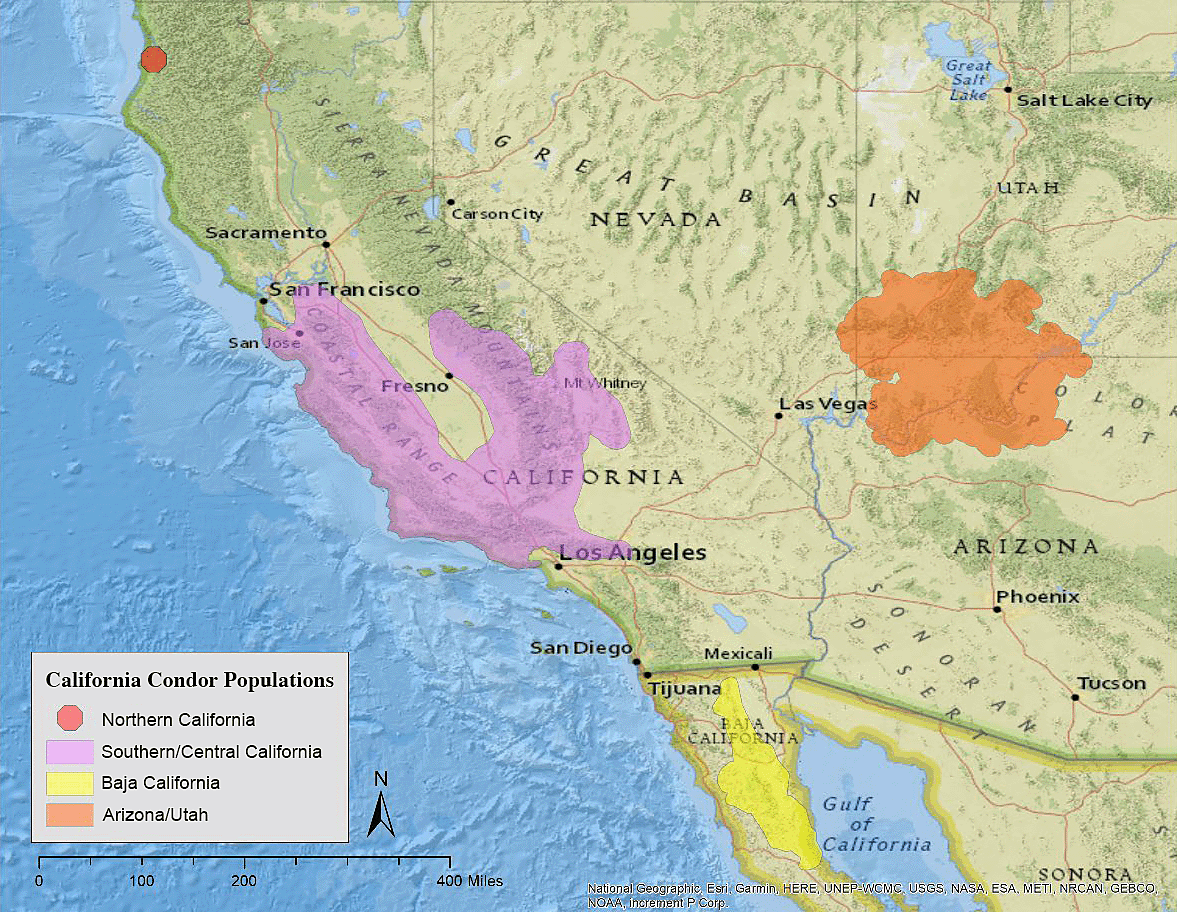
In Southern California, the condor recovery program has established a stronghold within the vast expanse of the Los Padres National Forest. This includes specific critical natural landmarks such as the Sespe Condor Sanctuary and the Hopper Mountain National Wildlife Refuge. These areas are characterized by steep, chaparral-covered mountains, deep canyons, and remote wilderness. The rugged topography provides inaccessible cliff ledges for nesting and roosting, while the prevailing winds create ideal thermal updrafts for their colossal wingspans, allowing them to soar effortlessly in search of food. The relative isolation of these mountainous landmarks is vital for minimizing human interaction and ensuring undisturbed breeding cycles. The area spans Ventura, Santa Barbara, Kern, and San Luis Obispo counties, offering a mosaic of landscapes crucial for foraging.
Central California’s Coastal and Inland Expanse
Further north, Central California hosts another thriving condor population, primarily centered around Pinnacles National Park and the Ventana Wilderness within the Los Padres National Forest along the Big Sur coast. Pinnacles National Park is an iconic geological landmark, famous for its dramatic rock spires, caves, and talus passages, providing excellent remote nesting and roosting sites. The condors here often range widely, utilizing the expansive coastal mountains, oak woodlands, and open grasslands, frequently observed soaring over the majestic Big Sur coastline. The proximity to the ocean and the varied inland ecosystems provide a diverse array of carrion sources, from marine mammals washed ashore to deer and cattle in ranching areas. This region’s rugged beauty and protected status make it an ideal natural landmark for these birds.
The Grand Canyon Region: A Desert Oasis
Perhaps one of the most spectacular natural landmarks where California Condors can be found is the Grand Canyon and surrounding areas of Arizona and Utah. The reintroduction efforts in the Southwest have focused on the Vermilion Cliffs National Monument, a remote and stunning landscape of colorful sandstone cliffs, plateaus, and canyons. From here, condors regularly traverse the skies over Grand Canyon National Park, Zion National Park, and Bryce Canyon National Park. The immense thermal updrafts generated by the desert sun on the canyon walls are perfect for condor flight. These vast, protected areas are replete with carrion from desert bighorn sheep, deer, and other large mammals, providing essential sustenance. The dramatic geological formations serve not only as flight corridors but also as secluded nesting and roosting sites, making the entire Grand Canyon ecosystem a monumental natural landmark for condor survival.
Baja California: A Cross-Border Collaboration
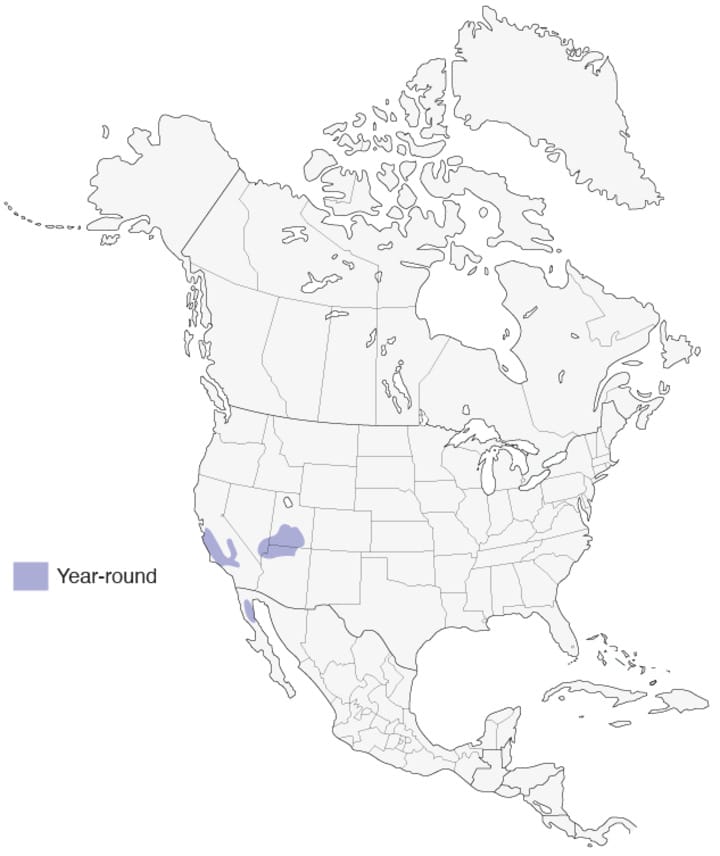
The California Condor’s return is also a story of international collaboration. In Baja California, Mexico, a population has been established within the Sierra de San Pedro Mártir National Park. This high-altitude mountainous landmark, characterized by pine forests and granite peaks, provides a vital southern extension to the species’ range. The rugged, undeveloped nature of the Sierra de San Pedro Mártir offers the isolation and pristine habitat necessary for a robust condor population to thrive. This reintroduction site is a testament to the global recognition of the condor as a shared natural heritage and the importance of cross-border conservation of significant ecological landmarks.
Characteristics of Condor Habitats: What Makes a Home?
Regardless of their specific location, all condor habitats share fundamental characteristics that make these natural landmarks ideal for their survival. These features are critical in defining “condor country.”
Rugged Terrain and Thermal Updrafts
Condors are master gliders, relying heavily on thermals and updrafts to stay aloft without expending much energy. Their habitats, therefore, invariably feature rugged, mountainous terrain, deep canyons, or coastal cliffs where air currents are predictable and strong. These geographical features act as natural flight highways, allowing condors to cover vast distances – sometimes over 100 miles a day – in search of food. The dramatic elevations and topographical variations of places like the Grand Canyon, Pinnacles National Park, and the Sierra de San Pedro Mártir are not merely scenic; they are functional natural landmarks essential for the condor’s unique mode of locomotion.
Abundant Food Sources: Scavenging Grounds
As obligate scavengers, condors require access to large carcasses. Their primary diet consists of deer, elk, bighorn sheep, cattle, and, along the coast, marine mammals. Therefore, their habitats are typically natural landmarks with healthy populations of large native herbivores or managed ranchlands where domestic animals provide supplemental carrion. Areas like the Grand Canyon and Los Padres National Forest support diverse ecosystems with ample prey, ensuring a consistent food supply for the condors. The availability of unpoisoned carrion is perhaps the single most critical factor for their long-term survival in any given landmark.
Remote Nesting and Roosting Sites
Condors are highly sensitive to disturbance, especially during nesting. They prefer remote, inaccessible caves, cliff ledges, or large tree cavities for nesting. These secluded spots provide safety from predators and human interference. The rugged wilderness of the Sespe Condor Sanctuary, the deep gorges of the Grand Canyon, and the rock formations of Pinnacles National Park all offer an abundance of such hidden natural landmarks. Similarly, they require safe, elevated roosting sites, often on dead snags or high cliff faces, to survey their territory and protect themselves overnight.
Experiencing Condor Country: Respectful Engagement with Natural Landmarks
For those hoping to witness the awe-inspiring sight of a California Condor in the wild, visiting their established habitats offers the best chance. However, it is crucial to approach these natural landmarks with respect and a deep understanding of their conservation significance.
Viewing Opportunities and Conservation Efforts
While condors range widely, certain viewing areas within their core habitats offer opportunities for observation. In Grand Canyon National Park, especially near Mather Point or Bright Angel Lodge on the South Rim, condors can often be seen soaring. The Vermilion Cliffs National Monument is also a known hotspot, particularly around release sites, though access to some areas is restricted. In California, Pinnacles National Park provides excellent chances, especially along high trails. Visitors to these natural landmarks are encouraged to maintain a respectful distance, use binoculars, and never attempt to feed or disturb the birds. Every sighting is a reminder of the monumental effort to save this species and the value of protecting its designated landmark habitats.
The Role of Designated Wilderness Areas
The ongoing success of the California Condor recovery program is inextricably linked to the protection of vast, undisturbed wilderness areas. Places like the Ventana Wilderness, Sespe Condor Sanctuary, and the remote sections of Los Padres National Forest are more than just land; they are vital natural landmarks, preserving the solitude and ecological integrity necessary for the condor’s continued resurgence. These areas highlight the critical role that large, interconnected wilderness landscapes play in biodiversity conservation. By protecting these monumental natural spaces, we ensure that the California Condor will continue to grace our skies, a living emblem of the wild beauty found within our most cherished natural landmarks.
LifeOutOfTheBox is a participant in the Amazon Services LLC Associates Program, an affiliate advertising program designed to provide a means for sites to earn advertising fees by advertising and linking to Amazon.com. Amazon, the Amazon logo, AmazonSupply, and the AmazonSupply logo are trademarks of Amazon.com, Inc. or its affiliates. As an Amazon Associate we earn affiliate commissions from qualifying purchases.