
The Mississippi River, a name that evokes images of boundless American landscapes, steamboats gliding through the water, and the very pulse of a nation, is more than just a geographical feature. It’s a lifeline, a historical artery, and a natural wonder that stretches across a significant portion of the United States. For many, the sheer scale of this iconic river is awe-inspiring, sparking a fundamental question: Where does the Mississippi River truly begin and end? The answer, while seemingly straightforward, unveils a fascinating journey through diverse ecosystems, historical significance, and the very essence of American geography.

The Genesis: Tracing the Headwaters
The journey of the mighty Mississippi River commences not with a grand waterfall or a vast lake, but with a humble, almost shy, beginning. Its official headwaters are located in Minnesota, specifically within the boundaries of Itasca State Park. Here, at an elevation of approximately 1,475 feet above sea level, lies Lake Itasca. This picturesque, relatively small lake is recognized as the source from which the Mississippi River first emerges.
The initial flow from Lake Itasca is a gentle trickle, a far cry from the powerful, wide waterway it will become. Early explorers and pioneers marveled at this unassuming origin, recognizing the potential for a river system that would eventually shape the destiny of a continent. The very first steps of the Mississippi River are a testament to the power of accumulation and the transformative journey that water undertakes over thousands of miles.
Within Itasca State Park, visitors can experience the very beginning of this epic river. A designated spot allows people to walk across the nascent Mississippi River by stepping on rocks, a symbolic gesture of crossing the continent’s longest river at its very start. This experience is particularly popular for families and offers a tangible connection to the natural history of the United States. The surrounding landscape of Itasca State Park is characterized by forests, bogs, and numerous smaller lakes, all contributing to the watershed that feeds the Mississippi River. It’s a tranquil setting that belies the immense force the river will gather as it journeys southward.
The headwaters are not a single, static point but rather a complex system of tributaries and smaller bodies of water that converge to form the initial flow. However, Lake Itasca is universally acknowledged as the primary source. The clarity of the water at this beginning offers a stark contrast to the often muddy, sediment-laden waters of the Mississippi River further downstream, a visual indicator of the geological processes and the vast landscapes it traverses.
The Wilderness of the Upper Mississippi
From its unassuming start, the Mississippi River embarks on its northward stretch, flowing through the pristine wilderness of northern Minnesota. This early section is characterized by its natural beauty, dotted with smaller lakes and dense forests. It’s a region where the river is still finding its footing, meandering through undeveloped landscapes. This part of the river’s journey is less about grand human-made landmarks and more about the raw, untamed power of nature.
The Upper Mississippi River region offers a unique travel experience for those seeking solitude and immersion in nature. Kayaking, canoeing, and fishing are popular activities here, allowing visitors to connect with the river in its most pristine state. The biodiversity of this area is significant, with numerous species of fish, birds, and mammals relying on the river and its surrounding wetlands for survival. The Upper Mississippi River National Wildlife and Fish Refuge is a prime example of the conservation efforts dedicated to preserving this vital ecosystem. This refuge stretches for over 260 miles along the river, encompassing critical habitats and providing a sanctuary for wildlife.
The geological formations in this region also tell a story of ancient ice ages and the shaping of the land by glaciers. The river’s path has been influenced by these powerful forces, creating a varied topography that contributes to the river’s character. Exploring this section of the Mississippi River provides an intimate understanding of its origins and the natural processes that have guided its course. It’s a journey that emphasizes ecological preservation and the importance of maintaining these wild spaces.
The Grand Descent: Navigating the Main Channel
As the Mississippi River flows south, it grows in stature and significance. It gradually widens, its current strengthens, and it begins to embrace the role of a major artery of commerce and transportation. The landscapes along its banks transform from the boreal forests of the north to the rolling hills and fertile plains of the Midwest. This is the Mississippi River as many envision it: a powerful, wide river carrying barges and boats, a vital conduit for goods and a symbol of American industrial might.
The journey through the Upper Midwest sees the river pass through or near several significant cities, each contributing to its story. Minneapolis and St. Paul in Minnesota are the first major metropolitan areas the river encounters. Here, the river is still relatively narrow but begins to show its potential for urban development and industry. Further south, the river forms the border between Wisconsin and Minnesota, then between Iowa and Illinois, and finally between Illinois and Missouri.

The Heart of America: The Middle Mississippi
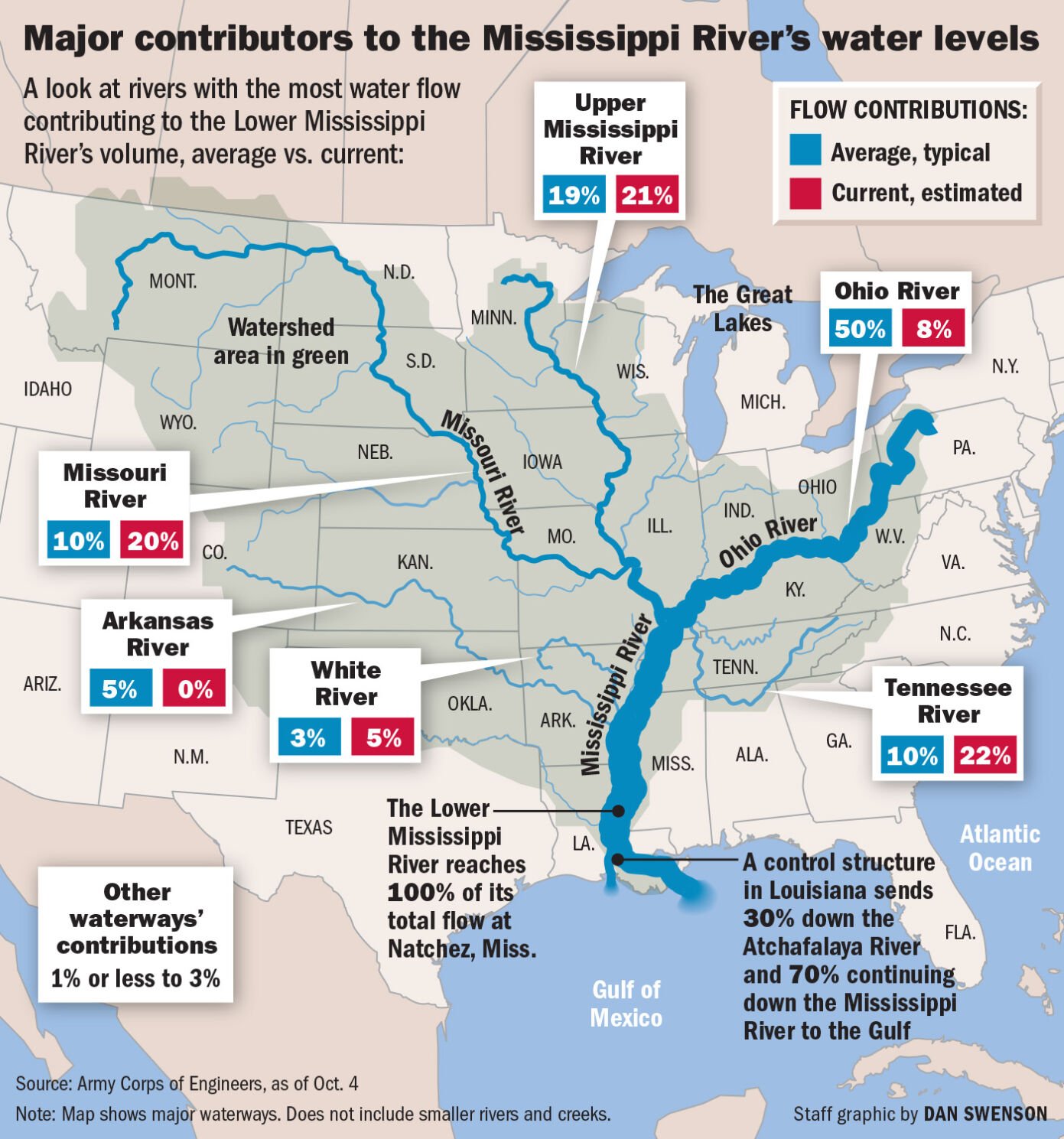
The Middle Mississippi River is where the river truly enters its majestic phase. It’s here that the river widens considerably, and the iconic bluffs of the Midwest begin to appear, creating dramatic and scenic vistas. The confluence with the Missouri River, the longest river in North America, near St. Louis, Missouri, is a pivotal moment in the Mississippi River’s journey. The Missouri River brings a massive volume of water and sediment, significantly increasing the Mississippi’s size and power. This confluence is a breathtaking spectacle, a meeting of two colossal waterways that together form an even more formidable force.
The city of St. Louis itself is a landmark destination along the Mississippi River. The Gateway Arch, a towering monument symbolizing America’s westward expansion, stands proudly on the riverfront, offering panoramic views of the city and the vast river below. Exploring St. Louis offers a chance to delve into the history of the river’s role in exploration and settlement. Museums and historical sites dedicated to the Lewis and Clark Expedition and the era of steamboat travel abound, providing a rich understanding of the river’s past.
The Middle Mississippi River is also a hub for tourism and recreation. Riverboat cruises are a popular way to experience the grandeur of the river, offering a glimpse into the romantic era of steamboat travel. Cities like Hannibal, Missouri, the boyhood home of author Mark Twain, further cement the river’s cultural significance, having been immortalized in his classic novels. The fertile lands along the Middle Mississippi River are crucial for agriculture, contributing to the economic backbone of the region.
The Living Landscape: Ecosystems and Biodiversity
The Mississippi River is not just a channel for water; it’s a dynamic ecosystem supporting an incredible array of life. From the smallest microorganisms to large mammals, the river and its surrounding wetlands are a vital habitat. The Upper Mississippi River National Wildlife and Fish Refuge is a testament to this biodiversity, providing crucial breeding grounds and migratory pathways for countless species. Birdwatchers flock to this region, especially during the spring and fall migrations, to witness the incredible spectacle of thousands of birds traversing the continent.
The fish populations within the Mississippi River are diverse, supporting both commercial and recreational fishing industries. Species like catfish, bass, and paddlefish are common, each playing a role in the river’s complex food web. The health of these fish populations is a direct indicator of the river’s overall health, making conservation efforts particularly important.
The river’s floodplains and backwaters are essential for maintaining water quality and providing essential habitats for a variety of wildlife. These areas act as natural filters, removing pollutants and sediment from the water. They also serve as nurseries for many aquatic species and provide critical feeding grounds for waterfowl and other migratory birds. Understanding the ecological importance of these natural features is key to appreciating the Mississippi River in its entirety.
The Final Frontier: Reaching the Gulf
The Mississippi River’s grand journey culminates in the Gulf of Mexico. After traversing over 2,300 miles, the river empties its waters into the vast expanse of the ocean, forming a massive delta. This is the end of the river’s continental journey, a point where fresh water meets salt water, and a new ecosystem is created.
The Deltaic Symphony: A Landscape of Change
The Mississippi River Delta is a unique and dynamic region. It’s a landscape constantly being shaped by the deposition of sediment carried by the river. This process of delta formation has been ongoing for thousands of years, creating a vast wetland ecosystem that is incredibly rich in biodiversity. The Louisiana coastline is largely a product of the Mississippi River’s ongoing work, a testament to its power to sculpt the land.
The Mississippi River Delta is a critical habitat for numerous species, including migratory birds, fish, and marine mammals. The wetlands serve as important breeding grounds and nurseries for many commercially important fish and shellfish. The Gulf of Mexico itself is a vast body of water, supporting a diverse marine life that benefits from the nutrients and fresh water supplied by the Mississippi River.
Exploring the Mississippi River Delta offers a different perspective on the river’s end. It’s a region of bayous, marshes, and coastal communities, each with its unique culture and traditions shaped by the river and the sea. Boat tours through the delta provide an intimate encounter with this fragile yet vital ecosystem. Understanding the challenges facing the delta, such as land loss and rising sea levels, is also crucial to appreciating its importance and the need for its preservation.
The Mississippi River’s “end” is not a single point but a complex and ever-changing deltaic system. As the river discharges its water and sediment into the Gulf of Mexico, it contributes to the continuous process of land formation and erosion. This constant interplay between the river and the sea defines the final frontier of this iconic waterway. The journey from the humble springs of Minnesota to the vast waters of the Gulf of Mexico is a remarkable odyssey, a testament to the enduring power and significance of the Mississippi River.
LifeOutOfTheBox is a participant in the Amazon Services LLC Associates Program, an affiliate advertising program designed to provide a means for sites to earn advertising fees by advertising and linking to Amazon.com. Amazon, the Amazon logo, AmazonSupply, and the AmazonSupply logo are trademarks of Amazon.com, Inc. or its affiliates. As an Amazon Associate we earn affiliate commissions from qualifying purchases.