
The Colorado River is more than a waterway; it’s the very lifeblood of the American West, carving through spectacular landscapes and sustaining millions. From its pristine alpine origins to its often-elusive endpoint, its journey is a saga of natural grandeur, human ingenuity, and modern environmental challenges. For travelers, adventurers, and those seeking the pulse of the desert, tracing its path offers an unparalleled exploration. Yet, for a river so monumental, its ultimate destination often comes as a surprise, revealing the immense pressures on its waters. So, where does this legendary river truly end?
The Grand Odyssey Begins: From Peaks to Plateaus
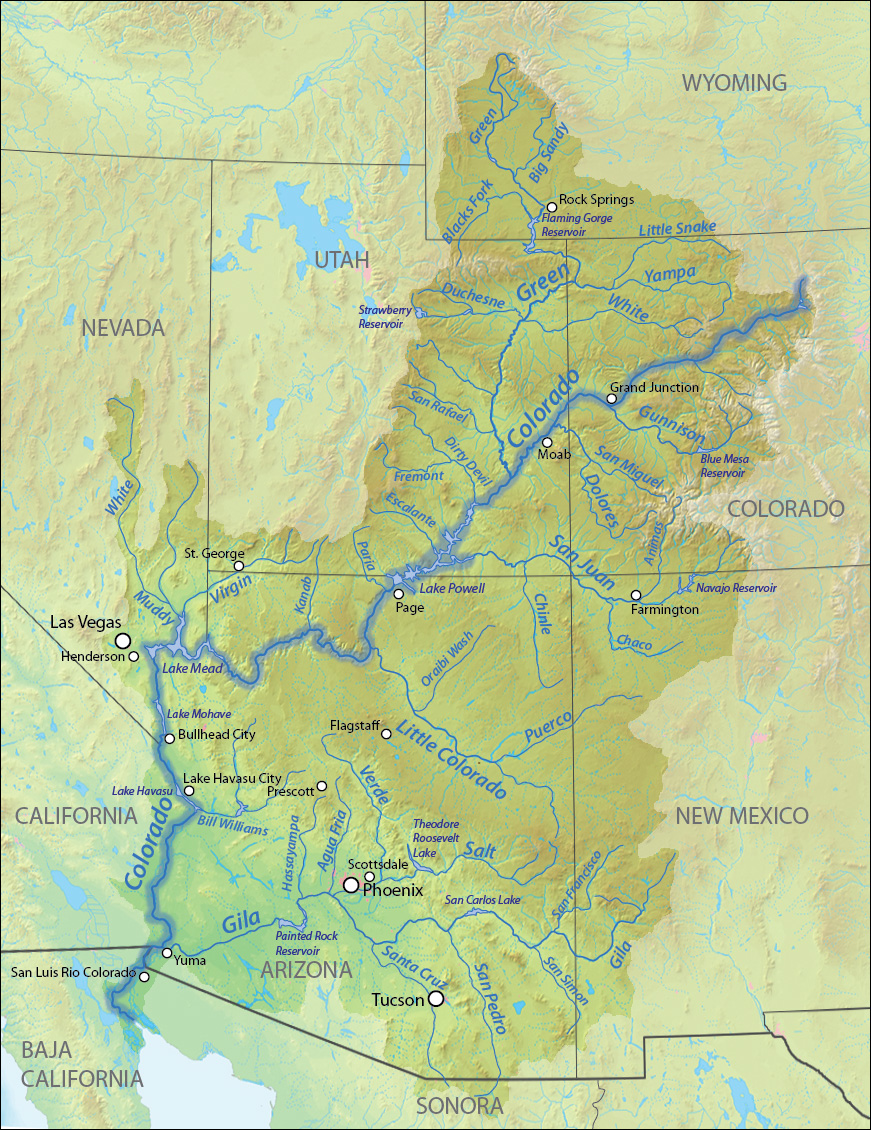
The Colorado River’s epic journey commences high in the Rocky Mountains of Colorado, a nascent stream fed by melting snow. It then embarks on a spectacular 1,450-mile (2,330-kilometer) odyssey, traversing seven U.S. states and two Mexican states. Along its path, it flows through diverse terrains, from lush mountain valleys to arid deserts, transforming landscapes with its relentless power and creating some of the most famous landmarks in North America.
Carving Through the American West’s Iconic Landscapes
The river’s passage through the American Southwest is a masterclass in geological artistry. It profoundly shapes the very fabric of states like Utah, Arizona, Nevada, and California, each offering unique perspectives on its grandeur.
In its namesake state, the river initially flows through scenic valleys, attracting fly-fishing enthusiasts and rafters to towns such as Glenwood Springs. As it enters Utah, it begins interacting with iconic red rock formations near Moab, carving stunning canyons that define Arches National Park and Canyonlands National Park. This vibrant landscape draws hikers and river runners globally.
Perhaps its most iconic stretch is through Arizona, where it dramatically sculpts the Grand Canyon. This immense chasm, a UNESCO World Heritage Site, offers legendary whitewater rafting trips and breathtaking views from points like Mather Point. Moving westward, the river encounters humanity’s ambitious attempts to harness its power. The monumental Hoover Dam impounds the river to create Lake Mead, one of North America’s largest reservoirs, providing power and water for Las Vegas and Phoenix. Further upstream, Glen Canyon Dam forms Lake Powell, a colossal reservoir popular for boating and watersports amidst stunning canyon scenery near Page. These engineering marvels, while vital, profoundly alter the river’s natural flow and character.
The Elusive End: A Delta Thirsty for Water
Historically, the Colorado River flowed freely into the Gulf of California (or Sea of Cortez) in Mexico, nourishing a vast, vibrant delta ecosystem. This delta, once a teeming wetland supporting diverse flora and fauna, was a marvel of biodiversity. Today, the reality is starkly different. The modern river rarely reaches the sea in its natural state, a consequence of the immense pressures placed upon its waters.
The Profound Impact of Human Intervention
The insatiable demand for water in the arid Southwest has dramatically reshaped the river’s natural course and ultimate fate. The collective effect of numerous dams, diversions, and extensive agricultural withdrawals means the Colorado River is often completely consumed before it can complete its journey to the ocean.
A vast portion of the river’s water is diverted for irrigation, transforming arid lands into productive agricultural regions like the Imperial Valley in California and the Yuma region in Arizona. These diversions, crucial for the nation’s food supply, extract immense volumes. Simultaneously, thriving metropolises such as Los Angeles, San Diego, Las Vegas, and Phoenix depend on the river for their municipal water. Aqueducts, some hundreds of miles long, transport this precious resource, enabling the growth of these desert cities. Furthermore, colossal dams like Hoover Dam generate substantial hydroelectric power, providing clean energy to millions. While vital, these operations regulate the river’s flow, preventing it from behaving naturally.
Consequently, by the time the Colorado River crosses into Mexico, it is often reduced to a mere trickle or is entirely dry. The once-flourishing delta, spanning parts of Baja California and Sonora, is now largely an arid expanse, a somber testament to its former ecological glory.

Experiencing the Colorado River: A Traveler’s Guide to Adventure and Exploration
Despite its complex endpoint, the Colorado River remains an unparalleled destination for travel and adventure. Its various sections offer a multitude of experiences, catering to different interests, from adrenaline-pumping excursions to tranquil scenic drives, aligning perfectly with a diverse lifestyle of exploration.
Thrilling Adventures and Immersive Experiences
For the active traveler, the river is an endless playground. Whitewater rafting through the Grand Canyon is a quintessential Colorado River adventure. Companies like Grand Canyon Whitewater and Western River Expeditions offer guided tours that range from several days to weeks, providing an intimate perspective of the canyon’s depths. Shorter, calmer sections near Moab or Glenwood Springs are ideal for families or beginners.
Kayaking and canoeing on quieter stretches, particularly on Lake Powell or below the dams, allow for serene exploration of hidden coves and dramatic rock formations. Lake Powell is especially popular for paddleboarding, offering access to stunning areas near Antelope Canyon. Numerous trails also follow the river, providing incredible hiking opportunities, from challenging rim-to-river treks in the Grand Canyon to leisurely strolls in areas like Zion National Park (which features tributaries of the Colorado River).
Scenic Views, Cultural Immersion, and Accommodation
For a more relaxed pace, the Colorado River basin offers abundant opportunities for sightseeing and cultural immersion. Scenic byways, such as Highway 128 near Moab or the Grand Canyon’s South Rim Drive, offer spectacular views. A drive across the Hoover Dam is an experience in itself, with tours available to explore its engineering marvel.
The lands surrounding the river are rich in Native American history and culture. Visiting tribal parks, such as those operated by the Hualapai Tribe at Grand Canyon West (home of the Skywalk), offers insight into the indigenous peoples who have long coexisted with the river. Gateway towns like Page, Moab, and Laughlin, Nevada (a popular resort town), provide a range of accommodation options. From luxury hotels with river views to budget-friendly motels and campgrounds within national parks, there’s a stay for every traveler’s preference. These towns also offer tourism services, equipment rentals, and local insights to enhance your river experience.
Conservation and the Future of the Colorado River
The diminished flow of the Colorado River to its delta starkly highlights the challenges of water scarcity in an arid region. However, significant efforts are underway to address these issues and restore ecological vitality to the river’s lower reaches and delta. These initiatives are crucial for sustainable travel and preserving these natural attractions.
A Glimmer of Hope for the Delta’s Revival
International cooperation and innovative conservation strategies offer a vital lifeline to parts of the long-parched delta. A landmark agreement, known as Minute 319, between the United States and Mexico, has enabled “pulse flows.” These controlled releases of water from upstream dams mimic natural flood events, bringing temporary life back to portions of the delta, revitalizing wetlands, encouraging vegetation growth, and providing habitat for wildlife. They symbolize powerful binational conservation.
Beyond pulse flows, various environmental organizations and government agencies are actively engaged in restoration projects, focusing on reforesting native vegetation and creating new wetlands. Discussions among the seven U.S. states and Mexico that share the Colorado River continue to develop sustainable long-term water management strategies. These include promoting water conservation in urban and agricultural sectors, exploring alternative water sources, and adapting to climate change impacts. For responsible travelers, choosing accommodation and tour operators that support these eco-friendly practices reinforces a valuable travel lifestyle.
Conclusion: A River of Life, Challenges, and Enduring Beauty
The question, “Where does the Colorado River end?” yields a poignant and complex answer. While historically flowing into the Gulf of California, its waters are now so thoroughly allocated that it rarely completes its full course to the sea. Its journey largely culminates in the fields, faucets, and power grids that sustain millions across the American Southwest and Mexico.
This reality, however, only underscores the river’s profound significance. It stands as a powerful testament to the intricate balance between human needs and natural ecosystems, a story etched across vast landscapes of incredible beauty. For the intrepid traveler, the Colorado River offers a lifetime of exploration—from the exhilarating rapids of the Grand Canyon to the serene waters of Lake Powell, from Utah’s geological wonders to Nevada’s engineering marvels.
Embark on a journey along the Colorado River. Stay in a charming hotel in a riverside town, explore breathtaking national parks, or embark on a thrilling whitewater expedition. Discover the allure of this extraordinary landmark, appreciate the intricate web of life it supports, and become part of the ongoing narrative of its preservation. The Colorado River may have an elusive physical end, but its legacy as a symbol of wild beauty, human endeavor, and vital sustenance is endless, inviting travelers to marvel at its enduring spirit.
LifeOutOfTheBox is a participant in the Amazon Services LLC Associates Program, an affiliate advertising program designed to provide a means for sites to earn advertising fees by advertising and linking to Amazon.com. Amazon, the Amazon logo, AmazonSupply, and the AmazonSupply logo are trademarks of Amazon.com, Inc. or its affiliates. As an Amazon Associate we earn affiliate commissions from qualifying purchases.