
Arizona, often envisioned as an arid expanse of sun-baked deserts and towering cacti, holds a secret many travelers might find surprising: a vibrant, picturesque winter wonderland. While the southern lowlands bask in mild temperatures year-round, the state’s diverse topography, particularly its extensive mountain ranges and high plateaus, transforms into a snowy paradise each winter. For those seeking crisp air, glistening landscapes, and the exhilarating thrill of winter sports, Arizona offers an unexpected and unforgettable escape from the ordinary. This guide delves into the specific destinations where the magic of snowfall graces the Grand Canyon State, revealing a side of Arizona that beckons adventurers and serenity-seekers alike.
Arizona’s Unexpected Winter Wonderland
The common perception of Arizona is undeniably shaped by its iconic desert landscapes – the scorching heat of Phoenix and Tucson, the vast saguaro forests, and the red rock beauty of Sedona. However, beneath this sun-drenched facade lies a profound geographical diversity that makes Arizona unique. The state boasts an impressive range of elevations, from a mere 70 feet above sea level near the Colorado River to over 12,600 feet at the summit of Humphreys Peak. This dramatic shift in altitude is the primary factor that ushers in a true winter season, complete with significant snowfall, in various parts of the state.
The High Desert’s Icy Embrace
The principle is simple: as elevation increases, temperatures decrease. In Arizona, this means that while desert floors might experience mild 50-degree Fahrenheit winters, areas above 5,000 feet often dip well below freezing, creating ideal conditions for snow. The northern and eastern regions of Arizona are dominated by vast plateaus and mountain ranges, part of the larger Colorado Plateau system. These higher altitudes trap moisture and cold air, leading to consistent snowfall from late November through March. It’s a striking contrast that allows visitors to enjoy golfing and hiking in the desert cities one day, and skiing or snowboarding in a snow-covered alpine setting the next.
Beyond the Saguaro: A Diverse Landscape
Arizona’s ecological zones are incredibly varied, ranging from the Sonoran Desert to alpine tundra. The transition from one zone to another is often swift and dramatic. Traveling just a few hours north from Phoenix, one can witness the desert flora giving way to juniper and pinyon pine forests, then to ponderosa pine forests, and finally to spruce and fir trees at the highest elevations. This ecological gradient supports a remarkable array of wildlife and offers distinct recreational opportunities, with the snowy regions providing a haven for winter sports enthusiasts and those simply looking to experience a white Christmas. Understanding this geographical tapestry is key to unlocking Arizona’s surprising identity as a prime destination for snow lovers.
Premier Destinations for Arizona Snowfall
For those eager to experience the magic of snow in Arizona, several destinations stand out as reliable and popular choices. Each offers a unique blend of natural beauty, recreational activities, and local charm, all blanketed in winter white.
Flagstaff: The Heart of Arizona’s Snow Country
Undoubtedly the quintessential snowy destination in Arizona, Flagstaff is often referred to as “Arizona’s Winter Wonderland.” Situated at an elevation of nearly 7,000 feet, Flagstaff receives an average of over 100 inches of snow annually, making it one of the snowiest incorporated cities in the United States. The city serves as the gateway to numerous winter adventures, most notably skiing and snowboarding at Arizona Snowbowl. Located just 14 miles north of Flagstaff on the slopes of the San Francisco Peaks, Arizona Snowbowl boasts over 777 acres of skiable terrain, multiple lifts, and breathtaking views of the surrounding landscape, including the distant Grand Canyon. Beyond the slopes, Flagstaff offers extensive trails for cross-country skiing, snowshoeing, and snowmobiling, particularly within the Coconino National Forest. The historic downtown area, with its charming boutiques, breweries, and restaurants, takes on an even cozier appeal amidst the snow, often hosting festive winter events and light displays.
Prescott: Historic Charm Under a Blanket of White
South of Flagstaff, the city of Prescott offers a slightly milder but equally enchanting snowy experience. Perched at an elevation of about 5,300 feet, Prescott typically receives 15-20 inches of snow per year, often arriving in a few significant dumps that transform its Victorian-era architecture and scenic surroundings into a postcard-perfect scene. The iconic Courthouse Plaza becomes particularly magical when adorned with a fresh layer of snow, especially during the holiday season when it’s illuminated with thousands of lights as “Arizona’s Christmas City.” While not a ski destination, Prescott is ideal for those seeking a tranquil winter getaway, offering opportunities for snowy hikes around the granite dells of Watson Lake or a cozy stay in one of its historic hotels. The slower pace and genuine warmth of the community make Prescott a delightful option for a relaxed winter retreat.
Grand Canyon National Park: A Majestic Winter Spectacle
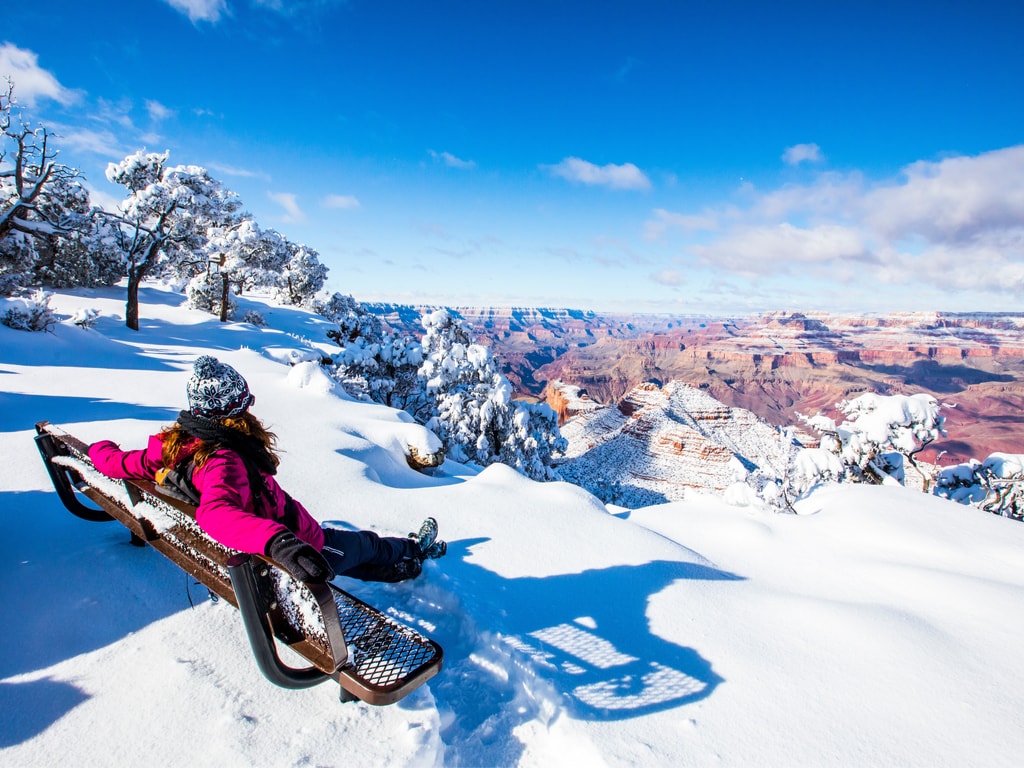
Experiencing the Grand Canyon National Park under a blanket of snow is a truly awe-inspiring spectacle. While the North Rim is typically closed to vehicles from November through mid-May due to heavy snowfall, the South Rim, situated around 7,000 feet in elevation, remains open year-round and frequently receives snow. Winter visits to the Grand Canyon offer a vastly different experience: fewer crowds, crisp air, and the mesmerizing sight of the canyon’s ancient rock formations dusted with white. The contrast of the red rocks against the pristine snow, often highlighted by dramatic winter skies, creates unparalleled photographic opportunities. Visitors can enjoy snowshoeing or cross-country skiing along the Rim Trail, or simply marvel at the serene beauty from various viewpoints. While some services may be limited, the profound peace and unique visual splendor of the Grand Canyon in winter make it an unforgettable destination.
Sedona: Red Rocks Dusted with White
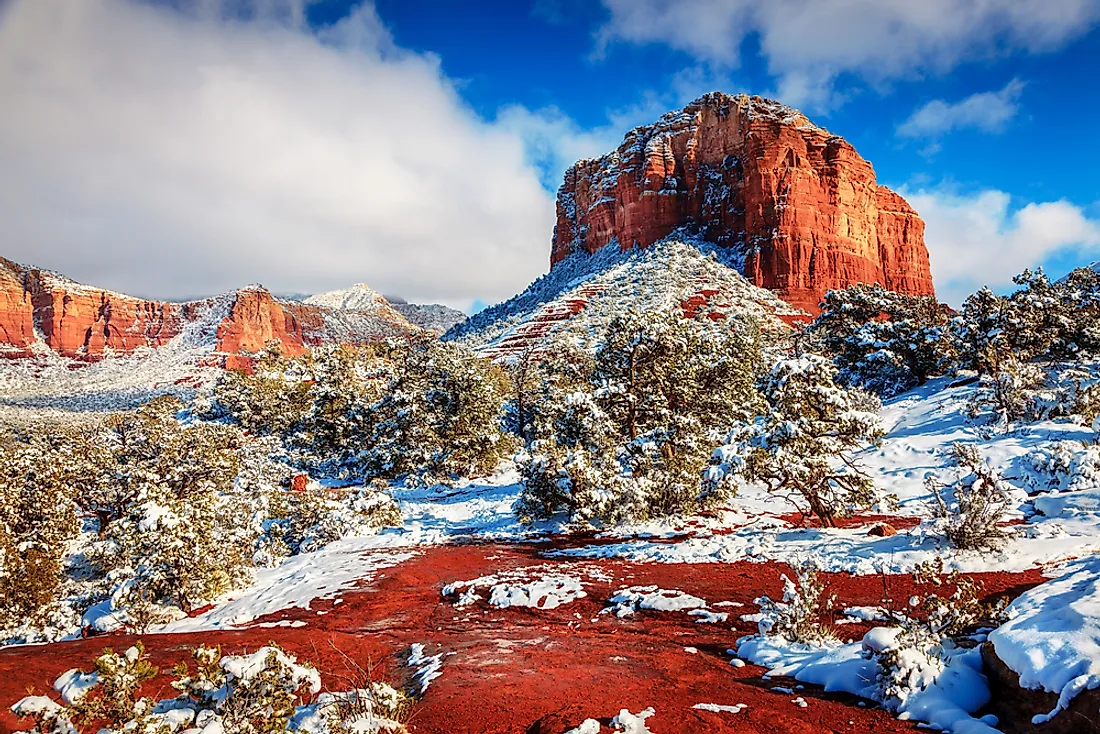
Though less frequent and typically lighter than in Flagstaff or the Grand Canyon, snow in Sedona is a truly iconic sight. At an elevation of about 4,500 feet, Sedona usually sees one or two light snowfalls per winter, often melting within a day or two. However, when it does snow, the effect is nothing short of magical. The vibrant red rocks, famous for their spiritual energy and dramatic beauty, become even more ethereal when capped with a delicate layer of white. The contrast of the crimson sandstone against the pure white snow, particularly during sunrise or sunset, creates a photographer’s dream landscape. While winter hiking opportunities remain abundant, the rare snowy days offer a unique perspective on Sedona’s famous vortex sites and scenic trails. It’s a fleeting but profoundly beautiful experience that captures the diverse charm of Arizona.
Lesser-Known Snowy Retreats and Scenic Drives
Beyond the most popular destinations, Arizona harbors several other pockets where snow transforms the landscape, offering quieter, equally beautiful winter experiences. These areas are perfect for those looking to escape the crowds or embark on a picturesque snowy drive.
The White Mountains: Eastern Arizona’s Alpine Escape
In eastern Arizona, the White Mountains region offers a vast and authentic alpine escape. Towns like Pinetop-Lakeside, Show Low, and Greer receive significant annual snowfall, creating a haven for winter sports. The centerpiece of this region is Sunrise Park Resort, Arizona’s largest ski resort. Located on the Fort Apache Indian Reservation, Sunrise offers three mountains of diverse terrain, catering to skiers and snowboarders of all skill levels. Beyond the resort, the White Mountains provide endless opportunities for cross-country skiing, snowshoeing, ice fishing on frozen lakes, and snowmobiling through dense pine forests. The area is known for its serene beauty and abundant wildlife, making it an ideal destination for nature lovers seeking a tranquil winter experience away from the bustling crowds.
Northern Arizona’s Scenic Byways in Winter
For those who prefer to experience the winter landscape from the comfort of their vehicle, northern Arizona offers some spectacular scenic drives that become even more breathtaking after a fresh snowfall. Traveling along portions of Historic Route 66 through towns like Williams (the “Gateway to the Grand Canyon”) or Kingman can offer charming views of snow-dusted roadside attractions and retro diners. The drive from Flagstaff south towards Sedona on Highway 89A, particularly the scenic stretch through Oak Creek Canyon, is stunning after a snowfall, with snow clinging to the canyon walls and pine trees. Even smaller communities like Munds Park, just south of Flagstaff, offer accessible snowy landscapes perfect for a short drive or a quick stop for a snowball fight. These byways provide a flexible way to explore Arizona’s winter beauty, revealing hidden gems and picturesque vistas at every turn.
Planning Your Arizona Winter Getaway
Embracing Arizona’s snowy side requires a bit of planning, but the rewards are well worth the effort. From choosing the right time to visit to packing appropriately, a little preparation ensures a smooth and enjoyable winter escape.
When to Visit for the Best Snow
The prime window for experiencing snowfall in Arizona’s high country typically runs from late December through February, with some areas receiving significant snowfalls in early December and even into March. January often sees the heaviest and most consistent snow accumulation, making it ideal for winter sports. If your goal is specifically to ski or snowboard, aiming for mid-January to mid-February will generally offer the best conditions. For those simply hoping to see snow on the ground for scenic beauty and photography, any time within this broader winter season offers a good chance, though snowfall can be unpredictable from year to year. Always check weather forecasts closer to your travel dates for the most accurate information.
Essential Packing and Preparation
Packing for an Arizona winter trip means preparing for varying conditions, especially if you plan to visit both snowy areas and warmer low-desert cities. Layers are key. Include waterproof and insulated outerwear (jacket, pants), thermal base layers, warm hats, gloves or mittens, and waterproof, insulated boots with good traction. Sun protection (sunglasses, sunscreen) is also crucial, as snow reflects sunlight, intensifying UV exposure.
Beyond clothing, if you’re driving to snowy regions, especially the Grand Canyon or Flagstaff, ensure your vehicle is winter-ready. This includes checking tire tread, fluid levels, and carrying an emergency kit with blankets, extra food and water, a flashlight, and jumper cables. Always check road conditions before departing, particularly during and after storms, using resources like the Arizona Department of Transportation (ADOT) website, which provides real-time updates on road closures and chain restrictions.
Beyond the Slopes: Other Winter Activities
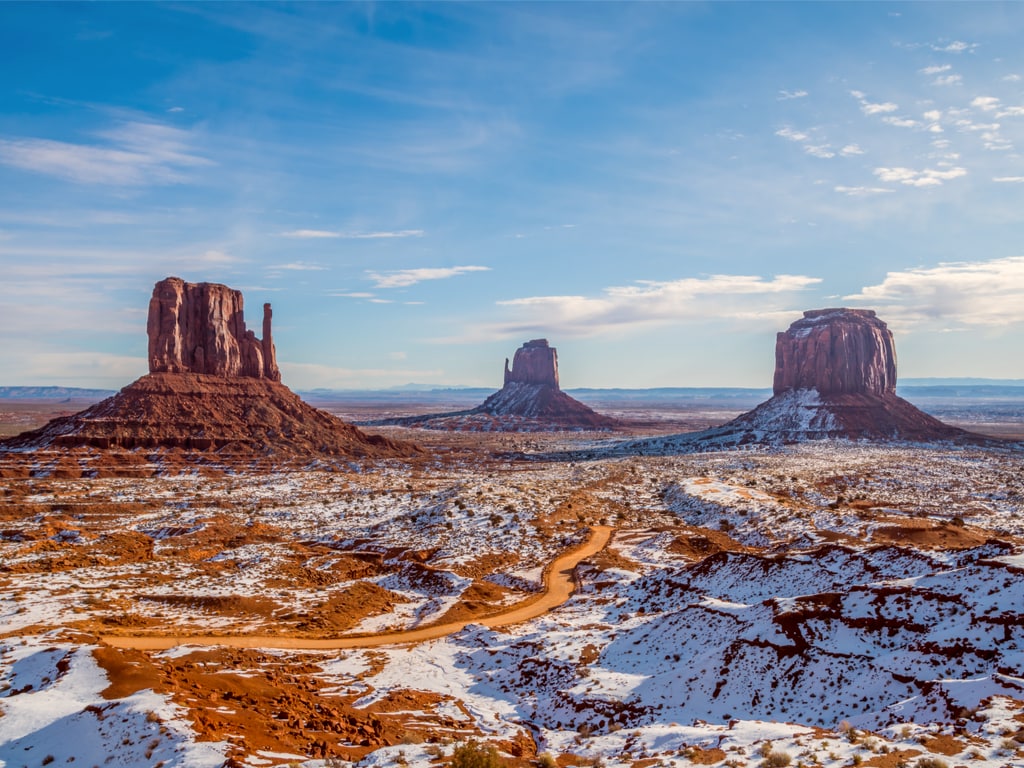
While skiing and snowboarding are major draws, Arizona’s snowy destinations offer a wealth of other winter activities. Many towns host festive holiday events, light parades, and ice-skating rinks. Flagstaff, for instance, often has an outdoor ice rink and various Christmas-themed attractions. Cozy cabins and lodges provide perfect retreats for enjoying hot chocolate by a fireplace. Snowshoeing and cross-country skiing trails are abundant in the national forests around Flagstaff and the White Mountains, offering peaceful ways to explore the snow-covered wilderness. Consider booking a guided snowmobiling tour for an exhilarating adventure through scenic trails. Even simply bundling up for a crisp winter walk and enjoying the quiet beauty of a snow-laden landscape can be a profoundly rewarding experience.
Arizona’s multifaceted charm extends far beyond its reputation as a desert haven. The northern and eastern reaches of the state offer a surprising and captivating winter experience, transforming into true snow-kissed wonderlands. From the bustling ski slopes of Flagstaff and Sunrise Park Resort to the serene, snow-dusted majesty of the Grand Canyon and the historic charm of Prescott, the opportunities for winter travel are rich and varied. Whether you’re a seasoned winter sports enthusiast or simply seeking the unique beauty of red rocks draped in white, Arizona invites you to discover its unexpected snowy embrace. Plan your visit, prepare for the chill, and unlock a side of the Grand Canyon State that promises unforgettable winter memories.
LifeOutOfTheBox is a participant in the Amazon Services LLC Associates Program, an affiliate advertising program designed to provide a means for sites to earn advertising fees by advertising and linking to Amazon.com. Amazon, the Amazon logo, AmazonSupply, and the AmazonSupply logo are trademarks of Amazon.com, Inc. or its affiliates. As an Amazon Associate we earn affiliate commissions from qualifying purchases.