
The question, “Where in Arizona is the Grand Canyon?” might seem surprisingly simple, yet it opens a gateway to understanding the vastness, accessibility, and distinct experiences offered by one of the world’s most iconic natural wonders. The Grand Canyon isn’t a single, monolithic entity but rather a sprawling geological masterpiece with multiple access points, each offering a unique perspective and range of activities. Primarily situated within northern Arizona, the Grand Canyon National Park encompasses a significant portion of this immense chasm, but understanding its precise location and how to best explore it requires a nuanced approach.
The Primary Gateway: Grand Canyon National Park
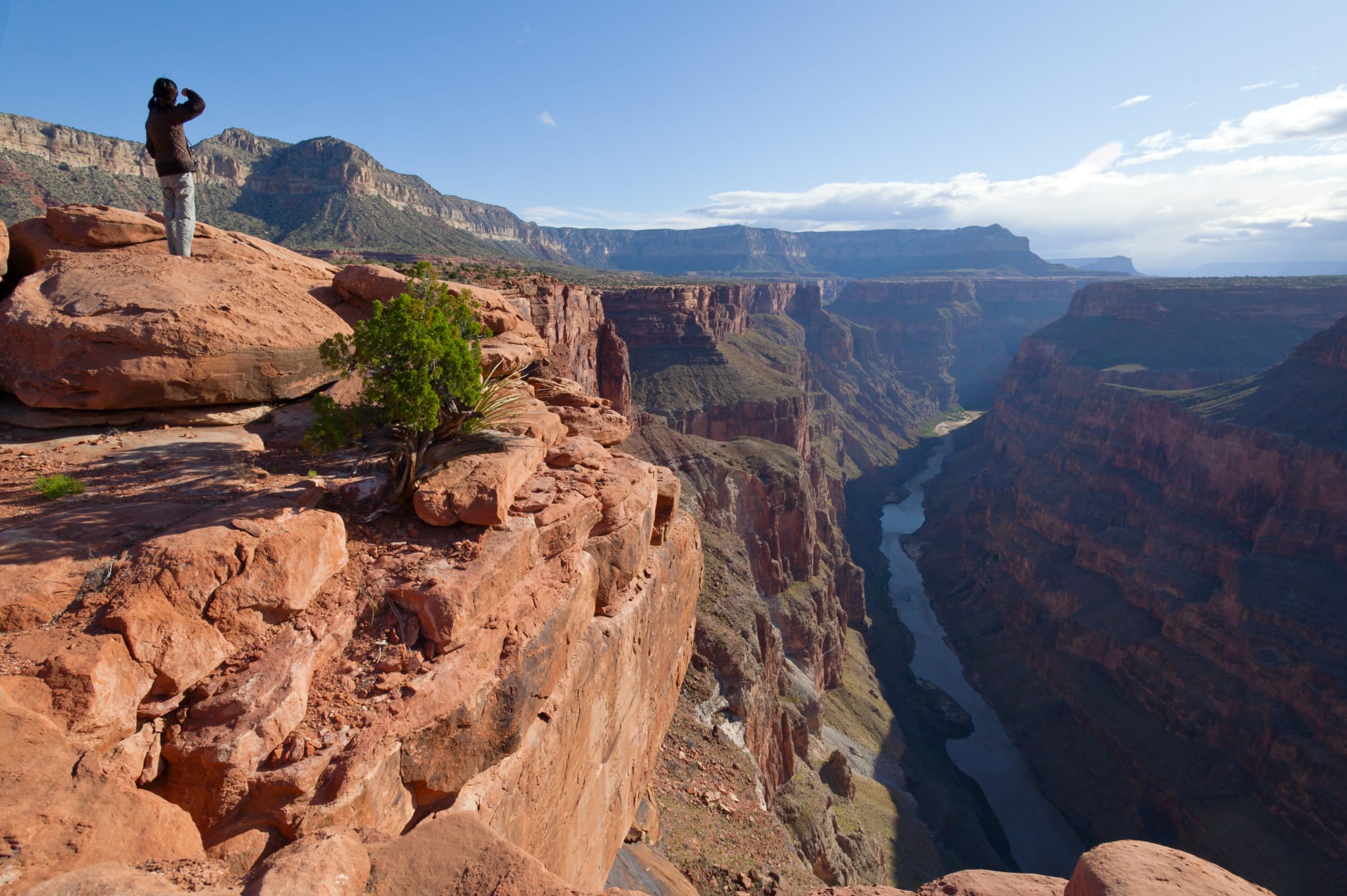
Grand Canyon National Park is the undisputed centerpiece of the Grand Canyon experience and the most common answer to its geographical query. This vast park is divided into two main, geographically distinct areas: the South Rim and the North Rim. These two sections are not directly connected by road, and traveling between them requires a significant detour, often involving hundreds of miles.
The South Rim: The Most Accessible and Popular Destination
The South Rim is by far the most visited and accessible section of the Grand Canyon. It is open year-round and offers a plethora of viewpoints, services, and activities, making it an ideal choice for most travelers, especially first-time visitors.
Location and Access to the South Rim
The South Rim is located approximately 80 miles west of Flagstaff, Arizona, and about 270 miles north of Phoenix, Arizona. The primary gateway to the South Rim is via State Route 64, which connects to U.S. Route 180 and Interstate 40. The park entrance is typically accessed through the town of Tusayan, located just outside the park boundary.
Key Attractions and Activities at the South Rim
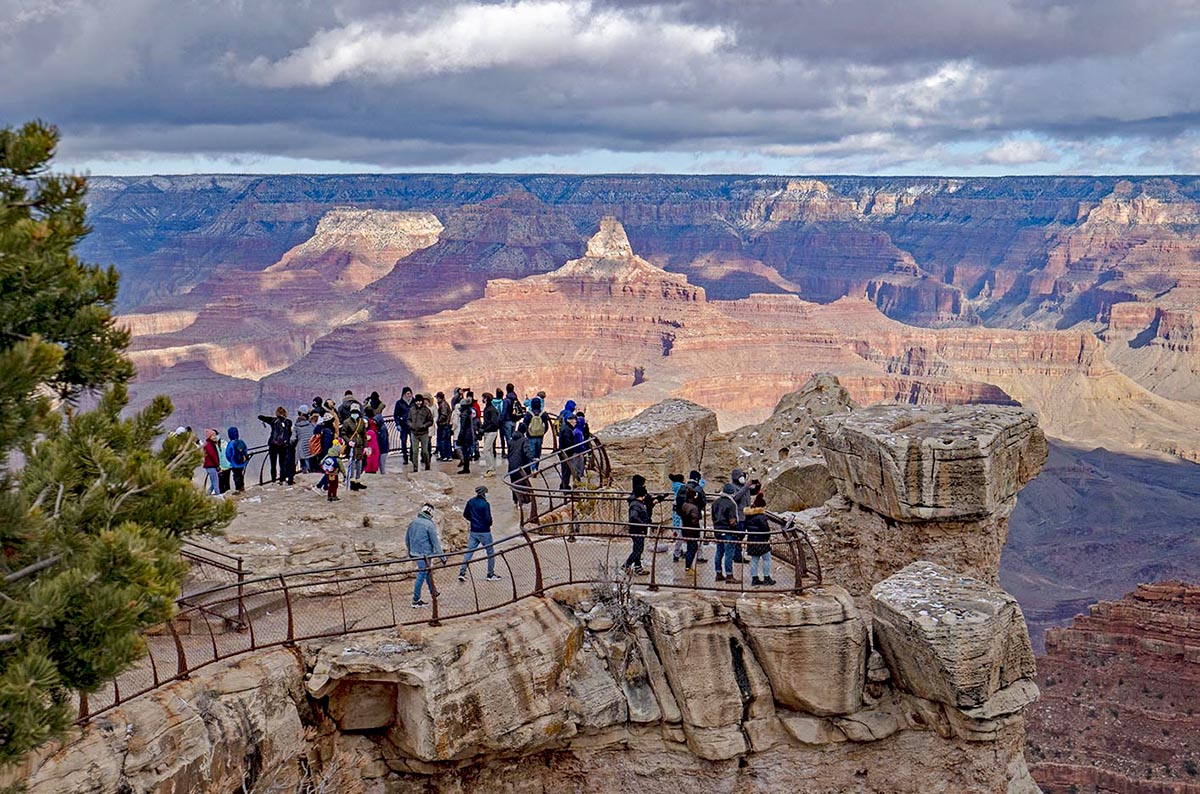
- Mather Point: Often the first viewpoint visitors encounter, Mather Point offers a breathtaking panoramic vista of the canyon. Its accessibility from the main visitor center makes it a popular starting point.
- Yavapai Point and Geology Museum: This location provides excellent views and an educational experience, with exhibits detailing the geological history of the Grand Canyon.
- Grand Canyon Village: The historic heart of the South Rim, this area features iconic lodges like the El Tovar Hotel and the Bright Angel Lodge, as well as shops, restaurants, and visitor services.
- Hermit Road: Accessible via a free park shuttle bus for most of the year, Hermit Road offers stunning viewpoints such as Hopi Point, Mohave Point, and The Abyss.
- Desert View Drive: This scenic 25-mile road winds eastward from Grand Canyon Village to the Desert View Watchtower, offering numerous pull-offs with diverse perspectives of the canyon and the Colorado River.
- Hiking Trails: The South Rim provides access to famous trails descending into the canyon, including the Bright Angel Trail and the South Kaibab Trail. These are challenging hikes, and visitors should be well-prepared for the environmental conditions.
Accommodation and Services on the South Rim
The South Rim offers a range of lodging options within and just outside the park. Historic lodges like the El Tovar Hotel and Bright Angel Lodge are highly sought after and require booking well in advance. Other options include Yavapai Lodge and Maswik Lodge. Just outside the park in Tusayan, visitors will find a variety of hotels, including the Grand Hotel at the Grand Canyon and the Holiday Inn Express Grand Canyon. Shuttle services, restaurants, and gift shops are readily available to enhance the visitor experience.
The North Rim: A More Remote and Serene Experience
The North Rim offers a starkly different, yet equally awe-inspiring, perspective of the Grand Canyon. It is significantly less developed and visited, appealing to those seeking solitude and a more intimate connection with nature.
Location and Access to the North Rim
The North Rim is situated at a higher elevation than the South Rim and is accessible only via State Route 67, which branches off U.S. Route 89A. This route originates from the Jacob Lake area, approximately 45 miles north of the park entrance. The nearest major towns are Fredonia, Arizona, and Kanab, Utah, both about 80 miles away.
Important Note: The North Rim is closed seasonally due to heavy snowfall, typically from mid-October to mid-May. This limited operating season adds to its unique charm and allure.
Key Attractions and Activities at the North Rim
- Bright Angel Point: Located near the lodge, Bright Angel Point provides expansive views and is a popular spot for sunrise and sunset.
- Cape Royal: This scenic drive leads to one of the most dramatic viewpoints on the North Rim, offering unobstructed vistas and the iconic Angels Window arch.
- Point Imperial: The highest viewpoint in Grand Canyon National Park, Point Imperial offers a commanding perspective of the eastern canyon and the Colorado River far below.
- Hiking Trails: While fewer in number than on the South Rim, trails such as the Transept Trail and the Ken Patrick Trail offer opportunities for exploration amidst the ponderosa pines and aspens. The North Kaibab Trail descends into the canyon from the North Rim.
- Grand Canyon Lodge: The historic Grand Canyon Lodge is the primary hub for services on the North Rim, offering dining and lodging with spectacular canyon views.
Accommodation and Services on the North Rim
Lodging on the North Rim is limited to the historic Grand Canyon Lodge, which includes rustic cabins and motel rooms. Reservations are essential and fill up extremely quickly due to the limited capacity and short operating season. Other services, such as a general store and a campground, are also available.
Beyond the National Park: Other Grand Canyon Experiences
While Grand Canyon National Park is the most direct answer, the geological phenomenon that is the Grand Canyon extends beyond its official boundaries. Several other locations in Arizona offer unique perspectives and access to different parts of the canyon system.
Grand Canyon West: A Tribal Enterprise
Located on the Hualapai Indian Reservation, Grand Canyon West is a popular tourist destination managed by the Hualapai Tribe. It is a significant distance from both the North and South Rims, and access is primarily from Las Vegas, Nevada.
Location and Access to Grand Canyon West
Grand Canyon West is situated approximately 120 miles west of Las Vegas. Visitors typically drive from Las Vegas, a journey of about 2.5 to 3 hours. There are no direct public transportation options from major Arizona cities to Grand Canyon West.
Key Attractions and Activities at Grand Canyon West
- The Grand Canyon Skywalk: This iconic glass-bottomed bridge extends 70 feet out over the canyon, offering a thrilling and unparalleled view of the abyss below. It is one of the most recognizable features of Grand Canyon West.
- Eagle Point: This viewpoint is home to the Grand Canyon Skywalk and offers stunning panoramas of the canyon.
- Guano Point: Another prominent viewpoint, Guano Point provides a different perspective of the canyon and is home to the remnants of an old guano mine.
- Helicopter Tours and Pontoon Boat Rides: Various tour operators offer aerial and river-based experiences from Grand Canyon West, providing unique ways to appreciate the canyon’s scale.
Accommodation and Services at Grand Canyon West
Lodging options at Grand Canyon West are more limited compared to the national park. The Hualapai Ranch offers rustic cabins, and there are some basic lodging facilities. Many visitors opt for day trips from Las Vegas.
Grand Canyon East (Arizona State Route 52): A Less-Explored Frontier
While not a designated park or tourist hub like the other areas, the eastern stretches of the Grand Canyon region, particularly along Arizona State Route 52, offer more rugged and less-trafficked viewpoints. This area is largely outside the official national park boundaries and is often referred to as the “East Grand Canyon”.
Location and Access to Grand Canyon East
This region lies east of the national park’s Desert View Watchtower and extends towards the Navajo Nation. Access is typically via U.S. Route 89 and then branching onto various unpaved or poorly maintained roads. This area is best suited for experienced off-road adventurers with appropriate vehicles.
Key Attractions and Activities in Grand Canyon East
- Remote Viewpoints: This region provides opportunities to discover secluded overlooks with dramatic, unadulterated views of the canyon.
- Cultural Immersion: Interacting with the Navajo Nation communities in the vicinity can offer insights into the local culture and history.
- Backcountry Exploration: For those equipped for it, this area offers more challenging and solitary exploration opportunities.
Accommodation and Services in Grand Canyon East
Services in this remote area are scarce. Visitors should come fully prepared with provisions, water, and fuel. Camping is often the primary lodging option, and research into specific access points and regulations is crucial.
In conclusion, while the Grand Canyon is undeniably located in Arizona, its precise whereabouts depend on the experience one seeks. The South Rim serves as the accessible gateway for most, the North Rim offers a serene escape, and areas like Grand Canyon West provide thrilling, modern attractions. Understanding these distinctions is key to planning an unforgettable journey to this natural wonder.
LifeOutOfTheBox is a participant in the Amazon Services LLC Associates Program, an affiliate advertising program designed to provide a means for sites to earn advertising fees by advertising and linking to Amazon.com. Amazon, the Amazon logo, AmazonSupply, and the AmazonSupply logo are trademarks of Amazon.com, Inc. or its affiliates. As an Amazon Associate we earn affiliate commissions from qualifying purchases.