
Florida, a state renowned for its sun-drenched beaches and vibrant ecosystems, offers a unique opportunity to witness one of nature’s most gentle giants: the manatee. These magnificent marine mammals, often referred to as “sea cows,” are a beloved symbol of the Sunshine State. Understanding where and when to find them can transform a typical vacation into an unforgettable wildlife encounter. This guide delves into the premier locations and best practices for spotting manatees in their natural Florida habitat, focusing on the responsible enjoyment of these incredible creatures.
Prime Manatee Viewing Hotspots
Florida’s warm waters are a haven for manatees, particularly during the cooler months when they seek refuge in warmer springs and power plant discharge areas. However, even in warmer periods, these placid herbivores can be found in various coastal and inland waterways.
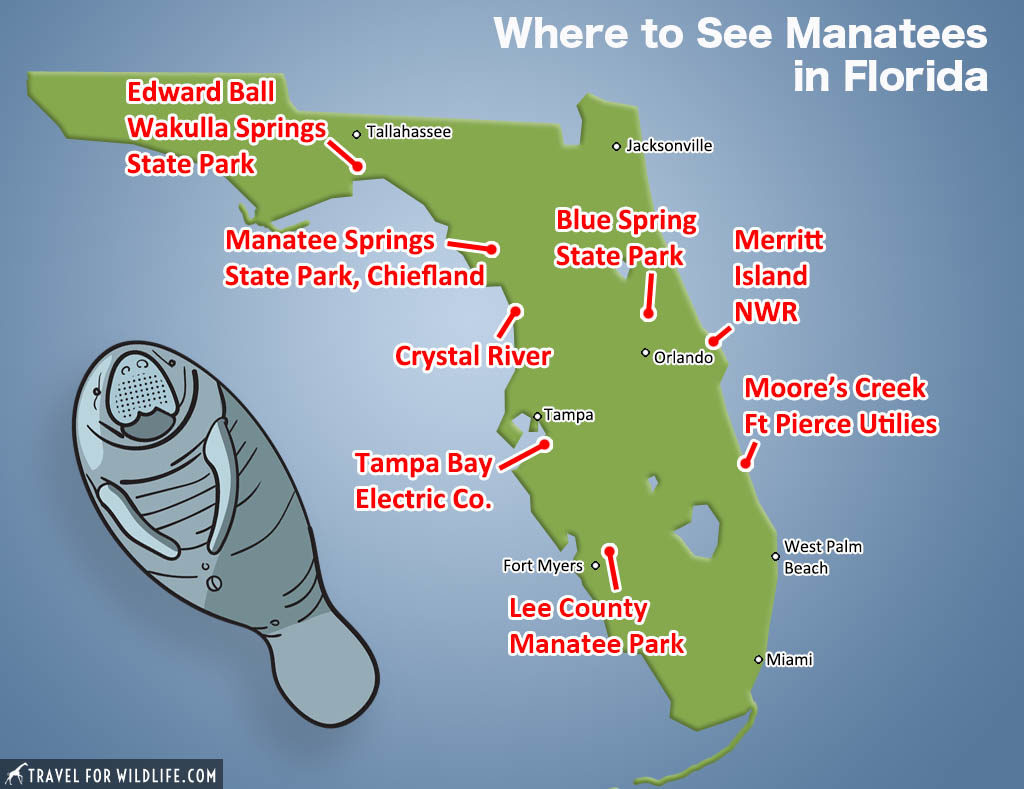
Crystal River: The Manatee Capital of the World
No discussion of manatee viewing is complete without mentioning Crystal River. Located on the Gulf Coast, this area is synonymous with manatee encounters. The Crystal River National Wildlife Refuge is a sanctuary for these animals, with the Kings Bay area being particularly rich in manatee activity.
The Magic of Kings Bay
Kings Bay is a complex of natural springs that maintains a constant temperature of 72 degrees Fahrenheit year-round. This makes it an essential warm-water refuge for manatees during the winter months, from November through March. During this peak season, hundreds of manatees can congregate in the bay, creating an unparalleled viewing experience.
Activities and Opportunities
- Snorkeling and Diving Tours: Many operators in Crystal River offer guided tours that allow visitors to enter the water with manatees. Under the guidance of a certified guide, participants can observe manatees in their natural environment. The key is to be respectful and non-intrusive, allowing the manatees to approach you if they choose. Many tours provide wetsuits for comfort in the water.
- Boat Tours: For those who prefer to stay dry, boat tours offer excellent opportunities to see manatees from the surface. Many tours navigate through areas where manatees are commonly found, and captains are skilled at spotting them. Educational commentary often accompanies these tours, providing insights into manatee behavior and conservation efforts.
- Kayaking and Paddleboarding: Renting a kayak or paddleboard provides a more intimate and self-guided experience. You can quietly paddle through the canals and shallow areas of Kings Bay, often spotting manatees surfacing for air or grazing on seagrass. It’s crucial to be aware of manatee zones, which are often marked by buoys and have specific regulations to protect the animals.
Blue Spring State Park: A Winter Sanctuary
Located inland in Orange City, Blue Spring State Park is another vital winter refuge for manatees. The park’s namesake spring, which is also the largest spring on the St. Johns River, provides the necessary warm water when the river temperature drops.
Peak Season and Viewing Platforms
From mid-November to mid-March, the run at Blue Spring State Park is often filled with manatees. A boardwalk runs along the spring run, offering elevated viewing platforms. This allows visitors to observe the manatees without disturbing them, providing excellent photographic opportunities. During colder periods, the park may implement capacity limits to manage crowds and protect the manatee habitat.
Educational Opportunities
The park’s facilities often include educational exhibits that detail manatee biology, conservation challenges, and the importance of these springs. Ranger talks are also sometimes available, offering deeper insights into the local wildlife.
Manatee Observation and Rehabilitation Center, Fort Pierce
For a guaranteed and educational encounter, the Manatee Observation and Rehabilitation Center in Fort Pierce offers a unique perspective. While not a wild viewing location, it provides an intimate look at manatees that are being rehabilitated.
Understanding Rehabilitation Efforts
This center is dedicated to rescuing, rehabilitating, and releasing injured or orphaned manatees. Visitors can observe these animals in a controlled environment, learning about the threats they face, such as boat strikes and habitat loss. The center features underwater viewing windows that allow for close-up observations of the manatees as they swim and are fed. It’s an impactful way to understand the conservation work being done to protect the species.
Other Notable Locations
While Crystal River and Blue Spring State Park are perhaps the most famous, manatees can be spotted in various other locations throughout Florida.

Everglades National Park
In the southern reaches of Florida, Everglades National Park and its surrounding waters are home to manatees. They can be found in the coastal mangroves, estuaries, and even some freshwater areas. Boat tours and kayaking excursions within the park can offer sightings, though they may be less frequent than in the spring-fed areas.
Tampa Bay Region
Areas around Tampa Bay, including the TECO Big Bend Power Station discharge canal in Apollo Beach, attract manatees seeking warmer waters during winter. The Manatee Viewing Center at the power plant offers a dedicated viewing platform and educational displays.
St. Johns River
The St. Johns River system, particularly in its northern sections, is another area where manatees are found, especially during colder periods when they may venture upriver from the ocean or seek out warmer tributaries.
Best Times to See Manatees
The timing of your visit can significantly impact your chances of seeing manatees.
Winter Months: Peak Season for Warm-Water Refuges
From November through March, Florida’s manatees are drawn to warmer waters. This is when they are most concentrated in springs like those at Blue Spring State Park and in areas like Kings Bay in Crystal River. Colder weather drives more manatees into these thermal refuges, leading to higher densities and more reliable sightings.
Spring and Summer: Dispersed but Present
As the weather warms, manatees disperse into coastal waters, bays, rivers, and even the open ocean to feed on seagrass and aquatic vegetation. While sightings are less concentrated, they are still possible throughout the state. Exploring coastal areas, estuaries, and areas with abundant seagrass beds during these months can yield sightings.
Responsible Manatee Viewing Etiquette
Observing manatees is a privilege, and it’s essential to do so responsibly to ensure their continued protection.
Respect Their Space
Manatees are wild animals and should never be touched, harassed, or fed. Maintain a respectful distance, especially when in the water. Allow manatees to approach you on their terms. Never corner or chase them.
Follow Regulations
Pay close attention to posted signs and regulations in manatee protection areas. These may include speed limits for boats, no-wake zones, and designated manatee sanctuaries. Adhering to these rules is crucial for preventing injury to manatees.
Choose Eco-Friendly Tours
When booking a manatee tour, opt for operators who prioritize responsible wildlife viewing. Look for companies that employ trained guides, adhere to ethical practices, and educate their guests on manatee conservation.

Minimize Your Impact
If you are boating, be vigilant for manatees and operate your vessel at slow speeds in areas where they are known to frequent. Avoid anchoring in seagrass beds, which are vital food sources for manatees.
By understanding these prime locations, optimal times, and responsible viewing practices, you can plan a memorable and ethical manatee encounter in the beautiful state of Florida.
LifeOutOfTheBox is a participant in the Amazon Services LLC Associates Program, an affiliate advertising program designed to provide a means for sites to earn advertising fees by advertising and linking to Amazon.com. Amazon, the Amazon logo, AmazonSupply, and the AmazonSupply logo are trademarks of Amazon.com, Inc. or its affiliates. As an Amazon Associate we earn affiliate commissions from qualifying purchases.