
Meet Arizona’s Emblematic Feathered Friend: The Cactus Wren
For those planning an immersive journey through the vibrant landscapes of the Grand Canyon State, understanding its unique natural heritage is key to a truly enriching experience. At the heart of this natural identity is Arizona’s state bird, the Cactus Wren (Campylorhynchus brunneicapillus). Designated the official state bird in 1931, the Cactus Wren is far more than just a creature of the desert; it is a living symbol of resilience, adaptability, and the intricate beauty that defines the Sonoran Desert.
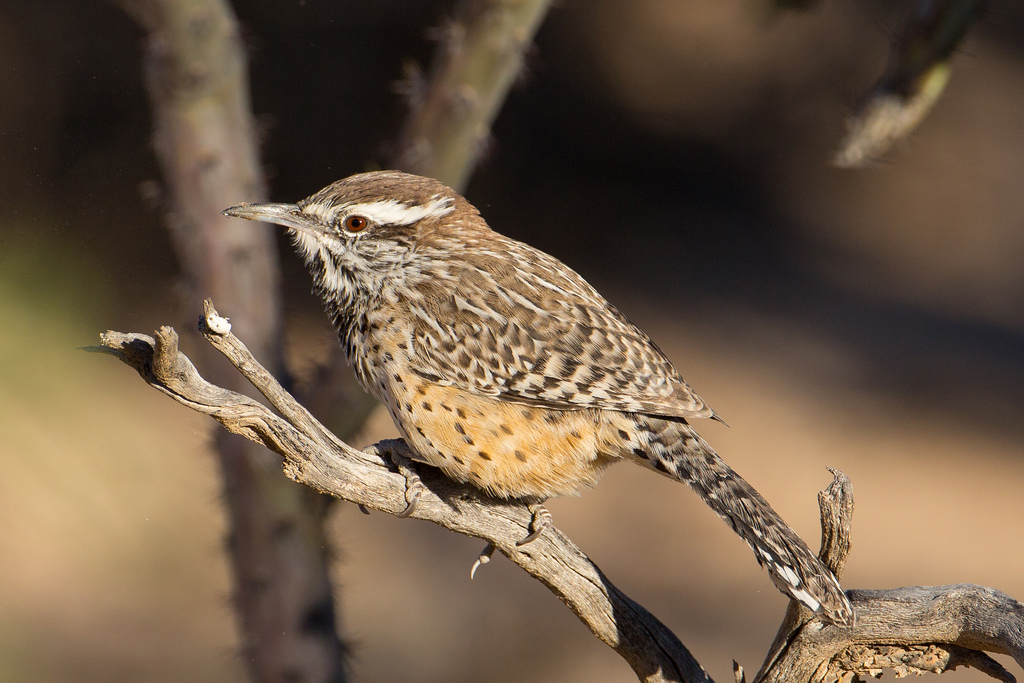
Distinguished by its robust build and distinctive appearance, the Cactus Wren is the largest wren species native to the United States. Tourists will quickly recognize its mottled brown plumage, marked with bold white streaks on its back and a speckled chest, all contrasted by a prominent white eyebrow stripe and a long, slightly curved bill. Its tail is noticeably barred with black and white, often cocked upwards, giving it a characteristic energetic posture. This bird’s vocalizations are equally remarkable, a series of harsh, chugging, and often rapid calls that resonate through the desert air, serving as both a territorial marker and a common soundscape for any visitor venturing into its domain.

The habitat of the Cactus Wren is intrinsically tied to the iconic flora of Arizona. It thrives among the formidable cacti and thorny shrubs that characterize the Sonoran Desert, particularly favoring the towering Saguaro Cactus and dense Cholla Cactus for nesting and shelter. Its nests, elaborate domed structures woven from grass and twigs, are often strategically placed deep within the protective spines of these plants, offering unparalleled defense against predators and the harsh desert elements. This ingenious adaptation highlights the Cactus Wren’s deep connection to its environment, making it an embodiment of the desert’s capacity for life and survival. For tourists, encountering this bird offers a vivid snapshot of Arizona’s unique ecological tapestry, inviting a deeper appreciation for the delicate balance of its arid ecosystems.
Why the Cactus Wren Embodies Arizona’s Spirit
The selection of the Cactus Wren as Arizona’s state bird is no mere coincidence; it encapsulates the very essence and spirit of the region, offering tourists a deeper insight into the local culture and natural resilience. This bird is a living emblem of the desert’s enduring charm and rugged beauty, qualities that resonate deeply with the identity of the state itself.
A Symbol of Desert Life and Adaptability
The Cactus Wren exemplifies extraordinary adaptation to the challenging desert environment. Unlike many birds that shy away from the thorns and heat, the Cactus Wren thrives in it, utilizing the very elements that deter others for its survival. Its ability to forage among spiny vegetation, construct intricate nests impervious to predators within thorny cacti, and withstand the extreme temperature fluctuations of the Sonoran Desert speaks volumes about its tenacity. For visitors, observing this bird provides a tangible lesson in resilience and resourcefulness, mirroring the pioneering spirit often associated with Arizona’s history and its communities. It encourages tourists to look beyond the surface beauty of the desert and appreciate the intricate strategies life employs to flourish in seemingly inhospitable conditions.
Cultural Significance and Local Identity
Beyond its biological attributes, the Cactus Wren holds a special place in the cultural fabric of Arizona. It is a familiar sight and sound for residents, an everyday reminder of the unique environment they inhabit. Its presence on state symbols, educational materials, and local art reinforces its status as a beloved icon. For tourists, understanding the cultural significance of the Cactus Wren enriches their visit by connecting them to the local identity. It transforms a simple bird sighting into an encounter with a living piece of Arizona’s heritage. Engaging with such local symbols helps visitors move beyond superficial sightseeing, fostering a deeper, more meaningful connection to the places they explore and the stories they tell.
Ecological Importance and Conservation Awareness
The Cactus Wren also plays a vital role in the Sonoran Desert ecosystem. As an insectivore, it helps control insect populations, contributing to the overall health and balance of the desert flora. Its reliance on specific desert plants, particularly large cacti, underscores the interconnectedness of species within this biome. For eco-conscious tourists, learning about the Cactus Wren highlights the importance of conservation efforts. Its well-being is directly tied to the preservation of its fragile desert habitat, including iconic species like the Saguaro Cactus. By featuring the Cactus Wren, Arizona promotes awareness of its unique biodiversity and the ongoing need to protect these precious natural resources, encouraging visitors to practice responsible tourism and support local conservation initiatives.
Experiencing the Cactus Wren in the Wild: Birdwatching in the Grand Canyon State
For tourists eager to witness Arizona’s state bird in its natural environment, the Grand Canyon State offers unparalleled opportunities for birdwatching and wildlife photography. Encountering the Cactus Wren in the wild is an activity that promises not only a glimpse of a state icon but also a deeper immersion into the rich biodiversity of the Sonoran Desert.
Prime Locations for Cactus Wren Spotting
The best places to find the Cactus Wren are typically within its favored habitat of dense cacti and desert scrub. The Sonoran Desert region, particularly around Phoenix and Tucson, is teeming with suitable spots.

- Saguaro National Park (near Tucson): Both the Rincon Mountain District (east) and the Tucson Mountain District (west) offer expansive landscapes dominated by saguaros, providing ideal breeding and foraging grounds for the Cactus Wren. Walking trails here often bring visitors into close proximity with their calls and active foraging.
- Desert Botanical Garden (Phoenix): This curated desert environment provides an accessible and well-maintained setting to observe the Cactus Wren among a wide array of desert plants. The wrens are known to nest and feed within the garden’s diverse collection of cacti and succulents.
- Arizona-Sonora Desert Museum (near Tucson): A unique blend of zoo, botanical garden, and natural history museum, it features numerous native habitats where Cactus Wrens are frequently seen and heard, especially in the desert loop trail areas.
- Local Parks and Preserves: Many regional parks surrounding Phoenix and Tucson, such as South Mountain Park and Preserve or Catalina State Park, provide excellent opportunities. Look for areas with dense stands of Cholla Cactus and Saguaro Cactus.
Optimal Timing and Tips for Birdwatchers
The best time for birdwatching in Arizona is generally during the cooler parts of the day, particularly early mornings (sunrise to about 10 AM) and late afternoons (an hour or two before sunset). During these periods, birds are most active in their search for food. Spring (March-May) and fall (September-November) offer the most comfortable weather for visitors and coincide with increased bird activity due to breeding seasons or migration.
- Binoculars are Essential: A good pair of binoculars will greatly enhance your viewing experience, allowing you to observe details without disturbing the birds.
- Field Guide: A regional field guide to Arizona birds will help you identify the Cactus Wren and other species you might encounter.
- Listen Carefully: The Cactus Wren’s distinctive chugging call often reveals its presence before you see it.
- Dress Appropriately: Wear comfortable clothing, a hat, and sturdy closed-toe shoes. Hydration is crucial, so always carry plenty of water, especially during warmer months.
Beyond the Cactus Wren: Other Avian Wonders
While the Cactus Wren is a highlight, Arizona is a birder’s paradise, home to an incredible diversity of species. Tourists engaged in birdwatching might also spot:
- Greater Roadrunner: Another iconic desert resident, known for its swift movements and distinctive crest.
- Gila Woodpecker: Often seen nesting in holes they excavate in saguaros.
- Various Hummingbirds: Arizona is famous for its wide variety of hummingbirds, especially in the southeastern part of the state.
- Hawks and Eagles: Soaring raptors like the Red-tailed Hawk and Harris’s Hawk are common sights.
Birdwatching offers an engaging and peaceful way for tourists to connect with Arizona’s natural world, fostering a deeper appreciation for its unique ecosystems and the creatures that call them home.
Integrating Local Wildlife into Your Arizona Itinerary
Encountering the Cactus Wren and other desert dwellers is an unforgettable part of any Arizona vacation. Incorporating local wildlife experiences into your travel plans enriches your journey, transforming a sightseeing trip into an educational and deeply immersive adventure into Arizona’s vibrant natural culture.
Beyond Birdwatching: Broader Wildlife Encounters
While seeking out the state bird is a fantastic starting point, Arizona’s wilderness offers much more.
- Desert Hiking and Nature Walks: Many state parks and national monuments, such as Papago Park in Phoenix or Usery Mountain Regional Park in Mesa, offer accessible trails where you can observe various desert plants and potentially spot mammals like javelina, coyotes, or desert hares, especially during dawn or dusk. Always check park regulations and trail difficulty beforehand.
- Night Sky Programs: Several parks and observatories, including the Kitt Peak Observatory near Tucson, offer stargazing events. While primarily focused on astronomy, the quiet evening hours in these remote locations often provide opportunities to hear and sometimes glimpse nocturnal wildlife.
- Visitor Centers and Nature Preserves: Many natural areas in Arizona feature excellent visitor centers with interpretive exhibits, educational programs, and guided tours led by naturalists. These resources provide invaluable insights into the local ecosystem, geology, and wildlife, helping tourists understand what they are seeing in the wild.
Responsible Tourism Practices for Wildlife Viewing
To ensure your wildlife encounters are positive for both you and the animals, adhering to responsible tourism guidelines is paramount. These practices help protect Arizona’s fragile ecosystems and ensure future generations can also enjoy these unique experiences.
- Maintain Distance: Always observe wildlife from a respectful distance. Never approach, chase, or attempt to touch animals. This protects both you and the wildlife from stress or potential harm.
- Never Feed Wildlife: Feeding wild animals can alter their natural behaviors, make them dependent on human food, and lead to health problems. It can also make them aggressive towards humans.
- Stay on Marked Trails: Venturing off-trail can disturb delicate habitats, trample vegetation, and expose you to hidden dangers like cacti or venomous creatures.
- Pack It In, Pack It Out: Practice “Leave No Trace” principles. Carry out everything you carry in, including all trash, to keep the desert pristine.
- Control Pets: If traveling with pets, keep them on a leash and ensure they do not disturb wildlife or wander off trails.
Educational Opportunities and Family Engagement
Integrating wildlife observation into your itinerary also offers rich educational opportunities, particularly for families traveling with children.
- Junior Ranger Programs: Many national parks and monuments in Arizona offer Junior Ranger programs, providing engaging activities and a chance for kids to earn badges while learning about conservation.
- Interactive Exhibits: Institutions like the Arizona-Sonora Desert Museum or the Phoenix Zoo offer hands-on experiences and up-close views of native species, making learning fun and memorable.
- Photography and Sketching: Encourage children and adults alike to document their sightings through photography or sketching. This mindful activity fosters keen observation skills and a deeper appreciation for the beauty of nature.
By thoughtfully planning your encounters with Arizona’s wildlife, you not only enhance your personal travel experience but also contribute to the ongoing preservation of its remarkable natural heritage. The Cactus Wren serves as a charming ambassador to this world, inviting all visitors to look closer and listen more intently to the subtle wonders of the desert.
LifeOutOfTheBox is a participant in the Amazon Services LLC Associates Program, an affiliate advertising program designed to provide a means for sites to earn advertising fees by advertising and linking to Amazon.com. Amazon, the Amazon logo, AmazonSupply, and the AmazonSupply logo are trademarks of Amazon.com, Inc. or its affiliates. As an Amazon Associate we earn affiliate commissions from qualifying purchases.