
Nestled within the vast, awe-inspiring landscapes of the American Southwest, Antelope Canyon stands as a testament to nature’s artistic prowess. This iconic slot canyon, a masterpiece carved by millennia of water and wind erosion, is not just a geological wonder but a profound cultural landmark. If you’ve ever seen photographs of its swirling, illuminated sandstone walls, you’ve likely asked the question: “Where exactly is this magical place?” The answer lies firmly in Arizona, specifically within the sovereign lands of the Navajo Nation, near the bustling gateway town of Page. Understanding its location is the first step in planning an unforgettable journey to one of the most photographed natural attractions in the world, an experience that seamlessly blends adventure, culture, and breathtaking beauty.

Discovering the Gem of the Navajo Nation
Antelope Canyon’s allure stems from its unique formation and the ethereal light play that transforms its narrow passages into a vibrant kaleidoscope of colors. It’s a place that transcends mere sightseeing, offering an immersive experience that touches the soul and ignites the imagination.
Unveiling the Enigmatic Slot Canyon
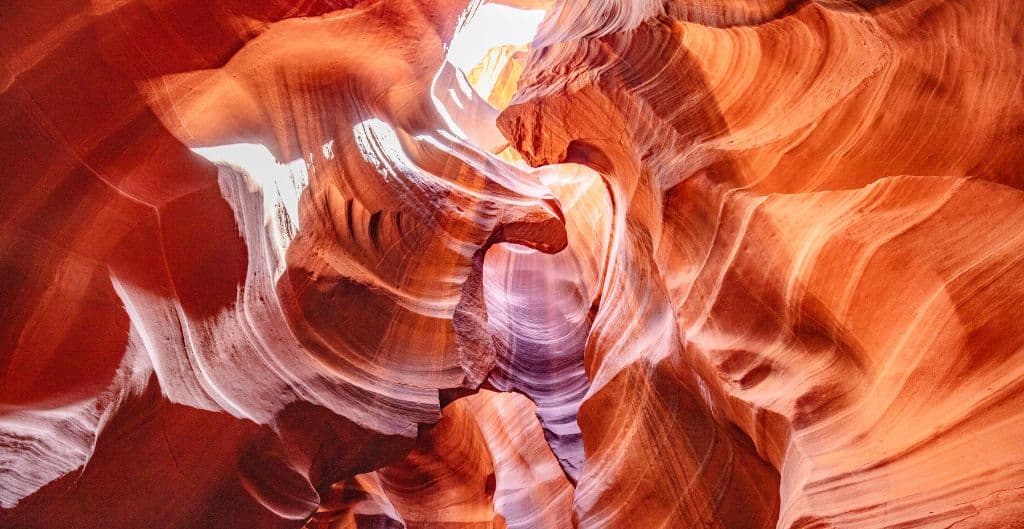
Geologically, Antelope Canyon is a slot canyon, a narrow gorge in soft sandstone that has been eroded by flash floods over countless years. The rock here is the Navajo Sandstone, known for its deep reds, oranges, and purples. What makes Antelope Canyon particularly famous are its smooth, wave-like walls, sculpted into graceful curves and spirals. When sunlight filters down into these tight corridors, it creates a dazzling display of shifting light beams and reflections, illuminating the canyon walls with an almost otherworldly glow. This natural phenomenon is what draws photographers, adventurers, and nature lovers from across the globe, eager to witness and capture its ephemeral beauty.
The canyon is traditionally divided into two main sections: Upper Antelope Canyon (also known as “The Crack”) and Lower Antelope Canyon (or “The Corkscrew”). Each offers a distinct experience. Upper Antelope Canyon is wider at the top, allowing more direct sunlight to penetrate, making the famous light beams a more common sight, especially around midday. It’s also at ground level, requiring less physical exertion. Lower Antelope Canyon, conversely, is narrower at the top and involves climbing down ladders and navigating through tighter, winding passages, offering a more adventurous and intimate exploration of the canyon’s intricate formations. Both require a guided tour, not just for safety, but also to respect the sacred nature of the land, which belongs to the Navajo Nation.
The Geographic Heart of Antelope Canyon
The specific location of Antelope Canyon is crucial for trip planning. It is situated a few miles east of Page, a small but bustling town in Coconino County, northern Arizona. Page serves as the primary gateway for visitors to Antelope Canyon, as well as several other iconic natural attractions in the region. The canyon itself is on the land of the LeChee Chapter of the Navajo Nation, making it subject to tribal regulations and requiring all visitors to be accompanied by an authorized Navajo guide. This requirement not only ensures the preservation of the delicate ecosystem but also offers visitors a profound cultural exchange, as guides often share insights into Navajo history, geology, and traditions. The proximity to Page means that visitors have access to various accommodation options, dining, and other amenities, making it a convenient base for exploring the surrounding wonders of the American Southwest.
Planning Your Journey to Antelope Canyon
Visiting Antelope Canyon requires careful planning, not just because of its popularity, but also due to its unique location and operational procedures. From navigating the logistics of travel to choosing the right tour, every detail contributes to a seamless and memorable experience.
Navigating to Page, Arizona
Getting to Page typically involves a scenic road trip, as the town is somewhat remote. The nearest major airports are:
- Flagstaff Pulliam Airport (FLG) in Flagstaff, Arizona, approximately a 2.5 to 3-hour drive.
- Phoenix Sky Harbor International Airport (PHX) in Phoenix, Arizona, about a 4.5-hour drive.
- Harry Reid International Airport (LAS) in Las Vegas, Nevada, roughly a 4.5-hour drive.
- Salt Lake City International Airport (SLC) in Salt Lake City, Utah, approximately a 6.5-hour drive.
Most visitors opt to rent a car from one of these larger airports, transforming the journey into an integral part of their Southwest adventure. The drive itself offers stunning vistas of red rock formations, vast deserts, and open skies, serving as a prelude to the wonders that await. Several scenic routes connect these cities to Page, making the drive an attraction in itself for those who appreciate natural beauty and expansive landscapes.
Choosing Your Antelope Canyon Experience (Upper vs. Lower)
Deciding between Upper Antelope Canyon and Lower Antelope Canyon depends on your preferences and physical capabilities.
- Upper Antelope Canyon is often preferred by those seeking the iconic light beams and a less strenuous walk. The entrance and exit are at ground level, and the canyon floor is mostly flat, making it accessible for a wider range of visitors, including families with young children or those with mobility concerns. The tours here typically involve being driven from the tour operator’s office to the canyon entrance in 4×4 vehicles, adding an element of adventure.
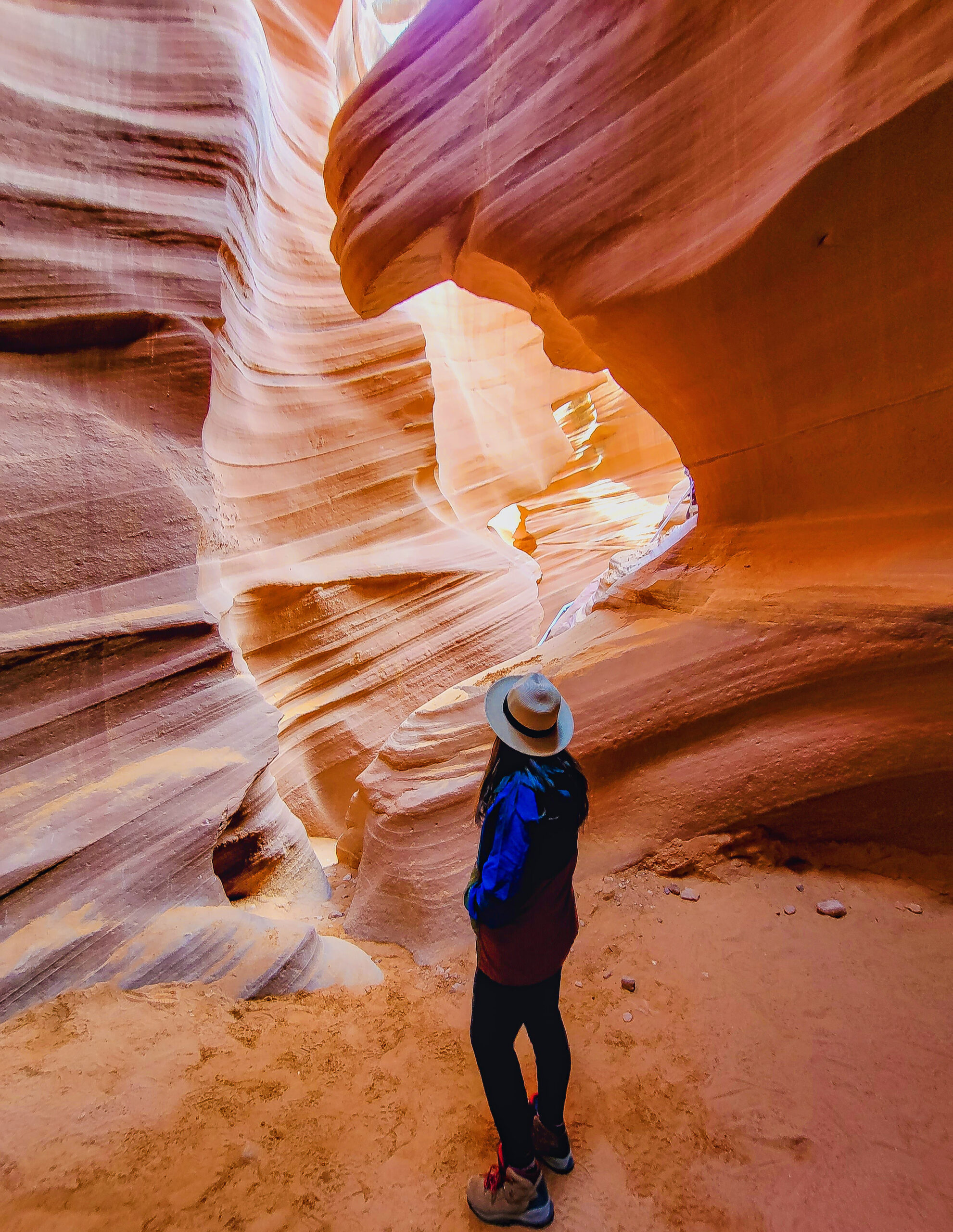
- Lower Antelope Canyon appeals to the more adventurous spirit. It requires navigating several sets of ladders both into and out of the canyon, and walking through uneven terrain with tight squeezes. This experience offers a more hands-on exploration of the canyon’s intricate formations and often feels more intimate due to its winding paths and narrower spaces. While the light beams are less frequent, the swirling rock patterns and varied light conditions create a dynamic photographic environment.
Both canyons offer unparalleled beauty, and many dedicated travelers opt to visit both to fully appreciate the diversity of this natural wonder. Additionally, less crowded alternatives like Canyon X also exist, offering a similar, intimate slot canyon experience often with fewer people.
Essential Booking and Tour Information
Booking your tour well in advance is paramount, especially during peak seasons (spring break, summer, and fall). Tours to Antelope Canyon can sell out weeks or even months ahead of time, particularly the coveted midday slots when light conditions are optimal.
- Authorized Tour Operators: Because the canyon is on Navajo Nation land, you must book with an authorized Navajo tour company. Reputable operators for Upper Antelope Canyon include Antelope Canyon Navajo Tours, Adventurous Antelope Canyon Photo Tours, and Dixie Ellis’ Antelope Canyon Tours. For Lower Antelope Canyon, popular choices include Dixie Ellis’ Lower Antelope Canyon Tours and Ken’s Tours. Each operator has a specific meeting point in or near Page or directly at the canyon entrance.
- Timing Your Visit: For the best chance of witnessing the iconic light beams in Upper Antelope Canyon, aim for tours between 10 AM and 1 PM, especially from late March to early October. For Lower Antelope Canyon, midday is also good, but the constantly changing light at any time of day provides fantastic photographic opportunities.
- What to Bring: Wear comfortable shoes suitable for walking on sand and uneven surfaces. Bring water, especially during warmer months. Remember that bags, backpacks, tripods, and monopods are often restricted or prohibited inside the canyons to prevent damage and congestion, so check with your tour operator. A camera (with a simple strap) and your phone are usually permitted.
- Respectful Tourism: Remember you are visiting sacred Navajo Nation land. Be respectful of your guides and the environment. Do not touch the canyon walls, leave no trace, and follow all instructions from your guide. This not only ensures your safety but also contributes to the preservation of this incredible landmark.
Beyond the Canyon: Exploring Northern Arizona’s Wonders
While Antelope Canyon is undoubtedly the star attraction, its location in Page, Arizona, places it at the epicenter of a region teeming with other natural wonders, cultural sites, and adventure opportunities. Extending your stay allows for a richer tourism experience, immersing you further into the American Southwest and its breathtaking landscapes.
Iconic Landmarks Just a Stone’s Throw Away
The area surrounding Page is a treasure trove of landmarks and attractions, making it an ideal base for multi-day explorations.
- Horseshoe Bend: Just a 10-minute drive from Page, this dramatic U-shaped meander of the Colorado River is one of the most iconic natural vistas in the United States. An easy 1.5-mile round trip hike leads to the edge of a sheer cliff, offering breathtaking panoramic views hundreds of feet above the emerald-green river. It’s a must-visit for sunset photography.
- Lake Powell & Glen Canyon Dam: Directly adjacent to Page, Lake Powell is a vast reservoir created by the Glen Canyon Dam. It offers an array of recreational activities, including boating, kayaking, paddleboarding, swimming, and fishing amidst stunning red rock formations. Boat tours depart from the Wahweap Marina, allowing visitors to explore remote canyons and natural arches. The Glen Canyon Dam itself is an impressive feat of engineering, with a visitor center offering educational exhibits and guided tours.
- Monument Valley Navajo Tribal Park: A truly iconic symbol of the American West, Monument Valley is about a 2-hour drive east of Page. Its towering sandstone buttes and mesas have been featured in countless films and photographs. Like Antelope Canyon, it is located on Navajo Nation land and offers guided tours by Navajo locals, providing profound cultural insights alongside stunning scenery.
- Grand Canyon National Park (South Rim): The world-renowned Grand Canyon is approximately a 2.5-hour drive from Page (to the East Entrance/Desert View Watchtower). While it requires a dedicated day trip or an overnight stay, combining Antelope Canyon with the Grand Canyon creates an epic Southwest itinerary, showcasing the region’s diverse geological grandeur.
- Zion National Park & Bryce Canyon National Park: A bit further afield, in southern Utah, these two national parks are easily accessible from Page, each offering unique geological formations and hiking opportunities. Zion is famous for its massive sandstone cliffs and narrow canyons, while Bryce Canyon is renowned for its amphitheatres filled with spire-shaped rock formations called hoodoos.
Accommodation and Lifestyle in Page and Beyond
Page serves as an excellent base, offering a range of accommodation options to suit various preferences and budgets, from comfortable hotels to resorts and vacation rentals.
- Hotels & Resorts: You’ll find a variety of well-known hotel brands in Page, such as the Hyatt Place Page Lake Powell, Courtyard by Marriott Page at Lake Powell, Country Inn & Suites by Radisson, Page, AZ, and Best Western View of Lake Powell Hotel. Many offer amenities like pools, complimentary breakfast, and stunning views of the surrounding landscapes. Booking in advance is highly recommended, especially during peak seasons, as Page can fill up quickly.
- Vacation Rentals: For those seeking more space, privacy, or a home-away-from-home experience, vacation rentals (apartments, houses, villas) are also available in Page through various platforms. This option is particularly appealing for families or groups traveling together, often providing kitchens and multiple bedrooms.
- Dining and Amenities: Page offers a decent selection of restaurants, from casual American fare to Mexican and some local Navajo cuisine. There are also grocery stores, gas stations, and essential services, ensuring visitors have everything they need for a comfortable stay.
- Lifestyle Choices: The area caters to a diverse range of lifestyle preferences. For luxury travelers, a stay at a resort with views of Lake Powell or a private boat charter offers exclusive experiences. Budget travelers can find more affordable hotel options or campsites in nearby Glen Canyon National Recreation Area. Family trips will appreciate the accessibility of Upper Antelope Canyon and the water activities on Lake Powell. For adventure seekers, kayaking the Colorado River or exploring Lower Antelope Canyon provides an adrenaline rush.
Maximizing Your Antelope Canyon Adventure
To truly savor the magic of Antelope Canyon and make your trip as smooth as possible, a few additional considerations are key.
Best Time to Visit and Photography Tips
The “best” time to visit Antelope Canyon often depends on what you hope to experience and photograph.
- Optimal Season: Spring (April-May) and Fall (September-October) generally offer pleasant weather, fewer crowds than summer, and excellent light conditions. Summer (June-August) brings the most intense light beams, especially in Upper Antelope Canyon, but also higher temperatures and the largest crowds. Winter (November-March) can be cold, but the softer, diffused light creates a different kind of beauty, often with fewer visitors and potentially more affordable tours.
- Photography: For photographers, the challenges of Antelope Canyon are as rewarding as its beauty.
- Settings: Low light conditions require higher ISO settings (800-1600 or more), a wide aperture (f/2.8-f/4), and a slower shutter speed (1/30 to 1/100 sec, depending on stability). Your guide will often point out the best spots and angles.
- White Balance: Experiment with “cloudy” or “shade” settings to enhance the warm, rich tones of the sandstone.
- Focus: Manual focus can be helpful in the dim light.
- Equipment: While tripods are generally prohibited on standard tours, a monopod or simply bracing your camera against a wall can help with stability. Use a wide-angle lens to capture the grandeur of the canyon walls.
- Patience: The canyon is often crowded, so be patient and wait for moments to capture your shot without other visitors. Your guide will assist in creating opportunities.
Preparing for a Seamless and Respectful Trip
A successful visit hinges on preparation and an understanding of the local environment and culture.
- Weather Awareness: Be prepared for varying temperatures. Desert environments can have extreme swings, with hot days and cool nights. Check the forecast for Page before your visit. Flash floods are a serious consideration, and tours will be canceled if there’s a risk of rain in the area.
- Sun Protection: Even if it’s cool, the Arizona sun is intense. Bring a hat, sunglasses, and sunscreen for when you are outside the canyon.
- Staying Hydrated: Always carry plenty of water, especially during warmer months or if you plan on hiking in other areas like Horseshoe Bend.
- Respect Navajo Culture: The Navajo Nation places great value on its land and traditions. Always respect your guide’s instructions, do not venture off designated paths, and be mindful of your impact on the environment. Understanding that you are a guest on sovereign land enriches the experience and fosters a deeper appreciation for this unique cultural and natural landmark.
- Booking Logistics: Confirm your tour times, meeting points, and any specific requirements well in advance. Arrive early for your tour to allow for check-in and parking. Cellular service can be spotty in certain areas, so download directions or tour confirmations beforehand.
In conclusion, Antelope Canyon, located near Page within the Navajo Nation in Arizona, is far more than just a destination; it’s an immersive journey into geological artistry and profound cultural heritage. By understanding its location, planning your travel and accommodation meticulously, and approaching the experience with respect and an open mind, you are poised to discover why this radiant slot canyon continues to captivate the hearts of travelers worldwide, leaving an indelible mark on all who venture into its illuminated depths.
LifeOutOfTheBox is a participant in the Amazon Services LLC Associates Program, an affiliate advertising program designed to provide a means for sites to earn advertising fees by advertising and linking to Amazon.com. Amazon, the Amazon logo, AmazonSupply, and the AmazonSupply logo are trademarks of Amazon.com, Inc. or its affiliates. As an Amazon Associate we earn affiliate commissions from qualifying purchases.