
Arizona, a state often conjuring images of vast desert landscapes, iconic red rock formations, and a sun-drenched allure, holds a unique and captivating position within the tapestry of the United States. Nestled in the southwestern corner of the nation, it shares borders with several other states and even a country, defining its geographical and cultural identity. Understanding where Arizona is located is the first step to appreciating its rich history, diverse attractions, and the vibrant lifestyle it offers to travelers, residents, and adventurers alike.
A Strategic Southwestern Location
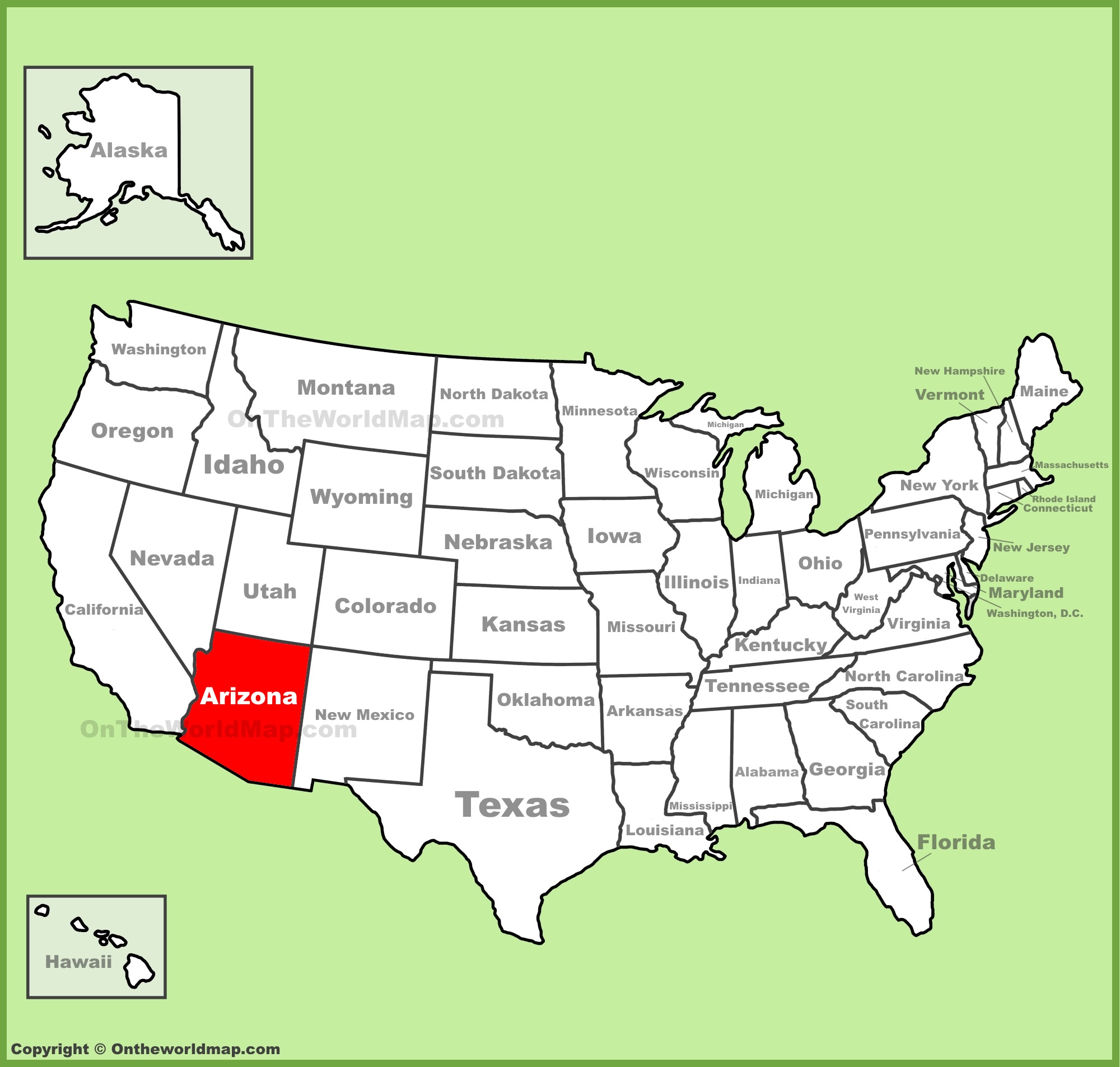
Geographically, Arizona is strategically positioned in the American Southwest. It is one of the Four Corners states, a unique region where the territories of four states—Arizona, Colorado, New Mexico, and Utah—meet at a single point. This geographical anomaly places Arizona at a crossroads of natural wonders and historical significance. To its north lies Utah, a state renowned for its stunning national parks like Zion National Park and Bryce Canyon National Park. To its east is New Mexico, another state with a rich Native American heritage and a distinctive adobe architectural style. To the south, Arizona shares a substantial international border with Mexico, specifically with the Mexican states of Sonora and Chihuahua. This border has profoundly influenced Arizona’s culture, economy, and demographics, fostering a unique blend of American and Mexican traditions. To the west, Arizona is bordered by California and Nevada. California, the most populous state in the U.S., offers a stark contrast with its coastal cities and entertainment hubs, while Nevada is famous for its glittering casinos and the iconic Las Vegas.
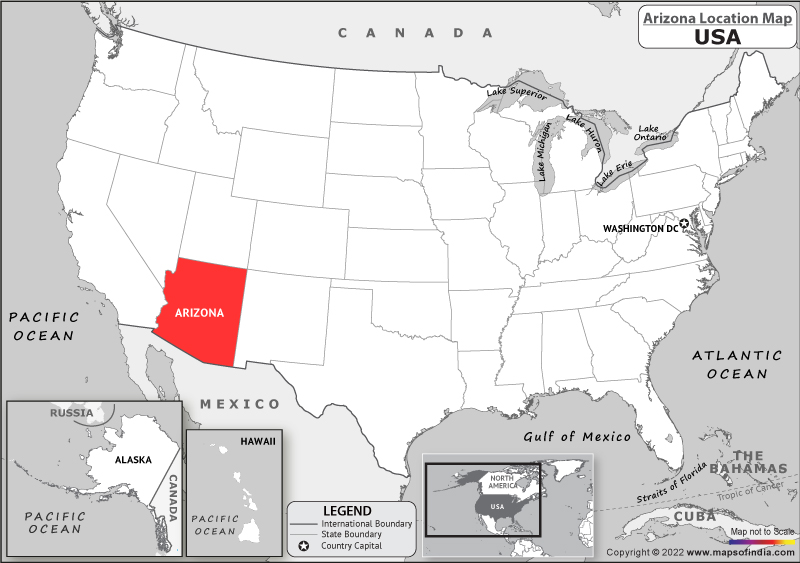
The state’s diverse topography ranges from the arid Sonoran Desert, famous for its saguaro cacti, to the cooler, pine-forested mountains in the north, home to the majestic Grand Canyon National Park. This variety in landscape directly impacts the types of travel experiences available, from exploring ancient cliff dwellings to enjoying winter sports in higher elevations. The state’s capital and largest city, Phoenix, is located in the central-southern part of Arizona, serving as a major hub for transportation, business, and culture. Other significant cities include Tucson in the south, known for its vibrant arts scene and proximity to the Saguaro National Park, and Flagstaff in the north, a gateway to the Grand Canyon and a popular destination for outdoor enthusiasts.
Understanding Arizona’s Role in Regional Tourism
Arizona’s location makes it a pivotal player in regional tourism, particularly for those exploring the American Southwest. Its accessibility from major international airports, especially in Phoenix and Tucson, allows visitors to easily embark on journeys into its dramatic landscapes. The state is a cornerstone of “The Grand Circle,” a popular road trip route that encompasses many of the iconic national parks and monuments in the Colorado Plateau region, including the Grand Canyon, Monument Valley, Zion National Park, and Bryce Canyon National Park. This strategic position means that many visitors to the Southwest will find themselves traversing Arizona, drawn by its unparalleled natural beauty and the promise of unforgettable experiences. The state’s well-developed infrastructure for tourism, including a range of accommodations from luxury resorts to charming desert inns, further enhances its appeal as a must-visit destination.
Exploring Arizona’s Iconic Destinations and Attractions
Arizona is synonymous with some of the most breathtaking natural wonders in the world, drawing millions of visitors each year eager to witness their grandeur. The undisputed crown jewel is the Grand Canyon National Park, a colossal chasm carved by the Colorado River over millions of years. Visitors can experience its awe-inspiring vistas from the South Rim, accessible via Grand Canyon Village, or from the more remote North Rim. Activities range from scenic drives and short hikes along the rim to more strenuous treks down into the canyon itself, or even mule rides. The sheer scale and vibrant colors of the Grand Canyon make it a truly unforgettable landmark.
Beyond the Grand Canyon, Arizona offers a wealth of other natural and historical attractions. The red rock landscapes of Sedona are renowned for their spiritual energy and stunning geological formations. Visitors flock to Sedona for its vibrant arts scene, unique vortex sites, and opportunities for hiking and Jeep tours through its iconic red rock formations. The city is also a popular destination for wellness retreats and New Age practices. Further south, the Saguaro National Park near Tucson protects the iconic saguaro cactus, a symbol of the American West. Driving through the park offers a quintessential desert experience, with these towering cacti dotting the landscape. For a glimpse into ancient history, Mesa Verde National Park (though technically in Colorado, its proximity makes it a common extension for Arizona travelers) and Arizona’s own Montezuma Castle National Monument showcase remarkably preserved cliff dwellings of the ancestral Puebloans, offering a profound connection to the region’s early inhabitants. Monument Valley Navajo Tribal Park, a vast expanse of sandstone buttes and mesas on the Arizona-Utah border, is perhaps one of the most photographed landscapes in the world and a sacred site for the Navajo Nation.
Accommodation and Lifestyle in Arizona’s Tourist Hubs
The diverse attractions of Arizona have fostered a robust tourism sector, offering a wide array of accommodation options to suit every lifestyle and budget. In the vicinity of major landmarks like the Grand Canyon, visitors can choose from historic lodges within the park, such as the El Tovar Hotel, to more modern hotels and motels in nearby towns like Tusayan. For those seeking a more luxurious experience, resorts in Scottsdale and Phoenix offer world-class amenities, including championship golf courses, rejuvenating spas, and fine dining. These urban centers also provide a wealth of apartment and villa rentals for longer stays or for those who prefer a home-away-from-home feel.
For budget travelers, numerous motels, campgrounds, and vacation rentals can be found in and around most popular destinations, allowing for an immersive experience without breaking the bank. The lifestyle in Arizona is deeply connected to its outdoors. Whether it’s the allure of desert adventures, hiking through canyons, stargazing in pristine dark sky areas, or enjoying the vibrant culinary scene in cities like Tucson, Arizona offers a distinct way of life that many visitors find themselves drawn to. The emphasis on outdoor activities extends to family trips, where national parks and kid-friendly resorts provide ample entertainment. Business travelers also benefit from Arizona’s growing economy and well-equipped conference facilities, often complemented by opportunities for leisure and exploration.
Arizona’s Cultural Tapestry and Historical Significance
Arizona’s location has historically made it a melting pot of cultures, from indigenous peoples who have inhabited the land for millennia to Spanish explorers, Mexican ranchers, and American pioneers. This rich history is evident in its architecture, art, cuisine, and traditions. The state is home to numerous Native American tribes, including the Navajo Nation, the Hopi Tribe, and the Apache Tribes, each with their unique languages, customs, and artistic expressions. Visiting tribal lands or cultural centers, such as those in Monument Valley or near Flagstaff, offers invaluable insights into the enduring heritage of these communities.
The Spanish influence is also deeply ingrained in Arizona’s identity, visible in the numerous missions, presidios, and towns established during the colonial era. The historic Spanish Colonial architecture in places like Tucson and the preserved missions such as Mission San Xavier del Bac, often called the “White Dove of the Desert,” are significant landmarks that tell the story of this period. The Gadsden Purchase in 1854 solidified Arizona’s current southern border with Mexico, further shaping its cultural landscape and fostering a strong sense of biculturalism. This blend is most apparent in the state’s culinary scene, where Mexican flavors and ingredients are expertly integrated into local dishes, creating a distinct Southwestern cuisine.

Activities and Experiences Reflecting Arizona’s Heritage
Arizona offers a plethora of activities and experiences that allow visitors to immerse themselves in its rich heritage. Exploring historic downtowns like Jerome, a former copper mining town perched precariously on a hillside, provides a tangible link to the state’s frontier past. These towns often feature art galleries, antique shops, and local eateries that offer a taste of authentic Arizona. The culinary tourism scene is booming, with opportunities to savor everything from authentic Mexican food and Native American fry bread to innovative farm-to-table dining experiences in cities like Phoenix and Sedona. Food tours and cooking classes are popular ways to delve into the local flavors.
For those interested in learning more about the region’s history and culture, museums such as the Heard Museum in Phoenix, dedicated to Native American art and culture, and the Arizona State Museum in Tucson, showcasing archaeological and historical artifacts, are essential stops. Beyond museums, the state actively promotes its cultural heritage through festivals, rodeos, and art shows that celebrate the traditions of its diverse communities. The emphasis on outdoor adventure also intertwines with cultural experiences; guided tours into Monument Valley led by Navajo guides, or visits to ancient cliff dwellings, provide context and understanding of the people who have shaped and continue to inhabit this captivating landscape. Whether seeking luxury or a budget-friendly adventure, Arizona’s location in the heart of the Southwest provides an unparalleled opportunity to explore the intersection of natural beauty, profound history, and vibrant cultural traditions.
LifeOutOfTheBox is a participant in the Amazon Services LLC Associates Program, an affiliate advertising program designed to provide a means for sites to earn advertising fees by advertising and linking to Amazon.com. Amazon, the Amazon logo, AmazonSupply, and the AmazonSupply logo are trademarks of Amazon.com, Inc. or its affiliates. As an Amazon Associate we earn affiliate commissions from qualifying purchases.