
Arizona State University (ASU) is more than just a single campus; it’s a dynamic, multi-campus institution primarily rooted in the sprawling Phoenix metropolitan area, often referred to as the Valley of the Sun. For anyone planning a visit — be it a prospective student, a proud parent, an academic on sabbatical, a business traveler, or a tourist simply curious about this innovative educational powerhouse — understanding its geographical footprint is the first step to unlocking a truly enriching travel experience. ASU’s presence stretches across several vibrant cities, each campus offering a distinct academic focus, cultural atmosphere, and unique attractions for visitors. This guide will navigate you through the diverse locations of Arizona State University, providing insights into the surrounding travel destinations, accommodation options, and local experiences that make each campus community a destination in itself.
From the energetic pulse of its flagship campus in Tempe to the urban professionalism of Downtown Phoenix, the technological innovation in Mesa, and the liberal arts focus in Glendale, ASU’s distributed model allows it to seamlessly integrate with the diverse fabric of Arizona. Beyond just pointing to a spot on a map, we’ll explore the tourism potential, the local culture, dining scenes, and practical tips for anyone looking to visit, stay, or simply explore the world around Arizona State University.
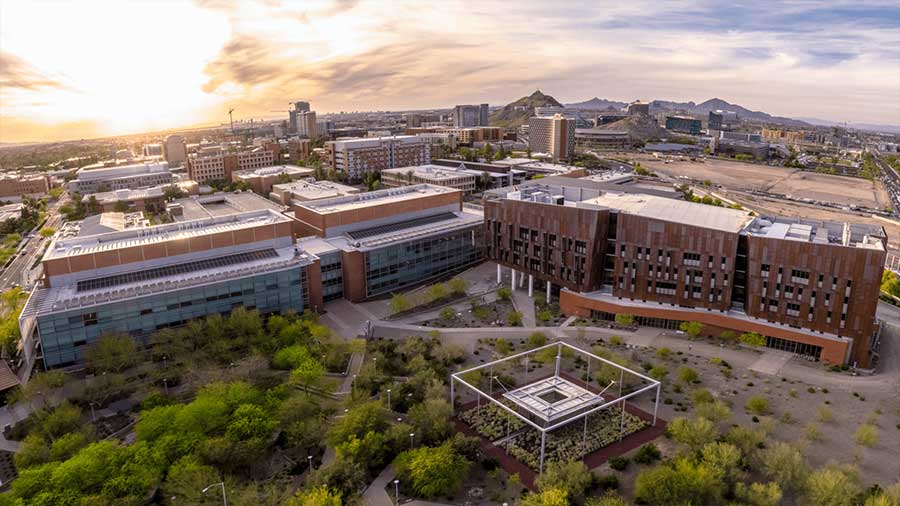
The Heart of ASU: Tempe, Arizona
At the very core of Arizona State University lies its original and largest campus, nestled in the vibrant city of Tempe, Arizona. This is where the majority of ASU’s undergraduate students reside and study, creating an unmistakable college town atmosphere that buzzes with youthful energy, academic pursuits, and a lively social scene.
A Vibrant University Town
Tempe is a city perfectly designed around its university. The Tempe Campus itself is a sprawling, beautifully landscaped urban oasis, famous for its distinctive desert architecture, lush green spaces, and iconic landmarks like “Old Main” and Sun Devil Stadium. For visitors, the appeal of Tempe extends far beyond the campus boundaries. The city offers a dynamic blend of cultural attractions, outdoor activities, and a flourishing culinary scene, making it an exciting destination for a diverse range of travelers.
One of the most popular areas is the Mill Avenue District, located just west of the Tempe Campus. This historic street is the epicenter of Tempe’s nightlife, dining, and shopping. Here, you’ll find everything from trendy boutiques and art galleries to casual eateries, upscale restaurants, and vibrant bars that come alive especially on weekends and during Sun Devil Football game days. It’s an ideal spot for an evening stroll, a delicious meal, or simply soaking in the local atmosphere.
Just a short walk from Mill Avenue is Tempe Town Lake, an urban oasis in the middle of the desert. This man-made lake offers a plethora of recreational opportunities, including paddleboarding, kayaking, and even electric boat rentals. The surrounding parklands are perfect for jogging, cycling, or enjoying a picnic with stunning views of the city skyline and Camelback Mountain in the distance. The lake also hosts numerous events throughout the year, from triathlons to the Tempe Festival of the Arts, attracting visitors from all over the globe.
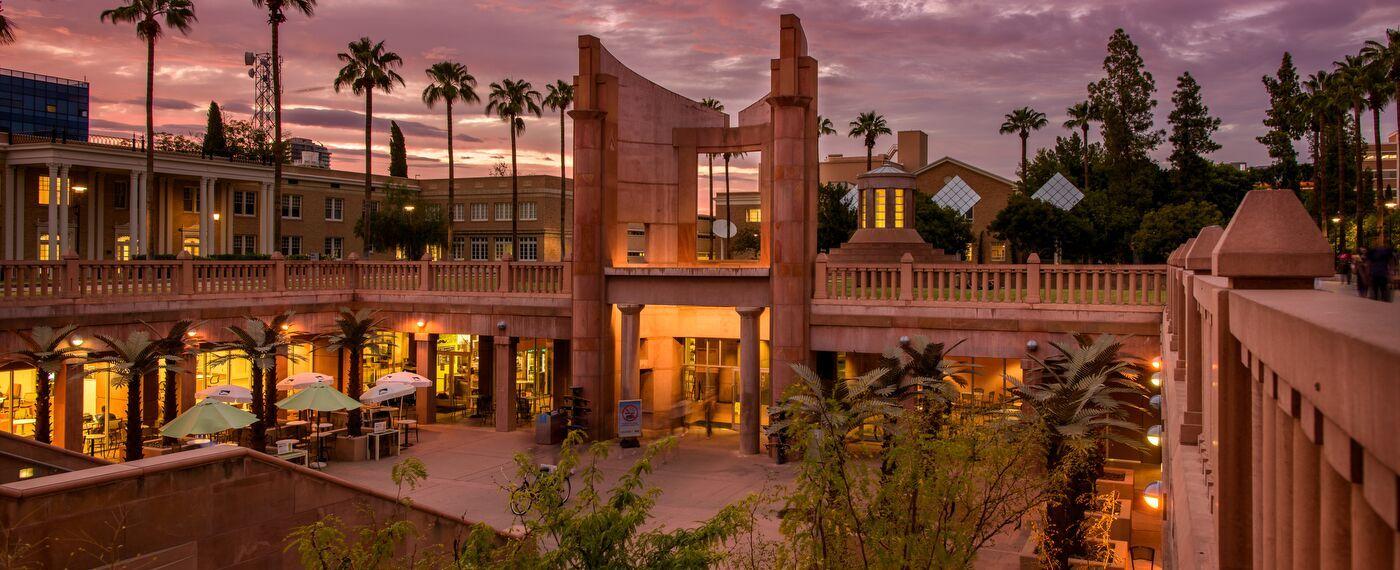
Nature enthusiasts will appreciate the proximity to Papago Park, a unique desert park famous for its distinctive buttes and geological formations like the “Hole-in-the-Rock.” It’s an excellent spot for light hiking, photography, and offers breathtaking panoramic views of Phoenix and Tempe, particularly at sunrise or sunset. Within Papago Park, you’ll also find the world-renowned Desert Botanical Garden and the Phoenix Zoo, making it a prime destination for family trips and cultural exploration.
Getting to the Tempe Campus
The Tempe Campus is remarkably accessible, especially for travelers arriving by air. Phoenix Sky Harbor International Airport (PHX), one of the busiest airports in the United States, is just a mere 10-15 minute drive away. This proximity makes Tempe an incredibly convenient travel destination, whether you’re visiting for a quick campus tour, a conference, or a longer vacation.
Upon arrival at PHX, visitors have several ground transportation options. Taxis, ride-sharing services, and rental cars are readily available. For those seeking a more budget-friendly and eco-conscious option, Valley Metro Rail offers direct service from the airport to Tempe, with multiple stops along Mill Avenue and near the ASU Tempe Campus. This light rail system is an excellent way to navigate not only Tempe but also to connect to Downtown Phoenix and Mesa, providing a seamless experience for tourists. Driving around Tempe is generally straightforward, with several major freeways crisscrossing the area, but parking on or near campus can be limited, especially during peak hours or major events. Utilizing public transport or rideshares for campus visits is often recommended to avoid parking hassles.
Expanding Horizons: ASU’s Diverse Campuses Across the Valley of the Sun
While Tempe serves as the vibrant heart, Arizona State University has strategically expanded its footprint across the wider Phoenix metropolitan area, creating specialized campuses that cater to diverse academic disciplines and offer distinct urban and suburban experiences. Each location presents unique opportunities for tourism, accommodation, and exploring local culture.
Downtown Phoenix Campus: Urban Education at its Finest
Located in the bustling core of Arizona’s capital, the Downtown Phoenix Campus is a hub for professional programs, particularly in journalism, public service, health sciences, and law. This campus is designed for students seeking an immersive urban education, directly connecting them with government agencies, non-profits, and major businesses. For visitors, the Downtown Phoenix Campus offers an entirely different atmosphere compared to Tempe.
Here, you’re steps away from the Arizona State Capitol, several professional sports venues like Footprint Center (home to the NBA’s Phoenix Suns), and a thriving arts and culture scene. Heritage Square, a collection of beautifully preserved Victorian homes, offers a glimpse into Phoenix’s past, while the Phoenix Art Museum, Arizona Science Center, and various theaters provide ample entertainment. The culinary landscape is also rich, with farm-to-table restaurants, diverse ethnic eateries, and trendy coffee shops populating the streets, catering to both the university community and business travelers. Accessibility is excellent via Valley Metro Rail, linking directly to Tempe and the airport.
Polytechnic Campus: Innovation in Mesa
Further to the east, in the city of Mesa, lies the Polytechnic Campus. This campus stands out for its hands-on, project-based learning environment, focusing on applied sciences, engineering, technology, and aviation. It’s an ideal destination for visitors interested in innovation and specialized fields, or simply those looking for a different kind of university experience.
The Polytechnic Campus is built on the site of a former Air Force base, giving it a unique, spacious, and modern feel. Its academic programs often collaborate with local industries, offering a practical approach to education. While Mesa itself is a sprawling suburban city, it boasts its own array of attractions. The Mesa Arts Center is a premier venue for performing arts and exhibitions, and the city offers numerous golf courses and parks. For families visiting prospective students, Mesa provides a quieter, more relaxed atmosphere with easy access to outdoor recreational areas in the Superstition Mountains and along the Salt River, ideal for day trips and scenic drives.
West Campus: A Liberal Arts Oasis in Glendale
On the western side of the Phoenix metro area, in the city of Glendale, you’ll find ASU’s West Campus. This campus is renowned for its strong liberal arts and sciences programs, offering a more intimate, student-centered learning environment with a focus on interdisciplinary studies. The architecture is distinct, featuring tree-lined malls and reflecting Frank Lloyd Wright-inspired designs, providing a serene setting for study and exploration.
Glendale itself is known for its charming historic downtown, often called “Glendale’s Antique Capital,” featuring numerous antique shops, boutiques, and quaint eateries. Sports enthusiasts will recognize Glendale as the home of State Farm Stadium (home of the NFL’s Arizona Cardinals) and Gila River Arena (formerly home to the NHL’s Arizona Coyotes), making it a major destination for large-scale events and concerts. For visitors to the West Campus, the area offers a blend of suburban tranquility with significant entertainment options, especially for those interested in sports or exploring a quieter side of the Valley of the Sun.
Thunderbird School of Global Management: A Global Legacy
A unique and prestigious part of Arizona State University is the Thunderbird School of Global Management. Historically a standalone institution with a global reputation for international business education, Thunderbird became part of ASU and has since relocated its main operations to a state-of-the-art facility on the Downtown Phoenix Campus. This relocation has further solidified ASU’s urban presence and offers students unparalleled access to Phoenix’s business and diplomatic communities.
For visitors interested in global business, international relations, or executive education, the Thunderbird campus is a significant draw. Its new facility is a landmark in itself, embodying modern design and technological integration. Its downtown location means visitors can easily combine academic pursuits with cultural exploration of the city.
Beyond Arizona: ASU’s Global Footprint
While the bulk of Arizona State University’s operations are within Arizona, the university’s influence and programs extend beyond the state borders. For example, the ASU California Center in Los Angeles offers a base for innovation, research, and engagement in the heart of Hollywood. This illustrates ASU’s commitment to global reach and diverse learning environments, offering specialized opportunities that cater to specific regional industries and student populations. While not a primary campus for traditional enrollment, these satellite locations highlight ASU’s innovative approach to education and provide distinct points of interest for specialized visits or collaborations.
Planning Your Visit: Accommodation, Attractions, and Local Experiences
Whether your journey to Arizona State University is driven by academia, family, or pure curiosity, planning your trip involves more than just locating a campus. The Phoenix metropolitan area offers a wealth of options for accommodation, dining, and entertainment that can enhance any visit, transforming it into a memorable travel experience.
Where to Stay: Hotels and Accommodation Near ASU
The diversity of ASU’s campuses is mirrored in the variety of accommodation options available nearby, catering to every budget and lifestyle.
For those visiting the Tempe Campus, hotels range from trendy boutique stays to well-known chains.
- Luxury & Lifestyle: The Canopy by Hilton Tempe Downtown University Area offers a sophisticated experience with rooftop pools and vibrant aesthetics. Another popular choice is the Graduate Tempe, designed with a playful, academic theme, perfect for those seeking unique amenities and a connection to campus culture.
- Mid-Range & Family-Friendly: Options like the DoubleTree by Hilton Phoenix Tempe or the Tempe Mission Palms Hotel offer comfortable stays, often with pools and dining options suitable for families. These are ideal for prospective student tours or attending events.
- Budget-Friendly: Several economy hotels and extended-stay properties are available further from Mill Avenue, providing practical and affordable accommodation for longer visits or budget travel.

Near the Downtown Phoenix Campus, the options lean towards urban luxury and business-centric hotels.
- Luxury & Business: The Hyatt Regency Phoenix and the Sheraton Phoenix Downtown are excellent choices, offering conference facilities, fine dining, and proximity to major attractions. These are perfect for academics attending conferences or business travelers.
- Boutique & Modern: Smaller, stylish hotels and apartment-style accommodations are also emerging, catering to those seeking a more local, curated experience.
For visitors to the Polytechnic Campus in Mesa or the West Campus in Glendale, suburban hotels and resorts offer a different kind of stay.
- Mesa/East Valley: You’ll find a range of chain hotels offering comfortable and spacious rooms, often with easy access to golf courses and outdoor activities.
- Glendale/West Valley: Accommodation includes larger resorts, particularly around the sports and entertainment districts, along with reliable mid-range hotels suitable for family trips or those attending events at State Farm Stadium.
For those seeking truly upscale, resort-style stays that blend luxury travel with accessibility to ASU, consider options in nearby Scottsdale. Hotels like The Phoenician, a Luxury Collection Resort, Scottsdale or the Omni Scottsdale Resort & Spa at Montelucia offer world-class amenities, spas, and golf, providing an indulgent retreat just a short drive from the Tempe Campus. Even in Scottsdale, you can find vibrant, mid-range lifestyle hotels like The Saguaro Scottsdale, offering colorful design and lively pool scenes.
When booking accommodation, remember to check reviews and compare prices, especially during peak seasons like spring break, major sporting events, or graduation. Many hotels offer university-specific rates, so it’s always worth inquiring.
Exploring Beyond the Campuses: Top Attractions in the Phoenix Metro Area
A visit to Arizona State University is an excellent opportunity to experience the best of the Valley of the Sun. Beyond campus-specific attractions, the wider Phoenix area boasts numerous landmarks and activities.
- Nature & Outdoors: Hiking is a quintessential Phoenix experience. Besides Papago Park, trails on Camelback Mountain and Pinnacle Peak offer more challenging climbs and spectacular views. The Desert Botanical Garden and Phoenix Zoo are must-visits for families and nature lovers. For a unique experience, consider a hot air balloon ride over the desert at sunrise.
- Arts & Culture: In addition to downtown museums, the Musical Instrument Museum (MIM) is a world-class attraction showcasing instruments from across the globe. Frank Lloyd Wright’s Taliesin West in Scottsdale offers fascinating architectural tours.
- Shopping & Entertainment: Scottsdale Fashion Square is one of the largest malls in the Southwest, offering luxury brands and diverse retail. For a more charming experience, Old Town Scottsdale combines Western history with contemporary art galleries, shops, and a lively nightlife.
Consider extending your trip to explore Arizona’s iconic natural landmarks. A day trip or overnight stay to the Grand Canyon is achievable, albeit a longer drive, and destinations like Sedona with its stunning red rock formations are much closer and offer incredible hiking and spiritual retreats.
Culinary Delights and Local Culture
The Phoenix metro area is a melting pot of culinary influences, from authentic Mexican cuisine to modern American and innovative fusion restaurants. Each city, especially Tempe and Scottsdale, boasts a vibrant dining scene. Don’t miss trying local favorites like a Sonoran hot dog or indulging in a gourmet meal at one of Scottsdale’s acclaimed establishments. Food tours are an excellent way to experience the local flavors and learn about the city’s gastronomic heritage.
Beyond food, the Valley of the Sun has a rich cultural calendar. Depending on the time of year, you might catch a Spring Training baseball game, attend the Waste Management Phoenix Open golf tournament, or enjoy one of the many cultural festivals that celebrate Arizona’s diverse heritage.
Lifestyle and Long-Term Stays: More Than Just a Campus Visit
Arizona State University and its surrounding communities cater not just to short-term visitors but also offer a compelling lifestyle for those considering longer stays, relocation, or deeper immersion into the local culture. The blend of academic rigor, economic opportunity, and natural beauty makes the Valley of the Sun an attractive place for many.
For Prospective Students and Families
Visiting ASU as a prospective student is a significant life event, and the university and local cities make it an easy and engaging experience. Campus tours are regularly scheduled across all campuses, offering detailed insights into academic programs, student life, and facilities. Beyond formal tours, encourage prospective students to explore the student union buildings, attend a sporting event if available, and walk through the residential areas to get a true feel for what daily life would be like. Families can turn this visit into a mini-vacation, exploring local attractions and amenities that appeal to all ages, demonstrating the vibrant community that supports ASU. Consider apartment-style accommodations for longer visits to get a sense of living arrangements beyond dorms.
For Business Travelers and Academics
With its strong research focus and numerous specialized centers, Arizona State University frequently hosts academics, researchers, and business professionals for conferences, collaborations, and seminars. The proximity of the Downtown Phoenix Campus and the Thunderbird School of Global Management to the city’s business district makes it particularly convenient for corporate and academic events. Many hotels offer executive amenities, meeting spaces, and business centers tailored to these visitors. Public transportation, particularly the Valley Metro Rail, is a huge asset for business travelers looking to navigate between downtown and Tempe efficiently, minimizing reliance on rental cars. Networking events are common, providing ample opportunity to connect with local industries and the academic community.
Long-Term Accommodation and Relocation Insights
Beyond short visits, the Phoenix area, influenced heavily by ASU’s presence, is a popular destination for long-term stays, sabbaticals, or even full relocation. The region offers a robust job market, particularly in tech, healthcare, and education, drawing many to consider making it their home. For those exploring longer stays, serviced apartments, corporate housing, and short-term rental homes are readily available, providing more space and a home-like environment than traditional hotels.
The lifestyle in the Valley of the Sun is characterized by abundant sunshine, diverse outdoor activities, a burgeoning arts scene, and a relatively affordable cost of living compared to other major U.S. cities. Each of ASU’s host cities—Tempe, Phoenix, Mesa, and Glendale—offers different neighborhood vibes, from bustling urban centers to serene suburban communities, allowing individuals and families to find a living situation that perfectly suits their needs and lifestyle preferences. Education, healthcare, and community services are well-developed, making it an attractive place for faculty, staff, and those associated with the university to settle down.
In conclusion, Arizona State University is not confined to a single dot on the map; it’s a dynamic, sprawling institution deeply integrated into the fabric of the Phoenix metropolitan area. Its multiple campuses offer distinct academic focuses and create diverse micro-communities, each rich with opportunities for travel, tourism, and exploration. Whether you’re visiting for academic pursuits, leisure, or considering a longer stay, the Valley of the Sun provides a vibrant backdrop of cultural attractions, natural beauty, and a wide array of accommodation options. From the energetic pulse of Tempe to the urban sophistication of Downtown Phoenix and the innovative spirit of Mesa and Glendale, exploring Arizona State University is an adventure into one of America’s most forward-thinking educational landscapes and an introduction to the unique charm of Arizona.
LifeOutOfTheBox is a participant in the Amazon Services LLC Associates Program, an affiliate advertising program designed to provide a means for sites to earn advertising fees by advertising and linking to Amazon.com. Amazon, the Amazon logo, AmazonSupply, and the AmazonSupply logo are trademarks of Amazon.com, Inc. or its affiliates. As an Amazon Associate we earn affiliate commissions from qualifying purchases.