
The name itself conjures images of a quintessential Californian experience. However, pinpointing the exact location and understanding the essence of California City requires a deeper dive than its straightforward moniker suggests. Far from the bustling metropolises of Los Angeles or the tech hubs of San Francisco, California City offers a unique perspective on the Golden State, one defined by ambitious visions, vast open spaces, and a distinctive desert charm. This exploration delves into its geographical placement, its history, and what a visitor might discover within its unique boundaries, positioning it as an intriguing, albeit unconventional, destination for those seeking something beyond the typical tourist trail.
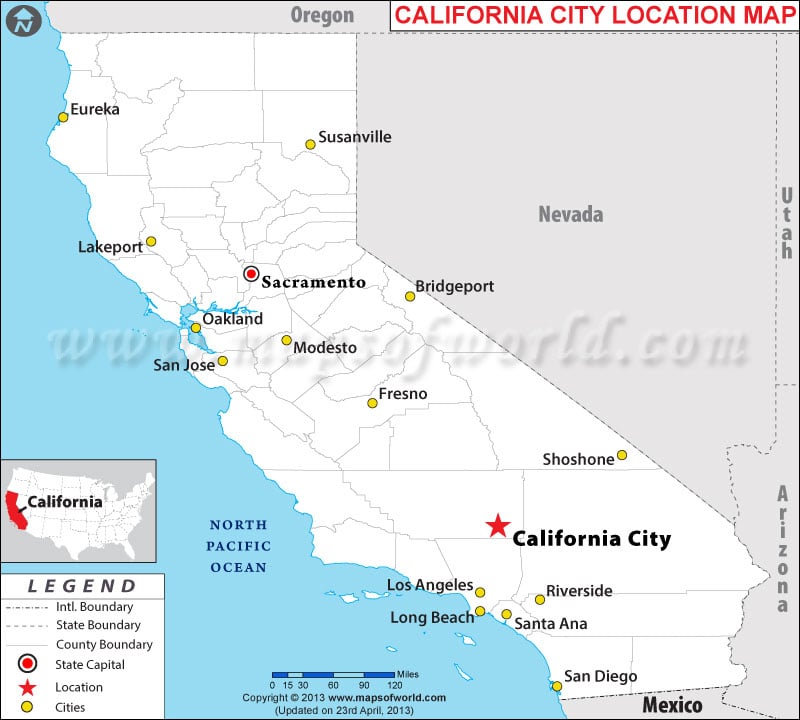
The Geographical Landscape of California City
Nestled within the vast expanse of the Mojave Desert, California City stands as a testament to mid-20th-century urban planning aspirations. Its location is key to understanding its character and potential. Situated in the southern part of Kern County, the city occupies a significant land area, making it one of the largest incorporated cities by area in California. This vastness is not an accident but a core element of its original design.
Strategic Location and Surrounding Environment
California City is strategically positioned approximately 100 miles north of Los Angeles and about 120 miles east of Bakersfield. This proximity to major urban centers, while maintaining a distinct separation, was a deliberate choice. The land was acquired in the 1950s with the ambitious goal of creating a new major city in the desert, designed to alleviate population pressure from the coastal regions. The surrounding landscape is classic high desert: arid, characterized by Joshua trees, creosote bushes, and dramatic mountain ranges in the distance, including the Tehachapi Mountains to the west and the San Gabriel Mountains to the south.
Climate and Weather Patterns
The climate of California City is typical of the Mojave Desert. Summers are hot and dry, with temperatures frequently exceeding 100 degrees Fahrenheit (38 degrees Celsius). Winters are generally mild, with cooler temperatures and occasional rainfall. The desert environment means that sunshine is abundant throughout the year, making it an attractive prospect for those who appreciate a dry climate and clear skies. This consistent sunshine is a significant draw for outdoor activities, provided one is prepared for the temperature extremes.
Infrastructure and Urban Design
Unlike many established cities that grew organically over centuries, California City was planned with a grid system, wide avenues, and designated zones for residential, commercial, and industrial development. The sheer scale of the planned city, covering over 100 square miles, is a prominent feature. While much of this grand vision has yet to be fully realized, the existing infrastructure, including a network of roads and utilities, is in place, hinting at the ambitious future envisioned by its founders. This planned nature gives it a distinct, if somewhat sparse, urban feel, a stark contrast to the historic charm of older Californian cities.
The Vision and History of a Desert Metropolis
The story of California City is one of bold ambition and the enduring allure of creating a “city of the future.” Its genesis lies in the post-World War II era, a time of significant population growth and westward expansion in the United States.
The Genesis of a Planned City
In the mid-1950s, a development company, Nat Mendelsohn and his associates, purchased a vast tract of desert land with the audacious goal of building a metropolis from scratch. The vision was to create a self-sufficient city that would attract businesses and residents with its modern design, abundant land, and a planned quality of life. The city was incorporated in 1965, marking a significant step in this ambitious project. The initial marketing efforts promised a vibrant community with ample opportunities, drawing parallels to the rapid growth of other Southern Californian cities.
Early Development and Setbacks
The early years saw the construction of some basic infrastructure and the sale of residential and commercial lots. However, the dream of a booming desert metropolis faced considerable challenges. The remoteness of the location, coupled with the harsh desert environment, proved to be significant hurdles. Economic downturns and shifts in population trends also impacted the city’s growth trajectory. Despite these setbacks, the core infrastructure laid out by the original developers remains, a silent testament to their grand aspirations.
Modern California City: Reality and Potential

Today, California City is a unique blend of its planned past and its present reality. It is home to a growing population, attracted by its affordability compared to coastal cities and its vast open spaces. The city has become a base for various industries, including aerospace, agriculture, and logistics, benefiting from its strategic location and available land. The original vision of a sprawling metropolis has evolved, but the spirit of innovation and development continues to drive the community forward, albeit at a more measured pace.
Exploring California City: Attractions and Experiences
While California City might not boast world-famous landmarks like the Golden Gate Bridge or the Hollywood Walk of Fame, it offers a distinct set of attractions and experiences that appeal to those seeking a different kind of Californian adventure. Its charm lies in its quietude, its vastness, and its unique desert character.
The Open Road and Desert Scenery
The most prominent “attraction” in California City is arguably its expansive landscape. The wide, straight roads stretch out towards the horizon, offering a sense of freedom and an unparalleled opportunity for scenic drives. For photographers and nature enthusiasts, the desert vistas, especially at sunrise and sunset, provide breathtaking backdrops. The opportunity to simply drive and absorb the immensity of the Mojave Desert is a significant part of the experience.
Local Parks and Recreation
Within the city, several parks provide green spaces for recreation and relaxation. California City Central Park is a notable example, offering amenities like picnic areas, playgrounds, and sports fields. For those interested in outdoor activities, the surrounding desert areas offer opportunities for hiking, off-roading, and stargazing. The clear desert skies, far from urban light pollution, make California City an excellent spot for amateur astronomers.
Proximity to Natural Wonders
California City also serves as a convenient base for exploring larger natural attractions in the region. It is within a reasonable driving distance of unique desert landscapes and geological formations. While not directly adjacent, its location offers a gateway to experiencing the broader natural beauty of Southern California’s inland regions.
Planning Your Visit to California City
A visit to California City is best approached with an understanding of its unique nature – a planned city in the making, set against the dramatic backdrop of the desert. It’s a destination for those who appreciate solitude, wide-open spaces, and the quiet beauty of an arid landscape.
When to Visit
The most pleasant times to visit California City are during the spring (March to May) and autumn (September to November). During these months, the temperatures are milder, making outdoor activities more enjoyable. Summer can be extremely hot, requiring careful planning and hydration for any excursions. Winter offers cool, crisp air, but daytime temperatures can still be warm.
Getting There and Around
California City is accessible by car. The primary routes are California State Route 58 and California State Route 14. The nearest major airports are in Los Angeles and Bakersfield. Once in California City, a car is essential for exploring the city and its surroundings due to the vast distances and limited public transportation.

Accommodation and Amenities
Accommodation options in California City are more modest compared to major tourist hubs. Visitors can find a range of standard hotel accommodations, motels, and some vacation rentals. The city has a growing number of businesses catering to its residents, including grocery stores, restaurants, and essential services. For travelers seeking a unique experience, the simplicity and quietude of California City offer a refreshing departure from more crowded destinations. It’s a place to disconnect and appreciate the vastness of the American West.
LifeOutOfTheBox is a participant in the Amazon Services LLC Associates Program, an affiliate advertising program designed to provide a means for sites to earn advertising fees by advertising and linking to Amazon.com. Amazon, the Amazon logo, AmazonSupply, and the AmazonSupply logo are trademarks of Amazon.com, Inc. or its affiliates. As an Amazon Associate we earn affiliate commissions from qualifying purchases.