
Canoga Park, California, stands as a vibrant and historically rich community nestled in the heart of the San Fernando Valley. For those unfamiliar with the sprawling geography of Los Angeles County, pinpointing this district on a map reveals more than just a location; it uncovers a dynamic hub offering a unique blend of suburban tranquility and urban accessibility. Far from being an isolated enclave, Canoga Park serves as a key player in the intricate tapestry of one of the world’s most famous metropolitan areas, presenting itself as both a destination in its own right and a strategic launching pad for exploring greater Southern California. Understanding “where” Canoga Park is fundamentally involves appreciating its geographical context, its historical evolution, and its contemporary role within the broader Los Angeles landscape.
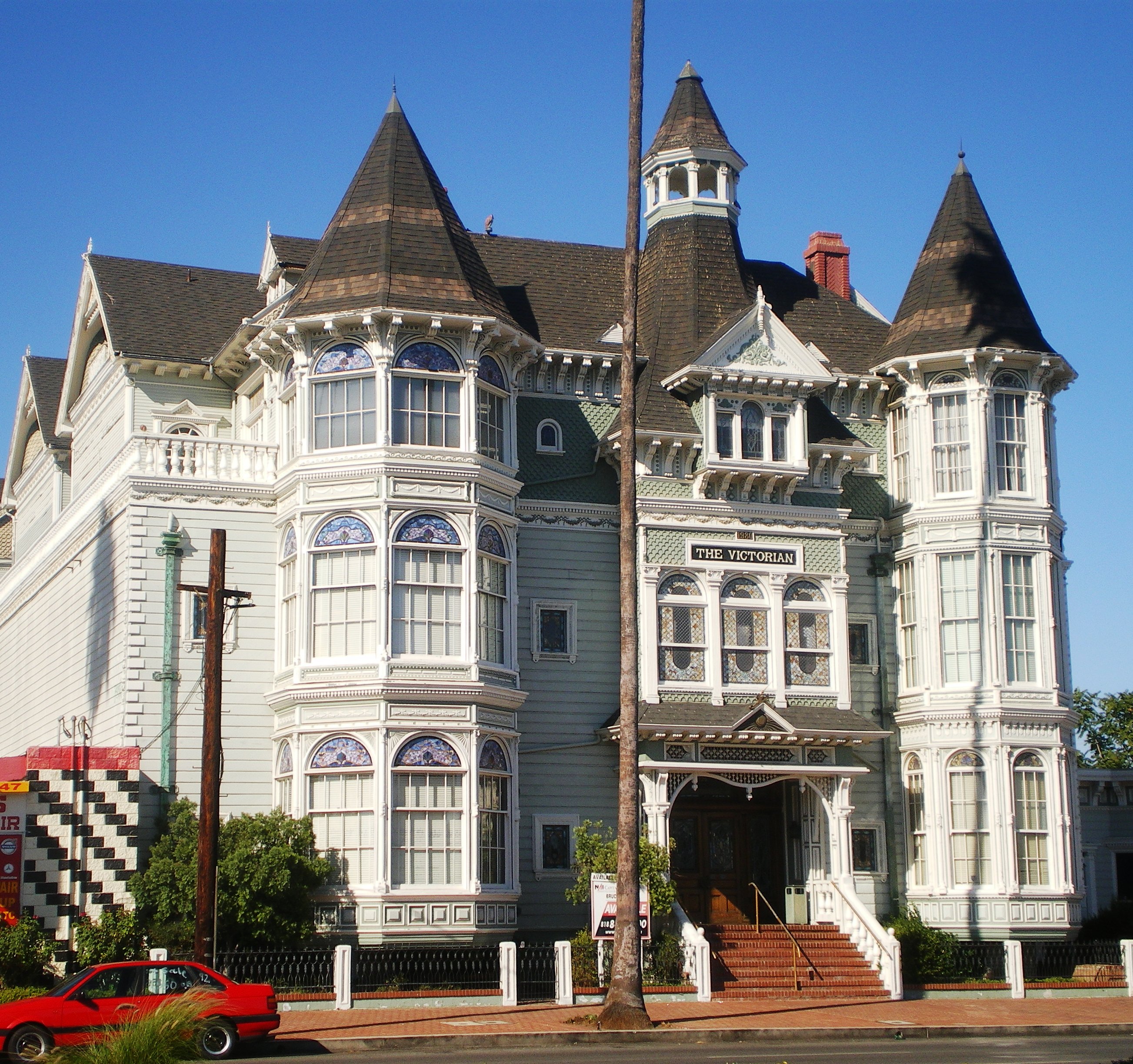
Geographic Heartbeat of the San Fernando Valley
At its core, Canoga Park is defined by its prime location within the expansive San Fernando Valley, a vast urbanized valley in Los Angeles County. This positioning grants it distinct geographical characteristics, making it identifiable not only by its street addresses but also by its natural and infrastructural surroundings.
Los Angeles County’s Western Edge
Canoga Park occupies a significant portion of the western San Fernando Valley, an area characterized by its relatively flat terrain, framed by mountains to the north, south, and west. Specifically, it is situated northwest of Downtown Los Angeles, approximately 28 miles away, making it a crucial component of the city’s vast suburban expanse. To its immediate south lies Woodland Hills, famous for its commercial centers and residential areas. To the west are West Hills and the boundary of the Los Angeles city limits, beyond which lies Ventura County. To the north, the community borders Chatsworth and the foothills of the Santa Susana Mountains, offering picturesque views and natural recreational opportunities. Eastward, it transitions into Reseda and other central Valley communities. This strategic placement ensures that Canoga Park benefits from both its proximity to major urban centers and its connection to natural landscapes. The Los Angeles River, though largely channelized, also flows through the area, a testament to the region’s historical and ecological roots.
Accessibility and Connectivity
One of the defining features of Canoga Park’s location is its exceptional connectivity. The district is well-served by a network of major freeways and thoroughfares, making it easily accessible from various parts of Los Angeles and beyond. The Ventura Freeway (US-101) runs along its southern edge, providing a direct link to the coast, including Malibu and Santa Monica, as well as to Hollywood and Downtown Los Angeles. To the north, the Ronald Reagan Freeway (CA-118) offers routes to northern San Fernando Valley communities and beyond. Internally, major arteries like Topanga Canyon Boulevard (SR 27), Canoga Avenue, and Sherman Way traverse the community, facilitating local travel and connecting residents and visitors to a wide array of amenities. Public transportation, including the Orange Line bus rapid transitway, further enhances its accessibility, linking Canoga Park to major transit hubs and destinations throughout the Valley. This excellent infrastructure underscores Canoga Park’s role as an integrated and well-connected part of the greater Los Angeles region.
A Tapestry of Culture and Community
Beyond its geographical coordinates, Canoga Park’s identity is shaped by its rich history and diverse community, creating a cultural landscape that is both welcoming and dynamic. Understanding these aspects provides a deeper insight into the character of this San Fernando Valley gem.
Historical Roots and Evolution
Originally known as Owensmouth, the area was founded in 1912 as a planned agricultural community, designed to thrive on the waters of the Los Angeles Aqueduct. The name reflected its position as the “mouth” of the Owens Valley water source. In 1930, the community was renamed Canoga Park, a nod to the Canoga settlement in New York and its agricultural prosperity. Throughout the mid-20th century, Canoga Park transitioned from an agricultural center to a burgeoning suburban area, attracting families and businesses. It played a significant role in the aerospace industry during the Cold War, with companies like Rocketdyne establishing major facilities here, contributing to the region’s economic growth and scientific advancements. This history has left an indelible mark on the community, evident in its architectural styles, its long-standing local businesses, and the deep roots of its residents, many of whom trace their lineage back through generations in the Valley.
Modern Day Canoga Park Life
Today, Canoga Park is a melting pot of cultures, home to a diverse population that contributes to its vibrant atmosphere. The community is known for its strong sense of local identity, balanced with the multicultural influences characteristic of Los Angeles. Residential areas range from historic bungalows to modern apartment complexes, reflecting its growth and adaptability. The presence of institutions like Pierce College, a large community college, injects youthful energy and educational opportunities into the area. Local events, farmers’ markets, and community festivals throughout the year foster a sense of togetherness and provide platforms for cultural exchange. This blend of historical legacy and contemporary diversity makes Canoga Park a unique place, offering a distinct flavor within the expansive Los Angeles mosaic.

Exploring Canoga Park: Beyond the Map
For the traveler, knowing “where” Canoga Park is merely the first step. The true essence lies in discovering what it offers. While not typically on the top of international tourist itineraries, Canoga Park presents an authentic Los Angeles experience, rich with local flavors, recreational spaces, and everyday life that can be deeply engaging for those seeking to immerse themselves in the local fabric.
Local Flavors and Culinary Diversity
The culinary scene in Canoga Park is a testament to its cultural diversity. From authentic Mexican taquerias and Salvadoran pupuserias to traditional American diners and Vietnamese pho spots, the options are extensive and often reflect the local demographics. Victory Boulevard and Topanga Canyon Boulevard are particularly lively stretches, housing a variety of independent restaurants, cafes, and bakeries. Visitors can embark on a delicious journey without leaving the neighborhood, sampling everything from gourmet burgers to exotic international dishes. This local gastronomic landscape provides a genuine taste of Los Angeles’s incredible food culture, often at more accessible prices than in more famous districts.
Parks and Green Spaces
Despite its urbanized setting, Canoga Park is home to several parks and recreational areas that offer respite and opportunities for outdoor activities. Lanark Park is a central community park featuring sports fields, a playground, and community center activities. The Los Angeles River Greenway offers walking and biking paths along the revitalized sections of the Los Angeles River, providing a unique urban nature experience. For those willing to venture slightly north, the natural beauty of the Santa Susana Mountains comes into view, with destinations like O’Melveny Park in Granada Hills offering extensive hiking trails and panoramic views of the Valley. Further west, Stoney Point Park in Chatsworth is a popular spot for rock climbing and bouldering amidst intriguing rock formations. These green spaces underscore Canoga Park’s connection to the broader natural environment of Southern California, offering a blend of city life and outdoor adventure.
Shopping and Entertainment
While Canoga Park itself boasts a variety of local shops and services, its proximity to major retail and entertainment hubs is a significant draw. Immediately adjacent to Canoga Park is the Warner Center in Woodland Hills, a master-planned community that is home to the colossal Westfield Topanga & The Village shopping complex. This premier destination offers an unparalleled retail experience with hundreds of stores, diverse dining options, and entertainment venues. Within Canoga Park itself, local spots like Canoga Park Bowl provide classic entertainment for families and friends. The district’s commercial corridors are dotted with independent boutiques, specialty stores, and everyday conveniences, reflecting the needs and tastes of its residents. This blend ensures that visitors can find both high-end retail therapy and charming local finds.
Why Canoga Park Matters to the Traveler
Ultimately, the question “Where is Canoga Park, California?” transcends a simple geographical answer. It reveals a destination that, while perhaps not as globally recognized as its more famous neighbors, offers a compelling experience for those seeking an authentic glimpse into the diverse fabric of Los Angeles life.
A Gateway to Greater Southern California
Canoga Park’s strategic location makes it an excellent base for exploring the wider region. Its easy access to major freeways means that iconic Southern California destinations are well within reach. A drive south on the 101 Freeway quickly leads to the beaches of Malibu and Santa Monica, the cultural attractions of Hollywood, and the bustling urban landscape of Downtown Los Angeles. Heading north or east can take visitors to the rugged trails of the Santa Monica Mountains, the family-friendly fun of Universal Studios Hollywood, or the vast green expanses of Griffith Park. For travelers who prefer to experience a region from a local perspective rather than constantly being surrounded by tourist crowds, Canoga Park provides an ideal balance of quiet residential charm and convenient access to all the wonders of Los Angeles.
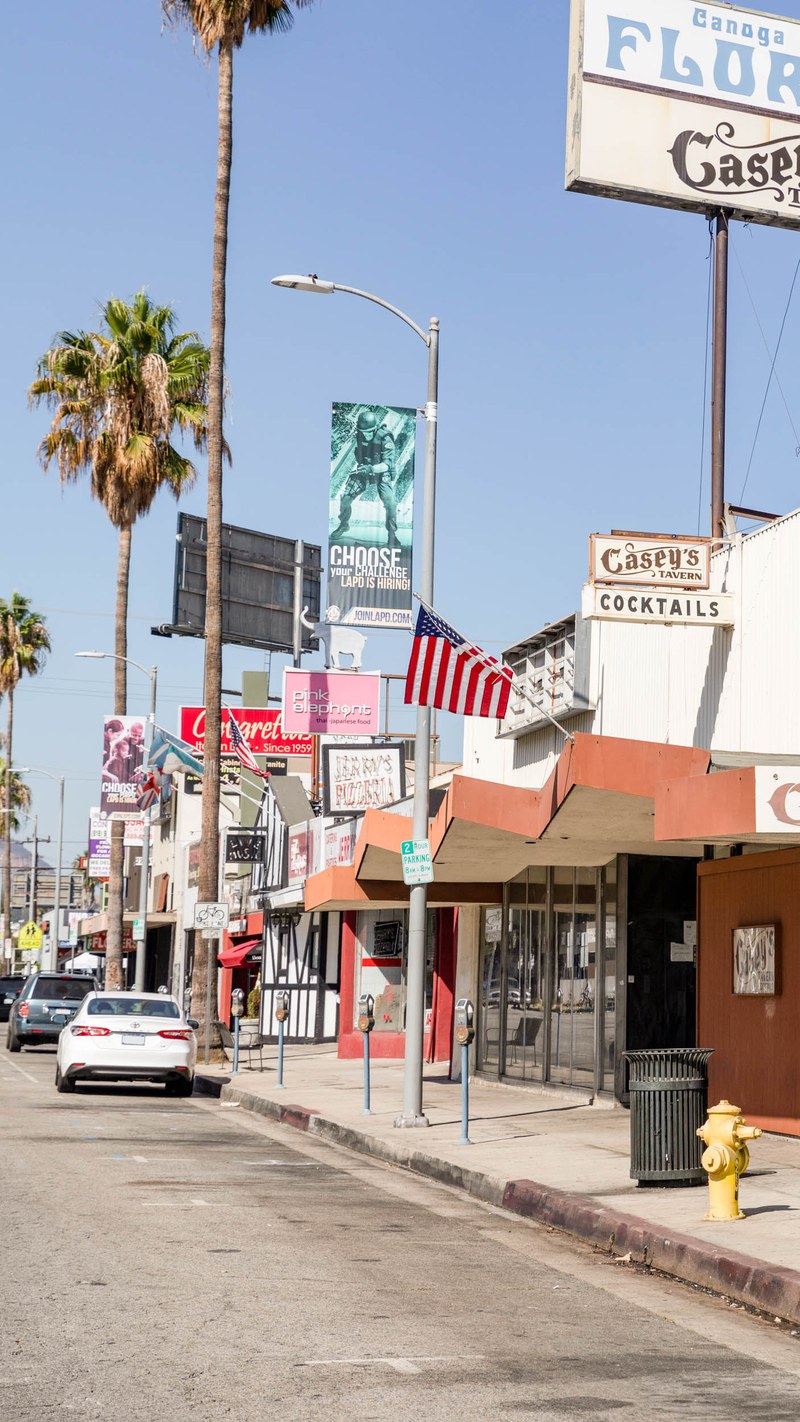
Authentic Local Experience
What truly sets Canoga Park apart is its ability to offer an authentic, unvarnished Los Angeles experience. It’s a place where everyday life unfolds, free from the constant performance of major tourist districts. Here, visitors can dine where locals eat, shop where locals shop, and experience the rhythm of a true San Fernando Valley neighborhood. It’s a destination for those who appreciate the nuances of a community, its historical layers, and the vibrant lives of its residents. From the historical significance of its early development to its current status as a diverse and connected part of the urban fabric, Canoga Park offers a rewarding exploration for anyone interested in delving deeper into the multifaceted reality of California’s most populous city. It is more than just a dot on the map; it is a living, breathing community with a story to tell, inviting travelers to discover its unique charm.
LifeOutOfTheBox is a participant in the Amazon Services LLC Associates Program, an affiliate advertising program designed to provide a means for sites to earn advertising fees by advertising and linking to Amazon.com. Amazon, the Amazon logo, AmazonSupply, and the AmazonSupply logo are trademarks of Amazon.com, Inc. or its affiliates. As an Amazon Associate we earn affiliate commissions from qualifying purchases.