
Nestled along Florida’s tranquil Gulf Coast, Cedar Key is a captivating island city in Levy County, far removed from the bustling theme parks and high-rise developments that characterize much of the state. It is part of Florida’s evocative “Nature Coast,” a region celebrated for its undeveloped natural beauty, abundant wildlife, and serene, old-Florida charm. This historic fishing village, perched on the last habitable island in a chain of barrier islands, offers a unique travel experience for those seeking an authentic escape into nature and a slower pace of life.
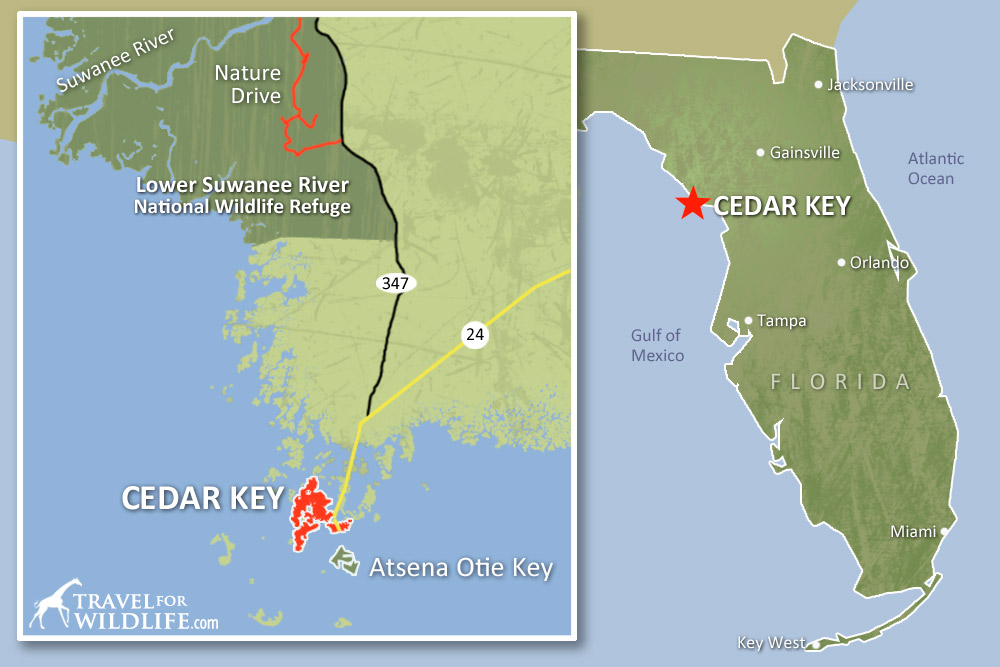
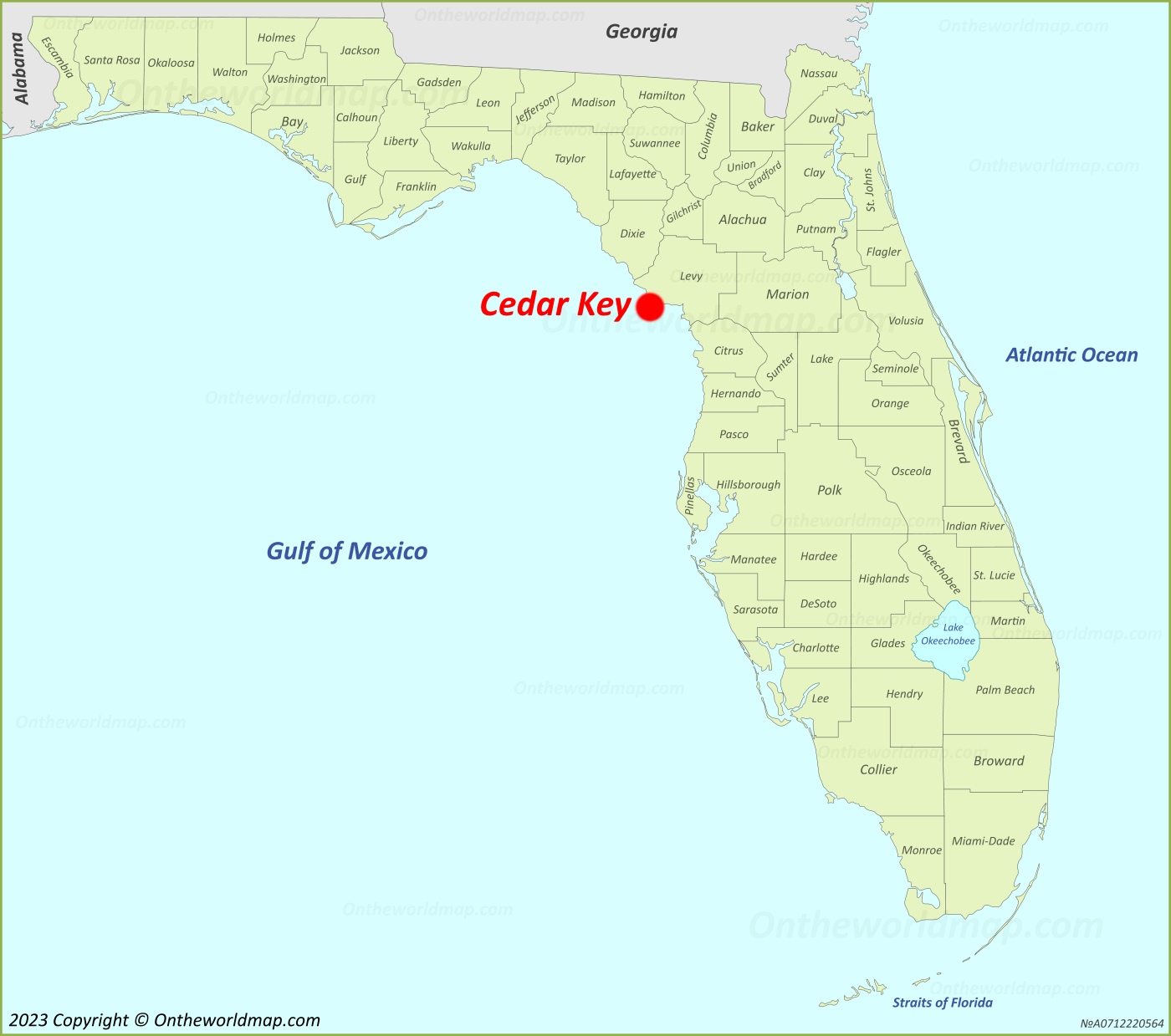
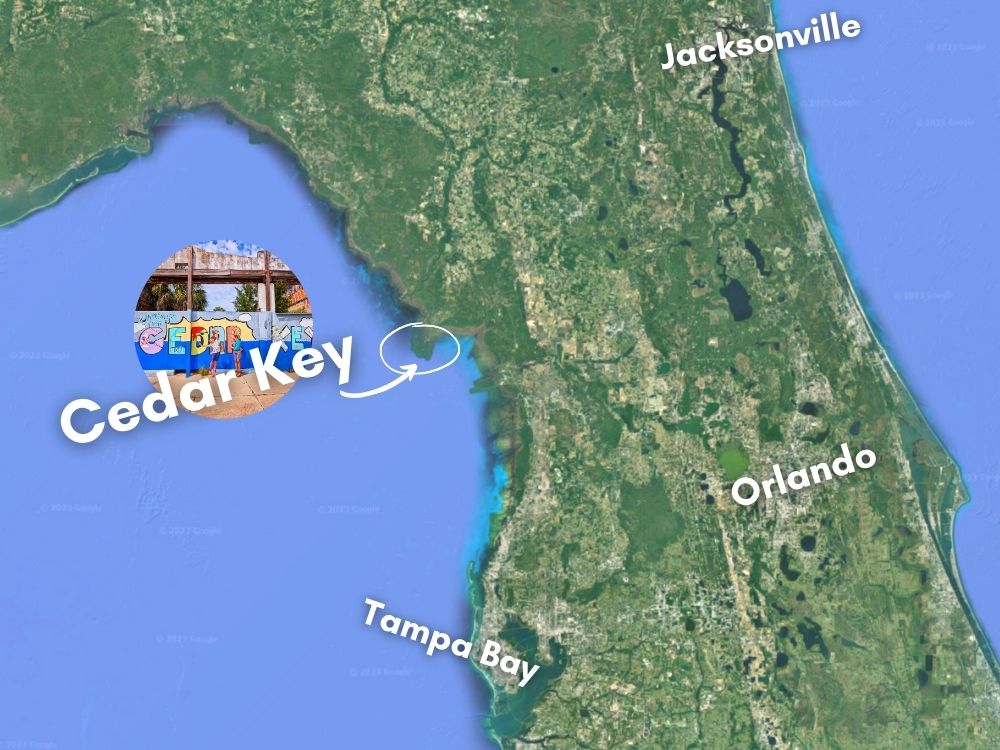
Geographically, Cedar Key is situated approximately 50 miles southwest of Gainesville, 130 miles north of Tampa, 140 miles west of Orlando, and 150 miles south of Jacksonville. Its relatively isolated location contributes significantly to its unspoiled character, making the journey to this coastal haven an integral part of the adventure. The drive itself is a scenic introduction to the region, transitioning from dense Florida forests to expansive salt marshes as SR 24 winds its way across causeways to the welcoming shores of Cedar Key.
Reaching the Island Paradise: Access and Transportation
Traveling to Cedar Key is part of its charm, involving a picturesque journey that sets the tone for a relaxing escape. While its secluded nature is a major draw, accessing this island retreat is straightforward for most travelers.
Driving to Cedar Key
The primary route to Cedar Key is via State Road 24. This two-lane highway branches off from U.S. Routes 19/98 near the small community of Otter Creek and leads directly to the island. The final leg of the drive, stretching for about 20 miles, is particularly memorable. Travelers will traverse a series of bridges and causeways that crisscross vast expanses of emerald-green marshlands, offering panoramic views of the tranquil Gulf of Mexico and the intricate estuarine ecosystem. This scenic approach provides a gradual immersion into the natural beauty that defines Cedar Key. Parking is generally available on the island, with many accommodations offering dedicated spaces, and public parking lots located conveniently near the main attractions, restaurants, and shops.
Nearby Airports
For those traveling from further afield, several airports serve the region, necessitating a rental car for the final leg of the journey to Cedar Key.
- Gainesville Regional Airport (GNV): Located approximately an hour’s drive northeast, GNV is the closest commercial airport. It offers limited direct flights, primarily connecting to major hubs like Atlanta and Charlotte.
- Tampa International Airport (TPA): Roughly a two-and-a-half-hour drive south, TPA is a larger airport with a broader selection of domestic and international flights.
- Orlando International Airport (MCO): Also about two-and-a-half hours away to the southeast, MCO is Florida’s busiest airport, offering the most extensive flight options.
Travelers flying into Tampa or Orlando should plan for a scenic drive through rural Florida, often passing through charming small towns and unspoiled landscapes, adding to the sense of discovery.
Navigating the Island
Once on Cedar Key itself, the compact nature of the main island makes navigation incredibly easy and often vehicle-optional. The downtown area, where most restaurants, shops, and art galleries are concentrated, is highly walkable. Many visitors choose to explore on foot, allowing for spontaneous stops and a leisurely pace. Golf carts are a popular and convenient mode of transport, often rented from local businesses or provided by accommodations, ideal for zipping around the island. Bicycles are another excellent option, offering a healthy and eco-friendly way to discover hidden nooks and crannies. For guests staying within the main town, the need for a personal vehicle is significantly reduced, further contributing to the island’s relaxed atmosphere.
Why Travel to Cedar Key? An Authentic Florida Experience
Beyond its geographical location, Cedar Key’s allure lies in the unique travel experience it offers. It represents a precious vestige of “Old Florida,” providing a stark contrast to the state’s more commercialized destinations.
A Step Back in Time
For travelers weary of neon lights and long lines, Cedar Key offers a refreshing journey into the past. The island exudes a timeless charm, characterized by its historic wooden buildings, stilt houses, and a palpable sense of community that has resisted rapid modernization. The absence of chain restaurants, big box stores, and high-rise developments is intentional, preserving an authentic coastal village atmosphere. Visitors can wander through the historic district, explore the Cedar Key Historical Society Museum to learn about the island’s rich past as a bustling port, pencil manufacturing hub, and fishing village. This deliberate preservation of character fosters an environment where relaxation and genuine connection with the surroundings take precedence.
Nature and Wildlife Encounters
Cedar Key is a haven for nature lovers and outdoor enthusiasts. It is the gateway to the Cedar Keys National Wildlife Refuge, a collection of uninhabited islands that serve as critical nesting and feeding grounds for a diverse array of migratory and resident birds. Birdwatching is a premier activity, with opportunities to spot roseate spoonbills, white pelicans, ospreys, and numerous species of egrets and herons.
The calm, shallow waters surrounding the island are perfect for kayaking and paddleboarding, allowing travelers to navigate through intricate mangrove tunnels and explore secluded coves. Dolphin sightings are common, and lucky visitors might even catch a glimpse of manatees gracefully gliding through the waters. Fishing is deeply ingrained in the local culture, and visitors can enjoy chartered fishing trips targeting species like redfish, trout, snapper, and grouper, or simply cast a line off one of the many piers. The natural beauty of Cedar Key invites unhurried exploration and intimate encounters with Florida’s pristine coastal ecosystem.
Culinary Delights: Fresh Seafood
Cedar Key’s identity is inextricably linked to its rich seafood industry. The island is renowned as a national leader in clam aquaculture, producing a significant portion of the country’s farm-raised clams. This focus on sustainable seafood means visitors are guaranteed incredibly fresh, locally sourced dining experiences.
The island’s restaurants, many of which are charming, family-owned establishments, specialize in Gulf-to-table cuisine. Freshly harvested clams and oysters are menu staples, often prepared in a variety of delicious ways, from steamed and raw to baked and fried. The local favorite, Cedar Key clam chowder, is a must-try for any visitor. Beyond shellfish, the menus feature an abundance of fresh fish and shrimp, often served with a Florida flair. Traveling to Cedar Key offers not just beautiful scenery, but also a genuine taste of coastal Florida’s bounty, especially celebrated during events like the annual Cedar Key Seafood Festival.
Planning Your Cedar Key Adventure
To make the most of a travel experience to Cedar Key, a bit of planning can enhance the journey, ensuring a seamless and enjoyable visit.
Best Time to Visit
The ideal time to travel to Cedar Key largely depends on personal preferences regarding weather and crowd levels.
- Spring (March to May) and Fall (October to November): These seasons offer the most pleasant weather, with mild temperatures, lower humidity, and gentle breezes. They are perfect for outdoor activities like kayaking, birdwatching, and simply strolling around the island. These months also host popular local festivals.
- Summer (June to September): While hot and humid, summer is great for water-based activities like swimming, fishing, and boating. Afternoon thunderstorms are common but often brief. Be prepared for higher humidity and potentially more insects.
- Winter (December to February): Cooler temperatures prevail, making it a peaceful time to visit. The island is quieter, and it’s an excellent season for birdwatching as many migratory species arrive. However, some smaller shops or restaurants might have reduced hours.
Accommodation Options
Cedar Key prides itself on its unique, independent lodging options rather than large chain hotels. Travelers will find a selection of charming boutique hotels, quaint inns, and a variety of vacation rentals, including houses and condos, many offering stunning views of the Gulf of Mexico. These accommodations often reflect the island’s historic character and provide a personalized, welcoming atmosphere. Early booking is advisable, especially during peak season and festival weekends, as options can be limited.
Essential Packing Tips
Packing thoughtfully ensures a comfortable trip to Cedar Key. Essentials include:
- Comfortable walking shoes: For exploring the town and trails.
- Swimwear: If planning to enjoy the water.
- Insect repellent: Especially crucial during warmer months and for evening outings.
- Sun protection: Sunscreen, hats, and sunglasses are vital year-round.
- Light layers: For cooler evenings, even in spring and fall.
- Camera: To capture the breathtaking sunsets and abundant wildlife.
- Binoculars: For enhanced birdwatching experiences.
Embracing the Pace
Perhaps the most important tip for traveling to Cedar Key is to arrive with an open mind and a readiness to slow down. This isn’t a destination for hurried sightseeing or a packed itinerary. It’s a place to disconnect from the digital world, reconnect with nature, and savor the simple pleasures of island life. Embrace the “island time” philosophy, allow for spontaneous discoveries, and simply let the tranquility of the Gulf Coast wash over you.
Exploring Beyond the Main Island
The allure of Cedar Key extends beyond its main island, offering travelers opportunities for deeper exploration of the surrounding natural environment.
Island Hopping and Boat Tours
The cluster of barrier islands that make up the Cedar Keys National Wildlife Refuge are a major draw. While most are uninhabited and protected, some are accessible via boat. Atsena Otie Key, located just a short boat ride from the main island, is a popular destination. It offers a historic cemetery, remnants of an old settlement, and pristine walking trails through untouched coastal hammocks. Local tour operators provide guided boat trips that offer not only transportation to these outer islands but also insightful commentary on the area’s ecology, history, and wildlife, including dolphin-watching excursions and sunset cruises. These tours are an excellent way for travelers to fully appreciate the unique geography and biodiversity of the Cedar Key archipelago.
Nearby Natural Attractions
For those with a car and a desire to extend their exploration of Florida’s Nature Coast, several other natural attractions are within a reasonable drive of Cedar Key.
- Waccasassa Bay Preserve State Park: Located south of Cedar Key, this expansive preserve offers opportunities for paddling, fishing, and birdwatching amidst vast salt marshes and pine flatwoods. It’s a great spot for those seeking a more rugged, undeveloped wilderness experience.
- Manatee Springs State Park: A bit further inland, approximately an hour’s drive northeast, this park is home to one of Florida’s first-magnitude springs, where manatees gather in cooler months. Visitors can swim, snorkel, dive in the clear spring waters, and explore extensive boardwalks through lush cypress swamps.
- Suwannee River: The legendary Suwannee River is also accessible from the region, offering chances for canoeing, kayaking, and fishing along its iconic, blackwater flow.
By understanding “Where Is Cedar Key Florida Located?” travelers unlock the gateway to a distinctive Florida experience—one defined by natural beauty, historical depth, and an undeniable sense of tranquility that beckons visitors to slow down and truly savor their journey.
LifeOutOfTheBox is a participant in the Amazon Services LLC Associates Program, an affiliate advertising program designed to provide a means for sites to earn advertising fees by advertising and linking to Amazon.com. Amazon, the Amazon logo, AmazonSupply, and the AmazonSupply logo are trademarks of Amazon.com, Inc. or its affiliates. As an Amazon Associate we earn affiliate commissions from qualifying purchases.