
The allure of Las Vegas is undeniable, a city synonymous with dazzling lights, world-class entertainment, and an electric atmosphere. However, the iconic Nevada desert landscape also dictates a distinct climate that profoundly influences the visitor experience. Understanding the weather in Las Vegas is not just about packing the right clothes; it’s integral to planning an itinerary that maximizes enjoyment, from exploring the Las Vegas Strip to venturing beyond the city limits to natural wonders. This guide delves into the climatic nuances of Las Vegas, offering insights to help you prepare for your trip, no matter the season.
Understanding the Las Vegas Climate: A Desert Oasis
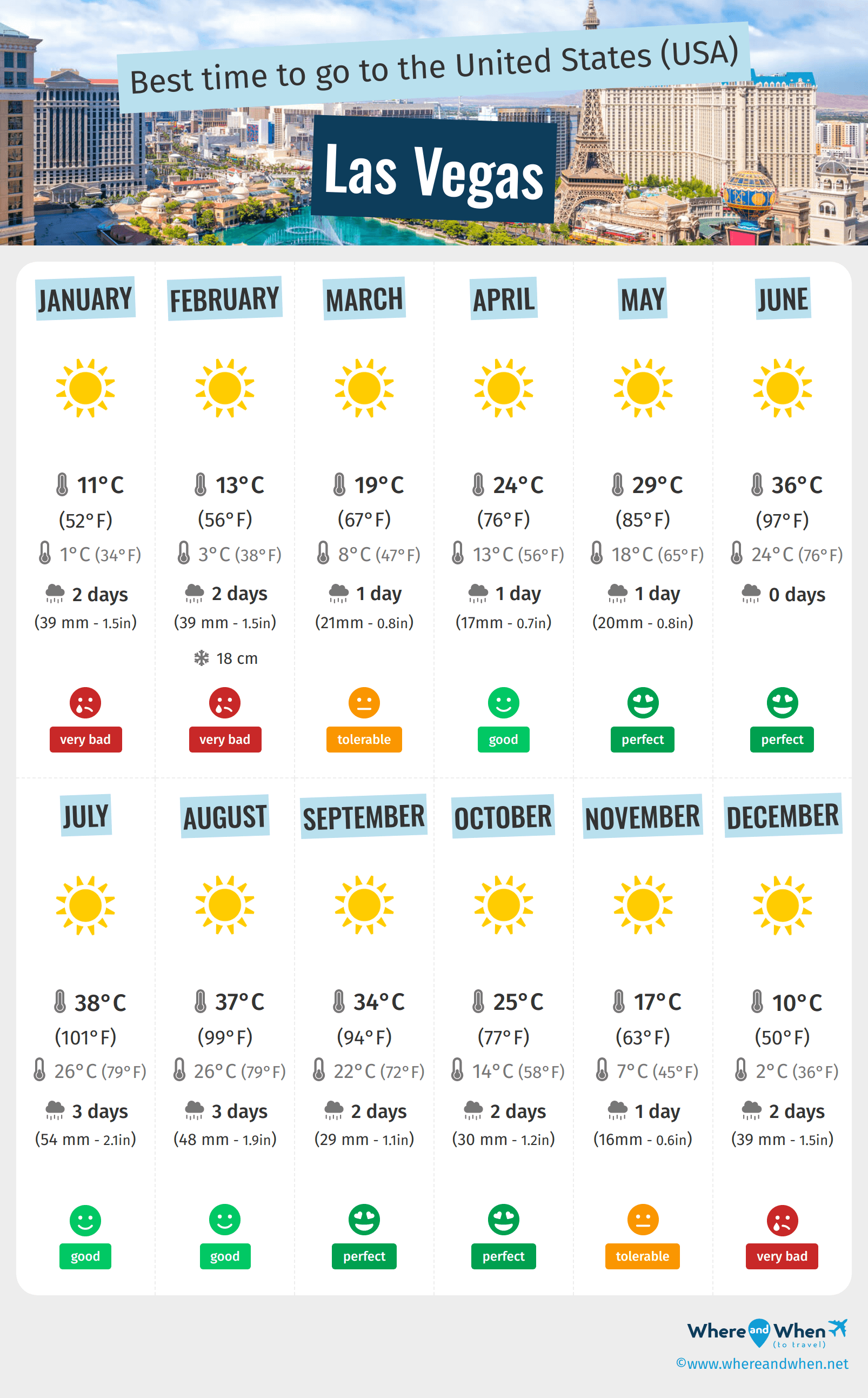
Las Vegas experiences a hot desert climate, characterized by extreme temperature fluctuations between day and night, and significant variations between summer and winter. The city receives minimal rainfall, averaging only about 4 inches annually, which is typical for a high-desert environment. The sun is a constant companion, with an average of 294 sunny days per year, making it a prime destination for those seeking sunshine. This arid environment means that humidity levels are generally very low, which can make the heat feel more intense in summer and the cold more biting in winter, but also contributes to the clarity of the desert air.
Seasonal Breakdown
The city’s climate can be broadly divided into four distinct seasons, each offering a unique facet of the Las Vegas experience.
Spring (March – May)
Spring in Las Vegas is arguably the most pleasant season. Temperatures begin to warm up from the cooler winter months, with average highs ranging from the mid-60s Fahrenheit in March to the low 80s Fahrenheit in May. Nights remain cool, often dipping into the 40s and 50s Fahrenheit, making layering a smart choice for packing. This period is ideal for outdoor activities. The Red Rock Canyon National Conservation Area becomes a hiker’s paradise, and exploring the Fremont Street Experience is comfortable without the intense summer heat. Rainfall is infrequent, but occasional spring showers can occur.
Summer (June – August)
Summers in Las Vegas are notoriously hot. Daytime temperatures regularly soar into the triple digits Fahrenheit, with averages in July and August often exceeding 100°F. The sun’s intensity is at its peak, and the dry desert air offers little respite from the heat. Visitors planning a summer trip should prioritize indoor activities or schedule outdoor excursions for the early morning or late evening. Hydration is paramount, and seeking air-conditioned environments like the many resorts along the Strip or the Mob Museum is essential. Poolside relaxation remains a popular pastime, but sun protection is crucial. Evening temperatures can still be quite warm, often staying in the 80s Fahrenheit.
Autumn (September – November)
As summer’s intense heat begins to wane, autumn ushers in another delightful period to visit Las Vegas. September still carries the warmth of summer, with average highs in the 90s Fahrenheit, but by November, temperatures are comfortably in the 60s Fahrenheit. Nights become cooler, necessitating jackets or sweaters, particularly in November when they can drop into the 40s Fahrenheit. This season is perfect for enjoying the city’s outdoor attractions, including walking tours of the themed resorts, exploring the Arts District, or taking a day trip to the Hoover Dam. The vibrant fall foliage, though subtle in the desert, can add a picturesque touch to the surrounding landscapes.
Winter (December – February)
Las Vegas winters are mild and pleasant compared to many other parts of the country. Daytime temperatures typically range from the high 50s to mid-60s Fahrenheit, making it an attractive escape for those seeking sunshine during the colder months. However, nights can become quite chilly, often dropping into the 30s and 40s Fahrenheit, and occasional frost is possible. While snow is rare, it has been known to occur, though it rarely accumulates. This season is ideal for exploring the indoor wonders of the city, from the elaborate casinos and restaurants to shows and museums. Day trips to areas like Mount Charleston can offer a different experience, with a chance for snow during the winter months.
Planning Your Las Vegas Itinerary Based on the Weather
The climate of Las Vegas should be a primary consideration when planning your visit. Aligning your activities with the prevailing weather conditions can significantly enhance your overall enjoyment and comfort.
Optimal Times for Outdoor Exploration
For those who relish the outdoors, the spring and autumn months are unparalleled. The mild temperatures make activities like hiking in Red Rock Canyon, exploring the Neon Museum, or strolling through the Gardens of the Flamingo a genuine pleasure. Sunrise and sunset tours of the surrounding desert landscapes are particularly spectacular during these periods, offering a softer light and cooler air. Evenings are perfect for enjoying outdoor dining experiences or simply walking the Strip and taking in the vibrant energy of the city.

Indoor Adventures and Heat Mitigation
During the scorching summer months, the focus naturally shifts indoors. Las Vegas excels in providing world-class indoor entertainment. The iconic resorts, such as the Bellagio, Caesars Palace, and The Venetian, offer a universe of diversions, from high-stakes gaming floors and Michelin-starred restaurants to elaborate shopping malls and captivating shows. Museums like the National Atomic Testing Museum and the Shark Reef Aquarium at Mandalay Bay provide engaging experiences that are completely insulated from the external heat. When venturing outside, it is crucial to stay hydrated, wear lightweight and light-colored clothing, and utilize sunscreen and hats. Many establishments offer complimentary water, and it’s wise to take advantage of it.
Embracing the Cooler Seasons
Winter in Las Vegas presents a unique opportunity to experience the desert in a more temperate climate. It’s an excellent time to explore attractions that might be too warm to enjoy in summer. Consider a scenic drive through the Valley of Fire State Park during daylight hours, or a visit to the Springs Preserve to learn about the region’s natural and cultural history. The cooler evenings are perfect for enjoying the city’s renowned culinary scene or catching a performance. For those who enjoy a bit of winter wonder, a day trip to Mount Charleston can offer a snowy escape, providing a stark contrast to the arid desert below.
Packing Essentials for Las Vegas Weather
The key to comfortable travel in Las Vegas lies in smart packing, tailored to the season you plan to visit.
Spring and Autumn Wardrobe
During the transitional seasons of spring and autumn, versatile layering is your best friend. Pack light, breathable fabrics like cotton and linen for daytime. Include t-shirts, blouses, and shorts or lighter trousers. As evenings can still be cool, bring along a light jacket, cardigan, or a fashionable scarf. Comfortable walking shoes are a must, as you’ll likely be doing a lot of exploring on foot. Don’t forget sunglasses and sunscreen, as the desert sun is potent even in milder months.
Summer Survival Guide
For summer visits, prioritize lightweight, loose-fitting clothing made from natural, breathable materials like linen and cotton. Think sundresses, shorts, tank tops, and light shirts. A wide-brimmed hat is essential for sun protection, as are sunglasses. Invest in high SPF sunscreen and reapply frequently, especially if spending time by the pool or in outdoor areas. Hydration is critical, so carry a reusable water bottle. Evenings may offer a slight reprieve, but temperatures often remain warm, so light layers are generally not necessary. Flip-flops or sandals are practical for poolside lounging and casual strolls.
Winter Comfort
Winter in Las Vegas requires a mix of warmth and comfort. Pack sweaters, long-sleeved shirts, and trousers. A medium-weight jacket or coat is essential for cooler mornings and evenings. While snow is infrequent, it’s advisable to pack a hat and gloves if you plan on venturing into higher elevations like Mount Charleston. Comfortable closed-toe shoes are recommended for walking and exploring. Layering is still a good strategy, allowing you to adjust your attire as temperatures fluctuate throughout the day.
Beyond the City: Weather Considerations for Day Trips
The weather in Las Vegas can dramatically differ just a short drive from the city center, especially when considering excursions to nearby natural attractions.
The Grand Canyon and Hoover Dam
Visiting the Grand Canyon National Park, approximately a four-hour drive from Las Vegas, requires an understanding of its unique microclimate. The South Rim, the most accessible and popular area, experiences significant temperature variations depending on elevation and time of year. Summers can be hot, but not as extreme as in Las Vegas, while winters can be cold with snow. The Hoover Dam, much closer to the city, offers a similar climate profile to Las Vegas, though the exposed structure can feel warmer due to the sun reflecting off the concrete and water. Always check the specific weather forecast for your chosen destination before departing.

Red Rock Canyon and Valley of Fire
Red Rock Canyon National Conservation Area, a mere 30-minute drive west, mirrors Las Vegas’s climate, but the sun’s intensity can feel amplified in the open desert. Spring and autumn are ideal for hiking and scenic drives here. Valley of Fire State Park, about an hour northeast, is known for its extreme summer temperatures, often exceeding those in Las Vegas. Summer visits should be limited to early mornings, and ample water and sun protection are non-negotiable. Winters are pleasant and offer the best conditions for exploring its stunning geological formations.
In conclusion, while Las Vegas is famed for its artificial marvels, its natural climate plays a crucial role in shaping the visitor experience. By understanding and respecting the weather patterns, travelers can ensure a more comfortable, enjoyable, and memorable trip to this vibrant desert metropolis. Whether you’re drawn by the glitz of the Strip or the natural beauty of the surrounding Nevada landscape, a little weather preparedness goes a long way.
LifeOutOfTheBox is a participant in the Amazon Services LLC Associates Program, an affiliate advertising program designed to provide a means for sites to earn advertising fees by advertising and linking to Amazon.com. Amazon, the Amazon logo, AmazonSupply, and the AmazonSupply logo are trademarks of Amazon.com, Inc. or its affiliates. As an Amazon Associate we earn affiliate commissions from qualifying purchases.