
The sun-drenched landscapes of Florida are renowned for their pristine beaches, vibrant cities, and thrilling theme parks. Yet, beneath the surface of this popular tourist destination lies a delicate ecosystem, home to unique wildlife that profoundly shapes the state’s natural appeal. Among the most iconic and ecologically significant inhabitants is the gopher tortoise, a creature often dubbed the “engineer of the ecosystem.” For visitors keen on exploring Florida’s’s wild heart, understanding the status of this keystone species isn’t just a matter of scientific curiosity, but an essential part of appreciating the state’s natural heritage and the role of responsible tourism. The question of “how many are left” is more than a simple headcount; it’s a gateway to understanding the health of Florida’s natural tourism offerings and the collective effort required to preserve them for future generations of travelers.
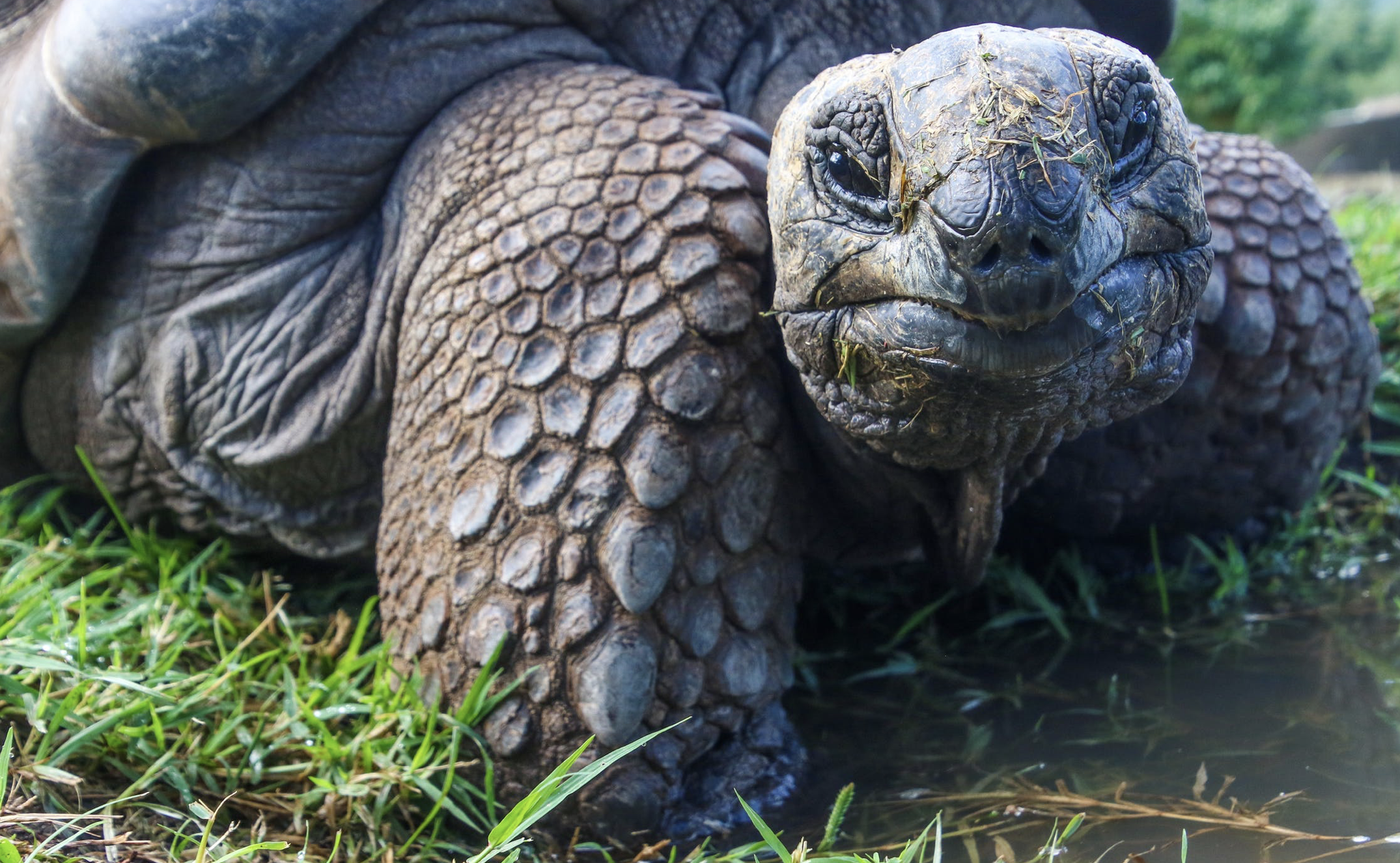
Florida’s’s Iconic Architects: Understanding the Gopher Tortoise
The gopher tortoise (Gopherus polyphemus) is not just another reptile; it is a keystone species, meaning its presence (or absence) significantly impacts many other species within its habitat. These ancient animals, with their sturdy shells and shovel-like forelegs, are master burrowers, digging extensive tunnels that can be up to 40 feet long and 10 feet deep. These subterranean havens provide refuge from heat, cold, and fire, not only for the tortoise but also for an astounding array of over 360 other species, including the Florida mouse, indigo snake, burrowing owl, and various insects. For ecotourists, spotting a gopher tortoise emerging from its burrow or grazing on native vegetation is a truly authentic and memorable Florida experience, connecting them directly with the state’s unique biodiversity.
The question of how many gopher tortoises remain in Florida is complex. Exact numbers are elusive due to their cryptic nature and widespread, often fragmented habitats. However, scientific estimates, though varying, generally indicate a significant decline from historical populations. Surveys conducted by the Florida Fish and Wildlife Conservation Commission (FWC) and other research bodies have provided valuable insights, suggesting hundreds of thousands of individuals still inhabit the state. Despite these numbers, the species is listed as state-threatened in Florida, reflecting the persistent pressures they face. Their survival is intrinsically linked to the health of the sandhill, scrub, and pine flatwood ecosystems, which are themselves under threat from development. For the nature-minded tourist, understanding this fragile balance enhances the appreciation of Florida’s’s natural spaces, framing each sighting as a testament to ongoing conservation efforts.
The Allure of Florida’s Wild Heart: Gopher Tortoises and Ecotourism
Florida’s burgeoning ecotourism sector offers a refreshing alternative to its more commercialized attractions, inviting visitors to immerse themselves in the state’s unparalleled natural beauty. The gopher tortoise, as a visible and vital component of these ecosystems, serves as a powerful symbol for this type of travel. Encounters with these gentle reptiles provide a tangible connection to Florida’s wild side, fostering a deeper understanding of conservation principles and the interconnectedness of life. Responsible wildlife viewing, often facilitated by knowledgeable guides in protected areas, ensures that these experiences are not only educational but also minimally impactful on the animals and their habitats.
Their preferred habitats—open, sandy areas with abundant herbaceous ground cover—are often found within Florida’s’s extensive network of state parks, national forests, and wildlife management areas. These locations offer ample opportunities for hiking, photography, and quiet observation, allowing tourists to witness the gopher tortoise in its natural environment.
Prime Locations for Responsible Gopher Tortoise Spotting
For visitors hoping to respectfully observe gopher tortoises, several key locations across Florida are highly recommended due to their healthy populations and commitment to conservation.
- Myakka River State Park near Sarasota: This expansive park boasts vast expanses of dry prairie and pine flatwoods, ideal gopher tortoise habitat. Visitors often spot tortoises along the park’s scenic drives and hiking trails.
- Ocala National Forest in central Florida: Home to the world’s largest contiguous sand pine scrub forest, this national forest provides critical habitat for numerous wildlife species, including the gopher tortoise. Designated recreation areas and wilderness trails offer excellent viewing opportunities.
- Paynes Prairie Preserve State Park near Gainesville: While famous for its wild horses and bison, this park’s upland areas are also home to thriving gopher tortoise populations. The La Chua Trail and other elevated boardwalks provide safe viewing distances.
- Jonathan Dickinson State Park in Hobe Sound: This park offers diverse ecosystems, including sand pine scrub and pine flatwoods, making it another excellent location for encountering gopher tortoises. Guided ranger programs often highlight the park’s tortoise inhabitants.

When visiting these areas, it is crucial to remain on marked trails, maintain a respectful distance from all wildlife, and never disturb or feed the animals. These simple actions ensure a positive experience for both visitors and the tortoises.
Conservation in Action: Protecting Florida’s’s Natural Heritage
The declining numbers of gopher tortoises are primarily attributed to habitat loss and fragmentation due to rapid urban and agricultural development across Florida. Other threats include road mortality, illegal collection, and diseases like upper respiratory tract disease (URTD). As a state-threatened species, the gopher tortoise is protected by Florida law, making it illegal to harass, harm, capture, or kill them, or to disturb their burrows.
The Florida Fish and Wildlife Conservation Commission (FWC) plays a crucial role in conservation efforts, managing programs for habitat acquisition and restoration, public education, and relocation. When development cannot avoid gopher tortoise habitat, the tortoises are often relocated to designated recipient sites, ensuring their survival. These managed sites, often on public lands, become vital sanctuaries, supporting healthy populations and providing opportunities for scientists to study and monitor their recovery.
The Tourist’s Role in Gopher Tortoise Preservation
For tourists, supporting gopher tortoise preservation is an integral part of responsible ecotourism. Every visitor has the power to make a positive impact through conscious choices and behaviors.
- Respect Habitats: Always stay on designated trails when visiting natural areas. This minimizes disturbance to sensitive vegetation and prevents accidental damage to burrows, which are often subtly hidden.
- Observe from a Distance: Never approach, touch, or harass a gopher tortoise. Their defense mechanism is to withdraw into their shell, causing undue stress. A good rule of thumb is to use binoculars for close-up views.
- Never Feed Wildlife: Feeding wild animals, including tortoises, can alter their natural behaviors, make them dependent on humans, and expose them to inappropriate foods that can harm their health.
- Report Concerns: If you witness someone harming a gopher tortoise or its burrow, or if you encounter an injured tortoise, report it to the Florida Fish and Wildlife Conservation Commission (FWC). Their wildlife alert hotline is a critical resource.
- Support Conservation: Choose tour operators, accommodations, and attractions that demonstrate a commitment to sustainability and wildlife conservation. Many organizations offer volunteer opportunities or accept donations to support gopher tortoise research and habitat preservation.
- Educate Yourself and Others: Learn about the gopher tortoise’s importance and share that knowledge with fellow travelers. Awareness is the first step towards protection.
By adopting these practices, tourists become active participants in safeguarding Florida’s’s unique biodiversity, transforming their vacation into an experience that benefits both themselves and the environment.
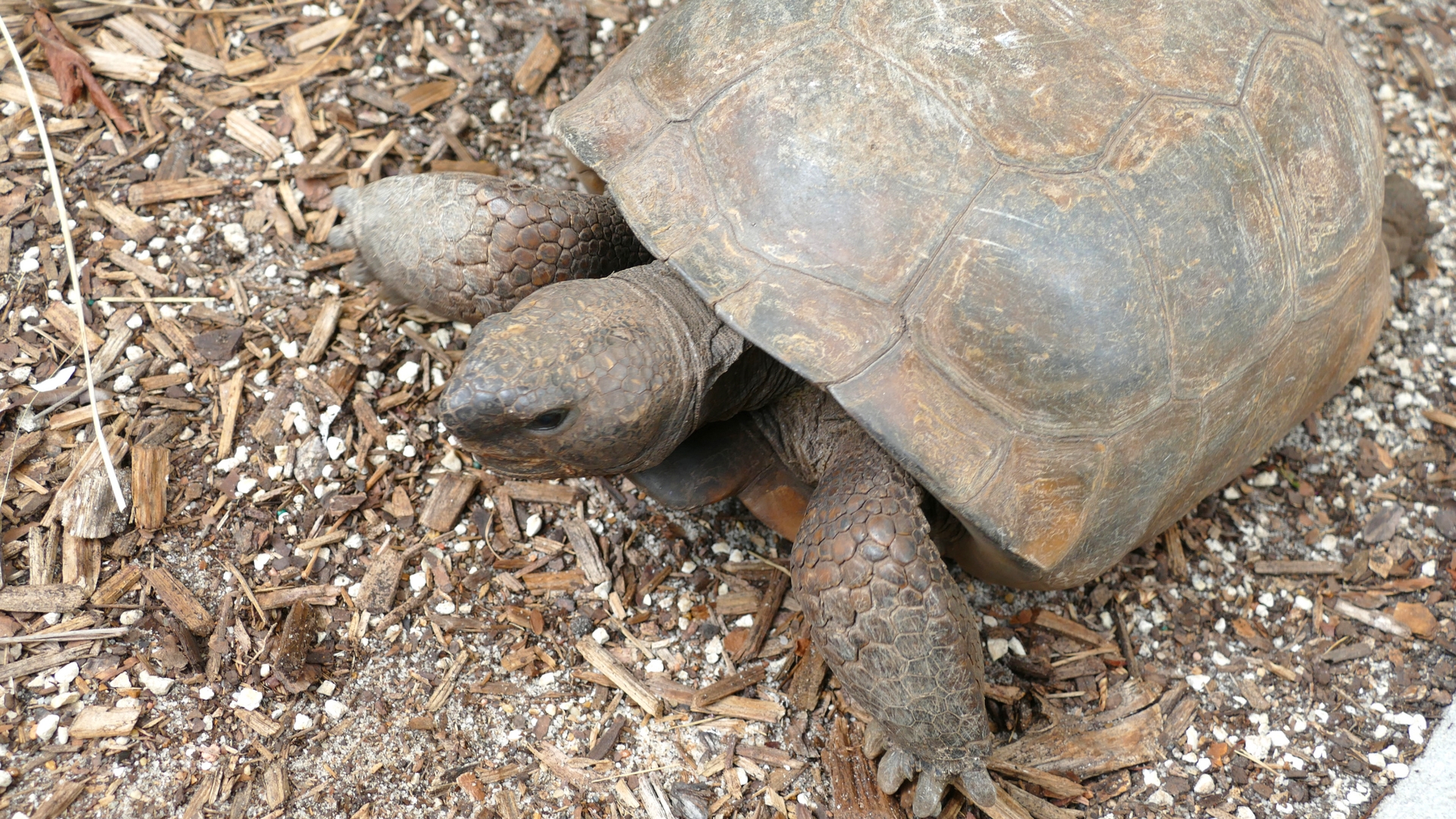
Beyond the Numbers: The Enduring Value of the Gopher Tortoise for Florida Tourism
While the precise count of gopher tortoises remaining in Florida may fluctuate and remains challenging to determine definitively, their presence is an undeniable gauge of the state’s ecological health. A thriving gopher tortoise population signifies healthy upland ecosystems, which in turn support a vast array of other species and contribute to the overall resilience of Florida’s natural environment.
For the tourism industry, the gopher tortoise represents more than just a wildlife sighting; it embodies the spirit of Florida’s’s wild beauty and its commitment to conservation. The opportunity to witness these ancient engineers at work, to understand their vital role, and to contribute to their protection offers a profound and enriching travel experience that goes far beyond typical vacation activities. Ecotourism centered around species like the gopher tortoise provides a sustainable model for visitors to engage with the natural world, fostering a sense of stewardship that is crucial for the long-term viability of both the species and Florida’s’s natural attractions. As visitors explore Florida’s’s captivating landscapes, each glimpse of a gopher tortoise serves as a poignant reminder of the precious natural heritage that defines the Sunshine State and the shared responsibility to protect it.
LifeOutOfTheBox is a participant in the Amazon Services LLC Associates Program, an affiliate advertising program designed to provide a means for sites to earn advertising fees by advertising and linking to Amazon.com. Amazon, the Amazon logo, AmazonSupply, and the AmazonSupply logo are trademarks of Amazon.com, Inc. or its affiliates. As an Amazon Associate we earn affiliate commissions from qualifying purchases.