
Citrus County, Florida, a region often overlooked in the rush for the more prominent tourist hubs, offers a serene and authentic slice of the Sunshine State. Nestled along the western coast of Florida, it’s a destination that appeals to those seeking natural beauty, outdoor adventures, and a slower pace of life. Understanding its geographical placement is key to unlocking its unique charm. Citrus County is strategically positioned between the bustling metropolises of Tampa and Gainesville, making it accessible yet a world away from the urban clamor. This proximity allows for easy day trips to larger cities while providing a peaceful sanctuary to return to. The county’s coastline is defined by the vast expanse of the Gulf of Mexico, which shapes its landscapes and dictates many of its popular activities. Inland, it is bordered by the counties of Hernando to the south, Sumter and Marion to the east, and Levy to the north. This geographical tapestry is interwoven with numerous waterways, including the crystal-clear springs that are a hallmark of the region, and the expansive Withlacoochee State Trail, a testament to its commitment to preserving its natural heritage.

Unveiling the Geography and Gateway to Nature
Citrus County’s location is not merely a point on a map; it’s a gateway to an ecosystem rich in biodiversity and natural splendor. The county is blessed with an abundance of freshwater springs, forming the headwaters of several rivers that eventually flow into the Gulf. These springs are not only visually stunning but also provide vital habitats for a myriad of aquatic species, including the iconic West Indian manatee. The topography is generally flat to gently rolling, characteristic of the Florida landscape, but it is the presence of water and the lush vegetation that truly define its character.
The Allure of Freshwater Springs and Rivers
The heart of Citrus County’s natural appeal lies in its numerous freshwater springs. The most famous among these is Homosassa Springs, a 220-acre natural attraction that serves as a rehabilitation center for manatees. Visitors can observe these gentle giants in their natural habitat, along with a diverse array of other Florida wildlife. The clear, cool waters of the springs are a constant temperature year-round, making them an ideal spot for swimming, snorkeling, and diving.
The Homosassa River and the Crystal River are two of the county’s most significant waterways. These rivers are not only picturesque but also serve as crucial corridors for wildlife and offer ample opportunities for recreational activities. Boating, kayaking, and paddleboarding are immensely popular, allowing exploration of hidden coves, mangrove tunnels, and the open waters of the Gulf. The rivers are also renowned for their fishing opportunities, attracting anglers seeking to catch species like redfish, trout, and snook.
Proximity to the Gulf of Mexico and Coastal Wonders
The western edge of Citrus County meets the Gulf of Mexico, introducing a distinct coastal dimension to the region. This proximity to the sea influences the climate, the local economy, and the leisure activities available. The coastline is characterized by shallow bays, estuaries, and barrier islands, creating a unique environment for marine life.
Crystal River itself is a major hub for coastal activities. It’s particularly famous for its Crystal River National Wildlife Refuge, a sanctuary for manatees. During the cooler months, hundreds of manatees migrate to the warm, shallow waters of the refuge, offering unparalleled opportunities for “swim with the manatee” tours. These eco-friendly excursions allow visitors to interact respectfully with these magnificent creatures. The coastal areas also provide excellent birdwatching opportunities, with numerous species of wading birds, shorebirds, and migratory birds frequenting the marshes and shorelines.
Navigating Citrus County: Transportation and Key Hubs
Understanding how to reach and move around Citrus County is essential for planning a visit. While it may not boast a major international airport within its borders, its accessibility from larger hubs and its well-developed local road network make it a straightforward destination to navigate.
Accessibility from Major Florida Airports
The nearest major international airports serving Citrus County are Tampa International Airport (TPA) and Orlando International Airport (MCO). Both are located approximately 60 to 90 miles south and southeast of the county, respectively. From these airports, visitors can rent a car, which is the most recommended mode of transportation for exploring Citrus County and its surrounding areas. The drive typically takes between 1.5 to 2 hours, offering scenic views as you transition from urban landscapes to the more tranquil Floridian countryside.
Local Road Networks and Scenic Drives
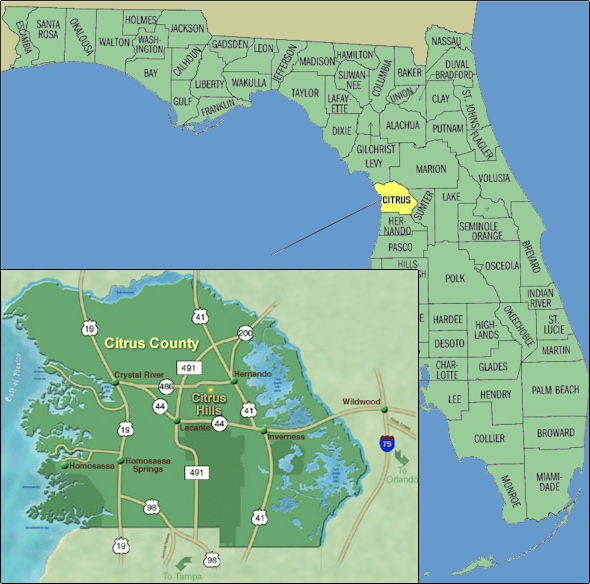
Citrus County is traversed by a network of state and county roads that provide easy access to its various towns, natural attractions, and recreational areas. State Road 19 and State Road 44 are two of the primary arteries that run north-south and east-west through the county, respectively, connecting many of its key locations.
For those who appreciate a leisurely journey, Citrus County offers several scenic drives. The drive along the coast, particularly on roads that wind through areas like Homosassa and Crystal River, provides stunning vistas of the Gulf and its estuaries. Inland, routes that meander through the county’s verdant interior reveal picturesque landscapes dotted with citrus groves, pine forests, and tranquil lakes. The Citrus County Scenic Highway, a designated route, highlights some of the most beautiful natural areas and points of interest.
Key Towns and Their Significance
Within Citrus County, several towns serve as focal points for visitors and residents alike. Inverness is the county seat and offers a charming downtown area with historical buildings, local shops, and restaurants. It’s also a gateway to the eastern part of the county, including access to the Withlacoochee State Trail.
Crystal River is perhaps the most well-known town, drawing visitors for its abundant marine life, especially the manatees, and its proximity to the Gulf. It boasts a vibrant waterfront with numerous marinas, seafood restaurants, and charter services.
Homosassa Springs is another significant destination, renowned for Homosassa Springs Wildlife State Park. This town offers a more laid-back atmosphere and is a popular starting point for river excursions and manatee encounters. These towns collectively provide the infrastructure for tourism, including accommodation options, dining, and access to guided tours and activities.
Experiencing Citrus County: Activities and Local Culture
Citrus County’s appeal lies not just in its geography but in the experiences it offers and the local culture it fosters. It’s a place where nature dictates the rhythm of life, and the community embraces its rich heritage and natural bounty.
Embracing the Great Outdoors: Manatees and Wildlife
The most compelling reason many visit Citrus County is its extraordinary wildlife, particularly the West Indian manatee. The Crystal River National Wildlife Refuge and the waters around Homosassa Springs are globally recognized as premier locations for observing these gentle marine mammals. The opportunity to snorkel or dive alongside manatees in their natural habitat is a truly unique and unforgettable experience. Beyond manatees, the county’s diverse ecosystems support a rich array of wildlife. Birdwatchers can spot pelicans, egrets, herons, and numerous migratory species. The rivers and coastal waters are also home to dolphins, otters, and a variety of fish.
Water-Based Adventures: From Springs to the Gulf
Water is the lifeblood of Citrus County, and its abundance translates into a wealth of water-based activities. Exploring the crystal-clear springs is a must. Kayaking or paddleboarding on the Rainbow River or the Chassahowitzka River offers a serene way to connect with nature. For those seeking a bit more adventure, fishing charters are readily available, targeting the abundant game fish in the Gulf waters and the inshore flats. Boating enthusiasts can explore the intricate network of canals and waterways, discovering secluded beaches and enjoying the coastal scenery. Scuba diving and freediving are also popular, especially in the springs where visibility is exceptional.

Local Flavor: Cuisine and Community Charm
The local culture in Citrus County is deeply intertwined with its natural environment. The cuisine often features fresh seafood caught daily from the Gulf. Expect to find delicious preparations of grouper, snapper, shrimp, and oysters at local restaurants. Many establishments offer a casual, waterfront dining experience, allowing diners to savor their meals while enjoying the scenic views.
The community retains a friendly, small-town feel, a stark contrast to the often impersonal nature of larger tourist destinations. Local events, farmers’ markets, and craft fairs are common, offering opportunities to interact with residents and experience authentic Floridian hospitality. The pace of life is slower, encouraging visitors to relax, unwind, and appreciate the simple pleasures. Whether it’s enjoying a sunset over the Gulf, exploring a quaint downtown, or simply soaking in the natural beauty, Citrus County offers an authentic and enriching travel experience.
LifeOutOfTheBox is a participant in the Amazon Services LLC Associates Program, an affiliate advertising program designed to provide a means for sites to earn advertising fees by advertising and linking to Amazon.com. Amazon, the Amazon logo, AmazonSupply, and the AmazonSupply logo are trademarks of Amazon.com, Inc. or its affiliates. As an Amazon Associate we earn affiliate commissions from qualifying purchases.