
California, often lauded as the Golden State, is a premier destination for travelers seeking diverse experiences, from the sun-drenched beaches of Southern California to the majestic redwood forests of the north and the vibrant cultural hubs of cities like Los Angeles and San Francisco. This allure draws millions of tourists annually, who come to explore iconic landmarks like the Golden Gate Bridge, indulge in world-class cuisine, and relax in luxurious resorts. However, for both visitors and residents, understanding the tax implications of spending time and money in the Golden State is crucial for planning any trip, from a short weekend getaway to an extended stay. While the allure of California is undeniable, it’s also a state with a complex tax structure that can impact your budget significantly. This article delves into the nuances of state tax in California, focusing on aspects most relevant to travelers and those considering accommodation or lifestyle choices within its borders.
Understanding California’s Sales Tax: A Traveler’s Essential Guide
When you’re planning a trip to California, whether it’s for a luxurious resort stay in Palm Springs or a budget-friendly adventure exploring national parks like Yosemite, understanding sales tax is paramount. This is the most direct tax that affects the everyday spending of tourists. California has a statewide base sales and use tax rate, but it’s not as simple as a single number. Local jurisdictions, including counties and cities, can impose their own additional sales taxes, leading to significant variations across the state.
The Base Rate and Local Additions
The current statewide base sales tax rate in California is 7.25%. However, this is rarely the final rate you’ll pay. Almost every county in California has levied district taxes on top of the state rate, bringing the average combined sales tax rate considerably higher. As of recent data, the statewide average combined sales tax rate hovers around 8.82%. This means that for every dollar you spend on taxable goods and services, a significant portion goes towards taxes.
For instance, if you’re shopping for souvenirs in San Francisco, dining at a restaurant in Beverly Hills, or booking an extended accommodation in San Diego, you’ll be subject to the sales tax rate specific to that city and county. These rates can range from below 8% in some less populated areas to over 10% in major metropolitan areas. This is why comparing prices and being mindful of your location is essential when budgeting for your trip. For travelers, this translates to an increased cost for everything from a cup of coffee to a new surfboard.
What is Taxable?
Generally, tangible personal property – items you can touch and feel, such as clothing, electronics, furniture, and vehicles – is subject to sales tax. Services are a bit more nuanced. Some services are taxable, while others are not. For example, many personal services, like a haircut or a massage at a spa in Napa Valley, are typically taxable. However, professional services like legal advice or accounting are usually exempt.
When it comes to travel and tourism, the taxability of hotel stays, car rentals, and certain activities needs careful consideration. Most hotel room occupancies are taxable. Car rentals are also subject to sales tax. For unique experiences and tours, it’s advisable to confirm whether the price includes sales tax or if it will be added at the point of sale. For example, a guided tour of Alcatraz Island might have a different tax structure than a simple entrance fee to a museum.
Exemptions and Exceptions
While sales tax is widespread, there are certain exemptions. Food for home consumption, for instance, is generally exempt from sales tax. This includes groceries purchased at a supermarket like Whole Foods Market for preparing meals in your rental apartment. However, “prepared food,” such as meals purchased at a restaurant or a deli counter, is usually taxable. This distinction is important for those opting for a more budget-conscious lifestyle during their stay.
Prescription medications are also exempt from sales tax. Certain services provided by non-profit organizations may also be exempt. For businesses operating in California, understanding these exemptions is critical for accurate record-keeping and tax compliance. For travelers, being aware of what is and isn’t taxed can help in making informed purchasing decisions.
Income Tax In California: A Resident and Business Perspective
While sales tax directly impacts the transient traveler, income tax is a more significant consideration for those who live, work, or earn income in California, including individuals considering a long-term stay or a permanent move. California has a progressive income tax system, meaning higher earners pay a larger percentage of their income in taxes. This is a key aspect of the state’s lifestyle and economic structure, funding essential public services.
Progressive Tax Brackets
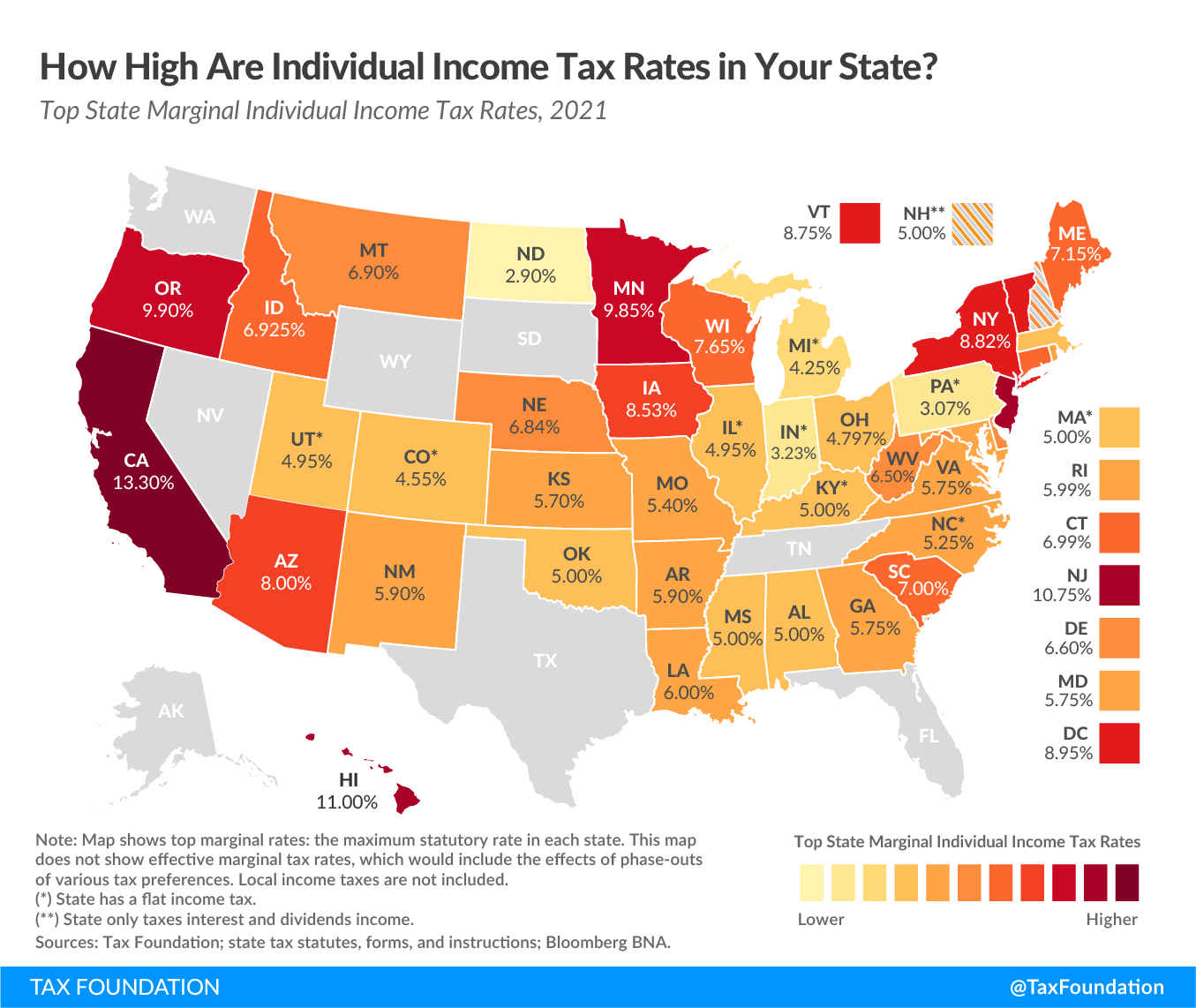
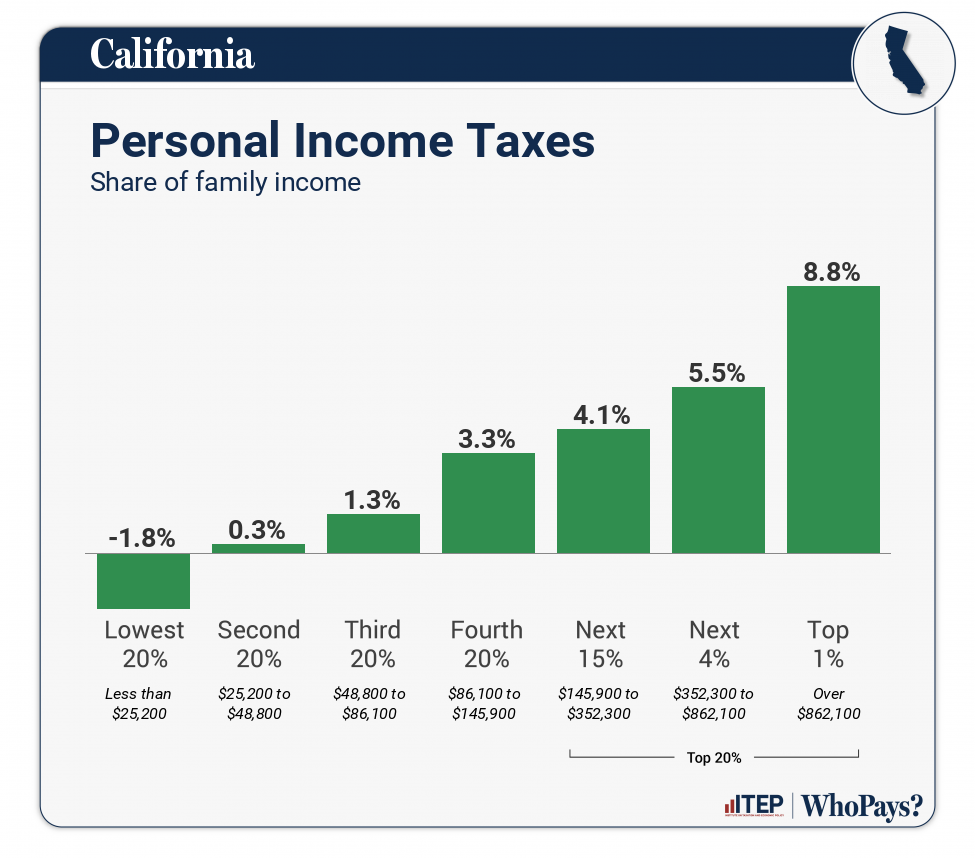
California is known for having some of the highest marginal income tax rates in the nation. The state’s income tax rates are divided into several brackets, with rates increasing as income rises. For single filers, married individuals filing jointly, and heads of households, these brackets and rates can change annually. For example, the top marginal income tax rate can reach over 13% for the highest earners, in addition to other state taxes. This progressive structure aims to distribute the tax burden more heavily on those with greater ability to pay.
Understanding these brackets is crucial for individuals planning their finances. If you’re considering working remotely from California or starting a business there, the income tax implications are a major factor. The difference in tax liability between living in California and a state with no income tax can be substantial.
Deductions and Credits
Like most tax systems, California offers various deductions and credits that can help reduce an individual’s or business’s taxable income. These can include deductions for mortgage interest, charitable contributions, and business expenses. Tax credits, which directly reduce the amount of tax owed, are also available for things like child and dependent care expenses, certain retirement contributions, and investments in specific industries or areas.
For businesses, the state offers incentives and credits to encourage investment, job creation, and research and development. Understanding these can be particularly beneficial for entrepreneurs and companies looking to establish operations in California. Exploring opportunities for luxury travel or even business stays requires a comprehensive financial plan, and tax deductions can play a significant role.
Business Taxes
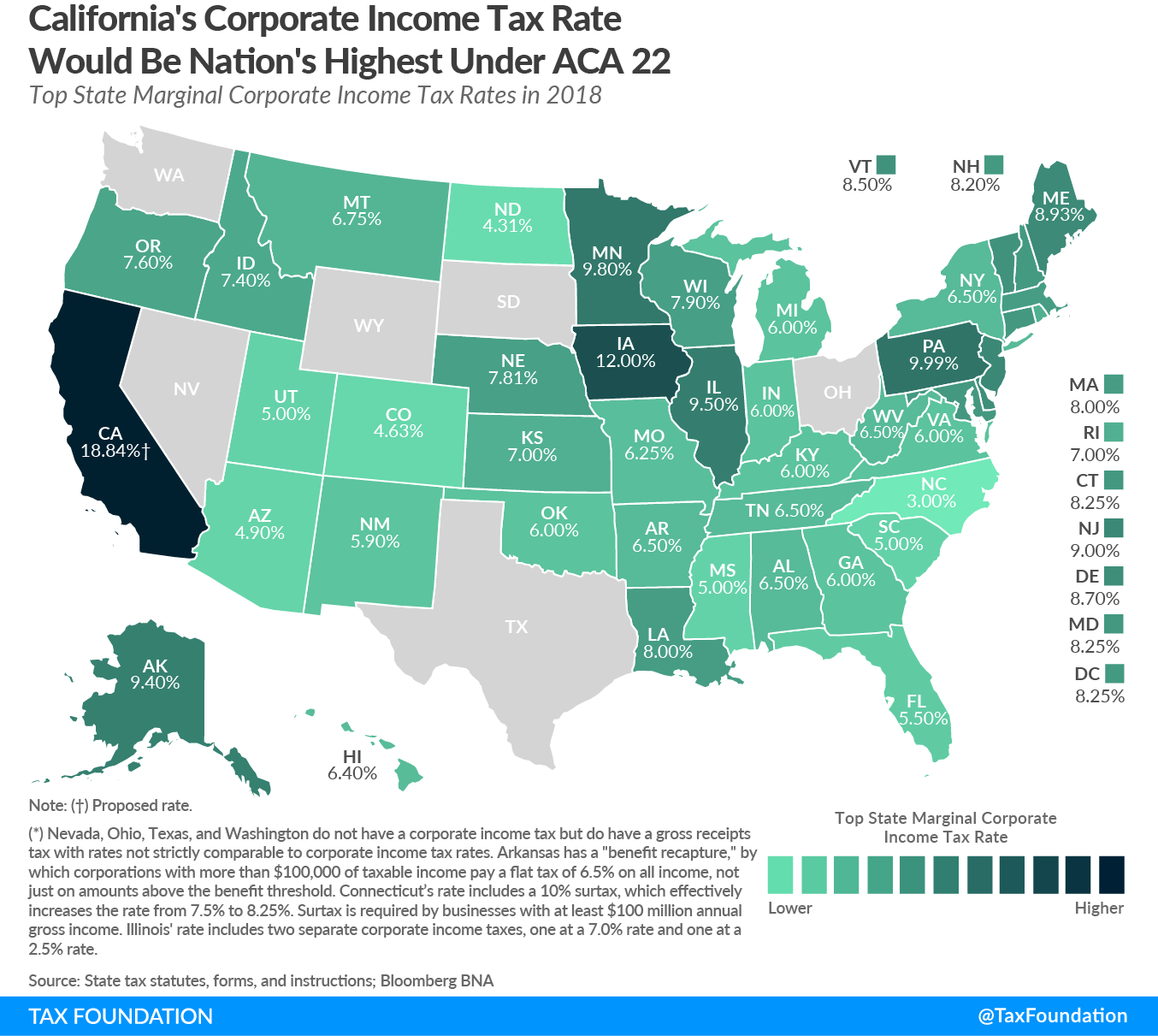
Beyond income tax for individuals, California levies various taxes on businesses. These include corporate income tax, franchise tax, and employment taxes. The franchise tax is levied on corporations based on their net income, even if they are not actively conducting business in the state. This is a crucial point for companies considering a presence in California, whether for a short business trip or establishing a long-term base.
Furthermore, businesses must also contend with sales and use tax for their sales, as well as payroll taxes for their employees. Navigating these business tax obligations can be complex, and many businesses opt to work with tax professionals to ensure compliance. This intricate tax landscape is a factor in the overall cost of doing business in California, which can indirectly influence the prices of goods and services available to tourists.
Other Taxes and Fees Relevant to Travelers and Residents
Beyond sales and income tax, California imposes several other taxes and fees that can affect travelers and residents alike. These are often tied to specific activities, properties, or industries, and they contribute to the state’s diverse revenue streams. Understanding these can further refine your budget for visiting or living in the Golden State.
Property Taxes
For those considering purchasing property in California, whether a vacation home in the mountains or a permanent residence in Orange County, property taxes are a significant ongoing expense. Property taxes are levied by local governments – counties, cities, and school districts – based on the assessed value of the property. While there is a statewide limit on the maximum property tax rate (1% of assessed value), local jurisdictions can add voter-approved special taxes.
The initial assessment of property value is typically based on the purchase price. However, subsequent reassessments only occur upon a change of ownership or completion of new construction, thanks to Proposition 13. This system can lead to significant variations in property tax burdens even for properties with similar market values. For potential property owners, this is a vital consideration when budgeting for a home in cities like Sacramento or even planning an extended stay in a vacation rental.
Motor Vehicle Taxes and Fees
California is notorious for its high gas prices, partly due to state excise taxes and other fees levied on gasoline. These taxes contribute to the funding of road maintenance and transportation infrastructure. In addition to gasoline taxes, vehicle owners are subject to annual registration fees based on the vehicle’s value, as well as other licensing and permit fees.
For travelers who plan to drive extensively across the state, perhaps exploring the stunning coastline along Highway 1 or venturing into national parks like Death Valley National Park, the cost of fuel and potential vehicle-related fees should be factored into their travel budget. Rental car companies often include some of these taxes and fees in their rental rates, but it’s always wise to check the breakdown.
Tourism-Specific Taxes and Fees
Certain areas within California have implemented specific taxes and fees aimed at funding local tourism initiatives or infrastructure improvements that benefit visitors. These can include transient occupancy taxes (TOT), often referred to as hotel taxes, which are levied on hotel stays. These taxes are typically set by cities and counties and can range from a few percent to over 14% in some popular tourist destinations.
For example, a stay at a luxury resort in Santa Barbara might incur a higher TOT than a motel in a less tourist-centric area. These taxes are usually collected by the hotel and remitted to the local government. When booking accommodation, especially suites or villas, it’s important to review the total cost, including these occupancy taxes, to get an accurate picture of your expenses. This is also relevant for those considering long-term stays in vacation rentals, as some areas may have specific regulations and fees for such arrangements.
In conclusion, while California offers an unparalleled array of attractions, experiences, and accommodations, it’s essential for both visitors and residents to be well-informed about the state’s tax landscape. From the fluctuating sales tax rates in different cities to the progressive income tax brackets and various other fees, a little knowledge can go a long way in making your California adventure or residency more financially manageable and enjoyable. Whether you’re planning a family trip to Disneyland or considering a business venture in Silicon Valley, understanding “how much is state tax in California?” is a fundamental step in prudent planning.
LifeOutOfTheBox is a participant in the Amazon Services LLC Associates Program, an affiliate advertising program designed to provide a means for sites to earn advertising fees by advertising and linking to Amazon.com. Amazon, the Amazon logo, AmazonSupply, and the AmazonSupply logo are trademarks of Amazon.com, Inc. or its affiliates. As an Amazon Associate we earn affiliate commissions from qualifying purchases.