
Nestled in the vast expanse of the Pacific Ocean, Hawaii stands as a beacon of natural beauty, a testament to volcanic power, and a vibrant melting pot of cultures. Far removed from continental landmasses, its unique geographical position is not just a point on a map; it’s a foundational element that shapes its climate, ecology, history, culture, and, most importantly, its allure as a premier global travel destination. For many, the very thought of [Hawaii] evokes images of pristine beaches, lush rainforests, and fiery volcanoes – a paradise made even more captivating by its profound isolation and the journey required to reach its shores.
The Heart of the Pacific: Pinpointing Hawaii’s Location
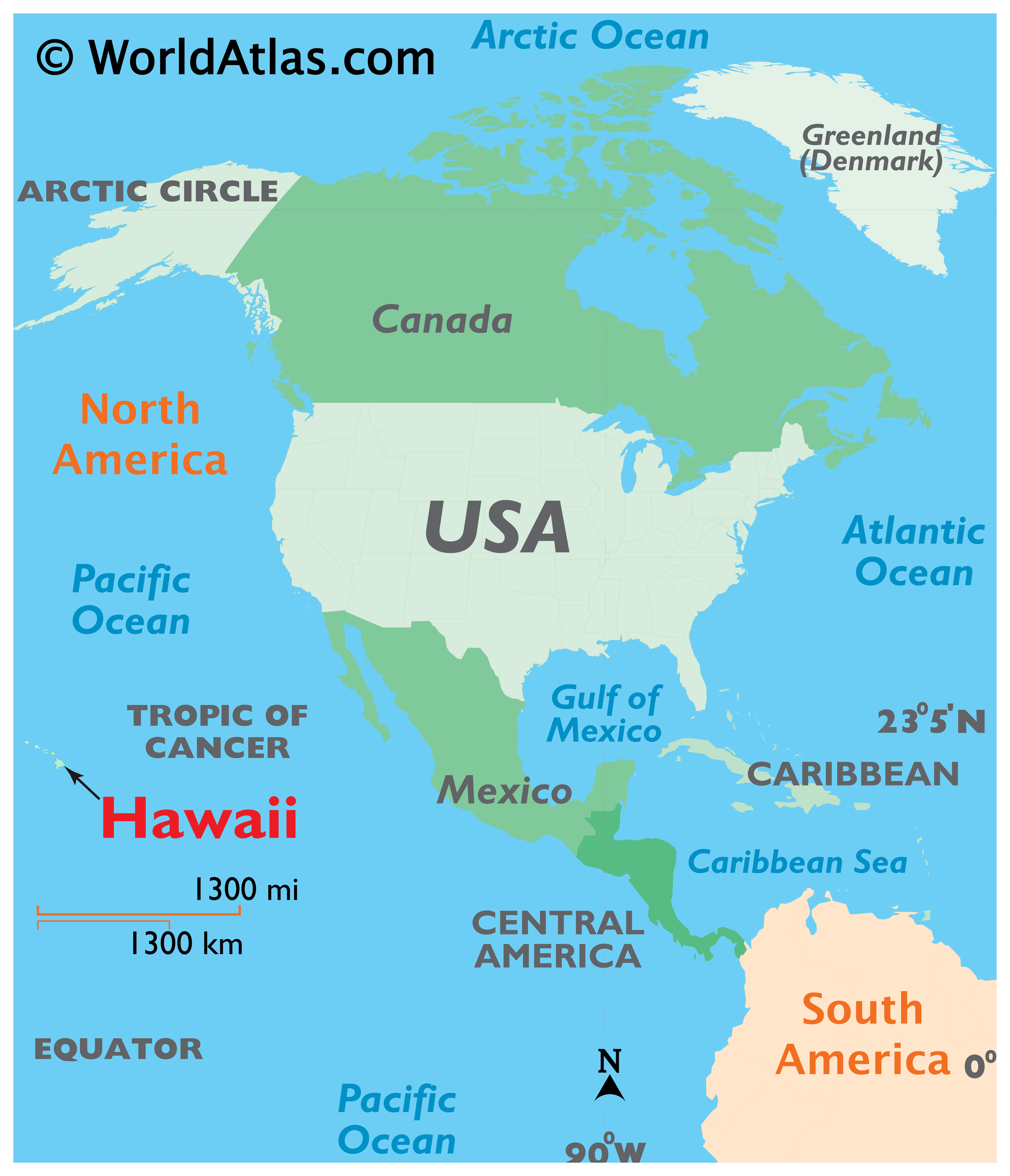
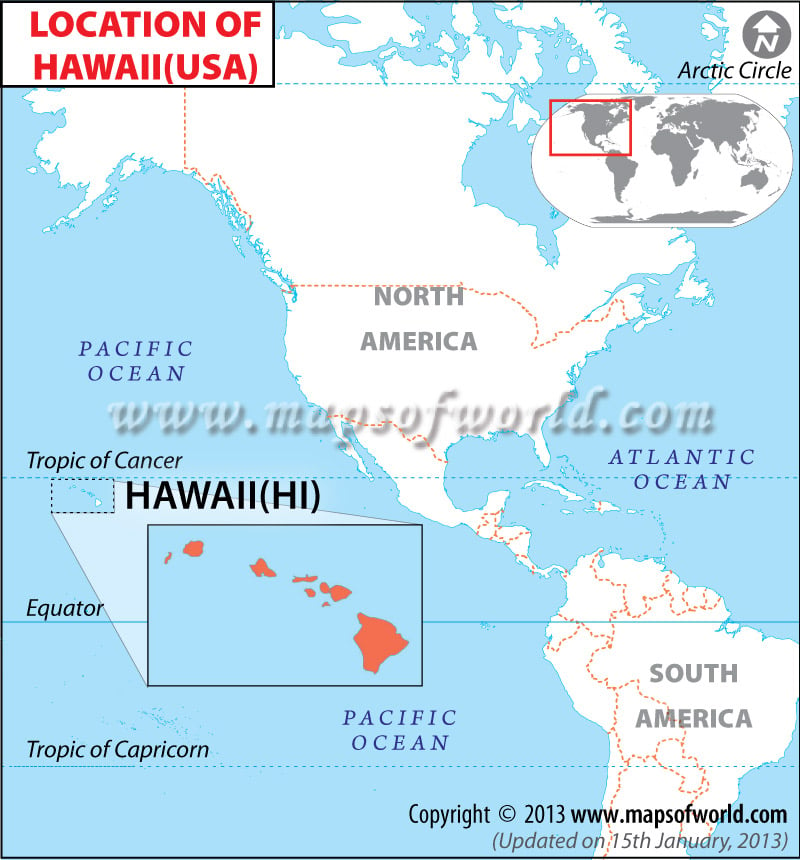
To truly understand [Hawaii]’s essence, one must first grasp its precise location. Geographically, the Hawaiian Islands are situated roughly 2,000 miles (3,200 kilometers) southwest of the continental United States mainland, making them the most isolated major population center on Earth. The archipelago spans approximately 1,500 miles (2,400 kilometers) from the island of Hawaii (often called the Big Island) in the southeast to the Kure Atoll in the northwest. While encompassing a vast area, the eight main islands, which are home to the majority of the population and tourist infrastructure, are clustered closer together.
The state capital, Honolulu, located on the island of Oahu, sits at approximately 21.3 degrees North latitude and 157.8 degrees West longitude. This position places [Hawaii] firmly within the tropics, endowing it with its consistently warm climate and bountiful ecosystems. Its extreme remoteness, far from any other major landmasses like North America or Asia, has played a pivotal role in shaping its unique evolutionary path, giving rise to an extraordinary array of endemic plant and animal species found nowhere else on the planet.
Volcanic Origins and Geological Significance
The very existence of [Hawaii] is a testament to the colossal forces at play deep beneath the Pacific Ocean floor. The islands are the exposed peaks of a massive underwater mountain range formed by a volcanic “hotspot” – a plume of magma rising from the Earth’s mantle that remains stationary while the Pacific Plate slowly moves over it. As the plate drifts northwestward, new volcanoes are continuously formed over the hotspot, while older ones move away, becoming dormant and gradually eroding into atolls and seamounts.
This geological process explains why the southeastern islands, like the Big Island, are the youngest and still volcanically active, home to some of the world’s most active volcanoes such as Kilauea and Mauna Loa. Conversely, the older islands to the northwest, like Kauai, are characterized by deep canyons, dramatic cliffs, and lush, ancient landscapes, sculpted by millennia of erosion. This continuous cycle of creation and erosion forms the backbone of [Hawaii]’s stunning natural beauty and provides an unparalleled living laboratory for geologists and biologists alike.
A Strategic Crossroads in History
Despite its isolation, [Hawaii]’s location has historically endowed it with significant strategic importance. For the ancient Polynesians, who first navigated these waters using sophisticated celestial navigation, [Hawaii] was the northernmost point of their vast oceanic exploration. Their epic voyages across thousands of miles of open ocean to discover and settle these remote islands represent one of humanity’s greatest feats of exploration, establishing a rich cultural heritage that continues to thrive today.
Centuries later, European explorers like Captain James Cook stumbled upon the islands, marking the beginning of their integration into global trade routes. In more modern times, its mid-Pacific position made it a crucial military and economic hub, particularly for the United States. The infamous attack on Pearl Harbor during World War II underscored its critical role in global geopolitics, forever etching its name into the annals of history. Today, its location remains strategically vital, while also serving as a pivotal crossroads for travel, commerce, and cultural exchange between the East and the West.
A Tapestry of Islands: Exploring Hawaii’s Unique Geography
The Hawaiian archipelago is more than just a single destination; it’s a collection of distinct worlds, each offering its own unique character, landscapes, and experiences. While the entire chain comprises hundreds of islands, islets, and atolls, most visitors focus on the eight primary islands, each shaped by its geological age and specific environmental conditions.
The Main Hawaiian Islands: A Glimpse
- Oahu: The Gathering Place: Home to the bustling capital city of Honolulu and the world-famous Waikiki Beach, [Oahu] is the most populous and developed island. It blends urban sophistication with natural wonders, from the iconic Diamond Head crater to the legendary North Shore surfing breaks.
- Maui: The Valley Isle: Renowned for its stunning beaches, the scenic Road to Hana, and the majestic dormant volcano Haleakala, [Maui] offers a blend of luxury resorts, charming towns like Lahaina, and incredible natural beauty.
- Kauai: The Garden Isle: The oldest of the main islands, [Kauai] is dramatically beautiful with verdant valleys, cascading waterfalls, and the awe-inspiring Na Pali Coast and Waimea Canyon. It’s a paradise for adventurers and nature lovers.
- Hawaii Island (The Big Island): The Orchid Isle/Volcano Island: True to its name, it’s the largest island and is still growing thanks to its active volcanoes, Kilauea and Mauna Loa. It boasts incredibly diverse ecosystems, from black sand beaches and lush rainforests near Hilo to the arid Kona coffee region and the snow-capped peak of Mauna Kea.
- Molokai: The Friendly Isle: Known for its preservation of Native Hawaiian culture and untouched landscapes, [Molokai] offers a glimpse into a more traditional way of life. It’s home to the historic Kalaupapa National Historical Park.
- Lanai: The Pineapple Isle: A smaller, more exclusive island, [Lanai] offers a blend of luxury resorts and rugged, off-road adventures, appealing to those seeking tranquility and privacy.
- Niihau: The Forbidden Isle: Privately owned and largely inaccessible to outsiders, [Niihau] maintains strict cultural preservation, offering a unique insight into traditional Hawaiian life.
- Kahoolawe: The Target Isle: Once a bombing range, this island is uninhabited and dedicated to environmental restoration and cultural preservation efforts, not open to the public.
Beyond these, the Northwestern Hawaiian Islands extend for thousands of miles, forming the Papahanaumokuakea Marine National Monument, one of the largest protected marine areas in the world, brimming with biodiversity.
Diverse Landscapes and Ecological Significance
[Hawaii]’s isolated location, combined with its volcanic origins and varying altitudes, has created an unparalleled array of microclimates and ecosystems. Within a single island, you can traverse from sun-drenched coastal deserts to high-altitude alpine tundras, from arid lava fields to misty cloud forests. This ecological diversity supports an extraordinary amount of flora and fauna, many of which are endemic, meaning they are found nowhere else on Earth.The crystal-clear waters surrounding the islands teem with vibrant marine life, including colorful reef fish, sea turtles, spinner dolphins, and humpback whales that migrate to the warm waters each winter. This incredible biodiversity makes [Hawaii] a global hotspot for conservation efforts and a dream destination for eco-tourists, snorkelers, and divers alike.
Beyond the Horizon: The Allure of Hawaii’s Remote Location
The very remoteness that defines [Hawaii]’s location is perhaps its greatest asset, contributing profoundly to its mystique and appeal as a travel destination. It’s not just a place you visit; it’s a journey to an entirely different world, a true escape.
Modern Accessibility and the Tourism Pillar
While geographically isolated, [Hawaii] is remarkably accessible to travelers, thanks to robust air travel infrastructure. Major international airports, such as Daniel K. Inouye International Airport (HNL) in Honolulu on Oahu, Kahului Airport (OGG) on Maui, Kona International Airport (KOA) and Hilo International Airport (ITO) on the Big Island, and Lihue Airport (LIH) on Kauai, serve as direct gateways from major cities across North America, Asia, and Oceania.
Airlines like Hawaiian Airlines (the state’s flag carrier) and numerous other international carriers operate frequent flights, making the “journey to paradise” a comfortable reality for millions each year. This ease of access, combined with the islands’ inherent beauty and unique culture, has firmly established tourism as the cornerstone of [Hawaii]’s economy. Millions flock to its shores annually, drawn by the promise of sun, surf, and the inimitable “Aloha Spirit.”
Planning Your Journey to Paradise: Travel & Accommodation Insights
Embarking on a Hawaiian adventure involves more than just booking a flight; it’s about choosing the right island, finding the perfect accommodation, and planning experiences that resonate with your travel lifestyle.
Choosing Your Island: Tailoring Your Experience
The diversity among the main islands means that selecting the right one (or a combination) is crucial for an optimal trip.
- For first-time visitors or those seeking a vibrant mix of city life, history, and iconic beaches, Oahu is often the top choice.
- If luxurious relaxation, world-class dining, and diverse activities like whale watching or exploring volcanic craters are your priority, Maui beckons. Areas like Wailea and Kaanapali Beach are famous for their upscale resorts.
- Adventure seekers, hikers, and those yearning for raw, untouched natural beauty will find Kauai to be an absolute dream, particularly around Poipu for its beautiful beaches.
- For volcano enthusiasts, stargazers, and those fascinated by diverse landscapes, the Big Island offers unparalleled experiences, from the active lava flows in Volcanoes National Park to the resorts along the Kona and Kohala Coast.
Many travelers opt for island-hopping, leveraging convenient inter-island flights to experience the distinct charms of multiple destinations within one trip.
Accommodation Options: From Luxury to Long-term Stays
[Hawaii]’s status as a top tourist destination means it offers an extensive range of accommodation options to suit every preference and budget.- Luxury Resorts and Hotels: World-renowned brands have established magnificent properties across the islands, offering unparalleled amenities, services, and stunning beachfront locations. Examples include the Four Seasons Resort Hualalai on the Big Island, the Grand Hyatt Kauai Resort & Spa on Kauai, The Royal Hawaiian (“The Pink Palace of the Pacific”) and Aulani, A Disney Resort & Spa on Oahu, and the Andaz Maui at Wailea Resort on Maui. Major hotel chains like Marriott, Hilton, and Outrigger also have strong presences. These resorts often feature multiple pools, spas, fine dining, and direct beach access, catering to guests seeking a pampered experience.
- Boutique Hotels and Inns: For those desiring a more intimate or culturally immersive stay, smaller boutique hotels and charming bed-and-breakfasts provide personalized service and unique local flair.
- Vacation Rentals (Villas, Apartments): Ideal for families, groups, or long-term stays, self-catering vacation rentals, including condos, villas, and apartments, offer flexibility, privacy, and often more space than traditional hotel rooms. Platforms like Airbnb and VRBO are popular for finding these options.
- Budget-Friendly Stays: Hostels and more modest hotels are available, particularly in urban centers like Honolulu or near smaller towns, making [Hawaii] accessible to travelers on a tighter budget. Camping is also an option in designated state and county parks for adventurous types.
Understanding the various accommodation types and their locations is key to successful travel planning, ensuring your lodging aligns with your desired lifestyle, whether it’s luxury travel, budget travel, a family trip, or even a business stay combined with leisure.

Experiencing the Spirit of Aloha: Culture, Lifestyle, and Landmarks
[Hawaii]’s remote location has fostered a culture as unique and captivating as its landscapes. The “Aloha Spirit” is more than just a greeting; it’s a way of life, embodying respect, kindness, and love, deeply rooted in its Polynesian heritage.Local Culture, Food, and Activities
Engaging with the local culture is an essential part of any Hawaiian experience. This involves witnessing a traditional hula performance, learning a few phrases of the Hawaiian language, or participating in a luau – a feast celebrating food, music, and dance. The Polynesian Cultural Center on Oahu offers an immersive journey through the cultures of the Pacific.
Hawaiian cuisine is a delicious fusion of Polynesian, Asian, and American influences, heavily reliant on fresh, local ingredients. From poke bowls and fresh seafood to kalua pig and tropical fruits, the food scene is vibrant and diverse. Don’t miss trying a plate lunch or exploring farmers’ markets for a taste of authentic local flavors.
Activities abound, catering to every interest. Surfing, snorkeling in marine sanctuaries like Hanauma Bay, hiking through lush trails, exploring volcanic landscapes, and stargazing from the summit of Mauna Kea are just a few ways to immerse yourself in the islands’ natural wonders. For those seeking relaxation, simply lounging on a sun-drenched beach or enjoying a sunset cruise offers its own profound connection to this tranquil setting.
Iconic Landmarks and Historical Significance
[Hawaii]’s landmarks tell the story of its geological formation, cultural heritage, and pivotal role in history.- Pearl Harbor, Oahu: A solemn and essential historical site, offering insight into a transformative moment in American history.
- Diamond Head, Oahu: An iconic volcanic crater offering panoramic views of Waikiki and the Honolulu coastline after a rewarding hike.
- Volcanoes National Park, Big Island: Home to active volcanoes Kilauea and Mauna Loa, offering visitors a chance to witness the Earth’s raw creative power.
- Na Pali Coast, Kauai: Dramatic emerald cliffs plunging into the Pacific, best viewed by boat, helicopter, or challenging hike.
- Iolani Palace, Oahu: The only official residence of royalty in the United States, offering a glimpse into [Hawaii]’s monarchical past.
- Lahaina, Maui: A historic whaling town now vibrant with art galleries, shops, and restaurants, retaining much of its 19th-century charm.
- Haleakala, Maui: A massive dormant volcano whose summit offers breathtaking sunrise views above the clouds.
- Aloha Tower, Oahu: A historic lighthouse and observation deck that once served as the primary welcome for incoming ships to Honolulu Harbor.
In conclusion, [Hawaii]’s location in the middle of the Pacific Ocean is not just a geographical coordinate; it is the very soul of the islands. It dictated its formation, shaped its unique biodiversity, influenced its history, fostered its distinctive culture, and continues to define its irresistible appeal as a travel destination. From the ancient voyages of the Polynesians to the modern-day traveler seeking paradise, the journey to [Hawaii] is always a venture to a place truly “out of the box,” offering an experience unlike anywhere else on Earth.
LifeOutOfTheBox is a participant in the Amazon Services LLC Associates Program, an affiliate advertising program designed to provide a means for sites to earn advertising fees by advertising and linking to Amazon.com. Amazon, the Amazon logo, AmazonSupply, and the AmazonSupply logo are trademarks of Amazon.com, Inc. or its affiliates. As an Amazon Associate we earn affiliate commissions from qualifying purchases.