
Discovering a Bohemian Enclave in the Hollywood Hills
Laurel Canyon, a name that resonates with a unique blend of natural beauty, artistic heritage, and a touch of bohemian mystique, is not just a geographical location; it’s an experience. Nestled in the heart of the Santa Monica Mountains within the city of Los Angeles, this famed canyon has long been a magnet for musicians, artists, writers, and free spirits. Its winding roads, hidden homes, and breathtaking vistas offer a distinct escape from the urban sprawl, yet remain intimately connected to the cultural pulse of Southern California. Understanding where Laurel Canyon is means appreciating its dual identity: a tranquil, verdant retreat and a cradle of legendary musical and artistic movements.

Geographical Context and Natural Beauty
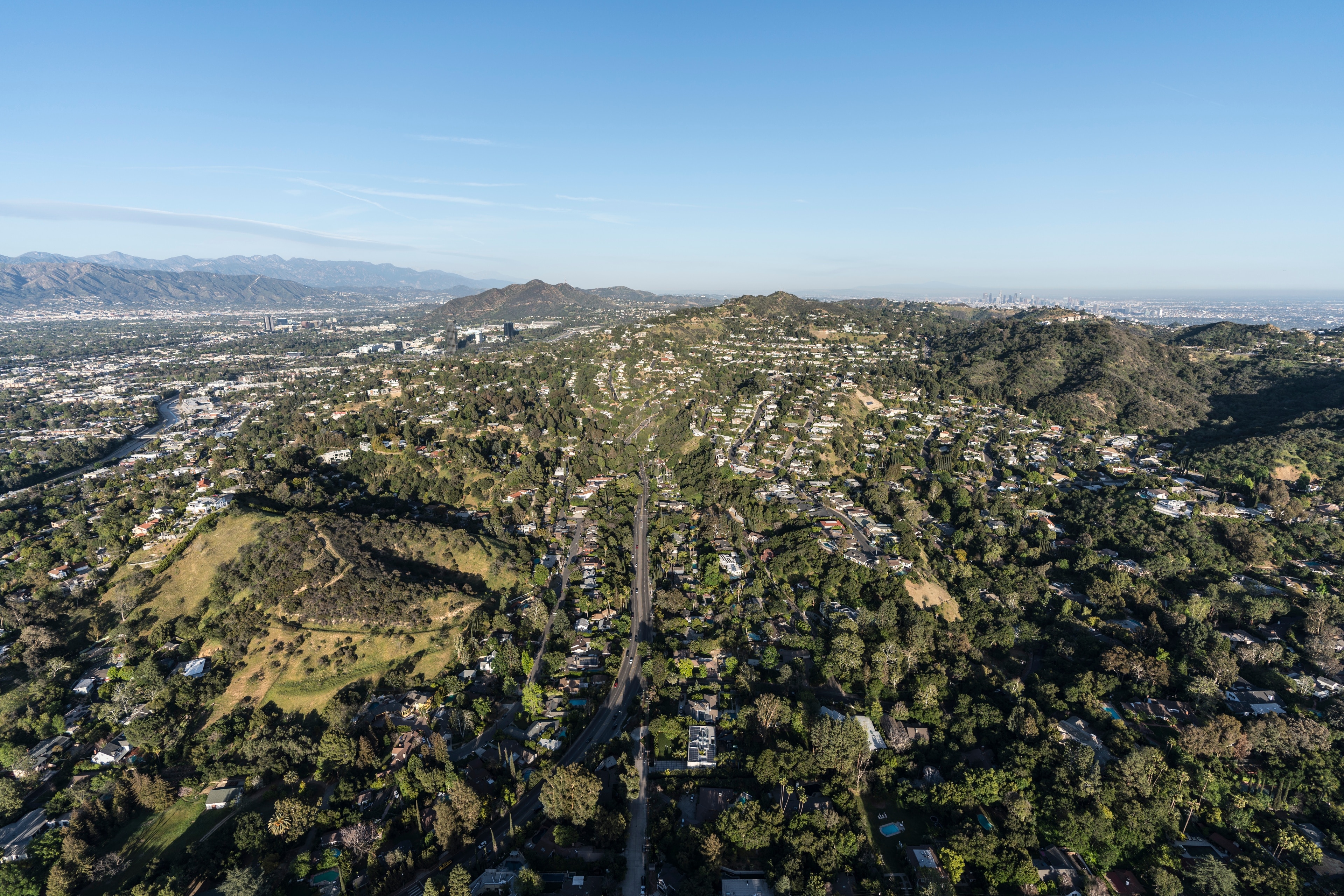
At its core, Laurel Canyon is a geographical feature – a deep, winding canyon that carves its way through the Hollywood Hills. It originates in the northern reaches of the Santa Monica Mountains and descends southward, eventually merging with the wider expanse of the city of Los Angeles. The exact boundaries can be somewhat fluid, often encompassing the communities that have sprung up along its serpentine roads and adjacent hillsides.
The canyon’s landscape is characterized by its lush, chaparral-covered slopes, dotted with ancient oaks and sycamores. The air is often thick with the scent of eucalyptus, a testament to its Mediterranean climate. This natural abundance provides a stark contrast to the more manicured urban environments that surround it. During the rainy season, small streams and waterfalls can emerge, adding to the canyon’s idyllic charm. Hiking trails weave through the hills, offering residents and visitors alike opportunities to immerse themselves in this natural sanctuary, a world away from the bustling boulevards below. The elevation provides panoramic views, stretching from the San Fernando Valley to the Pacific Ocean on a clear day, a constant reminder of the vast beauty of the region.
Historical Significance and the Laurel Canyon Sound
Laurel Canyon’s fame is inextricably linked to its golden era, particularly the 1960s and 1970s, when it became a hub for a revolutionary musical movement often dubbed the “Laurel Canyon Sound“. This period saw an unprecedented concentration of influential musicians and songwriters who found inspiration and community within its bohemian atmosphere. The canyon’s relative seclusion, coupled with affordable living and a spirit of artistic collaboration, fostered an environment where creativity could flourish.
Legendary artists such as Joni Mitchell, Jimi Hendrix, Jim Morrison, The Mamas & the Papas, Crosby, Stills, Nash & Young, Carole King, and Jackson Browne either lived in or frequented the canyon, forging friendships and influencing each other’s work. This era produced some of the most iconic songs of the folk-rock, psychedelic rock, and singer-songwriter genres, shaping the soundtrack of a generation. The intimate gatherings, jam sessions, and shared creative energy in the canyon’s humble abodes created a unique artistic ecosystem.
Key Figures and Their Residences
The homes themselves, often modest by Hollywood standards, became legendary through the music they inspired. Many of these residences, though private property, are points of pilgrimage for music enthusiasts. The history of these homes is deeply intertwined with the creative output of their inhabitants, each structure holding echoes of songs written, melodies composed, and groundbreaking performances conceived. The canyon’s layout, with houses scattered along winding roads and hidden driveways, contributed to its intimate, almost tribal, sense of community.
Navigating Laurel Canyon: Roads and Access
Locating Laurel Canyon on a map reveals its intricate network of roads. The primary artery is Laurel Canyon Boulevard, a significant thoroughfare that runs through the heart of the canyon, connecting the San Fernando Valley to the south and eventually leading towards West Hollywood. This road is the main conduit for traffic and offers glimpses into the canyon’s residential areas.
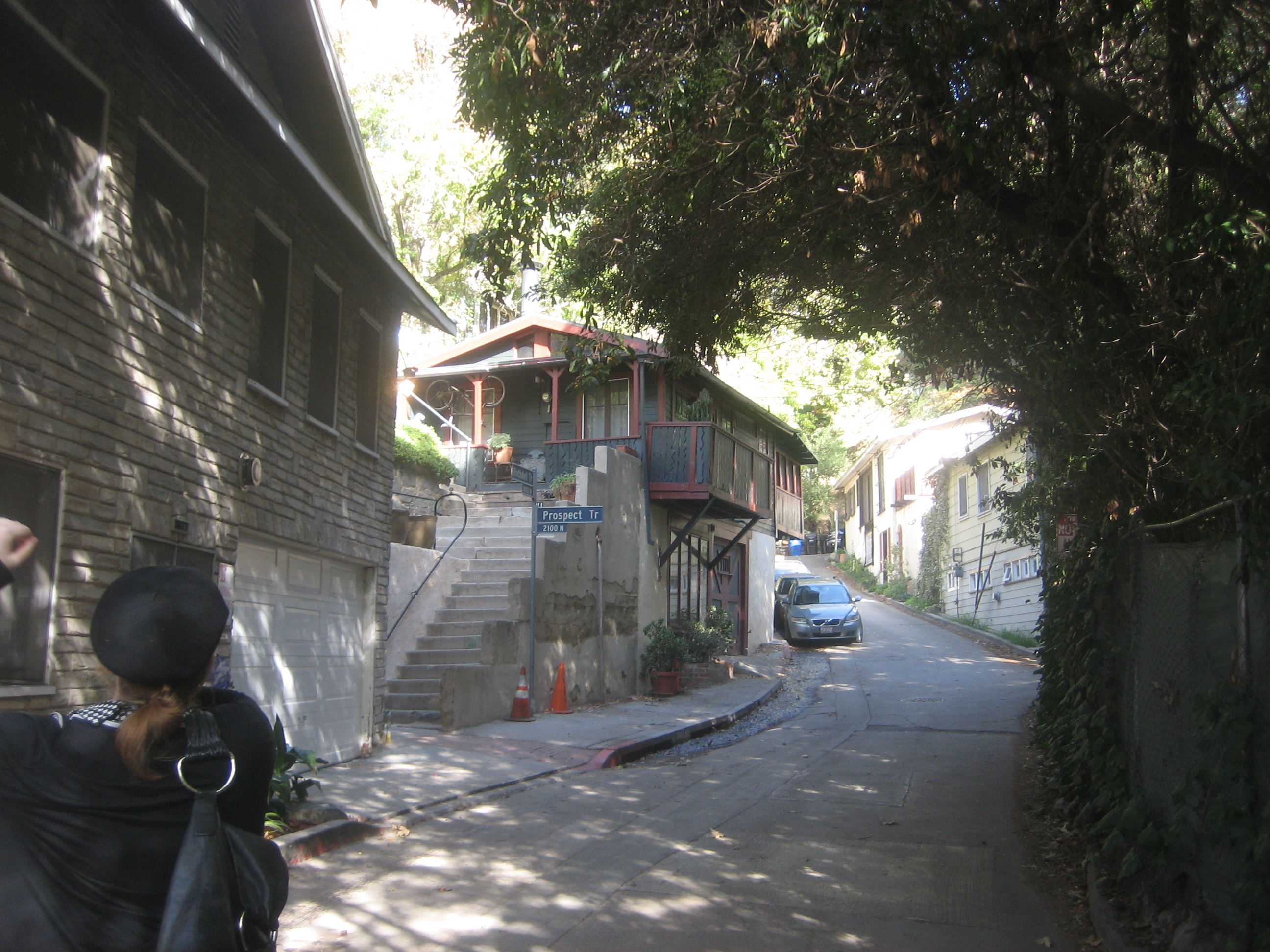
However, the true essence of Laurel Canyon is found off the main road, on the smaller, winding streets that climb the hillsides. These include names like Lookout Mountain Road, Mulholland Drive (which skirts the southern edge of the canyon), and numerous smaller residential streets. Navigating these roads requires a certain level of comfort with steep inclines, sharp turns, and often, limited parking. The experience of driving through Laurel Canyon is part of its charm, a slow, scenic journey that rewards with unexpected vistas and a sense of discovery.
The Challenge and Reward of the Drive
The drive itself can be a challenge, especially during peak hours, as Laurel Canyon Boulevard is a busy route for commuters. However, the slower pace afforded by the canyon’s winding nature encourages a more mindful exploration. Each turn can reveal a hidden architectural gem, a vibrant garden, or a stunning view of the sprawling city below. It’s a journey that mirrors the creative process itself – often winding, sometimes challenging, but ultimately rewarding. For those seeking to truly experience the geography, walking or cycling some of the less-trafficked side streets offers a more intimate connection with the environment.
Modern Laurel Canyon: A Blend of Past and Present
While its golden age of music has passed, Laurel Canyon remains a vibrant and desirable place to live. It continues to attract artists, musicians, and those who appreciate its unique character, natural beauty, and proximity to the cultural amenities of Los Angeles. The sense of community, though perhaps less intensely focused on a single musical movement, still persists. Local businesses, small cafes, and independent shops dot the canyon, serving as gathering places for residents.
The architecture in Laurel Canyon is as diverse as its past residents, ranging from rustic mid-century modern homes to more contemporary designs, many of which are carefully integrated into the natural landscape. The canyon’s appeal lies in its ability to offer a sense of escape while still being a fully functional part of a major metropolitan area. It’s a place where the echoes of legendary musicians can still be heard on the wind, mingling with the sounds of contemporary life. The ongoing allure of Laurel Canyon lies in its enduring spirit of creativity and its breathtaking natural setting.
Preserving the Legacy
Efforts are made to preserve the historical and environmental integrity of Laurel Canyon. The Santa Monica Mountains Conservancy plays a vital role in protecting the natural open spaces that define the canyon’s character. For those who visit, it’s an opportunity to walk in the footsteps of musical legends and experience a truly unique corner of California. The legacy of Laurel Canyon is not just in its history books or recorded music, but in the enduring magic of the place itself.
In essence, Laurel Canyon is a destination for those seeking more than just a geographical point on a map. It is a journey into a place where nature, art, and history converge, offering a compelling experience for travelers, musicians, and anyone drawn to its distinctive allure. It is a place that continues to inspire, nestled within the celebrated Los Angeles basin.
LifeOutOfTheBox is a participant in the Amazon Services LLC Associates Program, an affiliate advertising program designed to provide a means for sites to earn advertising fees by advertising and linking to Amazon.com. Amazon, the Amazon logo, AmazonSupply, and the AmazonSupply logo are trademarks of Amazon.com, Inc. or its affiliates. As an Amazon Associate we earn affiliate commissions from qualifying purchases.