
Little Havana is not just a neighborhood; it’s a pulsating cultural beacon, a living testament to the resilient spirit of the Cuban diaspora in the United States. For travelers seeking an authentic slice of Miami that transcends the city’s famed beaches and Art Deco glamour, understanding the location and essence of Little Havana is paramount. This vibrant district offers an immersive journey into Cuban heritage, where the aroma of strong coffee mingles with the rhythm of salsa music, and colorful murals tell stories of hope and longing. Pinpointing Little Havana on the map is the first step toward unlocking an unforgettable cultural experience in South Florida.
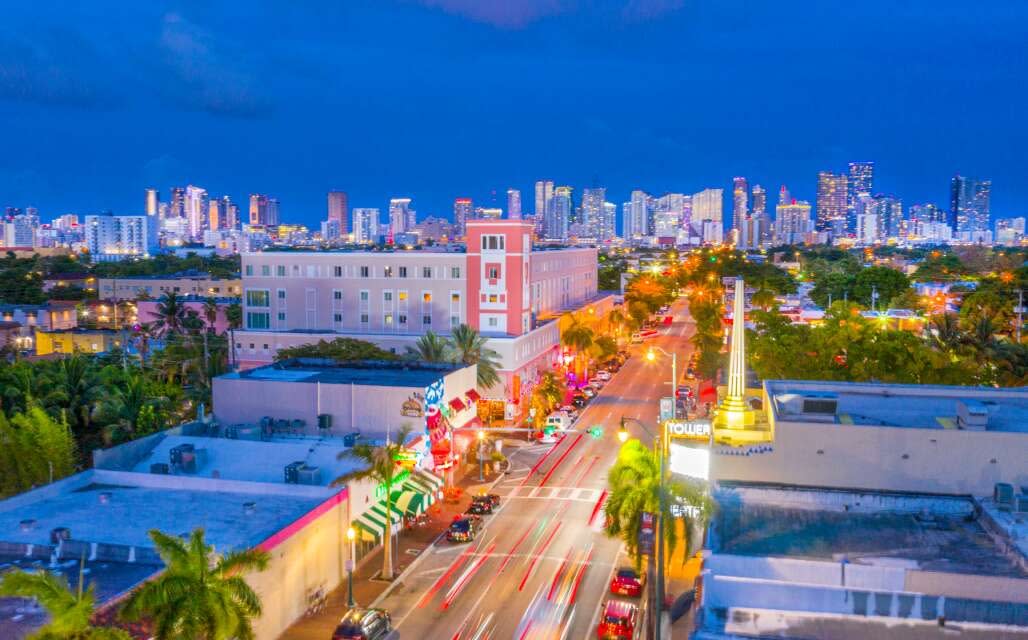
The Vibrant Heart of Cuban Culture in Miami
At its core, Little Havana is a physical place, yet its identity extends far beyond mere coordinates. It represents a spiritual home for many, a place where traditions are preserved, and a unique Cuban-American identity thrives. Understanding its geographical placement and historical context is crucial for appreciating its profound cultural significance.
Geographical Location and Boundaries
Little Havana is centrally located in Miami-Dade County, making it easily accessible from various parts of the metropolitan area. The neighborhood lies just west of Downtown Miami and Brickell, bordered roughly by the Miami River to the north, SW 37th Avenue to the west, Coral Way to the south, and SW 4th Avenue to the east.
Its undeniable epicenter is SW 8th Street, famously known as Calle Ocho. This bustling thoroughfare runs directly through the heart of Little Havana, acting as its main artery. For travelers, finding Calle Ocho is essentially finding Little Havana. The vibrant street stretches for several miles, transforming from a typical urban road into a spectacle of Cuban life between SW 12th Avenue and SW 27th Avenue. It’s here that the iconic sights, sounds, and flavors of the neighborhood are most concentrated, inviting exploration and discovery.
Historical Roots and Cultural Significance
The story of Little Havana began in the early 1960s, following the Cuban Revolution and the rise of Fidel Castro’s communist regime. Waves of Cuban exiles, seeking freedom and opportunity, fled their homeland and settled in Miami. They congregated in what was then a modest working-class neighborhood, transforming it into a vibrant hub of Cuban culture and community.
This influx of refugees brought with them their language, traditions, cuisine, music, and indomitable spirit. Little Havana quickly became a sanctuary, a place where people could rebuild their lives while keeping their heritage alive. The resilience of these early settlers laid the foundation for the thriving cultural district it is today. It’s a place where the pursuit of the American Dream intertwines with a profound reverence for Cuban identity. For travelers, visiting Little Havana offers a unique opportunity to witness the enduring legacy of this historical migration and experience a culture that has profoundly shaped Miami and the United States.
Navigating Little Havana: Getting There and Around
Reaching Little Havana is straightforward, and exploring its vibrant streets can be an adventure in itself. Depending on your starting point in Miami and your preferred mode of transport, there are several convenient options for travelers.
Public Transportation Options
Miami-Dade Transit offers a network of buses that serve Little Havana. While there isn’t a direct Metromover or Metrorail station within the heart of the neighborhood, several bus routes connect Calle Ocho to downtown areas and other parts of the city. For instance, the Route 8 bus runs directly along Calle Ocho, making it an excellent option for those staying in or around Downtown Miami or Brickell. Using a ride-sharing service to a central point like the intersection of SW 8th Street and SW 15th Avenue and then exploring on foot is also a popular and efficient method.
Driving and Parking Tips
For travelers with rental cars, driving to Little Havana is another viable option. The neighborhood is accessible via major arteries like the Dolphin Expressway (SR 836) and I-95. Once there, street parking can be found, particularly on side streets off Calle Ocho, though it can be competitive, especially during peak hours or weekend events. There are also a few public parking lots and garages available in the vicinity, but it’s advisable to check rates and availability beforehand. Be mindful of parking signs and restrictions to avoid fines, as Miami is strict with parking regulations.
Walking and Exploring on Foot
Without a doubt, the best way to experience Little Havana is on foot. The most captivating stretch of Calle Ocho is compact and pedestrian-friendly, ideal for a leisurely stroll. Walking allows you to fully absorb the vibrant atmosphere – to hear the lively conversations, smell the roasting coffee, admire the intricate murals, and stumble upon hidden gems. Many of the key attractions, from Domino Park to the Tower Theater, are within easy walking distance of each other, making a self-guided walking tour the quintessential Little Havana experience.
Must-See Attractions and Experiences
Little Havana is a treasure trove of sights, sounds, and activities that offer a deep dive into Cuban culture. For travelers, knowing which experiences to prioritize can help craft a memorable itinerary.
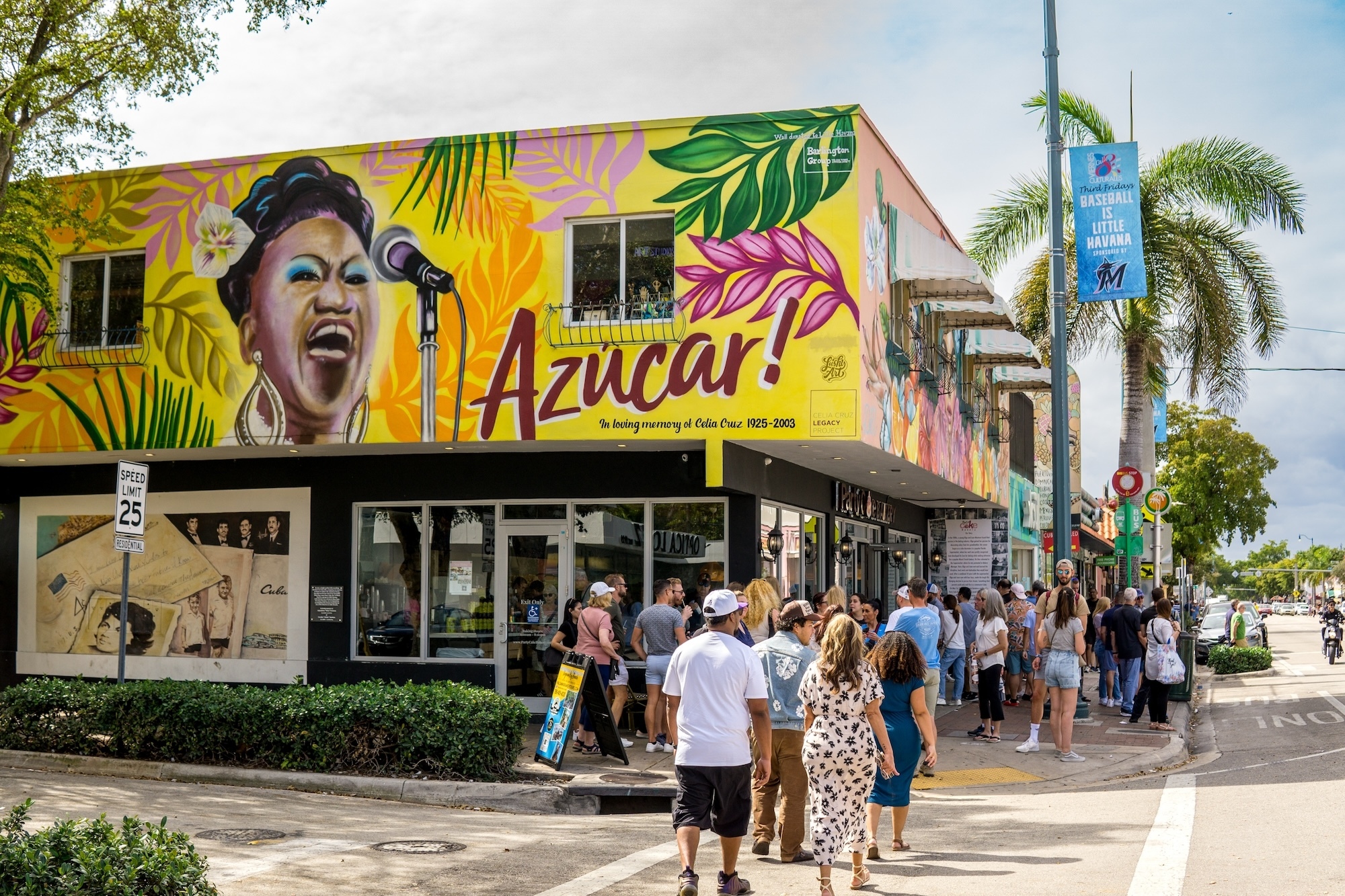
Calle Ocho: The Main Artery
Calle Ocho is more than just a street; it’s the pulsating heart of Little Havana. This is where the majority of the action happens. Stroll along its sidewalks, and you’ll encounter cigar rollers meticulously crafting their wares, vibrant art galleries showcasing Cuban and Latin American art, and lively street performers adding to the festive ambiance. The street truly comes alive, especially on the last Friday of every month during the “Viernes Culturales” (Cultural Fridays) festival, when art, music, and dance spill out onto the sidewalks, offering an unparalleled celebration of Cuban heritage.
Iconic Landmarks and Art Installations
Little Havana boasts several distinctive landmarks that tell its story:
- Domino Park (Parque Máximo Gómez): Perhaps the most iconic spot, Domino Park is where the neighborhood’s elder residents gather daily to play spirited games of dominoes and chess. It’s a lively, colorful scene, rich with local character, offering a glimpse into the social fabric of the community.
- Cuban Memorial Boulevard: Located along SW 13th Avenue on Calle Ocho, this boulevard features monuments dedicated to key figures and events in Cuban history, including a replica of the Eternal Flame and a statue of General Máximo Gómez.
- Tower Theater: A beautifully restored Art Deco cinema, the Tower Theater has been a cultural landmark since 1926. It once served as a crucial entry point for Cuban immigrants to learn about American culture through films and now functions as a movie house and cultural event space for Miami Dade College.
- Calle Ocho Walk of Fame: Similar to Hollywood’s Walk of Fame, this stretch of sidewalk honors prominent Latin American stars and personalities, adding another layer of cultural tribute to the street.
- Murals and Public Art: Throughout Little Havana, vibrant murals depicting scenes of Cuban life, historical figures, and political statements adorn walls and buildings, transforming the streets into an open-air art gallery.
Immersive Cultural Activities
Beyond sightseeing, Little Havana invites active participation:
- Cigar Rolling Demonstrations: Visit one of the many traditional cigar shops, like Guantanamera, to watch skilled artisans hand-roll cigars, a craft passed down through generations.
- Salsa Dancing: Many bars and clubs on Calle Ocho, such as Ball & Chain, offer live Cuban music and opportunities to learn or practice salsa dancing.
- Coffee Breaks: Experience the social ritual of enjoying a cafecito (strong, sweet Cuban coffee) at a ventanita (coffee window), a ubiquitous feature of Little Havana life.
A Taste of Cuba: Culinary Delights
No visit to Little Havana is complete without indulging in its extraordinary culinary scene. The food here is more than just sustenance; it’s a direct connection to Cuban heritage, rich with flavors that tell stories of family, tradition, and ingenuity.
Classic Cuban Restaurants and Cafes
The neighborhood is home to some of the most famous Cuban restaurants in the world.
- Versailles Restaurant: An institution since 1971, Versailles is arguably the most famous Cuban restaurant in Miami, if not the United States. Known for its classic Cuban comfort food—think ropa vieja, lechon asado, and Medianoche sandwiches—it’s also a political and social gathering spot, where discussions often spill out onto the sidewalk.
- Sanguich de Miami: For those seeking arguably the best Cuban sandwich, Sanguich de Miami offers a gourmet, artisanal take on this beloved classic, meticulously crafting each component.
- El Cristo Restaurant and Bakery: Another long-standing favorite, El Cristo serves up authentic Cuban dishes in a cozy, family-friendly atmosphere, alongside an array of delicious pastries.
Street Food and Sweet Treats
Beyond sit-down restaurants, Little Havana offers a delightful array of casual eats and desserts:
- Cuban Coffee: A cafecito or colada from a ventanita is essential. The robust, sweet coffee is a cornerstone of daily life. Try Ventana at Versailles for a quick pick-me-up.
- Fresh Juices and Fruits: Visit Los Pinarenos Fruteria, Little Havana’s oldest open-air fruit stand, for refreshing juices made from exotic Caribbean fruits.
- Guava Pastries and Empanadas: Bakeries throughout the neighborhood offer flaky pastries filled with guava and cheese, as well as savory empanadas with various fillings.
- Azucar Ice Cream Company: Indulge in unique, artisanal ice cream flavors inspired by Cuban and Latin American ingredients, like café con leche, guava, and plantain.
Planning Your Visit: Best Times and Practical Tips
To make the most of your journey to Little Havana, consider these practical pointers for a seamless and enriching travel experience.
Best Time of Year to Visit
Miami enjoys warm weather year-round, but the best time to visit Little Havana for comfortable walking and outdoor activities is during the drier, cooler months from November to April. During this period, temperatures are milder, and humidity is lower, making it ideal for strolling Calle Ocho and enjoying outdoor patios. While the summer months (May to October) are hot and humid with frequent afternoon thunderstorms, the vibrancy of Little Havana persists, though you might prefer to plan indoor activities or visit early in the morning or late in the afternoon. Weekends, particularly during the day, tend to be the liveliest, but weekdays offer a more relaxed atmosphere.

Essential Tips for Travelers
- Language: While English is widely spoken, a significant portion of the community primarily speaks Spanish. Learning a few basic Spanish phrases like “hola” (hello), “gracias” (thank you), and “por favor” (please) will be appreciated and enhance your experience.
- Currency: The official currency is the United States Dollar. Most establishments accept credit cards, but it’s a good idea to carry some cash for smaller purchases, street vendors, or tipping.
- Dress Code: Casual, comfortable attire is perfectly acceptable. Given Miami’s climate, light clothing and comfortable walking shoes are recommended.
- Safety: Little Havana is generally safe for tourists during the day. As with any urban area, it’s always wise to be aware of your surroundings, especially at night, and to secure your valuables.
- Cultural Respect: Engage respectfully with locals. Take photos with permission, especially if photographing individuals. Remember that while Little Havana is a tourist destination, it is first and foremost a residential neighborhood and a cherished cultural space for its inhabitants.
In conclusion, Little Havana is more than just a dot on the map of Miami; it is an essential travel destination that offers a profound and authentic cultural experience. Its accessible location, rich history, vibrant attractions, and unparalleled culinary scene make it a must-visit for anyone looking to truly understand the diverse soul of South Florida. By locating Little Havana and embracing its unique offerings, travelers can embark on a memorable journey that transports them straight to the heart of Cuba, right within the bustling metropolis of Miami.
LifeOutOfTheBox is a participant in the Amazon Services LLC Associates Program, an affiliate advertising program designed to provide a means for sites to earn advertising fees by advertising and linking to Amazon.com. Amazon, the Amazon logo, AmazonSupply, and the AmazonSupply logo are trademarks of Amazon.com, Inc. or its affiliates. As an Amazon Associate we earn affiliate commissions from qualifying purchases.