
San Pedro, a vibrant coastal community, holds a distinctive place on the map of California. Often regarded as the maritime heart of Los Angeles, this historic district offers a rich blend of industrial might, cultural diversity, and scenic beauty. For those unfamiliar with its precise location and unique character, understanding where San Pedro lies is the first step toward uncovering its many treasures. It is more than just a port; it is a destination brimming with history, natural attractions, and a lively local scene that beckons travelers seeking an authentic Southern California experience.
Unveiling San Pedro: A Gem on the Southern California Coast
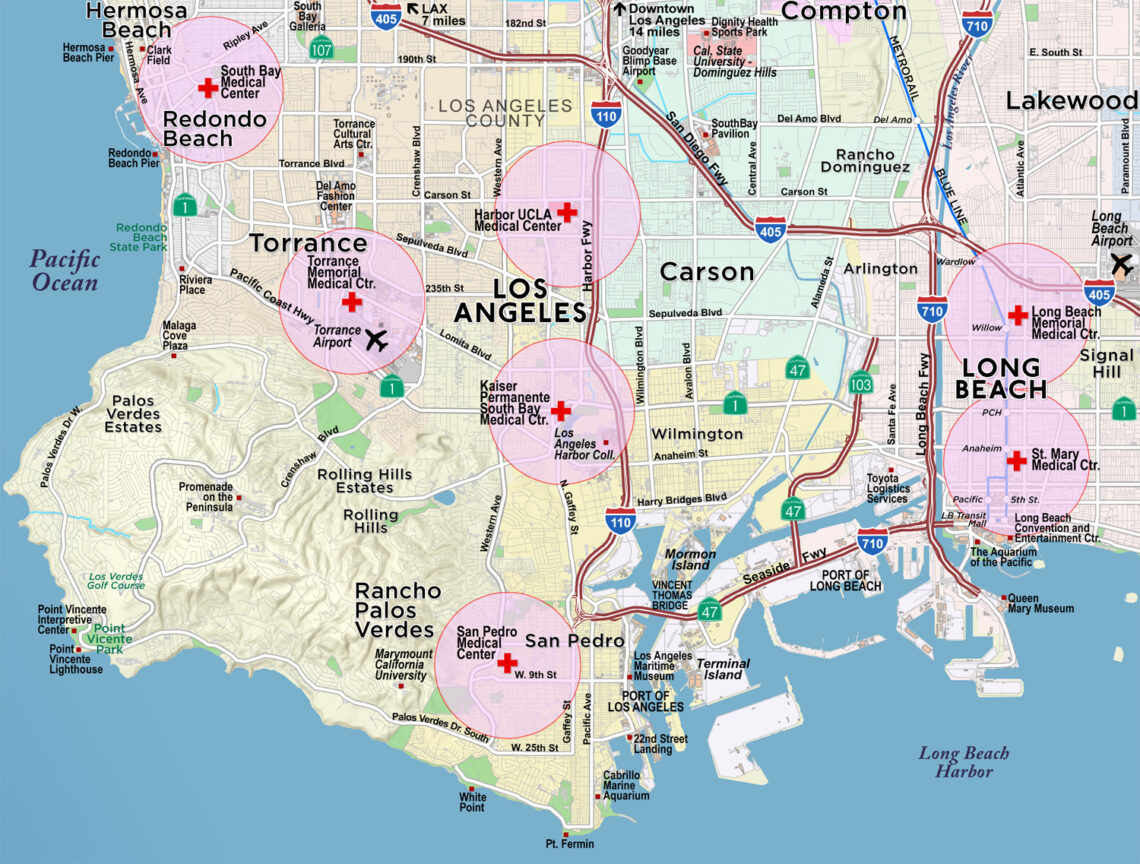
San Pedro is strategically situated at the southernmost tip of the City of Los Angeles, forming a critical gateway to the Pacific Ocean. Its unique geographic position has profoundly shaped its identity, transitioning from a humble fishing village to one of the world’s most bustling maritime hubs.
Geographic Coordinates and Context
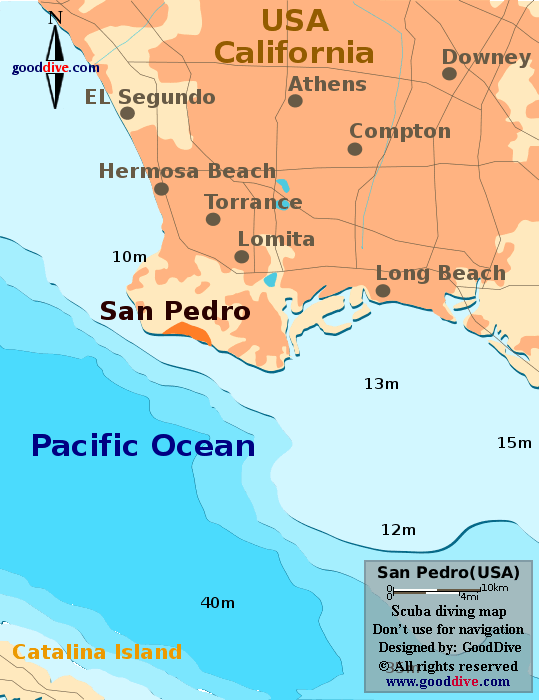
San Pedro is nestled on the southern side of the Palos Verdes Peninsula, approximately 20 miles south of Downtown Los Angeles. It is bordered by the sprawling industrial complex of Terminal Island to its east, Wilmington to the north, and the picturesque cliffs of Rancho Palos Verdes to its west. The Vincent Thomas Bridge, an iconic green suspension bridge, dramatically connects San Pedro to Terminal Island, serving as a recognizable landmark for both residents and visitors.
While administratively part of Los Angeles, San Pedro maintains a distinct community feel, often distinguishing itself from the broader metropolitan area. It’s a short drive from other major Southern California cities like Long Beach and is relatively accessible from Orange County, making it a convenient destination for a day trip or an extended stay for those exploring the region.
A City within a City: San Pedro’s Unique Identity
What truly sets San Pedro apart is its strong, independent identity. Despite being an official district of Los Angeles, it possesses the charm and tight-knit community spirit of a self-contained town. This distinctiveness stems from its historical roots as a separate port town before its annexation by Los Angeles in 1909. This move was primarily driven by the need for Los Angeles to acquire a deep-water port, a strategic asset that would fuel its growth into a global economic power.
Today, this historical autonomy is palpable in San Pedro’s architecture, local businesses, and cultural events. Its waterfront character is undeniably strong, with a working port, active fishing fleets, and a robust maritime culture permeating every aspect of daily life. This blend of industrial functionality and community warmth gives San Pedro a unique flavor that differentiates it from the more generalized urban sprawl of Los Angeles proper.
The Historical Tapestry and Economic Engine
San Pedro’s story is inextricably linked to the sea, a narrative of ambition, innovation, and global connection. Its development mirrors the rise of California itself, from a sparsely populated frontier to an economic powerhouse.
Birthplace of the Port of Los Angeles
The very essence of San Pedro is intertwined with the Port of Los Angeles, often referred to as America’s “Port of First Choice.” What began as a natural harbor capable of accommodating ships evolved dramatically through extensive dredging and infrastructure projects in the late 19th and early 20th centuries. Today, it stands as the busiest container port in the Western Hemisphere, a colossal engine of international trade and a marvel of modern logistics.
The port’s history is a testament to engineering prowess and economic foresight. It handles billions of dollars worth of cargo annually, from consumer goods to automobiles, making it a critical node in global supply chains. This monumental industrial presence provides thousands of jobs and injects significant capital into the regional and national economies. For visitors, the port is not just a commercial entity; it’s a dynamic spectacle, offering opportunities to witness massive cargo ships, cruise liners, and bustling maritime activity up close from various vantage points along the waterfront.
A Rich Cultural Heritage
Beyond its economic might, San Pedro boasts a profoundly rich cultural heritage shaped by waves of immigration. Throughout its history, people from around the world — particularly from Croatia, Italy, Portugal, and Mexico — settled in San Pedro, drawn by opportunities in the fishing industry and at the port. These diverse communities brought with them traditions, cuisines, and languages that have woven a vibrant cultural tapestry.
This multicultural legacy is evident in the area’s architecture, its array of authentic ethnic restaurants, and the numerous community festivals held throughout the year. The strong sense of community, passed down through generations, has preserved much of this heritage, making San Pedro a microcosm of California’s broader multicultural identity. Exploring its historic neighborhoods reveals charming homes, local markets, and a palpable sense of pride in its diverse roots.
Top Attractions and Experiences for Visitors
San Pedro offers a wide array of attractions that cater to diverse interests, from maritime history enthusiasts to nature lovers and those seeking cultural immersion. Its unique position ensures a blend of historical sites, natural beauty, and engaging activities.
Maritime Marvels and Naval History
Given its port status, it is no surprise that San Pedro excels in maritime attractions. The Battleship USS Iowa Museum is arguably the crown jewel. Permanently docked along the waterfront, the USS Iowa, a formidable battleship that served in World War II and the Korean War, offers an immersive journey into naval history. Visitors can explore its massive decks, crew quarters, and command centers, gaining insight into the lives of sailors and the ship’s pivotal role in global conflicts.
Nearby, the Los Angeles Maritime Museum, housed in the historic Municipal Ferry Terminal, delves deeper into the port’s history and the area’s rich seafaring traditions. Its exhibits cover everything from commercial fishing to the era of passenger liners, showcasing intricate ship models, historical photographs, and nautical artifacts that tell the story of San Pedro’s connection to the sea.
Natural Beauty and Coastal Charm
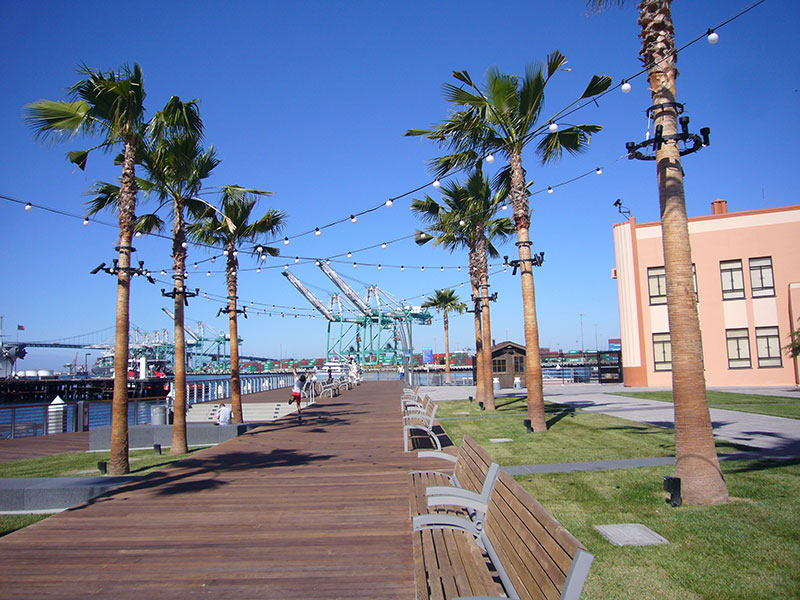
San Pedro’s coastline is dotted with natural wonders and picturesque spots perfect for relaxation and recreation. The historic Point Fermin Lighthouse, a beautiful Victorian-style structure built in 1874, stands majestically atop the cliffs, offering breathtaking views of the Pacific Ocean. Visitors can take guided tours to learn about its history and the lives of its keepers. The surrounding Point Fermin Park is an ideal spot for picnics, strolls, and whale watching during migration seasons.
For beachgoers, Cabrillo Beach offers a unique experience with its calm inner harbor, suitable for swimming and paddleboarding, and an outer beach facing the open ocean, popular for surfing and windsurfing. Adjacent to the beach is the Cabrillo Marine Aquarium, an educational institution dedicated to the marine life of Southern California. It features diverse exhibits, including tide pools, touch tanks, and a collection of local marine species, making it an excellent stop for families and anyone interested in ocean conservation.
Cultural Landmarks and Panoramic Views
San Pedro also offers several cultural landmarks that provide stunning views and a glimpse into international relations. The Korean Friendship Bell, a magnificent bronze bell housed in a traditional Korean pagoda, is perched high on a hill within Angels Gate Park. This elaborate gift from the people of the Republic of Korea to the American people commemorates the bicentennial of the U.S. and the friendship between the two nations. The site offers unparalleled panoramic vistas of the Pacific Ocean, Catalina Island, and the Palos Verdes Peninsula.
Further testament to the area’s defensive history is the Fort MacArthur Museum. Once a U.S. Army coastal defense battery, the museum now preserves the remnants of Fort MacArthur and tells the story of its role in protecting the Los Angeles harbor from the early 20th century through World War II and the Cold War.
Exploring San Pedro’s Vibrant Local Scene
Beyond its major attractions, San Pedro thrives with a local scene that invites exploration, from its diverse culinary offerings to its burgeoning arts community.
Culinary Delights and Dining
San Pedro’s culinary landscape is a reflection of its multicultural heritage and its proximity to fresh seafood. Visitors can indulge in an array of dining experiences, from casual seafood shacks along the waterfront, serving up daily catches, to upscale restaurants offering panoramic ocean views. The influence of Mediterranean, Mexican, and Asian cuisines is evident in many establishments, providing a diverse palette of flavors.
Downtown San Pedro has undergone revitalization, with new eateries, cafes, and breweries adding to the existing historical gems. Whether craving traditional Italian pasta, authentic Croatian dishes, or fresh fish and chips, San Pedro offers a gastronomic journey that is both satisfying and authentic to its roots.
Arts, Entertainment, and Shopping
The arts flourish in San Pedro, particularly around the Arts District in Downtown San Pedro. Here, art galleries, studios, and public murals contribute to a dynamic creative atmosphere. The historic Warner Grand Theatre, a beautifully restored Art Deco movie palace from 1931, serves as a focal point for live performances, concerts, and film screenings, transporting audiences back to Hollywood’s golden age.
For shopping, San Pedro offers a mix of antique shops, independent boutiques, and local markets, particularly along the main thoroughfares of Pacific Avenue and 6th Street. Visitors can find unique souvenirs, maritime-themed gifts, and locally crafted goods, providing a refreshing alternative to typical mall shopping.
Events and Festivals
Throughout the year, San Pedro hosts a variety of events and festivals that celebrate its heritage and community spirit. From the annual San Pedro Fish Market Grille Lobster Festival to Croatian, Italian, and Mexican heritage celebrations, there is always something happening that reflects the community’s vibrant culture. These events offer an excellent opportunity for visitors to engage with locals, sample ethnic foods, enjoy live music, and experience the warm, welcoming atmosphere of San Pedro.
Planning Your Visit to San Pedro
Making the most of your trip to San Pedro involves a bit of planning, ensuring smooth travel and an enriching experience.
Accessibility and Transportation
San Pedro is readily accessible by car, primarily via the I-110 Freeway (Harbor Freeway) which terminates directly in the district. Driving offers the most flexibility for exploring the various attractions spread across the area. Public transportation options are also available through the Los Angeles Metro system, connecting San Pedro to Downtown Los Angeles and beyond. Once in San Pedro, a local trolley service, the San Pedro Downtown Trolley, provides convenient transportation to many key attractions along the waterfront and in the downtown area.
Best Time to Visit
San Pedro, like much of Southern California, enjoys a mild, Mediterranean climate year-round. The best time to visit largely depends on personal preference and desired activities. Spring (April-May) and Fall (September-October) offer pleasant temperatures, fewer crowds, and ideal conditions for outdoor exploration. Summer (June-August) is popular for beach activities and water sports, though it can be warmer and more crowded. Winter (November-March) is generally mild, making it a good time for museum visits and enjoying the brisk ocean air, often with clear visibility.
Where to Stay
San Pedro offers a range of accommodation options to suit different budgets and preferences. From well-known hotel chains situated with views of the harbor to charming boutique hotels in the historic downtown, visitors can find comfortable lodging close to major attractions. Additionally, vacation rentals and guesthouses provide alternatives for those seeking a more local experience or longer stays. Many accommodations boast views of the bustling port or the serene Pacific Ocean, ensuring a quintessential San Pedro experience.
In conclusion, San Pedro in California is far more than just a dot on a map. It is a vibrant, historically rich, and culturally diverse destination that offers a unique blend of maritime heritage, natural beauty, and a welcoming community spirit. For travelers seeking an authentic Southern California experience away from the more conventional tourist hubs, San Pedro stands as an inviting and profoundly rewarding place to explore.
LifeOutOfTheBox is a participant in the Amazon Services LLC Associates Program, an affiliate advertising program designed to provide a means for sites to earn advertising fees by advertising and linking to Amazon.com. Amazon, the Amazon logo, AmazonSupply, and the AmazonSupply logo are trademarks of Amazon.com, Inc. or its affiliates. As an Amazon Associate we earn affiliate commissions from qualifying purchases.