
The name “Skid Row” evokes a potent and often somber image, immediately recognized as a descriptor for areas of urban poverty, homelessness, and concentrated social challenges. In the sprawling metropolis of Los Angeles, a city celebrated globally for its sunshine, glamour, and vibrant culture, “Skid Row” exists as a stark counterpoint, representing a complex and enduring facet of its urban landscape. For those exploring Los Angeles—whether as a traveler seeking to understand the city’s multifaceted identity, a resident navigating its diverse neighborhoods, or someone interested in urban history and social dynamics—the question of “Where is Los Angeles Skid Row?” is not merely geographical. It’s an inquiry into history, sociology, and the very soul of a global city.
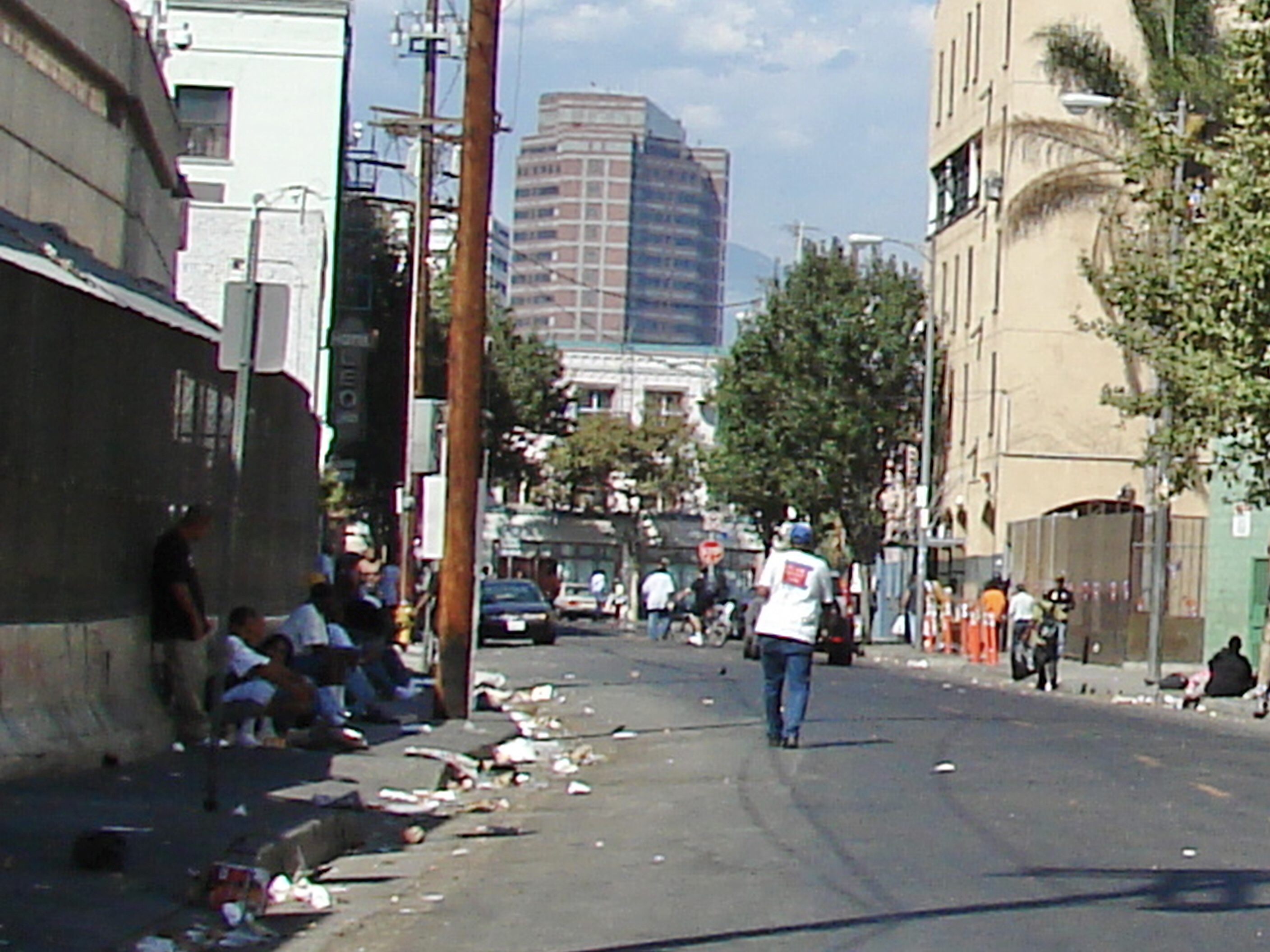
This area, often sensationalized and misunderstood, is not a tourist attraction in the conventional sense, nor is it a place to visit for casual sightseeing. Instead, understanding its location, history, and social context is crucial for anyone seeking a comprehensive view of Los Angeles beyond its famous landmarks and luxurious lifestyles. It compels a deeper look into the realities of urban life, the challenges of homelessness, and the resilience of communities striving for change. This article aims to provide a clear and respectful overview, positioning Skid Row within the broader narrative of Los Angeles, consistent with a website focused on travel, urban exploration, and understanding diverse lifestyles.
Unpacking the Geography and History of Skid Row in Los Angeles
To truly understand Los Angeles’s Skid Row, one must first pinpoint its exact location and then delve into the historical forces that shaped its unique identity. Far from being an isolated island, it is deeply embedded within the fabric of Downtown Los Angeles, juxtaposed against areas experiencing significant revitalization.
Defining the Boundaries of a Complex Urban Landscape
Geographically, Los Angeles’s Skid Row is primarily concentrated in the southeastern portion of Downtown Los Angeles. While its precise boundaries can be fluid in popular perception, the officially recognized area, sometimes referred to as the Central City East Association district, generally encompasses:
- East to West: From approximately Main Street on its western edge to Alameda Street on its eastern flank.
- North to South: Stretching from around 3rd Street in the north down to 7th Street in the south.
This roughly 50-block area is characterized by a high concentration of homeless individuals, encampments, and service providers. It is distinct from, yet intimately connected to, other notable Downtown Los Angeles neighborhoods such as the Arts District to the east, Little Tokyo to the north, and the rapidly gentrifying core of Downtown Los Angeles to the west. The physical proximity to major business districts, cultural landmarks like the Walt Disney Concert Hall, and entertainment venues like Crypto.com Arena (formerly Staples Center) creates a striking urban contrast that defines much of the contemporary Los Angeles experience. Understanding these boundaries is the first step in approaching the area with awareness and respect, rather than confusion or fear.
A Historical Lens: The Evolution of a Name and a Place
The term “skid row” itself has historical roots, originating from the logging industry where “skid roads” were paths used to slide logs downhill. These areas often attracted transient workers who needed cheap lodging and amenities, leading to the colloquial use of “skid row” for urban districts characterized by cheap housing, saloons, and a transient population. Similar areas emerged in cities across North America, from New York to San Francisco and Chicago.
Los Angeles’s Skid Row began to take shape in the late 19th and early 20th centuries. As the city grew and became a major transportation hub, particularly for railroads, it attracted waves of migrant workers, sailors, and laborers, many of whom were transient and seeking employment. The area near the freight yards and early industrial zones in Downtown Los Angeles naturally became a hub for low-cost hotels, boarding houses, bars, and missions providing basic services. This pattern intensified during the Great Depression and after World War II, when waves of returning veterans and economic migrants sought affordable shelter.
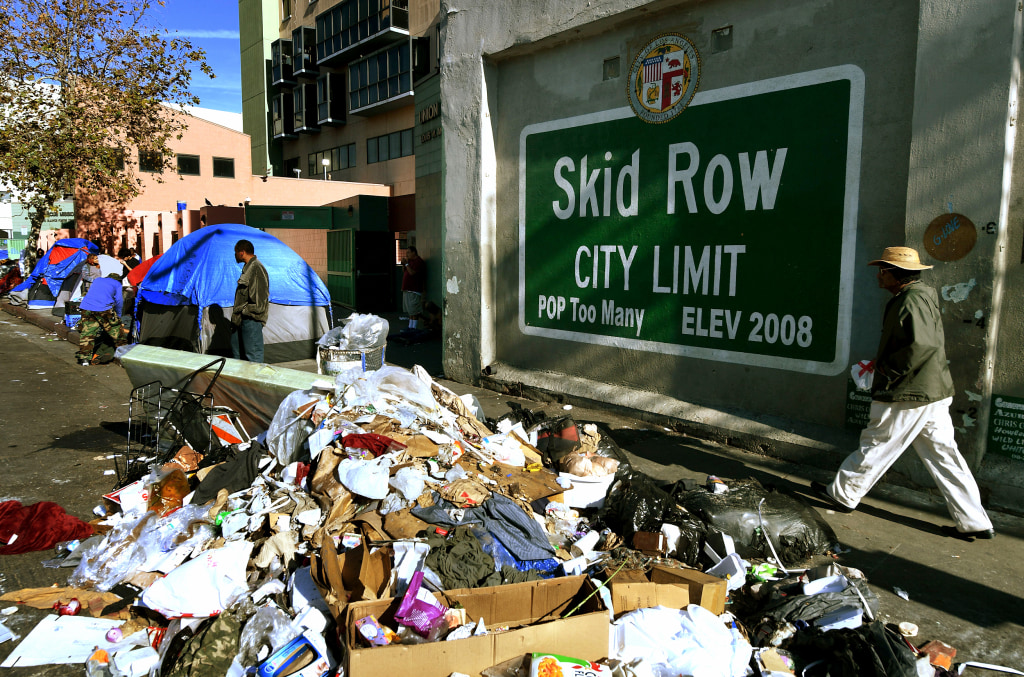
However, a pivotal turning point for Los Angeles’s Skid Row occurred in the 1970s. As urban renewal efforts began to transform other parts of Downtown Los Angeles, and as various city policies actively discouraged the establishment of social services outside this designated zone, a “containment policy” effectively concentrated homeless services and the unhoused population within the boundaries of Skid Row. This policy, intended to manage the issue, inadvertently created a dense concentration of poverty and related challenges that persist to this day. The area became, in essence, an unofficial receptacle for the city’s most vulnerable residents, solidifying its identity as the epicenter of Los Angeles’s homelessness crisis. This historical trajectory is crucial for understanding why Skid Row exists as it does, rather than simply dismissing it as an unfortunate anomaly.
The Social Fabric and Community Resilience in Skid Row
Beyond its geographical coordinates and historical evolution, Skid Row is a vibrant, albeit struggling, community. It is a place where profound social challenges meet remarkable resilience, activism, and a network of dedicated service providers. Understanding this dynamic is key to comprehending the area’s true nature.
Life on the Streets: Challenges and Support Systems
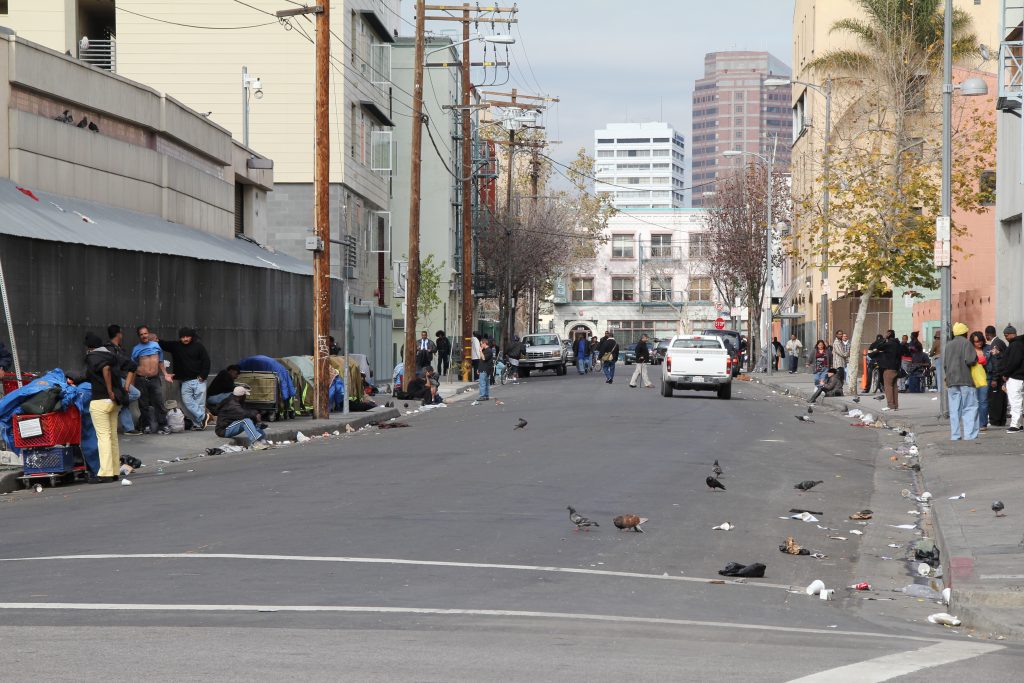
The daily reality in Skid Row is dominated by the visible presence of homelessness. Tents, makeshift shelters, and individuals experiencing extreme poverty are commonplace. The challenges faced by residents are immense, including chronic homelessness, mental health issues, substance abuse, lack of access to healthcare, and the constant threat of violence or exploitation. The human stories here are complex and varied, often rooted in systemic issues such as economic inequality, lack of affordable housing, and inadequate support for mental health.
However, Skid Row is also home to a vital ecosystem of non-profit organizations and social service providers that offer crucial support. These organizations form the backbone of the community, working tirelessly to provide food, shelter, medical care, mental health services, job training, and advocacy. Prominent examples include:
- The Union Rescue Mission, one of the largest and oldest rescue missions in the United States, offering comprehensive services from emergency shelter to long-term rehabilitation programs.
- The Midnight Mission, providing meals, shelter, addiction recovery, and job training to help individuals rebuild their lives.
- The Downtown Women’s Center, exclusively serving homeless and very low-income women, offering day services, housing, and healthcare.
- Los Angeles Community Action Network (LACAN), a grassroots organization focused on human rights advocacy, community organizing, and empowering residents.
These institutions, alongside many smaller community efforts, represent a profound commitment to human dignity and a testament to the resilience of those living in and serving Skid Row. They embody a unique form of local culture, driven by necessity and compassion, far removed from the typical tourist experience but deeply significant to the city’s identity.
The Interplay with Broader Downtown Los Angeles Revitalization
One of the most striking aspects of Los Angeles’s Skid Row is its immediate proximity to areas that have undergone significant gentrification and revitalization. This contrast creates a visible tension and highlights the city’s complex urban dynamics.
To the east, the Arts District has transformed from an industrial zone into a trendy hub of galleries, boutiques, restaurants, and upscale apartments. Just north, Little Tokyo offers a rich cultural experience with its historic shops, Japanese gardens, and culinary delights. To the west, the core of Downtown Los Angeles boasts a revitalized nightlife, luxury hotels, high-rise residential buildings, and attractions like Grand Central Market and Pershing Square. The Fashion District, a bustling hub of commerce, also borders Skid Row, showcasing the juxtaposition of thriving business and abject poverty within blocks of each other.
This geographical and socio-economic interplay is a defining feature of modern Los Angeles. It illustrates the uneven distribution of prosperity and the challenges of inclusive urban development. For those interested in urban planning, social justice, or simply a deeper understanding of city life, the relationship between Skid Row and its affluent neighbors provides a compelling case study. It’s a vivid reminder that the “lifestyle” of Los Angeles encompasses a wide spectrum, from extreme luxury to profound hardship, often existing side-by-side.
Navigating and Understanding Skid Row for Travelers and Concerned Citizens
Given its sensitive nature, approaching Skid Row requires a thoughtful and respectful perspective. While it is not a destination for conventional tourism, understanding its existence is part of a complete Los Angeles experience for those who wish to engage with the city’s full reality.
Responsible Engagement and Respectful Exploration
For travelers and residents alike, understanding Skid Row means exercising caution, compassion, and common sense. It is not advisable to tour the area as one might visit a historical landmark or a bustling market. Instead, any engagement should be guided by a sense of social responsibility and respect for the dignity of its residents.
If one finds themselves near or passing through the area, consider the following:
- Be Aware, Not Intrusive: Maintain situational awareness, but avoid staring or taking photographs of individuals without explicit permission. These are people in vulnerable situations, and their privacy and dignity should be respected.
- Safety First: Skid Row can be a dangerous place due to the high levels of poverty, drug use, and mental health crises. It is generally recommended to avoid walking alone, especially after dark. If driving through, keep doors locked and windows up.
- Support Ethically: If you wish to help, do so through established non-profit organizations rather than direct handouts. Organizations like the Union Rescue Mission or Midnight Mission have the infrastructure and expertise to effectively distribute aid, food, and services. Volunteering with these groups can be a profoundly impactful way to engage.
- Educate Yourself: Learn about the root causes of homelessness in Los Angeles and California. Understanding the systemic issues can foster empathy and encourage support for long-term solutions.
Approaching Skid Row with an open mind, a desire to learn, and a commitment to respectful interaction contributes to a more informed and compassionate understanding of Los Angeles as a whole. It transforms a potentially overwhelming sight into an opportunity for social awareness and personal reflection.
Accommodation and Proximity: Where to Stay When Exploring Los Angeles’s Urban Core
While there are no conventional tourist hotels directly within the Skid Row boundaries, the surrounding areas of Downtown Los Angeles offer a wide range of accommodation options. For travelers interested in exploring the urban core, its historical landmarks, diverse cuisine, and vibrant cultural scene, staying in nearby Downtown Los Angeles provides convenient access to many attractions while maintaining a respectful distance from the sensitive areas of Skid Row.
Downtown Los Angeles has undergone a significant resurgence, becoming a desirable destination for both business and leisure travelers. You’ll find a variety of hotels, from luxury resorts to boutique apartments, catering to different preferences and budgets. Examples of well-regarded hotels in the broader Downtown Los Angeles area include:
- The Biltmore Hotel: A historic landmark known for its opulent architecture and rich past, offering a blend of classic elegance and modern amenities.
- Ace Hotel Downtown Los Angeles: Housed in the historic United Artists Theater building, it combines vintage charm with a contemporary, trendy vibe, appealing to a lifestyle-conscious traveler.
- Omni Los Angeles Hotel at California Plaza: Located near cultural institutions and offering scenic views of the city, it’s a popular choice for both business and leisure.
- The Standard Downtown LA: Known for its rooftop pool and vibrant social scene, it offers a more contemporary and energetic experience.
These hotels are situated within easy reach of Downtown Los Angeles’s attractions, public transportation, and diverse dining options. Choosing accommodation in these areas allows visitors to experience the dynamic revitalization of Downtown Los Angeles while remaining mindful of the social complexities that define other parts of the urban core. For those interested in urban travel, these locations provide a comfortable base from which to explore all facets of the city, from its glittering attractions to its deeper social narratives.
In conclusion, Los Angeles’s Skid Row is a geographically defined area in southeastern Downtown Los Angeles, bounded roughly by Main Street, Alameda Street, 3rd Street, and 7th Street. It is a place shaped by a century of social policy, economic shifts, and human need. More than just a location, it represents a crucial part of the Los Angeles story—a stark reminder of the social challenges that persist even in a city synonymous with dreams and prosperity. Understanding Skid Row requires looking beyond stereotypes, engaging with its history, recognizing the efforts of its dedicated service organizations, and approaching the area with empathy and respect. For the discerning traveler or concerned citizen, it offers a powerful lesson in urban complexity and human resilience, urging a more nuanced appreciation of this vast and vibrant global city.
LifeOutOfTheBox is a participant in the Amazon Services LLC Associates Program, an affiliate advertising program designed to provide a means for sites to earn advertising fees by advertising and linking to Amazon.com. Amazon, the Amazon logo, AmazonSupply, and the AmazonSupply logo are trademarks of Amazon.com, Inc. or its affiliates. As an Amazon Associate we earn affiliate commissions from qualifying purchases.