
Mariposa, California, often conjures images of the Golden State’s majestic natural beauty and rich historical tapestry. For travelers seeking to uncover lesser-known gems or to establish a perfect base for exploring world-renowned natural wonders, understanding Mariposa’s precise location and its surrounding context is the crucial first step. Tucked away in the scenic foothills of the Sierra Nevada mountains, Mariposa serves as more than just a dot on a map; it’s a vibrant gateway to adventure, history, and unparalleled natural splendor.
Unveiling Mariposa’s Geographic Heart
Geographically, Mariposa is strategically positioned within Mariposa County, the central county of California‘s Sierra Nevada region. It lies approximately 45 miles northeast of Merced and about 70 miles north of Fresno, placing it roughly a three-hour drive from major metropolitan areas such as the San Francisco Bay Area and a five-hour drive from Los Angeles. The town itself sits at an elevation of around 1,950 feet, offering a mild, Mediterranean climate that transitions from warm, dry summers to cool, wet winters. This elevation also places it below the heavy snowfall lines of the higher mountains, making it accessible year-round, a significant advantage for travelers.
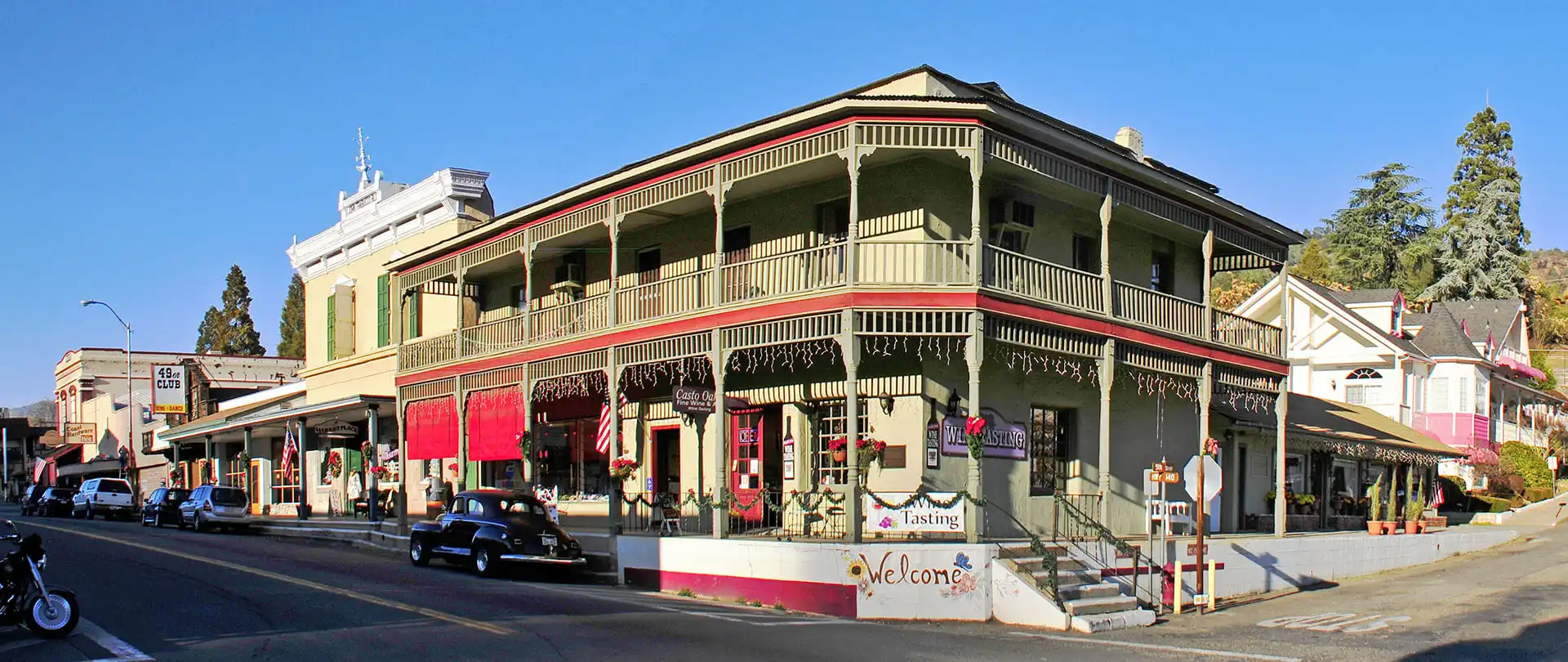
The town of Mariposa is bisected by Highway 140, one of the primary all-weather routes into Yosemite National Park. This critical arterial road positions Mariposa as an indispensable staging point for millions of visitors heading to the park annually. While Yosemite Valley is the crown jewel, Mariposa’s location offers a comprehensive travel experience that extends beyond the park’s immediate boundaries. The county’s western edge features rolling oak woodlands, transitioning eastward into the dramatic granite peaks and deep river canyons characteristic of the high Sierra Nevada. This diverse topography contributes to the region’s appeal, providing varied landscapes for exploration.
Accessibility and Connectivity
Reaching Mariposa is straightforward for travelers driving through California’s central region. From the Central Valley, Highway 140 offers a picturesque drive directly to the town. For those flying in, the closest commercial airports are Fresno Yosemite International Airport (FAT) and Merced Regional Airport (MCE). While public transportation options to Mariposa itself are limited, shuttle services and rental cars are readily available from these airports, facilitating a seamless journey for those venturing to this unique destination. The journey itself, winding through orchards and into the foothills, offers a scenic prelude to the adventures that await.
Gateway to Natural Wonders
The primary allure of Mariposa for many travelers is its unparalleled proximity to Yosemite National Park. Often referred to as “the real gateway to Yosemite,” Mariposa is merely an hour’s drive from the park’s Arch Rock Entrance via Highway 140. This route is renowned for its scenic beauty, following the Merced River Canyon, and is generally considered the most reliable access point during winter months due to its lower elevation.
Exploring Yosemite from Mariposa
Staying in Mariposa offers a strategic advantage, allowing visitors to experience the majesty of Yosemite without staying inside the often fully booked and pricier park accommodations. From Mariposa, travelers can easily reach iconic Yosemite features such as El Capitan, Half Dome, and Yosemite Falls. A must-visit is the Mariposa Grove of Giant Sequoias, located near the park’s South Entrance, which is home to over 500 mature giant sequoias, including the famous Grizzly Giant and California Tunnel Tree. While technically within Yosemite’s boundaries, its association with the town of Mariposa is strong due to the shared name and proximity.
Beyond Yosemite, the surrounding Mariposa County offers a wealth of outdoor activities. The Merced River, which flows through the county, is popular for whitewater rafting, kayaking, and fishing, particularly for trout. Numerous hiking trails crisscross the region, catering to various skill levels, from leisurely strolls along Mariposa Creek to more strenuous treks into the Sierra foothills. The abundance of natural beauty provides endless opportunities for photography, bird watching, and simply immersing oneself in the tranquility of nature.
A Deep Dive into Gold Rush History
Mariposa’s allure isn’t limited to its natural surroundings; the town is steeped in the rich history of the California Gold Rush. Founded in 1849, Mariposa quickly grew into a vital mining town and was even the administrative center for one of the largest counties in the state during the gold boom. Its historical significance is palpable throughout its well-preserved downtown area, offering travelers a tangible connection to this pivotal era in American history.

Historical Landmarks and Museums
A visit to Mariposa would be incomplete without exploring its historical sites. The Mariposa County History Center is an excellent starting point, housing an extensive collection of artifacts, photographs, and exhibits that tell the story of the county’s past, from its Native American roots to the Gold Rush and beyond. Adjacent to the History Center, the California State Mining and Mineral Museum showcases a spectacular collection of gold specimens, gemstones, and historical mining equipment, including a 13.8-pound gold nugget known as the “Fricot Nugget.”
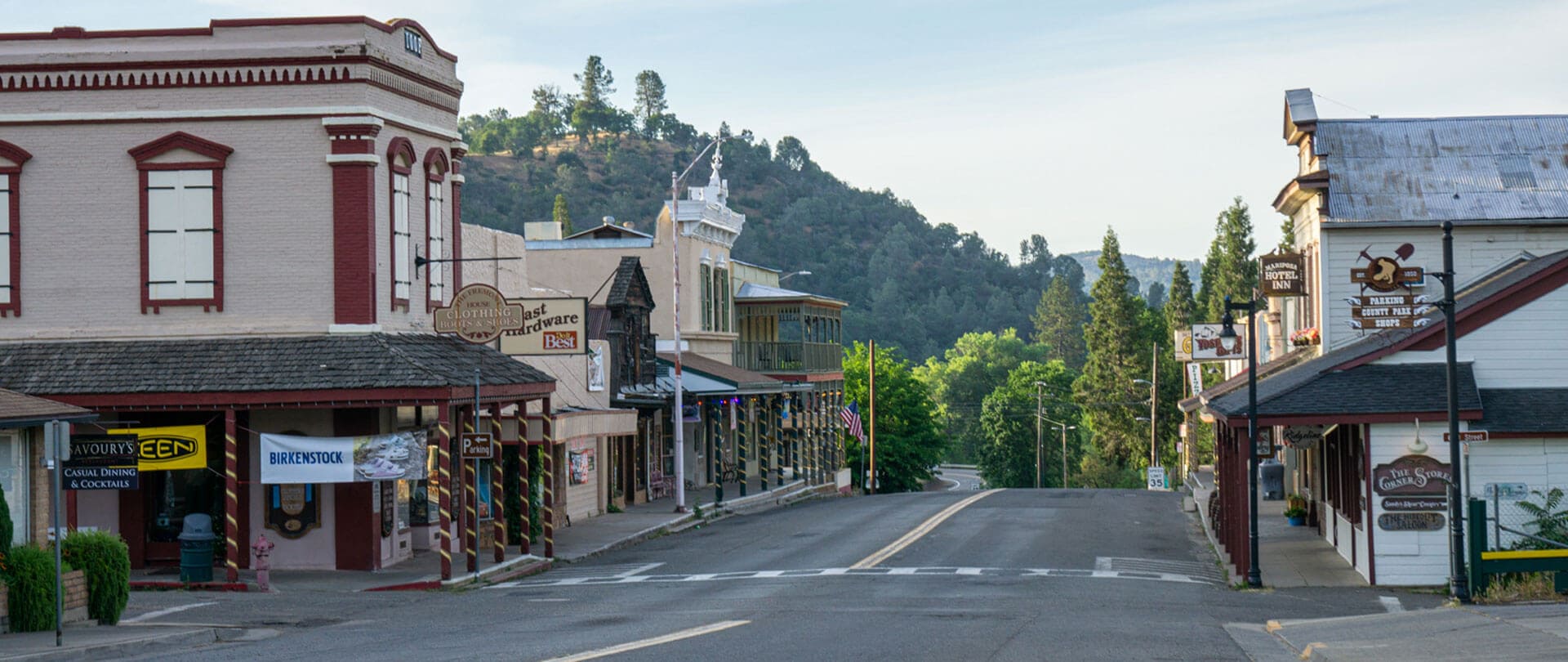
The historic downtown Mariposa itself is an open-air museum. The town boasts the oldest courthouse in continuous use west of the Rockies, the Mariposa County Courthouse, built in 1854. Its Greek Revival architecture and operational clock tower are testaments to the town’s enduring legacy. Strolling along its main street, travelers will encounter historic buildings, many of which date back to the 1850s, now housing unique shops, art galleries, and local eateries. Each structure has a story, adding layers of depth to the travel experience.
Planning Your Mariposa Visit
To make the most of a trip to Mariposa, thoughtful planning is essential. The timing of your visit can significantly impact the types of experiences available, especially considering its proximity to Yosemite National Park.
Best Time to Travel
The shoulder seasons—spring (April to May) and fall (September to October)—are often considered the best times to visit Mariposa and the surrounding region. During spring, wildflowers bloom, the waterfalls in Yosemite are at their most powerful due to snowmelt, and temperatures are pleasant for hiking. Fall offers crisp air, fewer crowds, and stunning autumnal colors in the lower elevations, though Yosemite itself doesn’t have much fall foliage. Summer (June to August) is popular but can be hot, and Yosemite experiences peak crowds. Winter (November to March) offers a serene, snow-dusted landscape, especially in Yosemite, but some roads and trails may be closed, though Highway 140 to Yosemite usually remains open.
Accommodation and Dining
Mariposa offers a variety of lodging options to suit different preferences and budgets, from charming bed and breakfasts and historic inns to modern hotels and vacation rentals. Many accommodations emphasize comfort and local character, providing a cozy retreat after a day of exploration. Dining in Mariposa reflects its small-town charm, with local restaurants serving up American comfort food, Mexican cuisine, and classic diner fare. Travelers can also find cafes perfect for a morning coffee or a quick lunch before heading out. While not a culinary hub, the town provides satisfying and convenient options for visitors.
Beyond the Beaten Path in Mariposa County
While Yosemite and Mariposa’s historical core are major draws, Mariposa County offers additional experiences for those willing to venture slightly off the main routes. This allows for a deeper immersion into the local culture and natural beauty that defines this part of California.
Local Events and Unique Experiences
Throughout the year, Mariposa hosts several local events and festivals that celebrate its heritage and community spirit. The Mariposa Butterfly Festival in May, for instance, is a delightful celebration of the town’s namesake (Mariposa means “butterfly” in Spanish). Other events include farmers’ markets, art walks, and musical performances, providing opportunities to engage with local residents and experience the town’s vibrant atmosphere. These events often highlight local artisans, musicians, and culinary talents.
For unique shopping experiences, Mariposa’s downtown features several independent boutiques and galleries showcasing local art, handcrafted goods, and Western-themed souvenirs. These establishments offer distinct items that capture the essence of the Sierra Nevada foothills and the Gold Rush era, making for perfect mementos or gifts. Exploring these shops provides insight into the creative spirit of the community.
Venturing further into Mariposa County, travelers can discover charming small towns like Coulterville and Catheys Valley, each with its own unique history and character. Coulterville, another historic Gold Rush town, offers a glimpse into frontier life with its well-preserved buildings and the Northern Mariposa County History Center. These smaller communities offer a quieter, more intimate experience of the Sierra Nevada foothills, perfect for travelers seeking tranquility and authentic local encounters away from the main tourist hubs. Engaging with these smaller enclaves can reveal hidden natural spots, local eateries, and a deeper understanding of the region’s enduring legacy.
LifeOutOfTheBox is a participant in the Amazon Services LLC Associates Program, an affiliate advertising program designed to provide a means for sites to earn advertising fees by advertising and linking to Amazon.com. Amazon, the Amazon logo, AmazonSupply, and the AmazonSupply logo are trademarks of Amazon.com, Inc. or its affiliates. As an Amazon Associate we earn affiliate commissions from qualifying purchases.