
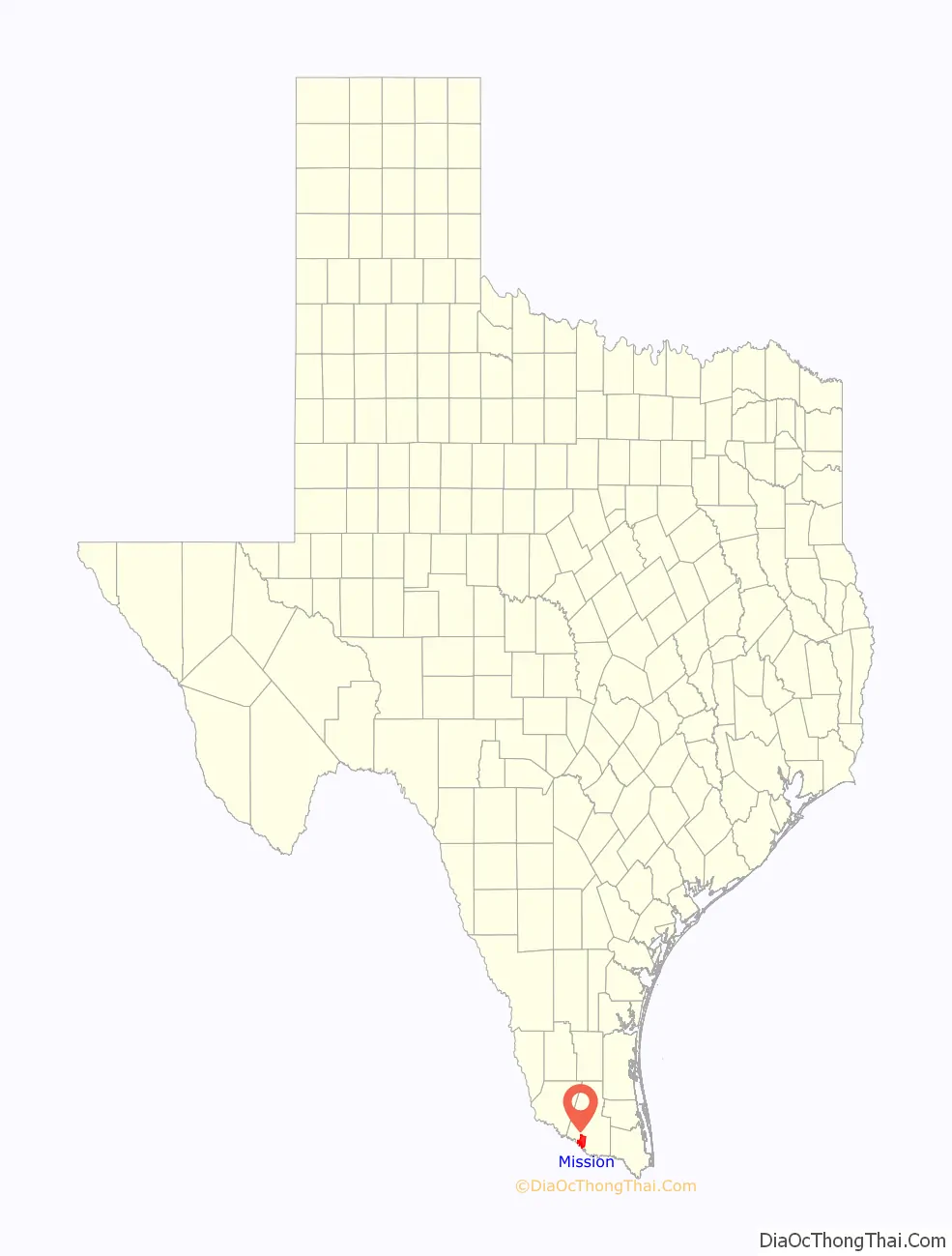
Nestled in the heart of the Rio Grande Valley, Mission, Texas, offers a captivating blend of rich history, vibrant culture, and burgeoning economic opportunities. This charming city, situated in the southernmost tip of Texas, serves as a gateway to Mexico and a significant hub within the rapidly growing McAllen-Edinburg-Mission metropolitan area. For travelers, history enthusiasts, and those seeking a unique lifestyle experience, understanding Mission’s geographical placement is the first step to unlocking its many treasures.
Strategic Location and Geographical Significance
Mission, Texas, is strategically positioned in Hidalgo County, a region known for its agricultural productivity and its pivotal role in international trade. The city’s location along the U.S.-Mexico border is a defining characteristic, influencing its cultural tapestry, economic development, and tourism landscape. It is one of the principal cities within the Rio Grande Valley, a metropolitan area that spans across multiple counties and boasts a dynamic population.
The Rio Grande Valley: A Region of Opportunity
The Rio Grande Valley (RGV), often referred to as the “Magic Valley,” encompasses four counties: Hidalgo, Cameron, Starr, and Willacy. Mission is a key player within this expansive region. The Rio Grande River itself forms the southern border of Texas, acting as a natural demarcation line and a crucial waterway. Mission’s proximity to this vital river impacts its climate, its agricultural heritage, and its historical development. The fertile lands irrigated by the river have historically supported a robust agricultural industry, which continues to be a significant part of the local economy, though diversifying into other sectors.
The McAllen-Edinburg-Mission metropolitan statistical area (MSA) is the largest in South Texas, with a population exceeding 850,000 residents. This interconnected urban area means that Mission is not an isolated city but rather part of a larger, bustling economic and cultural ecosystem. While Mission retains its distinct identity, its residents benefit from the combined resources and opportunities of the entire MSA. This includes access to a wider array of dining, entertainment, shopping, and healthcare facilities, as well as a larger talent pool and market for businesses.
Border City Dynamics
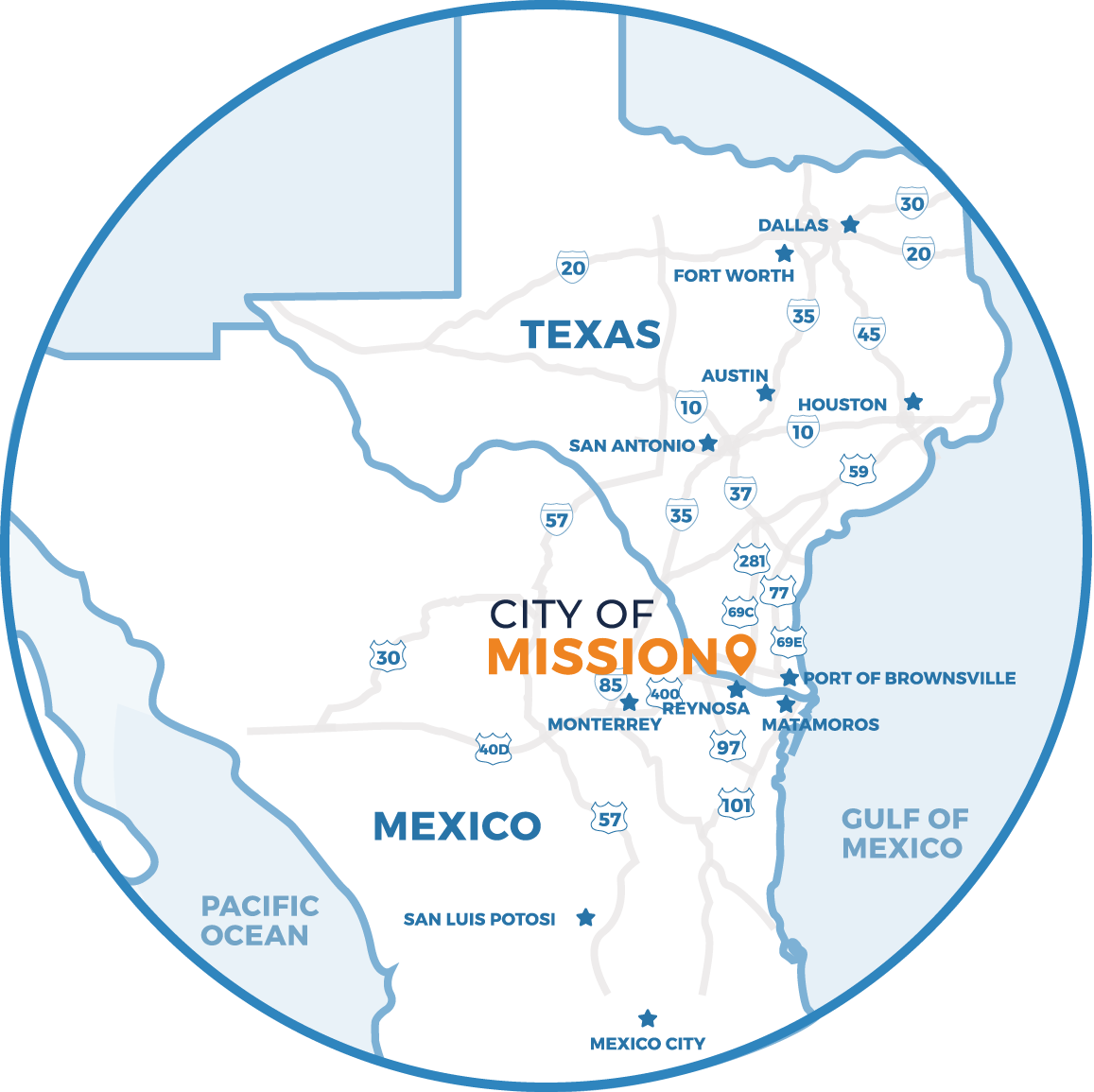
As a border city, Mission’s location has profound implications. It serves as a critical point for cross-border commerce and cultural exchange. The North American Free Trade Agreement (NAFTA), and now the United States-Mexico-Canada Agreement (USMCA), have further amplified the economic importance of border cities like Mission. The Anzalduas International Bridge, connecting Mission to Reynosa, Tamaulipas, Mexico, is a vital artery for trade and tourism. This bridge facilitates the movement of goods and people, fostering strong economic ties and vibrant cultural interactions between the two nations.
This unique geographical position also shapes the local culture, creating a rich blend of American and Mexican influences evident in the language, cuisine, music, and traditions. For visitors, this means an immersive cultural experience unlike any other in the United States. The lifestyle in Mission is a testament to this bicultural heritage, offering a unique perspective on life in South Texas.
Navigating the Region: Proximity to Major Hubs
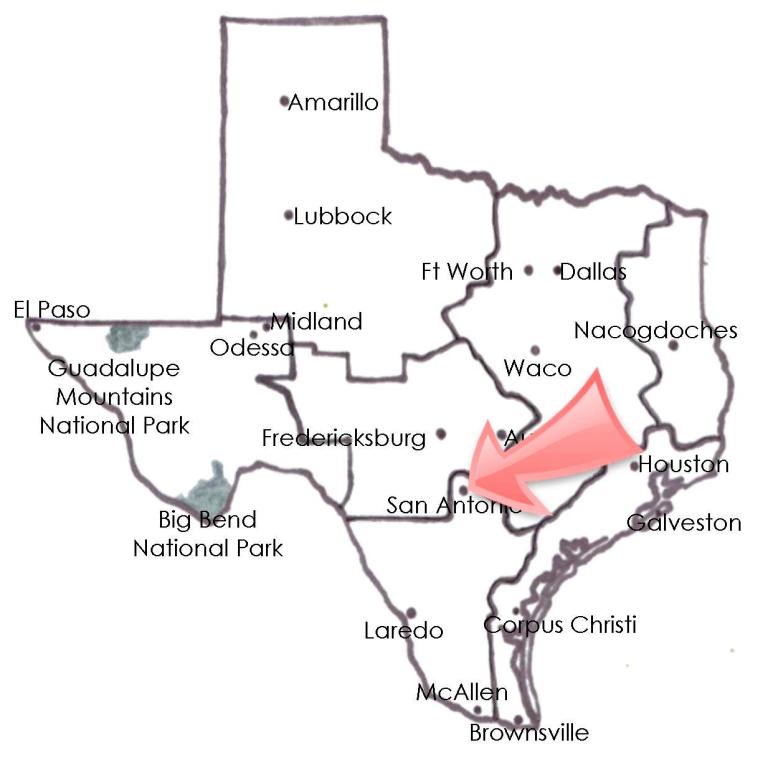
Mission is well-connected to other major cities in Texas and beyond, making it an accessible destination. It is approximately a 4.5 to 5-hour drive from San Antonio and a 7 to 8-hour drive from Houston. These drives are generally along well-maintained highways, making road trips a popular way to reach Mission.
For air travel, the closest major airport is McAllen International Airport (MFE), located in the neighboring city of McAllen. This airport offers direct flights to major hubs like Dallas, Houston, and Las Vegas, providing convenient connections for travelers coming from further afield. The proximity to MFE makes Mission easily accessible for both domestic and international visitors.
Exploring Mission, Texas: Attractions and Experiences
Mission’s location within the Rio Grande Valley is not just about geography; it’s about access to a wealth of attractions and experiences. From historical landmarks to natural wonders, the city and its surrounding areas offer something for every type of traveler.
Historical Landmarks and Cultural Immersion
Mission boasts a rich history, deeply intertwined with the development of South Texas. One of its most significant landmarks is the National Butterfly Center. While not strictly a historical landmark in the traditional sense, it represents a crucial effort in conservation and education, showcasing the incredible biodiversity of the region. It’s a testament to the natural heritage that has shaped life here.
For a glimpse into the region’s past, visitors can explore various historical sites and museums. The Mission Historical Museum provides insights into the city’s founding and growth, detailing its agricultural roots and its evolution into a modern city. The Spanish Governor’s Palace, though located in San Antonio, is an example of the historical architecture and Spanish colonial influence that pervades much of Texas, and understanding this broader context helps appreciate Mission’s own historical narrative.
The cultural fabric of Mission is woven with threads of both American and Mexican traditions. This is most evident in its vibrant festivals, its music, and its world-renowned cuisine. Experiencing a local fiesta or enjoying authentic Tex-Mex food is an essential part of any visit. The lifestyle here is relaxed and welcoming, reflecting the warmth of its people.
Natural Wonders and Outdoor Adventures
The unique ecosystem of the Rio Grande Valley makes it a haven for nature lovers. The Estero Llano Grande State Park is a prime example, offering stunning opportunities for birdwatching, hiking, and enjoying the natural beauty of the riparian environment. This park is a critical stopover for migratory birds, making it a birdwatcher’s paradise, especially during migration seasons.
The Bentsen-Rio Grande Valley State Park, another jewel in the crown of Texas State Parks, is renowned for its diverse bird population and its significant role in conservation efforts. It offers miles of trails for exploration, kayaking opportunities on the Rio Grande, and educational programs that highlight the delicate balance of this unique environment. These parks are essential components of the Texas Parks and Wildlife Department‘s efforts to preserve the natural heritage of the region.
For those interested in agricultural tourism, the valley’s citrus groves and farmlands offer a chance to connect with the land that has sustained the region for generations. Seasonal fruit-picking experiences can provide a delicious and hands-on way to appreciate the local produce.
Accommodation and Lifestyle Choices
Mission offers a diverse range of accommodation options to suit every budget and preference. From comfortable hotels and motels to more unique stays like vacation apartments or villas, visitors can find the perfect place to rest and recharge. The availability of various hotel chains and independent lodging providers ensures that finding a suitable place is straightforward.
For longer stays or those seeking a more independent living experience, apartments and rental homes are readily available, catering to both temporary residents and those looking for a more permanent lifestyle in the Rio Grande Valley. The cost of living in Mission is generally considered more affordable than in many other parts of Texas, making it an attractive option for individuals and families.
The lifestyle in Mission is characterized by its friendly atmosphere, its strong sense of community, and its affordable cost of living. It offers a blend of urban amenities and the relaxed pace of South Texas living. Whether one is interested in luxury travel, budget travel, or family trips, Mission provides a welcoming environment. For those on business stays, the city offers convenient access to commercial centers and transportation networks.
Planning Your Visit to Mission, Texas
Understanding where Mission, Texas, is located is more than just knowing its coordinates; it’s about appreciating its context within a vibrant region and recognizing the opportunities it presents. The city’s strategic position on the border, its integration into the Rio Grande Valley, and its proximity to McAllen International Airport all contribute to its accessibility and appeal.
Travel Tips and Considerations
When planning a trip to Mission, it’s advisable to consider the time of year. The summers are hot and humid, while the winter months offer mild and pleasant temperatures, making them ideal for outdoor activities and exploration. Pack accordingly, with light clothing for warmer months and a light jacket for cooler evenings or winter visits.
Transportation within Mission and the surrounding areas is generally best managed by car. While public transportation exists, it is more limited than in larger metropolitan areas. Renting a car at McAllen International Airport is a common and recommended option for visitors who wish to explore the region at their own pace.
Embracing the Local Culture
To truly experience Mission, immerse yourself in its local culture. Sample the authentic Tex-Mex cuisine, which is a cornerstone of the region’s culinary identity. Explore the local markets and festivals, where you can find unique crafts, enjoy live music, and interact with the friendly locals. Learning a few basic Spanish phrases can also enhance your experience, as Spanish is widely spoken and understood.
The relaxed pace of life in Mission is an invitation to slow down and savor the moments. Whether you’re visiting the National Butterfly Center, exploring Estero Llano Grande State Park, or simply enjoying a meal at a local restaurant, take the time to appreciate the unique blend of cultures and the natural beauty that defines this South Texas gem. Mission, Texas, is more than just a location; it’s an experience waiting to be discovered.
LifeOutOfTheBox is a participant in the Amazon Services LLC Associates Program, an affiliate advertising program designed to provide a means for sites to earn advertising fees by advertising and linking to Amazon.com. Amazon, the Amazon logo, AmazonSupply, and the AmazonSupply logo are trademarks of Amazon.com, Inc. or its affiliates. As an Amazon Associate we earn affiliate commissions from qualifying purchases.