
For the discerning food tourist, the quest for iconic culinary experiences often leads to dishes that transcend mere sustenance, becoming a performance, a piece of history, and an unforgettable memory. Among these gastronomic marvels, the Baked Alaska stands tall – a dessert that defies logic, marrying fire and ice in a spectacular display of confectionery art. To truly appreciate this marvel is to understand its core components, its storied past, and its enduring appeal as a highlight of global culinary tourism. It’s not just a dessert; it’s an event, a destination in itself for those who seek the extraordinary on their travels.
The Anatomy of a Culinary Spectacle
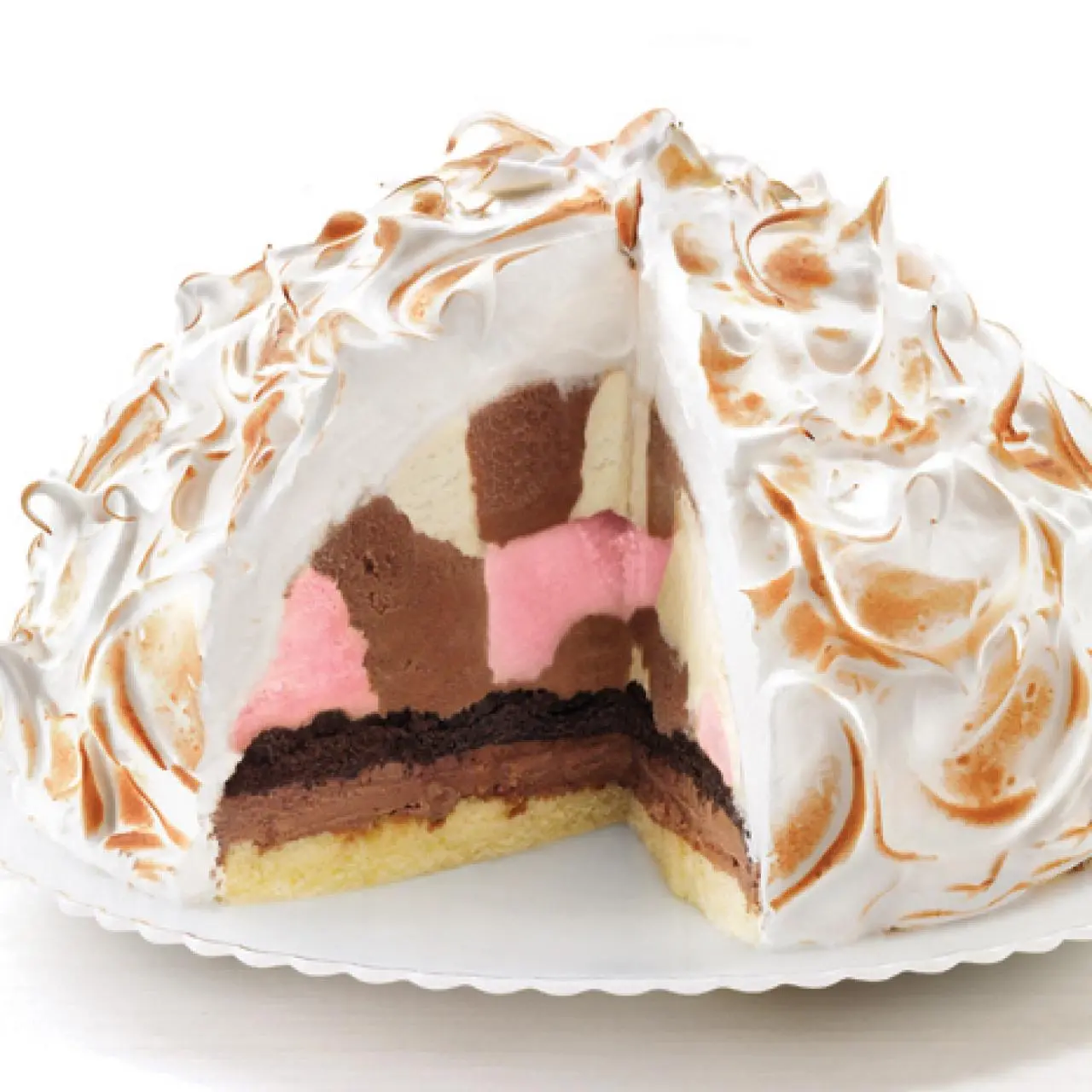
At its heart, Baked Alaska is a triumph of scientific precision meeting artistic flair. It’s a carefully constructed edifice, where each layer plays a critical role in delivering the distinct textures, temperatures, and flavors that make it so captivating. For the food traveler, understanding these layers enhances the appreciation of the chef’s skill and the dessert’s historical ingenuity.
The Golden Foundation: Sponge Cake
The bedrock of any Baked Alaska is typically a light, airy sponge cake or genoise. This layer, though seemingly simple, is crucial. It provides a stable base upon which the other elements are built and, perhaps more importantly, acts as an insulator. The cake is usually baked to a golden perfection, offering a tender crumb that provides a pleasant textural contrast to the cooler elements above. Often soaked lightly with a complementary liqueur or syrup, the sponge adds an extra layer of flavor complexity, ensuring that even the first bite is rich with character. When enjoying a Baked Alaska in a fine dining establishment, note the quality of this foundation – it’s a testament to the kitchen’s attention to detail, making it a true attraction for the culinary explorer.
The Icy Heart: Ice Cream
The true star and the element that adds the paradox to “Baked Alaska” is, of course, the ice cream. Nestled atop the sponge cake, this frozen core is traditionally composed of one or more scoops of premium ice cream. Vanilla is a classic choice, but chefs often opt for a symphony of flavors – perhaps chocolate, strawberry, or a more exotic fruit sorbet – to create a multi-dimensional taste experience. The ice cream must be deeply frozen to withstand the heat of the oven and the subsequent flaming. The quality of the ice cream is paramount; artisanal, rich, and creamy varieties elevate the dessert from a simple sweet treat to a luxurious indulgence. Seeking out restaurants renowned for their homemade ice creams or unique flavor combinations can become a delightful part of a food-focused travel itinerary. Imagine enjoying a Baked Alaska with locally sourced berry ice cream on your next trip!
The Fluffy Embrace: Meringue
Encasing the cake and ice cream is the magnificent meringue, typically Italian meringue, which is made by whipping egg whites with hot sugar syrup. This method results in a stable, glossy, and marshmallow-like topping that is piped elegantly over the entire dessert, sealing the ice cream within. The brilliance of the meringue lies in its insulating properties. Air bubbles trapped within the whipped egg whites create a barrier that protects the ice cream from melting, even when briefly exposed to intense heat. The meringue is then quickly browned using a blowtorch or a very hot oven, achieving a beautiful golden-brown exterior that is crisp on the outside and wonderfully soft within. This final flourish is not just for aesthetics; it provides a delicate sweetness and a textural counterpoint to the cold, creamy ice cream and the soft cake, completing the magical transformation. Witnessing the creation and browning of the meringue at your table is often part of the theatrical experience offered in many tourist-centric restaurants.
A Fiery History and Global Appeal
The story of Baked Alaska is as rich and layered as the dessert itself, tracing a fascinating journey through culinary innovation and international diplomacy. Understanding its origins adds a compelling historical dimension to its appreciation, making it more than just a dish, but a narrative for the culturally curious traveler.
Origins and Evolution: A Tale of Two Cities
While commonly associated with the United States, the concept of ice cream encased in meringue and briefly baked has older roots. Similar desserts, often referred to as omelette norvégienne (Norwegian omelette), were popular in France in the mid-19th century. However, the American claim to the name “Baked Alaska” typically points to Delmonico’s Restaurant in New York City in 1867. Chef Charles Ranhofer is credited with creating the dish to commemorate the United States’ purchase of Alaska from Russia that year, hence the name, which ironically combines the icy new territory with a “baked” contradiction. The name itself became a playful nod to the extreme temperature differences involved in its creation. This historical connection positions Baked Alaska as a culinary landmark, attracting visitors who appreciate dishes with a story. From Paris to New York, the evolution of this dessert reflects a global fascination with culinary innovation and spectacle.
A Tourist’s Delight: Where to Experience It
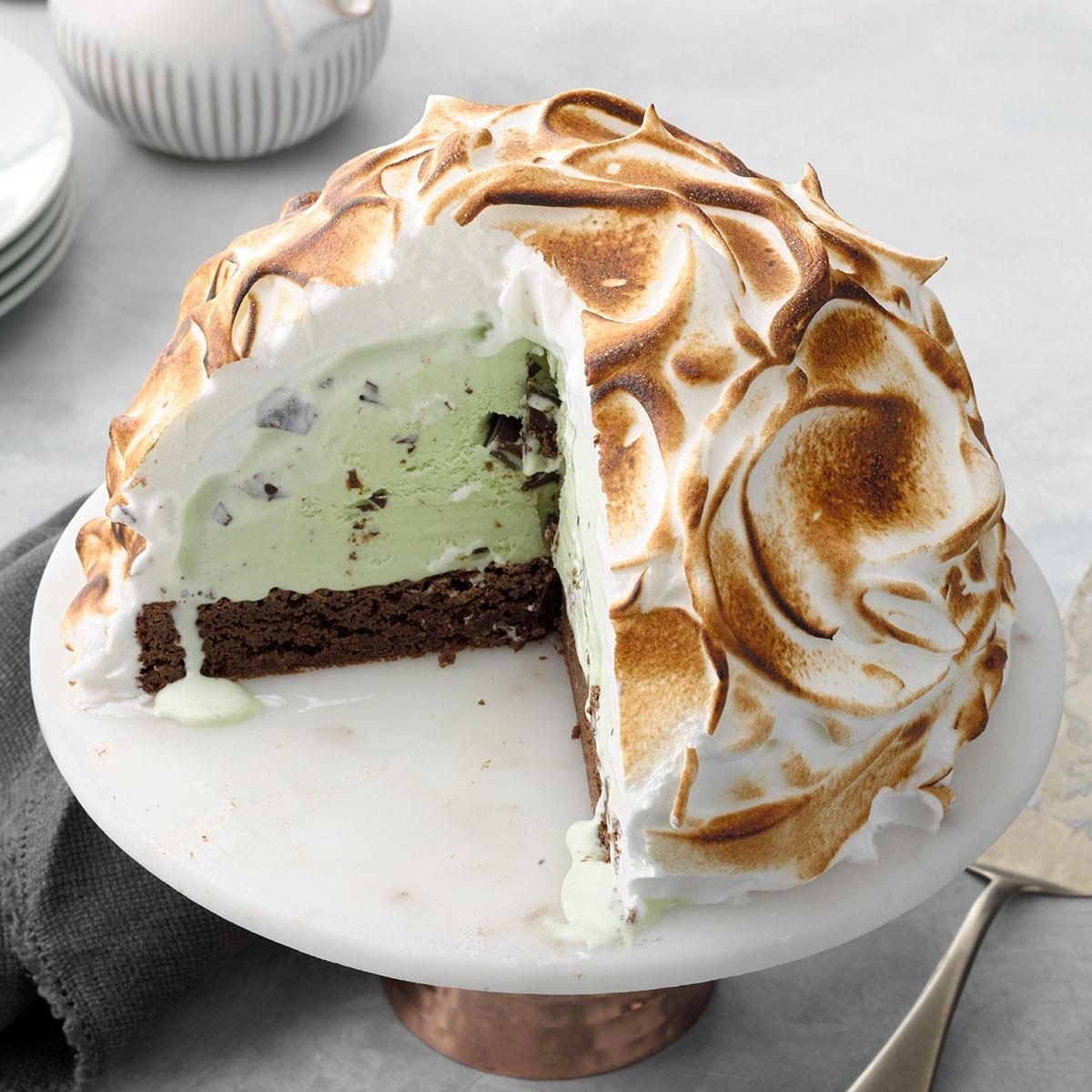
Today, Baked Alaska remains a beloved classic, often found on the menus of high-end restaurants, luxury cruise ships, and grand hotels around the world. Its dramatic presentation makes it a natural fit for establishments catering to those seeking a memorable dining experience. Places like Delmonico’s continue to serve their iconic version, drawing food enthusiasts to New York City for a taste of history. Across the Atlantic, upscale eateries in London or Paris might offer their own refined interpretations, often making it a signature flourish. Cruise lines, known for their lavish dining, frequently feature Baked Alaska as a grand finale to a meal, sometimes even serving hundreds in a synchronized display. For the culinary tourist, seeking out these renowned venues is an activity in itself, transforming a meal into a cultural event and a highlight of any travel itinerary. It’s an opportunity to engage with local food culture through a universally appreciated, yet regionally distinctive, lens.
Beyond the Classic: Variations and Modern Interpretations
While the traditional Baked Alaska holds a special place in the hearts of dessert aficionados, its adaptability has allowed chefs worldwide to infuse it with regional flavors and contemporary twists. This evolution offers exciting new prospects for food tourists eager to explore innovative takes on a classic.
Regional Twists and Local Flavors
One of the joys of food tourism is discovering how local ingredients and culinary traditions influence international dishes. Baked Alaska is no exception. In tropical destinations, for instance, chefs might incorporate exotic fruit sorbets or ice creams infused with flavors like mango, passionfruit, or coconut. The sponge cake might be moistened with a local rum or a fragrant floral syrup. In colder climates, rich berry compotes or seasonal fruit purees might find their way into the ice cream or even as an accompanying sauce. Imagine a Baked Alaska in Hawaii featuring macadamia nut ice cream and pineapple sponge, or one in Scandinavia with cloudberry ice cream. These regional adaptations turn the familiar into something uniquely tied to its geographical location, offering a taste of local culture within a globally recognized dessert format.
Miniature Marvels and Deconstructed Delights
Modern pastry chefs often enjoy playing with classics, and Baked Alaska provides ample room for creativity. Individual Baked Alaskas, scaled down for a single serving, are a popular contemporary choice, offering a charming and manageable portion. This makes them ideal for tasting menus or less formal dining settings. Furthermore, the concept of “deconstructed” desserts has also touched the Baked Alaska, where its components are presented separately on a plate, allowing diners to assemble their own perfect bite. This might involve a quenelle of ice cream, a slice of sponge cake, and artfully torched meringue dots, often accompanied by fruit coulis or candied nuts. Such innovative presentations offer a fresh perspective on the dessert, showcasing the chef’s ingenuity and attracting a new generation of culinary adventurers looking for Instagram-worthy dishes that challenge traditional boundaries.
The Experience: More Than Just a Dessert
For the culinary tourist, dining is about more than just the food; it’s about the entire sensory experience. Baked Alaska, with its dramatic presentation and intricate flavors, embodies this philosophy perfectly, transforming a simple dessert course into a memorable event.
The Culinary Theater
The moment a Baked Alaska is brought to the table is often met with gasps of delight and eager anticipation. The grand finale is typically the tableside flambé. A spirit, such as rum or brandy, is poured over the meringue and ignited, creating a halo of blue flames that dances around the dessert. This spectacle adds an element of excitement and drama, making the meal feel special and interactive. It’s a moment designed for engagement, often eliciting applause and providing perfect photo opportunities. This theatricality makes Baked Alaska a popular choice for celebrations and a magnet for food tourists seeking immersive dining experiences. The visual allure, combined with the aroma of caramelized sugar and burning spirits, tantalizes the senses before the first bite is even taken.

Pairing Perfection
To elevate the Baked Alaska experience further, consider thoughtful beverage pairings. A dessert wine with notes of honey or apricot, such as a Sauternes or a late-harvest Riesling, can beautifully complement the sweetness and richness of the meringue and ice cream. For those who prefer non-alcoholic options, a strong, aromatic coffee or a fragrant herbal tea can provide a refreshing counterpoint. A digestif like a fine brandy or a fruity liqueur after the meal can also extend the indulgence, rounding off the culinary journey. The right pairing enhances the flavors of the dessert and contributes to the overall sophistication of the dining experience, making it a truly memorable occasion for the discerning traveler. Consulting with the sommelier or server at a high-end restaurant can guide you to the perfect accompaniment, adding another layer of personalized service to your food tourism adventure.
In conclusion, Baked Alaska is a multifaceted jewel in the crown of global gastronomy. It’s a historical artifact, a scientific marvel, and a spectacular display of culinary artistry. For the food tourist, it offers a compelling blend of tradition and innovation, a chance to taste history, witness dramatic presentations, and savor exquisite flavors. From its careful construction of cake, ice cream, and meringue to its fiery tableside flourish, every aspect of Baked Alaska is designed to captivate and delight. So, on your next journey, make it a point to seek out this iconic dessert and experience the magic that truly lies in its incredible composition.
LifeOutOfTheBox is a participant in the Amazon Services LLC Associates Program, an affiliate advertising program designed to provide a means for sites to earn advertising fees by advertising and linking to Amazon.com. Amazon, the Amazon logo, AmazonSupply, and the AmazonSupply logo are trademarks of Amazon.com, Inc. or its affiliates. As an Amazon Associate we earn affiliate commissions from qualifying purchases.