
The Mississippi Delta is more than just a geographic designation; it is a profound cultural landmark and a region defined by its unique relationship with the Mississippi River. Often misunderstood by those who confuse the “delta” of a river with the geopolitical borders of a state, this area represents the soul of the American South. To understand where the Mississippi Delta is located, one must look at the fertile alluvial plain that stretches between the Mississippi River and the Yazoo River.
Geographic Boundaries and Topography
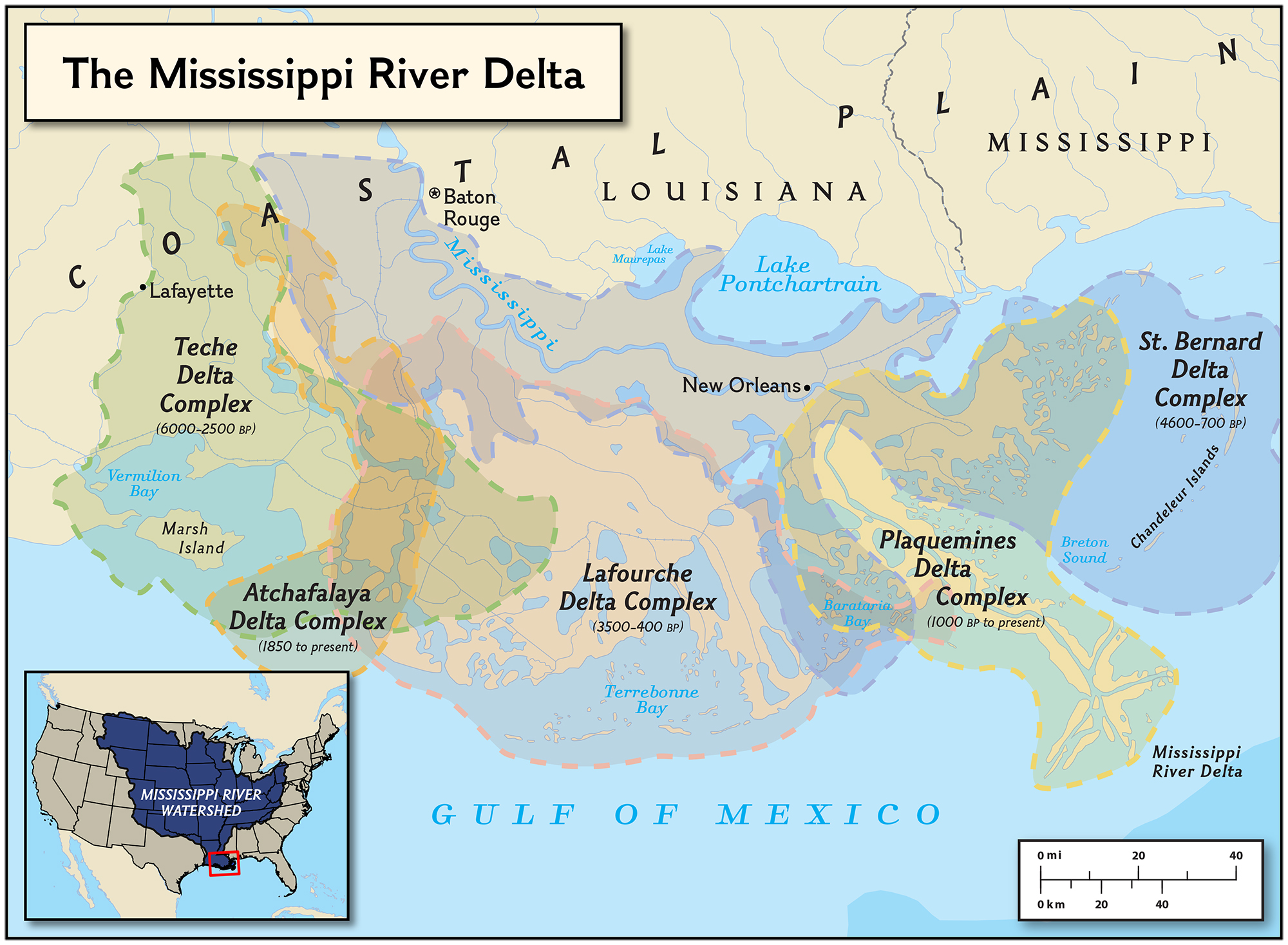
The region, colloquially known simply as “The Delta,” is located in the northwestern part of the state of Mississippi. It is not located at the mouth of the river, as the name might suggest to those familiar with the Mississippi River Delta in Louisiana. Instead, it is an inland region characterized by some of the most fertile soil in the world.

The Alluvial Plain
The Delta is a massive floodplain stretching approximately 200 miles long and 87 miles wide. It encompasses a collection of counties that define the physical landscape of this region. The area begins just south of Memphis, Tennessee, and extends down to Vicksburg. The topography is famously flat, dominated by vast stretches of agricultural fields that have historically fueled the economy of the region.
Rivers and Floodplains
The boundaries are effectively dictated by the natural waterways that carved the landscape over millennia. The Mississippi River serves as the western border, while the Yazoo River and the Tallahatchie River delineate the eastern reaches. This network of waterways has not only enriched the soil, making it ideal for cotton production, but has also dictated the settlement patterns of the towns that dot the landscape.
Historical Significance of the Delta
The history of the Mississippi Delta is inseparable from the landscape itself. For centuries, the periodic flooding of the Mississippi River deposited layers of silt, creating the dark, rich “buckshot” soil that became the foundation of a plantation-based economy. This history is deeply etched into the architecture and the collective memory of the towns found within the region.
The Rise of Plantation Culture
Throughout the 19th century, this region became the epicenter of cotton cultivation in the United States. Large plantations emerged, shaping the social and economic structure of the area. Landmarks like Dockery Farms stand as monuments to this era, serving as essential sites for understanding the complex social history that unfolded between the Mississippi River and the Yazoo River.
The Great Migration and Industrialization
Following the mechanization of agriculture and the devastation caused by the Great Flood of 1927, the demographic landscape of the Mississippi Delta shifted significantly. Many residents migrated toward northern cities, taking with them the musical traditions that were birthed in the fields of the South. Today, the remnants of this era are preserved in local museums and historical markers scattered throughout the flatlands.

The Cultural Heart of the South
The Mississippi Delta is internationally recognized as the birthplace of the blues. This musical heritage is not just history; it is a living tradition that continues to influence modern music worldwide.
The Birth of the Blues
The music that emerged from the Mississippi Delta was forged in the hardships and the unique cultural synthesis of the region. Legendary figures such as Robert Johnson, B.B. King, and Muddy Waters all drew inspiration from the local environment. Visitors seeking to experience this culture often travel to Clarksdale, a city that serves as a pilgrimage site for music lovers.
Music Landmarks and Heritage
The Delta Blues Museum in Clarksdale acts as the primary custodian of this history. Meanwhile, the crossroads where legend suggests Robert Johnson sold his soul to the devil remain a point of intrigue for travelers. Music festivals, such as the King Biscuit Blues Festival in nearby Helena, Arkansas, maintain the connection between the landscape and its musical legacy.
Touring the Mississippi Delta
For those planning to visit, the Mississippi Delta offers a landscape that feels frozen in time, yet is constantly evolving. A road trip through the region reveals the intersection of agriculture, music, and civil rights history.
Essential Towns to Visit
- Clarksdale: The cultural anchor of the Mississippi Delta, known for its authentic blues clubs and historical significance.
- Greenwood: Famous for its well-preserved downtown area and its role in both the agricultural industry and the filming of Hollywood classics.
- Cleveland: Home to the GRAMMY Museum Mississippi, which highlights the state’s profound impact on the global recording industry.
- Indianola: The hometown of B.B. King and the location of the B.B. King Museum and Delta Interpretive Center.
Natural Beauty and Conservation
While the landscape is dominated by farmland, the Mississippi Delta also features significant natural areas for those interested in the outdoors. The Delta National Forest provides a rare look at what the region looked like before large-scale clearing for agriculture. It is a vital habitat for wildlife and offers a serene contrast to the bustling, historic downtown areas found in cities like Greenwood.
Navigating the Region
The best way to see the Mississippi Delta is by driving the various “Blues Trails” that weave through the counties. These routes are marked with historical signs that provide context for the local geography, allowing travelers to understand not just where they are, but what the region has endured and achieved. Whether you are exploring the Mississippi River levees or visiting the GRAMMY Museum Mississippi, the Mississippi Delta provides a deep, immersive experience into a corner of the United States that remains profoundly unique.
As you travel through, remember that the “Delta” is not just a destination on a map; it is a tapestry of soil, sound, and story that defines the character of the American South. The Mississippi Delta invites those curious enough to look past the surface to discover the heart of a region that has shaped the cultural fabric of the entire nation.
LifeOutOfTheBox is a participant in the Amazon Services LLC Associates Program, an affiliate advertising program designed to provide a means for sites to earn advertising fees by advertising and linking to Amazon.com. Amazon, the Amazon logo, AmazonSupply, and the AmazonSupply logo are trademarks of Amazon.com, Inc. or its affiliates. As an Amazon Associate we earn affiliate commissions from qualifying purchases.