
Morro Bay, California, a picturesque coastal town nestled along the central California coastline, is a destination that evokes images of dramatic natural beauty, charming seaside activities, and a relaxed, authentic Californian experience. Situated in San Luis Obispo County, Morro Bay occupies a strategic and breathtaking position, making it a highly sought-after locale for travelers seeking both tranquility and engaging exploration. Understanding its precise location is the first step to unlocking the myriad wonders this vibrant community has to offer.
Geographic Positioning and Coastal Context
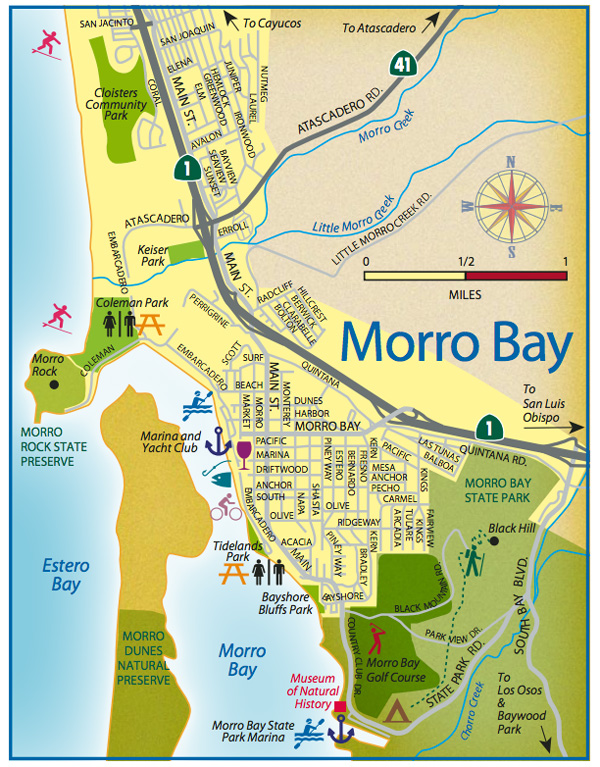
Morro Bay’s identity is intrinsically tied to its stunning coastal setting. It lies approximately 200 miles north of Los Angeles and about 180 miles south of San Francisco, placing it squarely in the heart of the popular California Central Coast region. This prime location offers visitors a distinct advantage: it is easily accessible from major urban centers yet feels a world away, preserving its unique character and serene atmosphere.
Proximity to Major Hubs and Highways
The town is conveniently accessed via California State Route 1, the iconic Pacific Coast Highway, which winds its way along the dramatic coastline, offering spectacular vistas at every turn. This highway serves as a vital artery, connecting Morro Bay to neighboring towns and cities. Driving south on Highway 1 will lead you to the bustling city of San Luis Obispo, the county seat, known for its historic mission and vibrant downtown. Further south, the charming Danish village of Solvang and the wine-rich Santa Ynez Valley await.
North of Morro Bay, Highway 1 continues its scenic journey, passing through the picturesque coastal communities of Cambria and ultimately leading towards the majestic Big Sur region and beyond to Monterey and Carmel. This strategic placement means that Morro Bay is not an isolated outpost but rather a central jewel within a string of desirable Central Coast destinations, making it an ideal base for exploring the wider region.
Landforms and Natural Features
The most striking geographical feature that defines Morro Bay is, undoubtedly, Morro Rock. This massive volcanic plug, rising 576 feet from the ocean, serves as a natural breakwater and an iconic landmark visible from miles around. It is a protected bird sanctuary and a popular subject for photographers and nature enthusiasts. The rock’s presence creates a sheltered bay, which is crucial to the town’s maritime heritage and its thriving ecosystem.
The bay itself is a significant natural asset, acting as a vital estuary and a haven for diverse marine life. It is fed by the Morro Creek and connects to the Pacific Ocean through a navigable channel adjacent to Morro Rock. The surrounding landscape features rolling hills, chaparral-covered slopes, and extensive sand dunes, contributing to the area’s natural allure and providing opportunities for hiking and wildlife viewing. The coastline in and around Morro Bay is characterized by sandy beaches, rugged cliffs, and tide pools, offering varied coastal experiences.
Climate and its Influence on Location
Morro Bay enjoys a Mediterranean climate, characterized by mild, wet winters and warm, dry summers. However, the coastal fog, particularly prevalent during the summer months, often moderates temperatures, creating a cool, comfortable environment. This microclimate is a direct result of its position on the Pacific Ocean, where cool ocean currents meet the warmer California landmass. The fog can create dramatic and atmospheric scenes, shrouding Morro Rock in mist and adding to the town’s unique charm. The consistent, mild weather makes Morro Bay an attractive destination year-round, influencing the types of activities and experiences available.
Understanding Morro Bay’s Role in the Central Coast Ecosystem
Morro Bay is more than just a dot on the map; it is an integral part of the larger Central Coast ecosystem, both ecologically and culturally. Its location within San Luis Obispo County places it in a region renowned for its natural beauty and agricultural bounty.
San Luis Obispo County Context

San Luis Obispo County is characterized by its diverse geography, ranging from expansive coastlines and rolling vineyards to the rugged Santa Lucia Mountains. Morro Bay’s position within this county is critical. It acts as a gateway to the northern part of the county’s coastline, providing access to protected areas and a less developed stretch of shore compared to its southern counterparts. The county’s commitment to preserving its natural resources is evident in the numerous state parks and protected areas surrounding Morro Bay, including the Morro Bay State Park and the nearby Montana de Oro State Park.
Maritime and Ecological Significance
The sheltered waters of Morro Bay have historically supported a vibrant fishing industry and continue to be a crucial habitat for a variety of marine species. The bay is a designated estuary, meaning it’s a partially enclosed coastal body of brackish water with one or more rivers or streams flowing into it, and with a free connection to the open sea. This unique environment supports a rich diversity of plant and animal life, including migratory birds, sea otters, harbor seals, and numerous fish species. The presence of Morro Rock offshore further enhances the marine ecosystem, providing a substrate for marine growth and shelter for various sea creatures. For those interested in marine biology or simply enjoying the spectacle of wildlife in its natural habitat, Morro Bay’s location offers unparalleled opportunities for observation and engagement.
Cultural and Historical Landscape
The indigenous Chumash people were the original inhabitants of this region, and their connection to the land and sea is a significant part of Morro Bay’s history. The town’s development has also been shaped by its maritime past, with the harbor and its fishing fleet playing a central role in its identity. Today, Morro Bay retains a strong sense of community and a connection to its roots, evident in its local shops, restaurants, and the unhurried pace of life. Its location has fostered a culture that values the natural environment and embraces a lifestyle deeply intertwined with the ocean.
Navigating to and Around Morro Bay
Understanding the location of Morro Bay is essential for planning any visit. Its accessibility and the ease of navigating within the town itself contribute to its appeal as a travel destination.
Access from Major Airports
The closest major airport to Morro Bay is San Luis Obispo County Regional Airport (SLO), located about a 20-minute drive inland. This airport offers daily flights from several major hubs, including Los Angeles, San Francisco, and Denver. For travelers seeking a wider range of flight options, Los Angeles International Airport (LAX) and San Francisco International Airport (SFO) are significant international gateways, though they require a longer drive to reach Morro Bay. Renting a car is highly recommended for exploring the region, as public transportation options between cities are limited.
Driving Directions
From the north (e.g., San Francisco): Take US-101 South towards San Luis Obispo. Approximately 15 miles south of San Luis Obispo, take the exit for CA-1 North towards Morro Bay. Follow CA-1 North directly into Morro Bay.
From the south (e.g., Los Angeles): Take US-101 North towards San Luis Obispo. In San Luis Obispo, take the exit for CA-1 North towards Morro Bay. Follow CA-1 North directly into Morro Bay.
Alternatively, for a more scenic route, especially from Los Angeles, consider taking CA-1 North directly along the coast. This route offers breathtaking ocean views but can be slower due to winding roads and varying speed limits.

Local Transportation and Exploration
Once in Morro Bay, the town is easily navigable. The main commercial strip, centered around Embarcadero, is highly walkable and bikeable. Many visitors opt to explore on foot, enjoying the harbor views, shops, and restaurants. Bicycle rentals are readily available, offering a pleasant way to experience the coastline and nearby trails. For excursions further afield, such as to Morro Bay State Park or the nearby town of Cayucos, a personal vehicle remains the most convenient option. Shuttle services or ride-sharing options can also be utilized for specific trips. The town’s compact size and laid-back atmosphere encourage leisurely exploration, making its location a key part of its charm.
In essence, Morro Bay’s location on the central California coast, defined by the iconic Morro Rock, its strategic position within San Luis Obispo County, and its accessibility via California State Route 1, collectively paint a picture of a captivating destination. It is a place where natural grandeur meets coastal tranquility, inviting visitors to discover its unique beauty and experience the authentic spirit of the California Central Coast.
LifeOutOfTheBox is a participant in the Amazon Services LLC Associates Program, an affiliate advertising program designed to provide a means for sites to earn advertising fees by advertising and linking to Amazon.com. Amazon, the Amazon logo, AmazonSupply, and the AmazonSupply logo are trademarks of Amazon.com, Inc. or its affiliates. As an Amazon Associate we earn affiliate commissions from qualifying purchases.