
Palm Harbor, Florida, is a charming and picturesque community nestled within the vibrant landscape of Pinellas County. Situated on the western coast of the state, it offers a delightful blend of suburban tranquility and convenient access to the bustling attractions of the greater Tampa Bay Area. Understanding its precise geographic placement is the first step to unlocking the many experiences this locale has to offer, from its serene beaches to its thriving local culture. This guide delves into the exact whereabouts of Palm Harbor, providing context for travelers, residents, and anyone curious about this segment of the Sunshine State.
Geographic Positioning and Key Neighbors
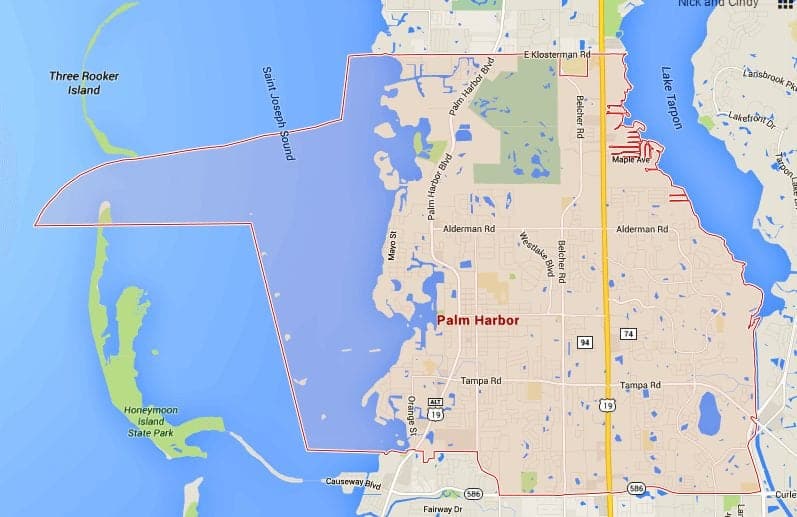
Palm Harbor is strategically positioned along the Gulf Coast of Florida, specifically within Pinellas County. This county itself is a peninsula bordered by the Gulf of Mexico to the west and Old Tampa Bay and St. Joseph Sound to the east. This prime location affords residents and visitors alike access to beautiful waterfronts and a generally pleasant climate.
Coastal Proximity and Waterways
The immediate vicinity of Palm Harbor is defined by its proximity to the Gulf waters. It lies just a short drive from several barrier islands and popular beaches, including Honeymoon Island State Park and Caladesi Island State Park, which are consistently ranked among the nation’s best. The presence of canals and waterways within and around the community further enhances its coastal character, offering opportunities for boating, fishing, and scenic waterfront living.
Surrounding Cities and Towns
To understand where Palm Harbor sits, it’s helpful to identify its neighboring municipalities. To the south, it borders the city of Clearwater, a larger and more widely known destination famous for its beaches and vibrant atmosphere. To the north, Palm Harbor is adjacent to the town of Tarpon Springs, renowned for its rich Greek heritage and sponge diving industry. Further inland, and to the east, lie communities that connect Palm Harbor to the greater metropolitan areas of St. Petersburg and Tampa.
Transportation Corridors
The accessibility of Palm Harbor is significantly influenced by its major transportation arteries. U.S. Highway 19, a crucial north-south route, runs along the eastern edge of the community, providing direct access to surrounding cities and connecting to major interstate highways. This makes commuting and travel to other parts of Florida relatively straightforward. State Road 580 also bisects the area, offering essential east-west connectivity within Pinellas County. Proximity to Tampa International Airport (approximately a 30-40 minute drive) further solidifies its position as a well-connected locale for both domestic and international travelers.
Palm Harbor’s Distinct Identity Within Pinellas County
While Palm Harbor is part of the larger Pinellas County and the Tampa Bay Area metropolitan region, it possesses a distinct character and identity that sets it apart. Often described as a “bedroom community” due to its desirable residential areas, Palm Harbor also boasts significant attractions and a thriving local scene that goes beyond mere residential appeal.
From Residential Haven to Tourist Destination
Originally settled by individuals drawn to the fertile land and coastal access, Palm Harbor has evolved into a sought-after place to live and visit. Its development has been managed to preserve a sense of community while accommodating growth. This balance is evident in its well-maintained parks, excellent schools, and a variety of recreational facilities. For visitors, this translates into a more relaxed pace than its larger neighbors, offering a chance to experience the authentic Florida lifestyle.
Economic and Cultural Hub
Beyond its residential appeal, Palm Harbor serves as a local economic and cultural hub. The downtown area features a variety of shops, restaurants, and professional services. The community also hosts numerous events throughout the year, ranging from arts festivals to holiday celebrations, which draw in crowds from neighboring areas. The presence of golf courses, like the renowned Innisbrook Resort and Golf Club, further elevates its status as a destination for leisure and recreation.

Key Attractions and Landmarks in and around Palm Harbor
The location of Palm Harbor is not just defined by its proximity to other cities and the coast, but also by the wealth of attractions that lie within or are easily accessible from its boundaries. These landmarks contribute significantly to the area’s appeal for tourists and residents alike, offering diverse experiences from natural beauty to historical insights.
Natural Wonders and Outdoor Recreation
The most significant draw for many visitors to the Palm Harbor area is its abundant natural beauty. As mentioned, Honeymoon Island State Park and Caladesi Island State Park are crown jewels. These pristine barrier islands offer miles of sandy beaches, clear waters for swimming and snorkeling, and opportunities for kayaking and wildlife viewing. Both parks are accessible via ferry or personal watercraft, providing a true escape into nature. Inland, various parks and preserves, such as Phillippe Park, offer walking trails, picnic areas, and glimpses of local flora and fauna.
Golfing and Recreational Facilities
Palm Harbor is often associated with its exceptional golfing opportunities. The Innisbrook Resort and Golf Club is a world-class resort featuring multiple championship golf courses, including the challenging Copperhead Course, which hosts a professional PGA Tour event. Beyond golf, the community is well-equipped with sports complexes, community centers, and public swimming pools, catering to a wide range of athletic and recreational interests.
Cultural and Historical Enclaves
While not a major historical landmark itself, Palm Harbor benefits from its proximity to culturally rich neighboring towns. A short drive north leads to Tarpon Springs, where visitors can explore the historic Sponge Docks, learn about the Greek sponge diving heritage, and enjoy authentic Greek cuisine. To the south, Clearwater offers the Clearwater Marine Aquarium, a rehabilitation center for marine life made famous by the “Winter the Dolphin” story, and the lively atmosphere of Pier 60.
Navigating Palm Harbor and Its Vicinity
Understanding the location of Palm Harbor is also about knowing how to navigate its streets and the surrounding road networks. Its infrastructure is designed to facilitate ease of movement for its residents and the influx of visitors.
Local Roadways and Community Layout
Within Palm Harbor itself, a grid system combined with curvilinear suburban streets defines the urban landscape. Key local roads include Alternate U.S. 19, which runs through the heart of the town, and numerous smaller avenues and boulevards that branch off into residential neighborhoods and commercial areas. The community is generally well-signed, making it easy to find your way around.
Access to Major Highways and Airports
As previously noted, U.S. Highway 19 is the primary arterial road for Palm Harbor, connecting it to north-south travel across Florida. This highway provides convenient access to Interstate 275, which leads to St. Petersburg and crosses over to Tampa. This network ensures that reaching major employment centers, entertainment venues, and other significant destinations in the region is a manageable undertaking. The close proximity to Tampa International Airport (TPA) is a significant advantage for those who travel frequently or for businesses involved in international trade and tourism. St. Pete-Clearwater International Airport (PIE) also serves the area, primarily for commercial and general aviation, offering additional travel options.

Public Transportation and Ride-Sharing Services
While Palm Harbor is largely car-dependent, public transportation options are available through the PSTA (Pinellas Suncoast Transit Authority). Bus routes connect Palm Harbor to neighboring cities and major transit hubs, offering an alternative for those without personal vehicles. Ride-sharing services like Uber and Lyft are also widely available throughout the Tampa Bay Area, providing flexible on-demand transportation for getting around Palm Harbor and exploring its surroundings.
In essence, the location of Palm Harbor is a strategic asset, placing it at the nexus of coastal beauty, suburban comfort, and vibrant metropolitan opportunities within the dynamic state of Florida.
LifeOutOfTheBox is a participant in the Amazon Services LLC Associates Program, an affiliate advertising program designed to provide a means for sites to earn advertising fees by advertising and linking to Amazon.com. Amazon, the Amazon logo, AmazonSupply, and the AmazonSupply logo are trademarks of Amazon.com, Inc. or its affiliates. As an Amazon Associate we earn affiliate commissions from qualifying purchases.