
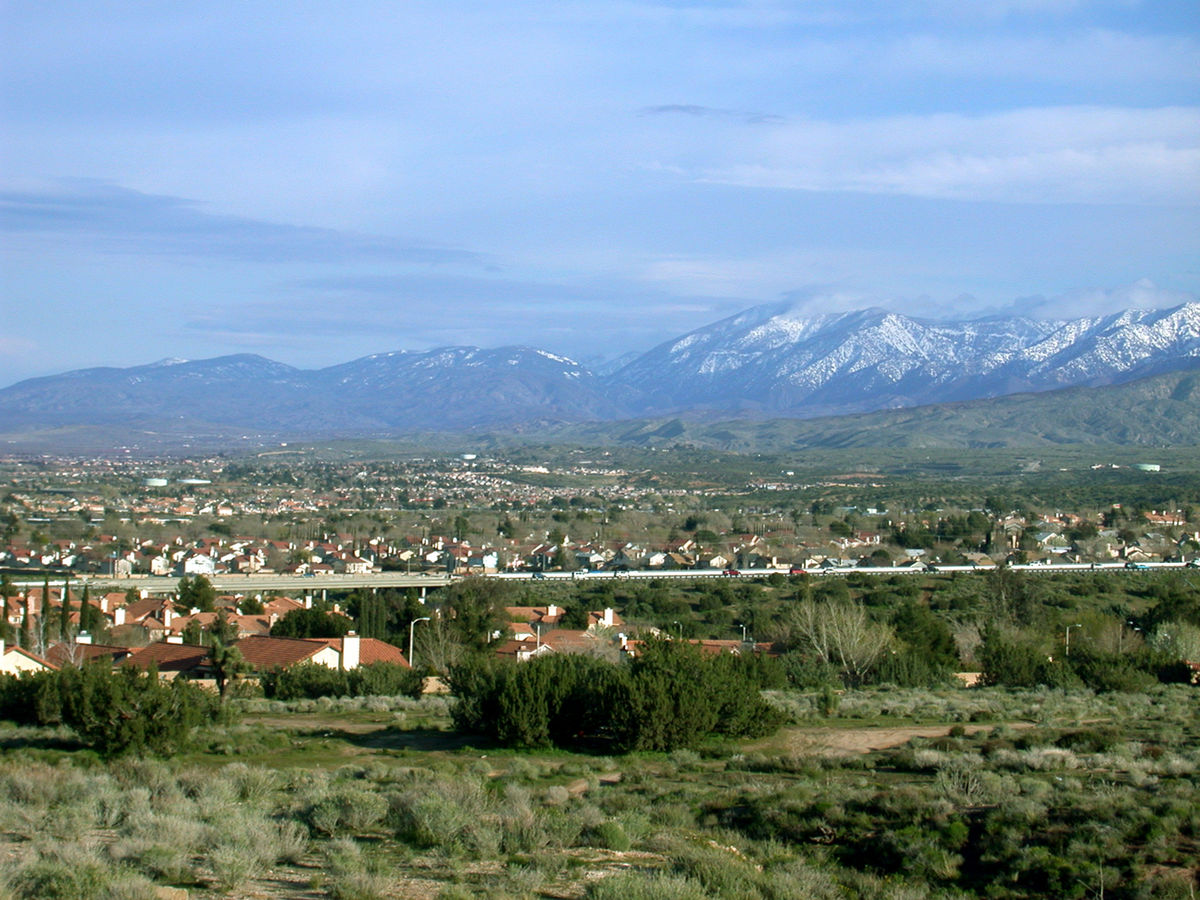
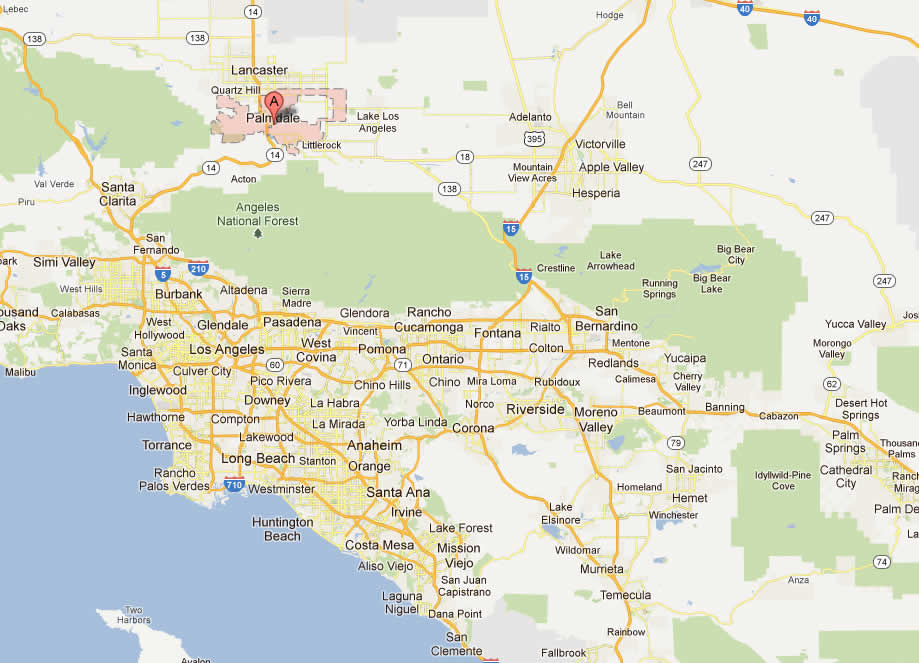
Nestled in the high desert landscape of Southern California, Palmdale serves as a significant urban center within the Antelope Valley region of Los Angeles County. For travelers planning an exploration of California beyond its coastal metropolises, understanding Palmdale’s precise geographical placement is the crucial first step. It occupies a unique position, bridging the vastness of the Mojave Desert to the east with the towering peaks of the San Gabriel Mountains and Sierra Pelona Mountains to the south and west, respectively. This distinct location not only defines its climate and natural surroundings but also influences its accessibility and the range of experiences it offers to visitors.
The Geographical Anchor of the Antelope Valley
Palmdale’s location is perhaps its most defining characteristic, placing it squarely within the northern reaches of Los Angeles County and serving as one of the two principal cities of the Antelope Valley, alongside its neighbor, Lancaster. This valley is a high-desert expanse, part of the broader Mojave Desert ecosystem, but separated from the densely populated Los Angeles basin by the formidable San Gabriel Mountains. This geographical divide is key to understanding Palmdale’s distinct identity and climate compared to other parts of Southern California.
Position within California’s Landscape
To pinpoint Palmdale on a map, one would look approximately 60 miles (97 km) north of downtown Los Angeles. This distance means it’s far enough from the urban sprawl to offer a different pace and environment, yet close enough for day trips or weekend getaways from the greater Los Angeles area. It sits at an elevation of around 2,650 feet (808 meters) above sea level, contributing to its distinct high desert climate characterized by hot summers, mild winters, and significant diurnal temperature swings. The city’s position at the junction of the desert and mountain ranges provides a varied landscape, from arid plains to rugged foothills, making it a gateway for diverse outdoor activities. For travelers interested in unique geographical formations, the proximity to the San Andreas Fault system adds an interesting geological dimension to the region’s profile.
Proximity to Major Hubs and Transportation Arteries
Palmdale’s strategic location along State Route 14, also known as the Antelope Valley Freeway, makes it readily accessible. This major north-south artery connects the Antelope Valley directly to Los Angeles and points south, and extends north towards the Eastern Sierra Nevada region. This connectivity is vital for both residents and visitors, allowing for relatively straightforward travel by car. For those utilizing public transport, the Metrolink Antelope Valley Line provides commuter rail service, linking Palmdale to Los Angeles Union Station and other communities in Southern California. While Palmdale Regional Airport primarily serves general aviation and military purposes, its presence underscores the city’s importance as an aerospace hub, with nearby facilities like Edwards Air Force Base and the Mojave Air and Space Port solidifying the region’s historical and ongoing connection to aviation innovation. This accessibility makes Palmdale an opportune base for exploring the unique attractions of the high desert and beyond.
Palmdale: A Distinct High Desert Destination
Palmdale’s location within the high desert grants it a unique environmental identity, setting it apart from the more commonly traversed coastal and central valley regions of California. This distinct geography shapes the local experiences available to travelers, from its specific flora and fauna to the outdoor activities it supports.
High Desert Climate and Landscape
The term “high desert” accurately describes Palmdale’s environment. It experiences a semi-arid climate with distinct seasons. Summers are typically hot and dry, with daytime temperatures often exceeding 90°F (32°C), while winters are mild with cooler temperatures, occasionally dropping below freezing at night, and rare snowfall. Spring and autumn offer pleasant weather, making them ideal times for exploration. The landscape is characterized by its sparse yet resilient vegetation, dominated by Joshua trees, creosote bushes, and, famously, the state flower, the California Poppy. This ecosystem is a stark contrast to the verdant coastal areas and provides a unique visual and sensory experience for visitors. The surrounding mountain ranges not only define its boundaries but also influence weather patterns, contributing to the “rain shadow” effect that keeps the Antelope Valley dry.
Connecting with Nature in the High Desert
For travelers seeking natural beauty and outdoor adventures, Palmdale’s location is a significant asset. The proximity to the San Gabriel Mountains opens up opportunities for hiking, mountain biking, and scenic drives, particularly along the Angeles National Forest roads that wind through pine forests and offer panoramic views. East of the city, the true desert expanses provide a different kind of wilderness experience, popular for off-roading, stargazing due to minimal light pollution, and exploring the unique desert flora and fauna.

One of the most celebrated natural attractions directly influenced by Palmdale’s location is the Antelope Valley California Poppy Reserve. Situated just a short drive west of the city, this reserve becomes a breathtaking spectacle in spring (typically March to May), when the rolling hills burst into vibrant orange hues from the blooming poppies. It’s a premier destination for nature photography, leisurely strolls, and witnessing the ephemeral beauty of the desert wildflower season, attracting visitors from across the globe. This annual natural event perfectly encapsulates the unique allure of Palmdale’s high desert setting.
Exploring Palmdale as a Travel Destination
While its geographical coordinates lay the foundation, Palmdale’s value as a travel destination is further enhanced by its array of attractions and experiences. It caters to a variety of interests, from aviation enthusiasts and nature lovers to families seeking recreational fun and those interested in local culture.
Key Attractions and Experiences
Palmdale’s unique history as an aerospace hub is reflected in several of its prominent attractions. The Joe Davies Heritage Airpark at Palmdale Plant 42 offers an outdoor museum experience, showcasing a collection of iconic aircraft, including historic test planes and military jets, against the backdrop of an active aerospace manufacturing facility. It provides a tangible connection to the region’s significant contributions to aviation and space exploration. For families and those looking to cool off during the hot desert summers, DryTown Water Park offers a variety of slides, pools, and water features, providing a popular recreational escape.
Beyond these, the city embraces its community spirit with venues like the Palmdale Amphitheater, which hosts a range of concerts and events throughout the year, especially during the warmer months, drawing both locals and visitors. For indoor entertainment and cultural engagement, the Palmdale City Library often features art exhibits and community programs. Travelers interested in local history and the early days of the Antelope Valley can also explore smaller historical markers and sites scattered throughout the city and surrounding areas, providing glimpses into the past of this desert community.
Annual Events and Local Charm
Palmdale’s calendar is punctuated by various annual events that showcase its community spirit and offer unique cultural experiences for travelers. The Palmdale Aerospace Walk of Honor, though located in nearby Lancaster, highlights the shared aerospace heritage of the Antelope Valley and often includes related events and celebrations in Palmdale. The city also hosts its own annual events, such as the Palmdale Fall Festival, featuring live entertainment, craft vendors, and family-friendly activities, providing a taste of local life and traditions. Seasonal events tied to holidays further enhance the local charm. Dining options in Palmdale range from casual eateries to family restaurants, offering a diverse array of cuisines reflective of Southern California’s multicultural influences. Exploring these local establishments provides an authentic taste of the community and allows travelers to interact with residents.
Planning Your Visit to Palmdale
A well-planned trip to Palmdale ensures a rewarding travel experience, capitalizing on its unique geographical advantages and local offerings. Consideration of accessibility, transportation, and the best time to visit will significantly enhance your itinerary.
Accessibility and Transportation
The primary mode of access for most travelers to Palmdale is by car. As mentioned, State Route 14 provides a direct and efficient route from Los Angeles and other parts of Southern California. Driving also offers the flexibility needed to explore the Antelope Valley’s scattered attractions and natural landscapes, many of which are not easily accessible by public transport. Rental car services are available at major airports in Los Angeles (like Los Angeles International Airport) and Burbank.
For those preferring not to drive the entire distance, Metrolink offers a convenient alternative, with its Palmdale station serving as a hub. From the station, local bus services provided by the Antelope Valley Transit Authority (AVTA) can help navigate within the city, though routes may be limited for some tourist sites. Travelers flying into the region would typically use Los Angeles International Airport (LAX) or Hollywood Burbank Airport (BUR), both of which are within a reasonable driving distance from Palmdale.
Best Time to Travel
The ideal time to visit Palmdale largely depends on your interests. For witnessing the spectacular California Poppy blooms at the Antelope Valley California Poppy Reserve, late winter to early spring (typically March to May) is paramount. During this period, temperatures are mild and pleasant for outdoor activities. Summer, from June to August, is perfect for enjoying DryTown Water Park and the outdoor concerts at the Palmdale Amphitheater, although daytime temperatures can be quite high. Fall (September to November) brings cooler weather, making it suitable for hiking and exploring the natural surroundings without the intense summer heat. Winter (December to February) offers crisp air and can be a good time for visiting indoor attractions or enjoying the peaceful desert landscape, though some outdoor activities might be limited by colder temperatures. Checking local event calendars before your trip can also help align your visit with specific festivals or community events, enriching your travel experience to this distinct Southern California destination.
LifeOutOfTheBox is a participant in the Amazon Services LLC Associates Program, an affiliate advertising program designed to provide a means for sites to earn advertising fees by advertising and linking to Amazon.com. Amazon, the Amazon logo, AmazonSupply, and the AmazonSupply logo are trademarks of Amazon.com, Inc. or its affiliates. As an Amazon Associate we earn affiliate commissions from qualifying purchases.