
Nestled within the vibrant state of California, Silicon Valley stands as a globally recognized symbol of innovation, technological advancement, and entrepreneurial spirit. Far more than just a geographical location, it represents a dynamic ecosystem where groundbreaking ideas are born, nurtured, and transformed into world-changing technologies. For travelers, business professionals, and aspiring innovators alike, understanding its precise location and what it offers is the first step toward exploring this remarkable region. This comprehensive guide will help pinpoint Silicon Valley on the map and delve into the myriad experiences awaiting visitors, from its cutting-edge campuses to its rich cultural tapestry and diverse accommodation options.
Pinpointing the Epicenter of Innovation: What and Where is Silicon Valley?
The question “Where is Silicon Valley?” often elicits a response that blends geography with cultural identity. While it isn’t a single, officially designated city or county, it is a region broadly encompassing the southern portion of the San Francisco Bay Area in California. Its influence, however, extends far beyond these borders, shaping global technology and economy.
Geographical Footprint: Cities and Counties
Geographically, Silicon Valley primarily occupies the Santa Clara Valley, which lies within Santa Clara County. However, its boundaries are fluid, spilling over into parts of San Mateo County and even extending into areas of the East Bay. The unofficial capital of Silicon Valley is often considered to be San Jose, the third-largest city in California and a major economic and cultural hub.
Key cities that form the heart of Silicon Valley include:
- San Jose: The largest city in the region, home to numerous tech companies and a vibrant downtown.
- Santa Clara: Hosting many corporate headquarters and the esteemed Santa Clara University.
- Mountain View: Home to Google’s sprawling campus and the Computer History Museum.
- Palo Alto: Known for Stanford University, a foundational institution for the tech industry, and various venture capital firms.
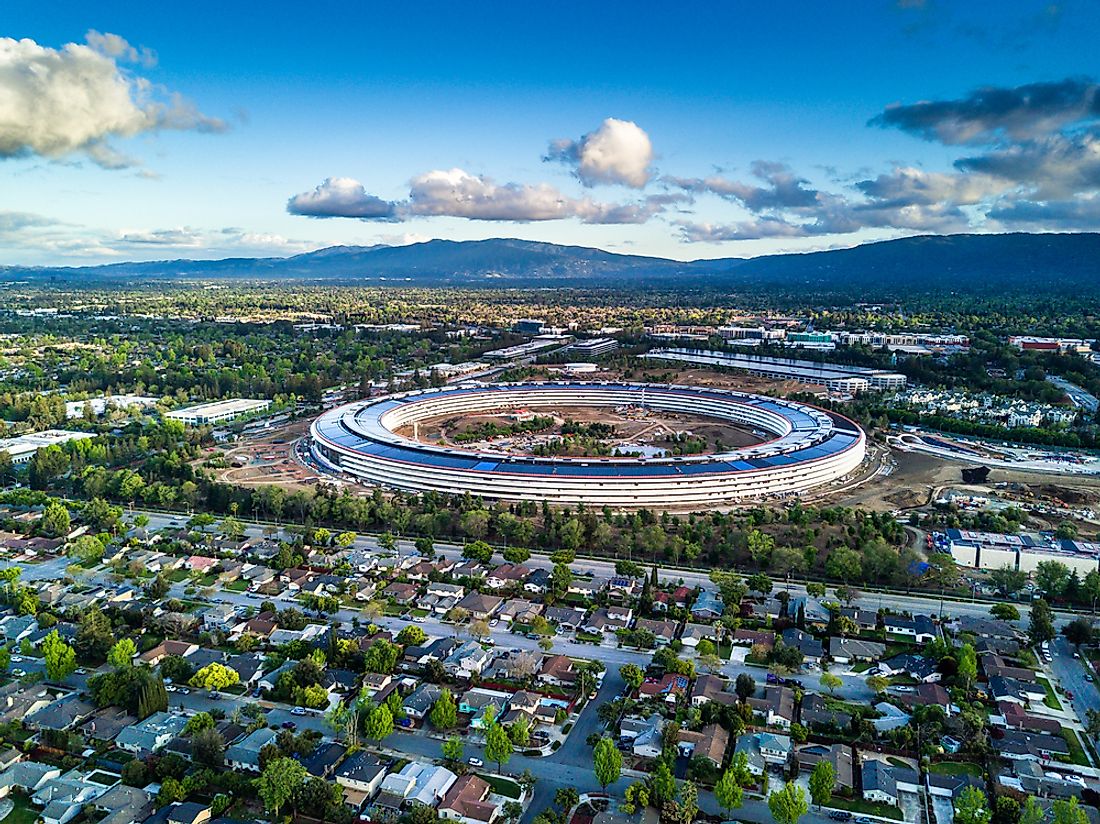
- Cupertino: The global headquarters of Apple, featuring the iconic Apple Park.
- Sunnyvale: A thriving city with a significant presence of defense and technology companies.
- Menlo Park: Home to Meta (formerly Facebook) headquarters and several venture capital companies.
- Redwood City: A growing tech center with a revitalized downtown area.
- Fremont: Located in the East Bay, it is a significant manufacturing hub for tech, including Tesla.
These cities, along with smaller communities, form a continuous urban and suburban landscape, interconnected by major highways and a shared culture of innovation. The geographic concentration allows for an unparalleled exchange of ideas, talent, and capital, fueling the region’s relentless pace of development.
More Than a Place: The Essence of Silicon Valley
Beyond its physical location, Silicon Valley is a concept, a mindset, and a lifestyle. Its origins trace back to the mid-20th century with the rise of semiconductor technology (hence “silicon”) and the establishment of institutions like Stanford University, which fostered a culture of entrepreneurship and collaboration between academia and industry. The region flourished by attracting brilliant minds, venture capitalists, and risk-takers who weren’t afraid to challenge the status quo.
Today, Silicon Valley remains synonymous with high-tech industries, encompassing software, hardware, internet services, biotechnology, artificial intelligence, and renewable energy. It’s a place where startups bloom and global giants dominate, where the future is actively being built. This unique blend of innovation, wealth, and intellectual capital creates a distinctive atmosphere that is both intensely competitive and remarkably collaborative, making it a captivating destination for anyone interested in the future of technology and human ingenuity.
Immersing Yourself in the Tech Mecca: Attractions and Experiences
Traveling to Silicon Valley offers a unique opportunity to witness the cutting edge of human innovation, explore iconic landmarks, and experience a lifestyle deeply intertwined with technology. While many visit for business, the region has much to offer for leisure travelers, families, and those simply curious about the birthplace of the digital age.
Iconic Tech Campuses and Museums
For many, the primary draw is to see the physical manifestations of the tech giants they interact with daily. While most company campuses aren’t open for public tours, many feature visitor centers, company stores, or publicly accessible areas that offer a glimpse into their operations.
- Apple Park Visitor Center in Cupertino allows visitors to explore the campus through an augmented reality experience, browse exclusive merchandise, and enjoy views of the main spaceship-like building.
- Googleplex in Mountain View has publicly accessible outdoor areas where visitors can see the famous Android statues, bike around the campus, and soak in the vibrant atmosphere.
- Meta Campus in Menlo Park features a well-known “Like” sign and a public open space, offering a photo opportunity with the social media giant’s branding.
Beyond the corporate giants, several museums provide fascinating insights into the history and future of technology:
- Computer History Museum (Mountain View): Home to the world’s largest collection of computing artifacts, this museum offers an incredible journey through the evolution of computers, from early mainframes to modern smartphones. It’s an essential stop for anyone wanting to understand the foundational technologies of Silicon Valley.
- The Tech Interactive (San Jose): An engaging science and technology center perfect for families and curious minds. It features hands-on exhibits focusing on robotics, biotech, and digital design, encouraging visitors to interact with and understand scientific principles.
- Intel Museum (Santa Clara): Located at Intel‘s headquarters, this museum delves into the world of microprocessors, explaining how chips are made and their impact on daily life.
Beyond Tech: Nature, Culture, and Culinary Delights
While technology is the heartbeat of Silicon Valley, the region offers a diverse array of attractions that cater to all interests, showcasing California’s rich culture and natural beauty.
- Stanford University (Palo Alto): A stunning campus renowned for its academic excellence and beautiful architecture. Visitors can explore the Cantor Arts Center, home to the largest collection of Rodin sculptures outside of Paris, and the serene Arizona Garden.
- Winchester Mystery House (San Jose): A quirky and fascinating historical landmark, this sprawling mansion with its bizarre architecture and legendary paranormal activity offers a unique historical and cultural experience away from the tech buzz.
- Parks and Open Spaces: The Santa Cruz Mountains provide a natural backdrop, offering numerous hiking and biking trails. Regional parks like Shoreline Lake in Mountain View offer recreational activities like kayaking and birdwatching, with views of the San Francisco Bay.
- Culinary Scene: Silicon Valley’s diverse population translates into a rich and varied food scene. From upscale dining experiences in Palo Alto and Santana Row in San Jose to authentic ethnic eateries and bustling food trucks, there’s something to satisfy every palate. The region is particularly strong in Asian cuisine, reflecting its demographic makeup.
- Wine Tasting: While not as famous as Napa or Sonoma, the Santa Cruz Mountains AVA (American Viticultural Area) offers exquisite wineries with stunning views, providing a tranquil escape.
Lifestyle and Events: Living the Valley Dream
The lifestyle in Silicon Valley is characterized by a blend of intense work ethic, innovative thinking, and a focus on wellness and outdoor activities. Many residents enjoy an active lifestyle, taking advantage of the mild California climate.
The region also hosts numerous tech conferences, industry events, and cultural festivals throughout the year. These range from major product launches and developer conferences to community art walks and music festivals, offering insights into local culture and opportunities to network. For those seeking a vibrant nightlife, downtown San Jose and areas like Santana Row offer a variety of bars, clubs, and entertainment venues.
Navigating the Region: Getting There and Around
Efficient transportation is key to experiencing Silicon Valley, whether you’re arriving from afar or exploring its many cities. The region is well-connected, though traffic can be a significant consideration during peak hours.
Major Transportation Hubs
Travelers flying into Silicon Valley have several international airport options:
- San Jose International Airport (SJC): This is the most convenient airport for directly accessing the heart of Silicon Valley cities like San Jose, Santa Clara, and Cupertino. It offers a good range of domestic and some international flights.
- San Francisco International Airport (SFO): Located just north of Silicon Valley, SFO is a major international gateway, offering extensive flight options worldwide. It’s easily accessible by car, public transit (BART and Caltrain), or shuttle services to the Bay Area.
- Oakland International Airport (OAK): Situated across the San Francisco Bay in the East Bay, OAK is another viable option, particularly for budget airlines. While slightly further, it offers good access to Silicon Valley via car or public transit.
Exploring the Valley: Mobility Options
Once in Silicon Valley, visitors have multiple ways to get around:
- Rental Cars: For maximum flexibility, especially if planning to visit multiple cities or attractions spread across the valley, a rental car is highly recommended. Major highways like US-101 and I-280 are the primary arteries, but traffic can be heavy during rush hours (typically 7-9 AM and 4-6 PM).
- Ride-sharing Services: Uber and Lyft are widely available and popular throughout the region, offering convenient on-demand transportation.
- Public Transportation:
- Caltrain: This commuter rail line connects San Francisco with San Jose, with stops in key Silicon Valley cities like Palo Alto, Mountain View, and Santa Clara. It’s an excellent option for avoiding traffic between cities.
- VTA (Santa Clara Valley Transportation Authority): VTA operates buses and light rail services within Santa Clara County, providing local connections to many tech campuses and attractions.
- Biking: Many Silicon Valley cities are bike-friendly, with dedicated bike lanes and trails. Bike-sharing programs are also available in some areas, offering a healthy and eco-friendly way to explore.
Your Stay in the Innovation Hub: Accommodation and Hospitality
Given the constant influx of business travelers, tourists, and relocating professionals, Silicon Valley boasts an extensive range of accommodation options. From luxury resorts catering to executives to budget-friendly hotels for families, there’s a place for every preference and budget.
Diverse Accommodation Options for Every Traveler
The hospitality landscape in Silicon Valley reflects its dynamic and diverse population.
- Luxury Hotels and Resorts: Cities like Palo Alto, San Jose, and Santa Clara feature upscale hotels that cater to business travelers and those seeking an elevated experience. Brands like Rosewood Sand Hill in Menlo Park, The Clement Hotel in Palo Alto, or the Hayes Mansion San Jose, Curio Collection by Hilton, offer premium amenities, fine dining, and sophisticated environments. Many provide executive lounges, state-of-the-art conference facilities, and wellness centers, making them ideal for business stays and luxury travel.
- Mid-Range and Boutique Hotels: A plethora of well-appointed hotels from various international chains provide comfortable stays with standard amenities. These are often strategically located near major tech campuses or transportation hubs. Boutique hotels offer a more personalized experience, often reflecting local art and culture.
- Serviced Apartments and Extended Stay Options: For longer visits, project work, or family trips, serviced apartments and hotels with kitchenettes are a popular choice. These accommodations provide the comforts of home, including laundry facilities and separate living areas, making them suitable for long-term stays and offering a more authentic local living experience.
- Budget-Friendly Hotels: While Silicon Valley is known for its high cost of living, there are still budget-friendly options available, particularly in the outer reaches of the valley or through careful booking and comparison. These provide essential comforts without compromising on cleanliness or accessibility.
Choosing Your Base: Hotels, Resorts, and Long-Term Stays
Selecting the right accommodation involves considering the purpose of your trip, your budget, and the specific areas you plan to visit.
- For Business Travelers: Proximity to corporate headquarters or conference venues is often the top priority. Hotels in Palo Alto, Mountain View, Santa Clara, or San Jose offering business amenities like high-speed internet, meeting rooms, and executive services are ideal. Many hotels also offer shuttle services to nearby tech campuses.
- For Tourists and Families: If exploring attractions like The Tech Interactive or Winchester Mystery House, staying in San Jose provides a central base. For those interested in Stanford University or the more boutique feel, Palo Alto is an excellent choice. Resorts with pools and family-friendly activities can enhance a leisure trip.
- For Long-Term Stays: Options like corporate apartments or extended-stay hotels are excellent. These often come with fully equipped kitchens, separate living areas, and amenities like fitness centers and complimentary breakfast, making them cost-effective and comfortable for weeks or months. Booking well in advance, especially during peak tech conference seasons, is always advisable to secure the best rates and availability.
The competition among hotels in Silicon Valley often means excellent amenities, from fitness centers and outdoor pools to robust Wi-Fi and diverse dining options. Always check guest reviews and compare prices across different platforms to ensure you find the perfect stay that aligns with your travel style and budget.
Planning Your Silicon Valley Adventure: Tips for Visitors
A trip to Silicon Valley can be an inspiring and enriching experience. To make the most of your visit, a bit of planning goes a long way.
Best Time to Visit and What to Pack
The San Francisco Bay Area, including Silicon Valley, enjoys a Mediterranean climate characterized by mild, wet winters and warm, dry summers.
- Spring (March to May) and Fall (September to November) are often considered the best times to visit. The weather is pleasantly warm but not excessively hot, perfect for exploring both indoor and outdoor attractions. These seasons also tend to have fewer tourists than the peak summer months, though major tech events can still draw large crowds.
- Summer (June to August) brings warmer temperatures, especially in the inland cities like San Jose. While generally sunny, the coastal influence can still bring cooler evenings. This is a popular time for family travel.
- Winter (December to February) is mild and rainy, but temperatures rarely drop below freezing. If you don’t mind the occasional shower, you can find good deals on flights and accommodation.
What to Pack: Regardless of the season, layering is key. Even on warm days, evenings can be cool. Bring comfortable walking shoes for exploring campuses and museums, and perhaps something a bit dressier if you plan on experiencing the finer dining or nightlife. A light jacket or sweater is almost always a good idea. Don’t forget a portable charger for your devices – you’re in the heart of tech, after all!
Budgeting and Practical Considerations
Silicon Valley is known for its high cost of living, which extends to travel expenses.
- Accommodation: This will likely be your biggest expense. Book well in advance, especially if your visit coincides with major conferences or university events. Consider staying slightly outside the most central cities to find more affordable rates, and factor in transportation costs to your desired locations.
- Food: Dining options range from expensive gourmet restaurants to more casual and affordable eateries. Exploring diverse ethnic restaurants and food trucks can be a delicious and budget-friendly way to experience the local culture. Groceries are also an option if your accommodation has a kitchen.
- Transportation: Factor in car rental costs, including parking (which can be expensive in urban centers), or utilize public transport passes for cost savings. Gas prices in California are generally higher than the national average.
- Attractions: While many tech campuses are free to view from the outside, museums often have admission fees. Look for combination tickets or city passes if available, and check for any free museum days.
- Connectivity: Wi-Fi is widely available in hotels, cafes, and public spaces, keeping you connected throughout your trip.
For a memorable trip, consider day excursions beyond Silicon Valley. The vibrant city of San Francisco with its iconic Golden Gate Bridge, the scenic beauty of Santa Cruz beaches, or the charming coastal towns of Monterey and Carmel-by-the-Sea are all within a reasonable drive, offering contrasting experiences to the tech-centric environment.
In conclusion, Silicon Valley is more than just a cluster of cities in California; it’s a global beacon of progress and a fascinating destination for any traveler. By understanding its geographical heart, exploring its unique attractions, and planning effectively for travel and accommodation, visitors can fully immerse themselves in the birthplace of modern technology and experience the innovative spirit that continues to shape our world.
LifeOutOfTheBox is a participant in the Amazon Services LLC Associates Program, an affiliate advertising program designed to provide a means for sites to earn advertising fees by advertising and linking to Amazon.com. Amazon, the Amazon logo, AmazonSupply, and the AmazonSupply logo are trademarks of Amazon.com, Inc. or its affiliates. As an Amazon Associate we earn affiliate commissions from qualifying purchases.