
Embarking on a journey to the sun-drenched landscapes and vibrant cities of Arizona promises an unforgettable experience, whether you’re drawn by the majestic Grand Canyon State’s natural wonders, its luxurious resorts, or its rich cultural tapestry. As you plan your itinerary, from exploring bustling urban centers like Phoenix and Tucson to discovering the serene beauty of Sedona or the historic charm of Flagstaff, understanding the local financial landscape, particularly sales tax, is a crucial step for savvy travelers and residents alike. Unlike many other states that levy a straightforward sales tax, Arizona operates under a distinctive system known as the Transaction Privilege Tax (TPT). This unique approach can initially seem complex, but grasping its fundamentals will ensure you budget effectively, avoid surprises, and fully enjoy all that this captivating state has to offer. From booking your ideal accommodation—be it a lavish suite, a cozy boutique hotel, or a convenient vacation rental—to dining at acclaimed restaurants, shopping for unique souvenirs, or engaging in thrilling outdoor activities, the TPT will inevitably factor into your expenses. This comprehensive guide will demystify Arizona’s sales tax, explaining how it works, what rates to expect in different locales, and how it impacts various aspects of your travel and lifestyle choices across the state. By the end, you’ll be well-equipped to navigate the financial nuances of your Arizona adventure with confidence and clarity.
Understanding Arizona’s Transaction Privilege Tax (TPT)
When discussing “sales tax” in Arizona, it’s essential to understand that the state utilizes a system fundamentally different from what many people encounter elsewhere. This system is officially known as the Transaction Privilege Tax (TPT), and comprehending its nature is the first step in demystifying your expenses in the state. While it functions much like a sales tax from the consumer’s perspective—being added to the purchase price of goods and services—its underlying legal framework is distinct, impacting how businesses operate and how various transactions are taxed.
More Than Just a “Sales Tax”
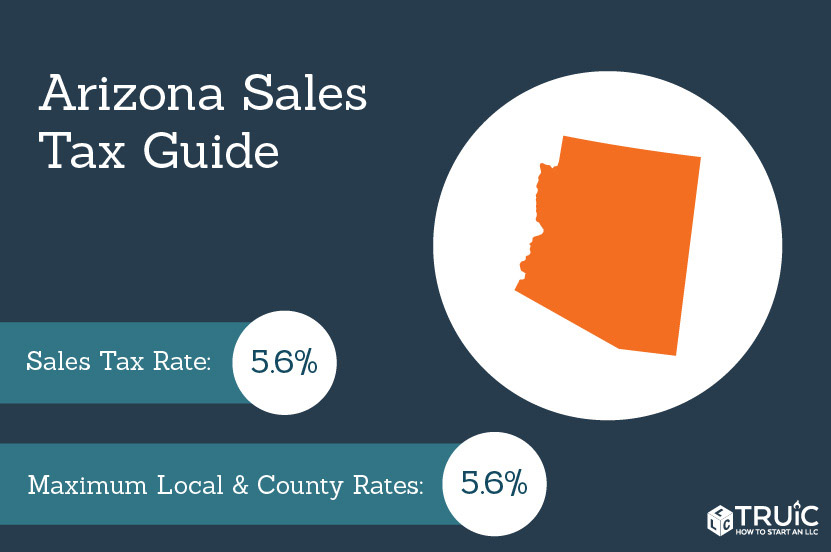
At its core, Arizona’s TPT is not a tax on the buyer, but rather a tax on the vendor for the privilege of doing business within the state. Businesses engaged in certain activities, such as retail sales, contracting, restaurant operations, and hotel accommodations, must register with the Arizona Department of Revenue and pay TPT on their gross receipts. This nuance means that while consumers ultimately bear the cost, the legal obligation to collect and remit the tax falls squarely on the shoulders of the businesses themselves. The state’s base TPT rate is 5.6%. This percentage applies to a broad range of transactions, from the purchase of goods in a retail store to the cost of services rendered by various businesses. However, this 5.6% is merely the starting point; it’s the statewide foundational rate upon which additional local taxes are layered, creating a more complex total rate that varies significantly depending on your specific location within Arizona. Understanding this distinction is not just academic; it highlights why certain businesses might be taxed differently based on their activity and why the terminology “transaction privilege tax” is used instead of “sales tax.” For visitors planning their travels, this means that virtually every purchase, from a bottle of water at a convenience store to a full-course meal at a luxury resort restaurant, will have this tax applied. The transparency of this tax is important for budgeting, as it ensures that travelers are not caught off guard by unexpected additions to their bills. Knowing that the state levies this tax on businesses helps explain why different types of transactions might be subject to varying rates, as the “privilege” of engaging in different types of commerce can be taxed differently at the local level.
How TPT Impacts Visitors and Consumers
For the average visitor or consumer in Arizona, the technical distinction between TPT and a traditional sales tax primarily manifests in its practical application: it’s an amount added to the advertised price of most goods and services at the point of sale. This means that if you see a menu item priced at $20, your final bill will be $20 plus the applicable TPT. The critical takeaway for anyone planning a trip or considering a long-term stay in the Grand Canyon State is that all prices quoted for retail items, restaurant meals, lodging, and many services typically do not include the TPT. It is crucial for budgeting purposes to factor in this additional cost, which can range significantly depending on the specific city and county you are in. For instance, a hotel room in Phoenix will have a different total TPT rate than one in Tucson or Scottsdale. This cumulative effect can add up, especially on larger purchases like accommodation or significant shopping sprees.
Considering the website’s focus on travel, hotels, and tourism, the TPT plays a direct role in the overall cost of your trip. When you are comparing hotels, reviewing accommodation options, or looking at various experiences and attractions, remember that the price listed is almost always pre-tax. This makes understanding the local TPT rates an indispensable part of planning a seamless and financially predictable Arizona adventure. Neglecting to account for the TPT could lead to your travel budget being stretched thinner than anticipated, potentially limiting your ability to enjoy all the incredible sights and activities Arizona has to offer. From the moment you book your flight and start researching local dining spots to the minute you purchase a souvenir, the TPT is a constant, though variable, companion in your financial planning.
Navigating Local Sales Tax Rates Across the Grand Canyon State
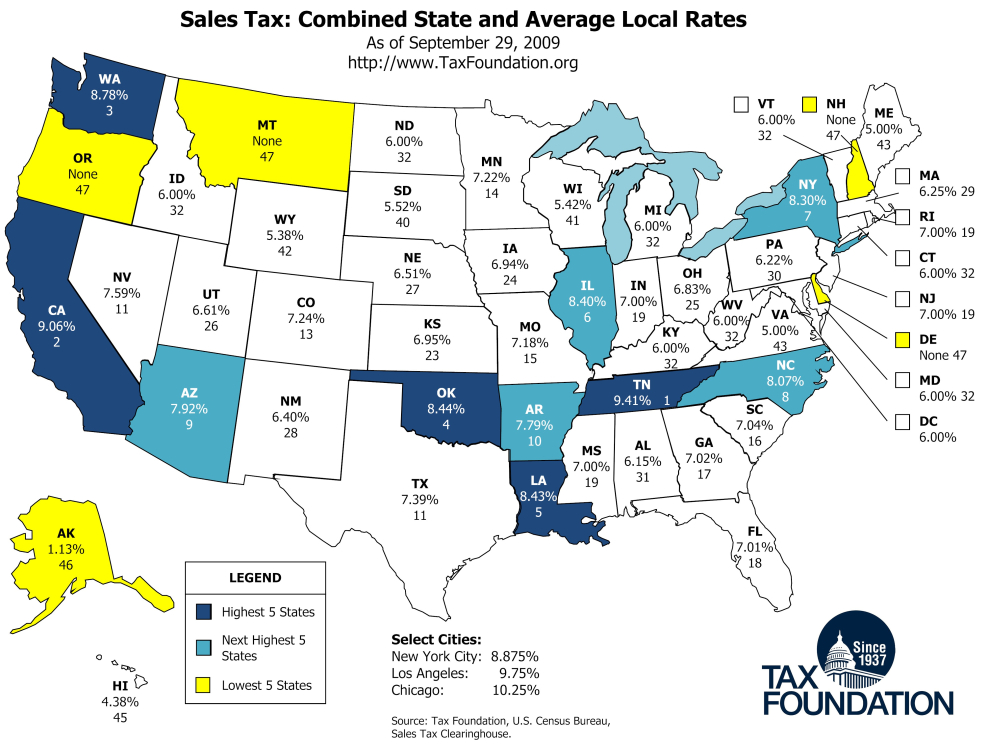
While the statewide Transaction Privilege Tax (TPT) rate of 5.6% forms the foundation of Arizona’s tax structure, the true complexity—and variability—emerges when you factor in the additional taxes levied by counties and individual municipalities. This creates a diverse financial landscape across the Grand Canyon State, where the total sales tax rate can differ considerably from one city to another, sometimes even within the same county. For travelers, understanding this localized system is paramount for accurate budgeting, especially when planning stays in multiple destinations or exploring various attractions.
County and City Additions: A Patchwork of Rates
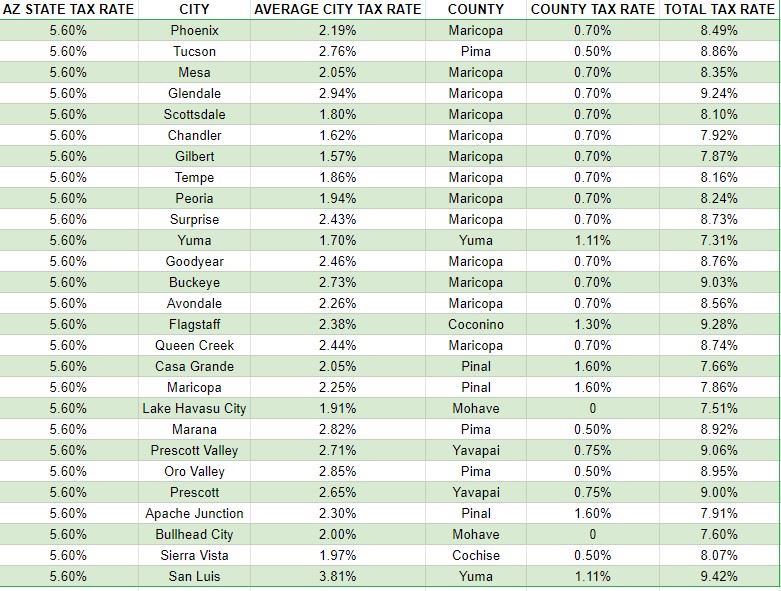
Beyond the state’s base TPT, both counties and cities in Arizona have the authority to impose their own additional TPT rates. This multi-layered approach means that the final sales tax you pay can be a combination of the state, county, and city rates. County rates are generally uniform across unincorporated areas within that county but can sometimes vary for specific activities. For example, Maricopa County, which encompasses Phoenix and many of its surrounding suburbs like Scottsdale, Mesa, Chandler, Glendale, and Tempe, levies its own TPT. Similarly, Pima County, home to Tucson, also adds its percentage. These county taxes are then further supplemented by individual city taxes.
What makes this system particularly intricate for travelers is that these city taxes are not always uniform across all types of transactions. While a city might have a general retail sales tax rate, it often imposes different rates for specific sectors, such as restaurants and bars, and especially for lodging. This means that if you’re buying a souvenir, dining out, and staying in a hotel all within the same city, you might encounter three different total TPT percentages. The rationale behind these varying rates is to allow local governments to generate revenue for specific services or infrastructure, often targeting tourism-related industries to help fund local attractions, public amenities, and promotional efforts that benefit visitors. For those planning their accommodation or exploring local tourism options, delving into these specific rates can prevent sticker shock and enable more precise financial planning, ensuring your lifestyle choices during your trip align with your budget.
Key Cities and Their Sales Tax Rates for Travelers
To illustrate the variability, let’s look at some of Arizona’s most popular destinations and their approximate combined sales tax rates (state + county + city) for common traveler expenses. It’s crucial to remember that these rates are subject to change, so always verify the most current information when planning.
- Phoenix: As the capital and largest city, Phoenix sets a benchmark for urban travel. The combined sales tax rate for general retail purchases (like clothing or electronics) is typically around 8.6%. Dining at a restaurant or bar will also incur a similar rate. However, for hotels and lodging, the rate often climbs higher, potentially reaching over 12.5% when accounting for state, Maricopa County, and Phoenix city taxes, plus any additional transient occupancy taxes. This significantly impacts the cost of luxury resorts or extended stays in the city.
- Tucson: In southern Arizona, Tucson presents a slightly different picture. General retail and restaurant taxes typically hover around 8.6%. Lodging taxes, however, can be substantial, often exceeding 12.5% to 13% once all layers of tax are applied. This is particularly relevant for visitors enjoying Tucson’s unique blend of desert landscapes, historic landmarks, and vibrant culinary scene, where accommodation choices range from charming boutique hotels to expansive resorts.
- Scottsdale: Known for its upscale shopping, vibrant nightlife, and luxurious resorts, Scottsdale often has a slightly higher overall sales tax burden due to its municipal additions. General retail and restaurant taxes typically sit around 8.9%. Lodging, however, can be significantly higher, often reaching between 13.9% and 14.5% due to various city-specific surcharges on top of state and Maricopa County taxes. This is a crucial consideration for those indulging in Scottsdale’s premium hotels and lavish lifestyle offerings.
- Other Notable Cities:
- Sedona: Famous for its red rock formations and spiritual retreats, Sedona has retail and restaurant rates usually around 9.4%, with lodging taxes often above 13.5%.
- Flagstaff: A gateway to the Grand Canyon and a popular four-season destination, Flagstaff sees retail and restaurant taxes around 9.1%, with lodging potentially reaching 13.5% or more.
- Mesa, Chandler, Glendale, Tempe: These Phoenix metropolitan area cities generally share similar retail and restaurant TPT rates as Phoenix (around 8.6%) but their specific lodging tax rates can vary, usually in the 12.5% to 13.5% range.
- Yuma: A popular winter destination, Yuma typically has retail and restaurant rates around 8.4%, with lodging taxes also in the 12.5% to 13.5% range.
The importance of checking specific rates cannot be overstated. When booking hotels or planning major purchases, a quick search for the current “city name + sales tax rate” or “city name + lodging tax” will provide the most up-to-date figures. This due diligence ensures that your budget accurately reflects the true cost of experiencing Arizona’s diverse attractions, from its bustling urban centers to its tranquil natural landscapes, optimizing your overall travel and accommodation planning.
Sales Tax and Your Arizona Travel Experience
For anyone planning a trip to Arizona, understanding the impact of the Transaction Privilege Tax (TPT) is not merely a matter of financial literacy; it directly shapes the overall travel experience. From securing your preferred accommodation to savoring local cuisine and indulging in unique activities, the TPT plays a role in almost every transaction. Integrating this knowledge into your planning ensures that your journey through the Grand Canyon State is not only memorable but also free from unexpected financial surprises, aligning perfectly with the themes of travel, hotels, tourism, and lifestyle that define this website.
Accommodation and Lodging Taxes
One of the most significant impacts of Arizona’s TPT for travelers is on accommodation costs. Unlike general retail sales, lodging services—encompassing hotels, resorts, motels, and even vacation rentals booked through platforms—are often subject to specific, and usually higher, TPT rates. These rates are a combination of the state’s 5.6% TPT, county-level taxes, and additional city-specific lodging taxes or transient occupancy taxes. The cumulative effect can push the total tax rate on your overnight stay significantly higher than the general sales tax on other goods.
For example, a luxury resort in Scottsdale might levy a combined lodging tax rate that hovers around 14.5%, meaning an additional $14.50 for every $100 spent on the room rate. In Phoenix or Tucson, this could be closer to 12.5% to 13%. This differential is crucial when comparing prices for your ideal hotel or resort, whether you’re seeking a family-friendly suite, a romantic villa, or a budget-conscious apartment. A seemingly small difference in the base rate can accumulate substantially over a multi-night stay, particularly for long-term accommodation options. When browsing for the perfect place to rest your head, be it a historic hotel near Phoenix’s landmarks or a wellness retreat in Sedona, always look for the “total estimated cost” to ensure the listed price includes all taxes and fees. This practice is essential for accurately budgeting your stay and choosing an accommodation that truly fits your lifestyle and financial plan. The varying rates also highlight the importance of thorough research when using booking comparison sites, as not all platforms display the final, all-inclusive price upfront.
Dining, Shopping, and Activities
Beyond lodging, the TPT influences virtually every other aspect of your Arizona travel experience, from culinary adventures to retail therapy and exploring local attractions.
- Dining: When you indulge in Arizona’s diverse culinary scene—from upscale dining in Scottsdale to authentic Sonoran hot dogs in Tucson or a casual cafe in Flagstaff—the TPT will be added to your bill. Most cities apply their general retail TPT rate to restaurant meals, which typically ranges from 8.6% to 9.5% depending on the location. It’s important to remember that this tax is separate from any gratuity you might choose to add, ensuring you budget for both when enjoying Arizona’s food culture. A common exemption across Arizona is for groceries purchased for home consumption, meaning you generally won’t pay TPT on items bought at a supermarket to cook yourself, which can be a small relief for budget travelers or those opting for long-term stays with kitchenettes.
- Shopping: Whether you’re hunting for Native American crafts near Sedona, designer labels in Phoenix, or souvenirs depicting Arizona’s natural landmarks, the TPT applies to most retail purchases. The rate will vary by city, as outlined previously, typically falling within the 8.4% to 9.5% range. For high-value purchases, this additional percentage can significantly increase the final price, a factor to consider for those planning luxury travel or extensive shopping excursions.
- Activities and Attractions: Admission fees to museums, guided tours of natural attractions, tickets for entertainment venues, and even certain recreational rentals (like bikes or kayaks) are also generally subject to TPT. While some smaller, non-profit organizations might have exemptions, the vast majority of commercial tourism activities will include TPT in their final price. This applies whether you’re taking a hot air balloon ride over Phoenix, visiting the Desert Botanical Garden, or exploring historical sites.
Budgeting for Your Trip to Arizona
The cumulative effect of the TPT on various expenditures can significantly impact your overall travel budget. While individual percentages might seem small, when applied to multiple nights of accommodation, several restaurant meals, a few shopping sprees, and various attractions, the total additional cost can be substantial. For a week-long trip, these taxes could add hundreds of dollars to your expenses.
To effectively budget, consider these tips:
- Estimate Total Tax: For major categories like accommodation, calculate the approximate total tax based on the specific city’s lodging rate.
- Add a Buffer: For dining and shopping, assume an average TPT rate (e.g., 9-10%) and factor it into your daily spending estimates. It’s always better to slightly overestimate than underestimate.
- Review Receipts: Check your receipts to see the actual TPT applied, helping you adjust future spending if needed.
- All-Inclusive vs. Itemized: Be mindful of “all-inclusive” packages. While some might genuinely include all taxes, others may still add local TPTs at checkout. Always clarify what “all-inclusive” truly covers.
By proactively accounting for Arizona’s TPT across all aspects of your travel—from selecting your hotels and resorts to planning your tourism activities and daily lifestyle choices—you can ensure a smoother, more enjoyable, and financially stress-free experience in the beautiful Grand Canyon State.
Essential Tips for Travelers Regarding Arizona Sales Tax
Navigating the Transaction Privilege Tax (TPT) in Arizona doesn’t have to be a daunting task for travelers. With a few key strategies and a proactive approach, you can easily account for these taxes in your budget and avoid any surprises. Integrating these tips into your travel planning will ensure a seamless experience, allowing you to focus on enjoying the breathtaking landscapes, vibrant culture, and diverse attractions that the Grand Canyon State has to offer. Whether you’re on a luxury getaway, a budget-conscious family trip, or a business stay, being informed about Arizona’s unique tax structure is a hallmark of a prepared traveler.
Always Check the Final Price
One of the most fundamental pieces of advice for any traveler in Arizona is to always inquire about or carefully review the final price before making a purchase or booking. Many businesses, especially hotels, resorts, and tour operators, will initially display prices pre-tax. This is a common industry practice, but it means the number you see advertised for a hotel room or an attraction ticket is likely not the total amount you will pay.
When booking accommodation online, look for the “total estimated cost” or “price breakdown” section. This is where you’ll typically find the base room rate, followed by a list of applicable taxes and fees, including the state, county, and city TPT, as well as any resort fees or other surcharges. For dining out, the TPT will be added to your bill at the end of the meal. Similarly, for retail purchases, the tax will be calculated at the register. By being diligent and asking if “tax is included” or examining the detailed receipt, you gain full transparency into your expenditures. This practice is particularly important for higher-value items or services, where the cumulative tax can represent a significant additional cost. Being aware of this ensures that your financial planning, whether for luxury travel or a strict budget, remains accurate and prevents any unexpected charges from impacting your overall travel lifestyle.
Where to Find Current Information
Given that sales tax rates (TPT) in Arizona can vary by city and county, and are subject to periodic changes, relying on outdated information can lead to inaccuracies in your budgeting. While this article provides general ranges and examples, the most precise and up-to-date information is always found through official sources.
- Arizona Department of Revenue: The official website for the Arizona Department of Revenue (ADOR) is the authoritative source for state-level TPT rates and general guidelines. While their website is primarily geared towards businesses, it contains rate tables and publications that outline the current state TPT.
- City and County Websites: For specific local rates, including those for general retail, restaurants, and particularly for lodging, consult the official websites of the city or county you plan to visit. Most municipal government websites have a finance or tax department section that publishes current TPT rates applicable within their jurisdiction. For instance, if you’re planning a stay in Mesa, checking the official Mesa city website will provide the most accurate local TPT information.
- Reputable Travel Guides and Hotel Booking Platforms: While not always as granular as government sites, well-established travel guides and major hotel booking platforms often provide estimated tax rates or break down costs clearly. Just remember to cross-reference or confirm if you have any doubts, especially for unique accommodations or long-term stays.
By leveraging these reliable sources, you can ensure your financial planning for hotels, tourism activities, and general expenses is based on the most current data, allowing for a stress-free travel experience across Arizona’s many destinations.
General Exemptions to Be Aware Of
While the Transaction Privilege Tax (TPT) in Arizona is broadly applied to most commercial transactions, there are some notable exemptions that can be beneficial for travelers and residents alike. Understanding these can help you identify areas where you might save a little, particularly if you’re planning an extended stay or prefer to self-cater.
The most significant and widely known exemption is for groceries purchased for home consumption. This means that when you buy food items from a supermarket, grocery store, or even a convenience store with the intention of preparing and eating them elsewhere (e.g., in your hotel room kitchenette or a vacation rental), you generally will not pay TPT on those items. This exemption is a considerable advantage for budget travelers, families, or anyone looking to offset dining costs during their trip to Arizona, especially during long-term stays. However, prepared foods bought for immediate consumption, such as deli sandwiches from a grocery store café or hot items from a buffet, are typically not exempt and will be taxed.
Other exemptions exist for specific categories, though they are often more complex and less universally applicable to the average tourist. These can include:
- Prescription Drugs: Prescription medications are generally exempt from TPT.
- Certain Medical Services: While professional services are generally not subject to TPT in Arizona, specific medical services and devices may also be explicitly exempt.
- Services vs. Goods: Broadly, professional services (like legal, accounting, or consulting services) are generally not subject to TPT in Arizona, unless they are specifically categorized as a taxable business activity (e.g., contracting or specific repair services where tangible personal property is involved). This is part of the distinction of TPT versus a broad sales tax.
It’s important to note that specific exemptions can sometimes be nuanced and vary by municipality or category of business. When in doubt, it’s always best to inquire at the point of purchase or consult official sources. However, the grocery exemption alone offers a valuable opportunity for travelers to manage their food budget more effectively while exploring Arizona’s diverse attractions and lifestyles. Being mindful of these exemptions can contribute to a more informed and economically savvy approach to your Arizona adventure.
In conclusion, while Arizona’s Transaction Privilege Tax system might seem a bit more intricate than a standard sales tax, a little understanding goes a long way. By recognizing the state’s base rate, the varying additions from counties and cities, and how these apply to your accommodation, dining, shopping, and activities, you empower yourself to budget more accurately and travel with greater peace of mind. Whether you’re planning to marvel at the natural beauty of the Grand Canyon, immerse yourself in the urban charm of Phoenix, or unwind at a luxury resort in Scottsdale, being prepared for the TPT is an essential part of crafting your ideal Arizona experience. Enjoy your journey through this magnificent state, confident in your grasp of its financial landscape!
LifeOutOfTheBox is a participant in the Amazon Services LLC Associates Program, an affiliate advertising program designed to provide a means for sites to earn advertising fees by advertising and linking to Amazon.com. Amazon, the Amazon logo, AmazonSupply, and the AmazonSupply logo are trademarks of Amazon.com, Inc. or its affiliates. As an Amazon Associate we earn affiliate commissions from qualifying purchases.