
Nestled in the heart of Northern California, Sonoma County stands as a beacon for travelers seeking a diverse tapestry of experiences, from sun-drenched vineyards to rugged coastlines. Often overshadowed by its more famous eastern neighbor, Napa Valley, Sonoma County offers an equally compelling, yet distinctly different, allure. Its strategic location, rich geographical diversity, and easy accessibility make it an ideal destination for various travel itineraries. Understanding its precise whereabouts and geographical context is the first step to unlocking the myriad adventures this Californian gem has to offer.
Unveiling Sonoma County’s Geographic Splendor
Sonoma County’s geographical positioning is one of its greatest assets, contributing significantly to its varied landscapes and microclimates. It is a large county, encompassing a vast area that stretches from the Pacific Ocean in the west to the inland North Coast Ranges in the east.
Location in the Golden State
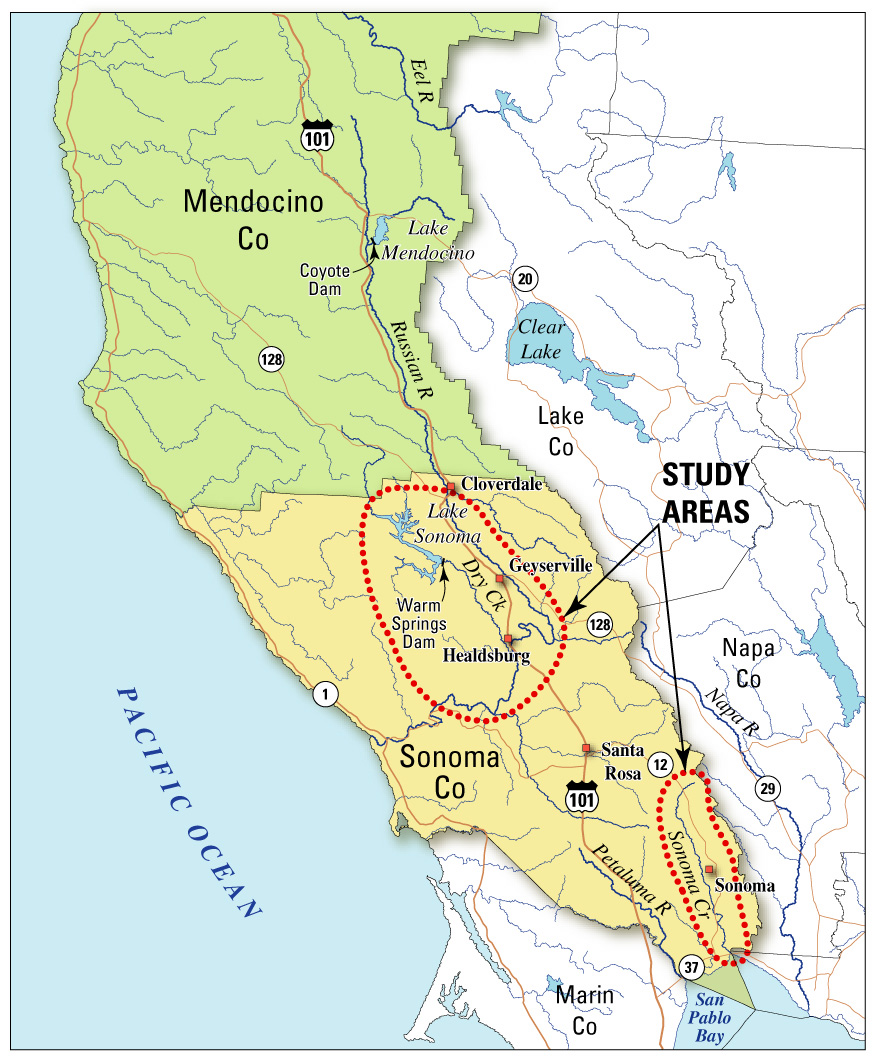
Geographically, Sonoma County is situated in the north-central part of California, forming a significant portion of the renowned San Francisco Bay Area’s northern perimeter. It is approximately 30 miles north of the Golden Gate Bridge and spans roughly 1,768 square miles, making it one of the larger counties in the state. Its western border is defined by 55 miles of pristine Pacific Ocean coastline, while its eastern boundary touches Napa Valley. This positioning allows it to capture a unique blend of coastal fog, warm inland temperatures, and varied elevations, all of which are crucial for its agricultural prowess and diverse ecosystems.
Proximity to Major Urban Centers
One of the practical advantages of Sonoma County’s location is its convenient proximity to several major metropolitan areas. For travelers flying into California, it’s easily reachable from major international airports. From the bustling hub of San Francisco to the vibrant city of Oakland, and even the state capital of Sacramento, the county is an accessible escape. This makes it an ideal extension for a broader California itinerary or a standalone destination for those seeking a more relaxed pace not far from urban amenities.
Diverse Geographical Features
The geography of Sonoma County is remarkably diverse, a characteristic that defines much of its appeal. It encompasses rolling hills covered in vineyards, lush redwood forests, fertile agricultural valleys, and a dramatic coastline featuring rugged cliffs and sandy beaches. The iconic Russian River meanders through the heart of the county, providing fertile river plains and creating picturesque landscapes. This blend of mountains, valleys, forests, and coastline contributes to a rich array of outdoor activities and scenic beauty, setting the stage for unforgettable travel experiences.
Exploring Sonoma County’s Renowned Regions
Within its extensive borders, Sonoma County boasts several distinct regions, each with its own unique character and attractions. Understanding these regions helps travelers tailor their visit to their specific interests.
Wine Country Charms
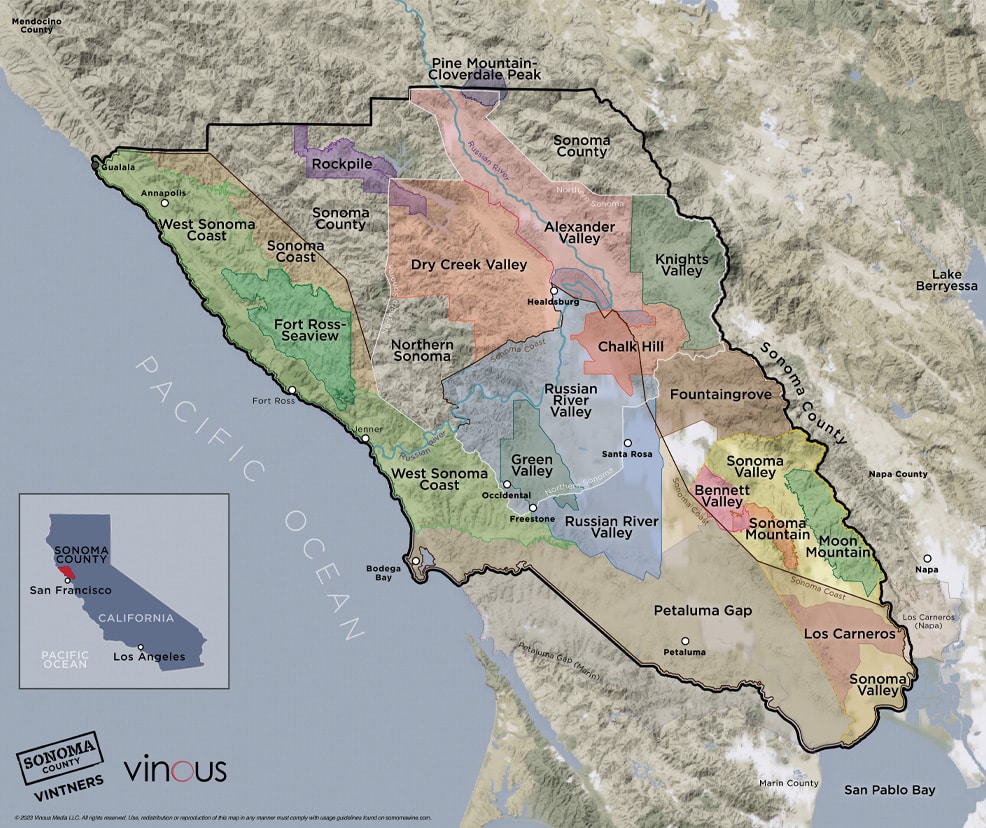
Perhaps the most famous aspect of Sonoma County is its sprawling wine country. Unlike the more concentrated feel of Napa Valley, Sonoma offers a more expansive and often more rustic wine-tasting experience across its 18 American Viticultural Areas (AVAs). Key wine regions include the picturesque Sonoma Valley, known for its historic wineries and the charming Sonoma Plaza; the Russian River Valley, famous for its Pinot Noir and Chardonnay; and the Dry Creek Valley, celebrated for Zinfandel. Towns like Healdsburg, Santa Rosa, and Petaluma serve as excellent bases for exploring these renowned vineyards, offering a blend of sophisticated dining, boutique shopping, and quaint small-town ambiance.
Coastal Beauty
The western edge of Sonoma County is defined by its stunning coastline, part of the legendary Pacific Coast Highway (Highway 1). Here, visitors can explore dramatic sea cliffs, secluded coves, and charming fishing villages. Bodega Bay, famous as the setting for Alfred Hitchcock’s “The Birds,” is a popular spot for fresh seafood, whale watching, and scenic hikes. The Sonoma Coast State Park stretches for miles, offering numerous access points to beaches, tide pools, and bluff trails, perfect for nature lovers and photographers.
Inland Valleys and Redwoods
Moving inland, travelers discover lush valleys and ancient forests. The majestic Armstrong Redwoods State Natural Reserve near Guerneville provides an awe-inspiring experience amidst towering old-growth redwood trees, offering easy walking trails for all ages. Further east, the agricultural lands yield an abundance of fresh produce, supporting a vibrant farm-to-table culinary scene. This region also hosts unique attractions like Safari West, an African wildlife preserve that brings a slice of the savanna to California.
How to Get There: Accessibility and Transportation
Reaching Sonoma County is straightforward, with several convenient transportation options catering to different preferences.
Air Travel Options
For distant travelers, the most direct route is flying into Charles M. Schulz Sonoma County Airport (STS), located just north of Santa Rosa. This regional airport offers direct flights from several major U.S. cities, providing immediate access to the heart of wine country. Alternatively, travelers can fly into larger international airports such as San Francisco International Airport (SFO), Oakland International Airport (OAK), or Sacramento International Airport (SMF). From these hubs, Sonoma County is typically a 1.5 to 2-hour drive, with various shuttle and car rental services available.

Driving to Sonoma County
Driving is a popular and scenic way to access Sonoma County, especially for those coming from within California or neighboring states. The primary route from the south is Highway 101, a major artery that runs directly through Santa Rosa and other key towns. From the east, routes like Highway 12 and Highway 128 offer picturesque drives through the Napa Valley and into Sonoma. The coastal Pacific Coast Highway (Highway 1) provides a slower, but incredibly scenic, approach from both north and south.
Public Transportation and Scenic Routes
While less comprehensive than driving, public transportation options do exist. Amtrak‘s Coast Starlight train offers service to nearby cities like Emeryville, from where connecting bus services or rental cars can complete the journey. Additionally, local bus services operate within Sonoma County, connecting its various towns. For those seeking a unique approach, the scenic SMART train offers service from Marin County to Santa Rosa, providing a relaxing journey through the North Bay.
Why Sonoma County Is a Premier Travel Destination
Beyond its location, Sonoma County’s intrinsic appeal lies in the breadth and quality of its offerings, making it a truly premier destination for any traveler.
World-Class Wineries and Vineyards
With over 400 wineries, Sonoma County offers an unparalleled wine-tasting experience. From large, internationally recognized estates to intimate, family-run vineyards, there is a wine for every palate. The region is celebrated for its diverse varietals, benefiting from its varied microclimates which allow for successful cultivation of Pinot Noir, Chardonnay, Zinfandel, Cabernet Sauvignon, and more. Many wineries offer guided tours, barrel tastings, and culinary pairings, providing an insightful look into the art of winemaking amidst stunning vineyard views.
Outdoor Adventures Await
The natural landscape of Sonoma County is a playground for outdoor enthusiasts. Hikers can explore countless trails through redwood forests, along coastal bluffs, or amidst rolling vineyards. Cyclists can navigate scenic backroads or challenge themselves on more strenuous routes. The Russian River provides opportunities for kayaking, canoeing, and swimming, especially popular during the warmer months. Whale watching tours depart from the coast, and fishing is a popular pastime in both the ocean and the river. Parks like Jack London State Historic Park offer a blend of history and nature, allowing visitors to explore the former ranch of the famous author.
Culinary Excellence and Farm-to-Table Dining
Sonoma County’s vibrant agricultural scene directly fuels its reputation as a culinary hotspot. The farm-to-table movement thrives here, with many restaurants sourcing ingredients directly from local farms, dairies, and fisheries. Visitors can indulge in everything from Michelin-starred fine dining to casual bistros, often paired with exceptional local wines. Farmers’ markets are abundant, offering a chance to sample fresh produce, artisanal cheeses, and baked goods. The area is also known for its craft breweries and distilleries, adding another layer to its gastronomic appeal.
Arts, Culture, and Quaint Towns
Beyond its natural beauty and culinary delights, Sonoma County is rich in arts and culture. Towns like Sonoma boast historic plazas, missions, and museums, telling the story of early California. Santa Rosa is home to the Charles M. Schulz Museum and Research Center, celebrating the creator of Peanuts. Art galleries, live music venues, and local theaters contribute to a lively cultural scene. Quaint towns across the county each offer unique charm, from the Victorian architecture of Petaluma to the sophisticated boutiques of Healdsburg, ensuring there’s always something new to discover. For families, attractions like Sonoma TrainTown Railroad offer classic fun.
Planning Your Visit: Essential Tips for Travelers
To make the most of your trip to Sonoma County, a little planning goes a long way.
Best Time to Visit
Sonoma County enjoys a Mediterranean climate, making it a year-round destination. Spring (April-May) offers lush landscapes, blooming wildflowers, and pleasant temperatures, ideal for hiking and cycling. Summer (June-August) is warm and sunny, perfect for river activities and coastal excursions, though popular areas can be crowded. Fall (September-October) brings the grape harvest (crush season), a vibrant time to visit wineries, with stunning fall foliage. Winter (November-March) is cooler and wetter, but offers fewer crowds, cozy winery experiences, and dramatic stormy coastline views.
Accommodation Choices
Accommodation options in Sonoma County are as diverse as its landscapes. Travelers can choose from luxurious resorts nestled among vineyards, charming bed and breakfasts in historic towns, boutique hotels in urban centers, and rustic cabins near the Russian River or coast. Camping and glamping sites are also available for those seeking a closer connection to nature. Booking in advance, especially during peak season (summer and fall), is highly recommended.
Navigating the Region
While some public transport exists, having a car is highly recommended for exploring Sonoma County at your own pace, especially when visiting multiple wineries or venturing to coastal and forest areas. Taxis, ride-sharing services, and dedicated wine tour operators are also available, particularly around the main towns and wine regions. Maps and GPS are essential, as cell service can be spotty in more remote areas. Many wineries require reservations for tastings, so planning your itinerary and booking appointments ahead of time is wise.
LifeOutOfTheBox is a participant in the Amazon Services LLC Associates Program, an affiliate advertising program designed to provide a means for sites to earn advertising fees by advertising and linking to Amazon.com. Amazon, the Amazon logo, AmazonSupply, and the AmazonSupply logo are trademarks of Amazon.com, Inc. or its affiliates. As an Amazon Associate we earn affiliate commissions from qualifying purchases.