
St. Johns County, situated on the northeastern coast of Florida, stands as a captivating region where history, natural beauty, and vibrant community life converge. This locale, often lauded for its exceptional quality of life, offers a compelling blend of old-world charm and modern amenities, making it a sought-after destination for both residents and visitors. Its strategic location, just south of the Georgia border and north of the popular tourist hubs of central Florida, positions it as a gateway to diverse experiences, from the cobblestone streets of historic St. Augustine to the serene beaches of Crescent Beach. Understanding where St. Johns County lies within the broader context of Florida reveals a narrative of growth, preservation, and a distinct regional identity.
Geographic and Administrative Identity
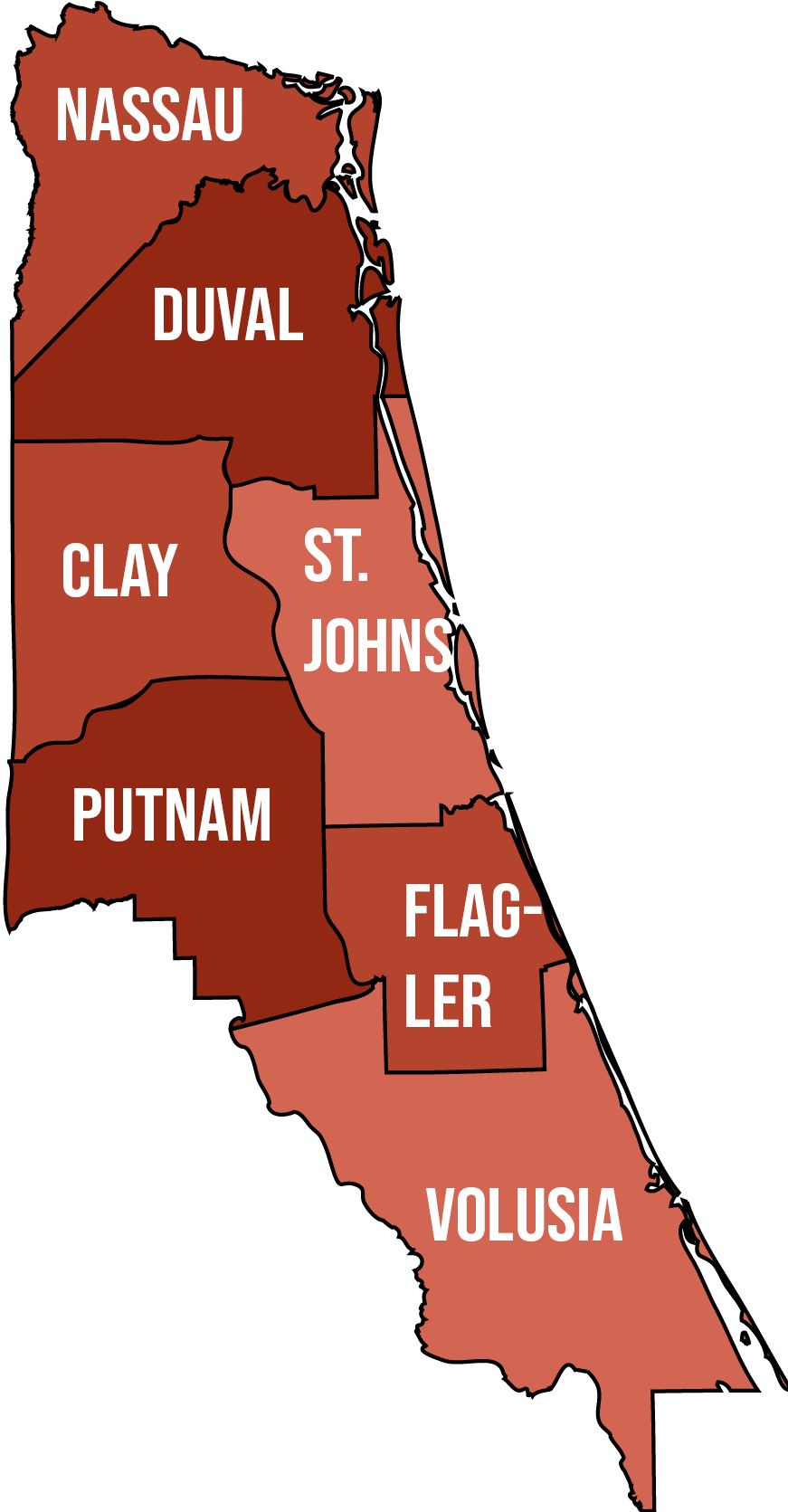
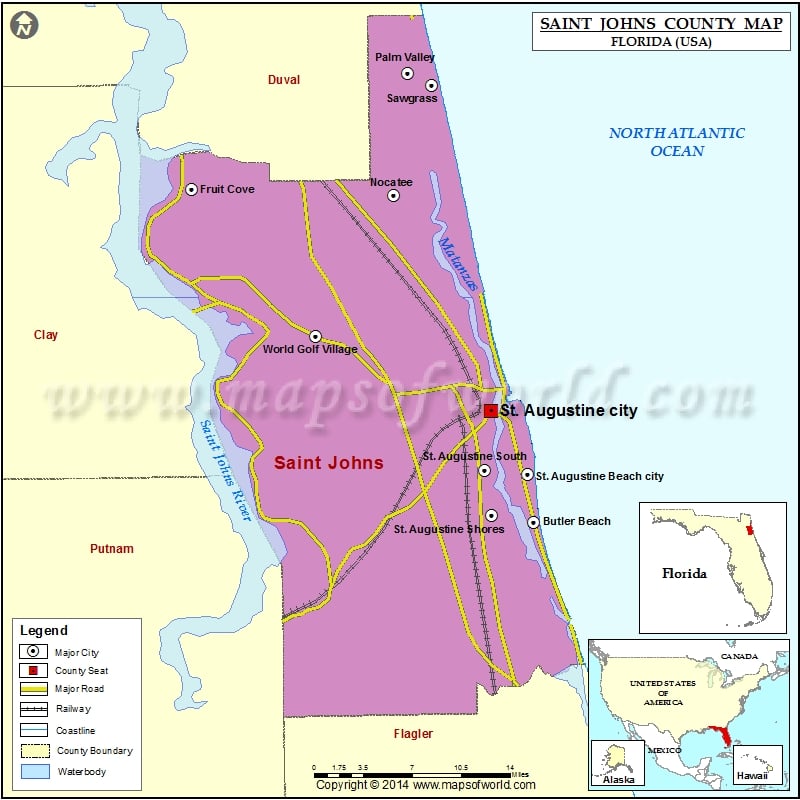
St. Johns County is one of Florida’s 67 counties, nestled within the northeastern corner of the state. It is bordered by Duval County to the north, Putnam County and Flagler County to the south, and the vast Atlantic Ocean to the east. Its western boundary is defined by the St. Johns River, a significant waterway that lends its name to the county and plays a crucial role in the region’s historical development and ecological significance.
The county seat is the historic city of St. Augustine, which is also the oldest continuously inhabited European-established settlement in the United States. This designation alone imbues St. Johns County with immense historical weight and cultural importance. Beyond St. Augustine, other notable communities within the county include St. Johns Golf & Country Club, Fruit Cove, Hastings, Ponce Inlet, and the coastal enclaves of Crescent Beach and Vilano Beach. Each of these areas possesses its own unique character, contributing to the diverse tapestry of St. Johns County.
Strategic Proximity and Connectivity
The geographical placement of St. Johns County offers strategic advantages for both commerce and leisure. Its proximity to major transportation arteries facilitates easy access to other parts of Florida and beyond. Interstate 95, a primary north-south highway on the East Coast of the United States, runs through the western portion of the county, connecting it to Jacksonville to the north and Orlando and Miami further south. U.S. Route 1 also traverses the county, offering a more scenic, albeit slower, alternative that passes through many of its historic towns and communities.
The Jacksonville International Airport, a major air travel hub, is conveniently located just a short drive north of the county, providing residents and visitors with access to a wide range of domestic and international flights. This connectivity is a vital component of St. Johns County’s appeal, allowing for seamless travel and integration into the broader economic and cultural landscape of Florida.
Historical Significance and Heritage Tourism
The most prominent aspect of St. Johns County’s identity is its profound historical significance, largely centered around the city of St. Augustine. Founded in 1565 by Spanish explorer Pedro Menéndez de Avilés, St. Augustine predates Jamestown and Plymouth by decades, establishing it as a cornerstone of American history. This rich past is a magnet for heritage tourism, drawing millions of visitors each year eager to explore its preserved architecture and learn about its diverse colonial heritage.
Iconic Landmarks and Attractions
The county boasts a wealth of historical landmarks that tell the story of its long and complex past. The most iconic of these is the Castillo de San Marcos National Monument, a formidable 17th-century Spanish stone fortress that has withstood numerous sieges and remains a symbol of the city’s resilience. Its coquina walls and strategic location overlooking the harbor are testaments to the engineering and military prowess of its builders.
Other significant historical sites include the Lightner Museum, housed in the former Alcazar Hotel, which showcases an eclectic collection of Gilded Age artifacts. The Oldest Wooden School House offers a glimpse into early colonial education, while the historic St. George Street provides a charming pedestrian thoroughfare lined with boutiques, restaurants, and museums, evoking the atmosphere of centuries past. The Flagler College, originally the luxurious Ponce de León Hotel built by Henry Flagler, is another architectural marvel that speaks to the region’s Gilded Age boom.
The legacy of various ruling powers, including the Spanish, British, and Americans, is evident throughout St. Johns County, creating a unique cultural fusion that is reflected in its architecture, cuisine, and traditions. Exploring these sites offers a profound connection to the foundational periods of what would become the United States.
Natural Beauty and Outdoor Recreation

Beyond its historical narrative, St. Johns County is celebrated for its stunning natural landscapes, particularly its extensive coastline and the tranquil waters of the St. Johns River. The county’s Atlantic shoreline stretches for miles, offering pristine beaches that are ideal for a variety of recreational activities.
Coastal Escapes and Activities
The beaches of St. Johns County, such as Crescent Beach, St. Augustine Beach, and Vilano Beach, are renowned for their soft, white sand and gentle surf. These areas are popular for sunbathing, swimming, fishing, surfing, and simply enjoying the coastal environment. St. Augustine Beach offers a vibrant atmosphere with a pier and numerous amenities, while Vilano Beach provides a more laid-back experience with excellent opportunities for birdwatching and kayaking.
For those seeking to explore the marine ecosystem, the waters off the coast of St. Johns County are teeming with life. Dolphin watching tours are a popular way to observe these magnificent creatures in their natural habitat, and deep-sea fishing excursions promise the thrill of catching a variety of saltwater species. The Ponce Inlet Lighthouse, though located just south of the county’s direct border, is a significant landmark visible from parts of the southern coastline and a beacon for maritime history.
Riverfront Exploration and Inland Parks
The St. Johns River provides a different but equally captivating natural experience. This slow-moving, wide river is a haven for wildlife, including numerous species of birds, fish, and alligators. Kayaking, canoeing, and boating are popular ways to explore its tranquil waters and winding tributaries. The riverbanks are dotted with parks and nature preserves that offer opportunities for hiking, picnicking, and observing the unique estuarine environment.
Inland, St. Johns County features several parks and preserves that protect its diverse habitats. Washington Oaks Gardens State Park, for example, offers beautiful formal gardens, a beach with coquina rock formations, and opportunities for hiking and wildlife viewing. These green spaces contribute to the county’s commitment to preserving its natural heritage and providing residents and visitors with access to the outdoors.
Community and Lifestyle
St. Johns County is not just a place of historical significance and natural beauty; it is also a thriving community with a high quality of life. The county has experienced significant growth in recent decades, attracting families and professionals drawn to its excellent schools, low crime rates, and strong sense of community.
Education and Family Life
The school system in St. Johns County is consistently ranked among the best in Florida, making it an attractive location for families. The emphasis on education is a key factor in the county’s appeal, fostering an environment where children can thrive. Beyond academics, there are numerous opportunities for youth sports, extracurricular activities, and community engagement, contributing to a well-rounded upbringing.
Economic Development and Growth
While tourism and history are significant drivers of the local economy, St. Johns County has also diversified its economic base. sectors such as healthcare, technology, and light manufacturing are contributing to its growth. The county offers a favorable business climate, attracting new companies and creating employment opportunities. This economic vitality, coupled with its desirable lifestyle, has led to a steady influx of new residents.
Cultural Arts and Dining
The cultural landscape of St. Johns County is rich and varied. St. Augustine serves as the cultural heart, with numerous art galleries, theaters, and live music venues. The city’s historic architecture provides a picturesque backdrop for festivals and cultural events held throughout the year. The culinary scene is equally diverse, ranging from fresh seafood caught off the Atlantic coast to international flavors and farm-to-table dining experiences. The influence of Spanish, Southern, and Caribbean cuisines can be found throughout the county, offering a delightful gastronomic journey.
In conclusion, St. Johns County occupies a distinct and desirable position in northeastern Florida. Its identity is forged from a unique confluence of America’s oldest city, a breathtaking coastline, and a forward-looking, community-oriented lifestyle. Whether drawn by the echoes of history, the allure of the ocean, or the promise of a superior quality of life, visitors and residents alike will find St. Johns County to be a captivating and rewarding destination.
LifeOutOfTheBox is a participant in the Amazon Services LLC Associates Program, an affiliate advertising program designed to provide a means for sites to earn advertising fees by advertising and linking to Amazon.com. Amazon, the Amazon logo, AmazonSupply, and the AmazonSupply logo are trademarks of Amazon.com, Inc. or its affiliates. As an Amazon Associate we earn affiliate commissions from qualifying purchases.