
Navigating the vibrant landscapes and bustling cities of Florida is often synonymous with sunshine, relaxation, and adventure. Whether you’re a long-term resident enjoying the unique lifestyle the Sunshine State offers, a seasonal snowbird escaping colder climes, or a tourist exploring world-class attractions, the open road is an integral part of the experience. However, even in paradise, unexpected bumps can occur, and one of the most common is receiving a traffic ticket. While certainly an unwelcome disruption to an otherwise idyllic Florida lifestyle, understanding how to properly address a citation is crucial. The first and most fundamental step in this process is locating the citation number on your ticket. This seemingly small detail is, in fact, the linchpin for all subsequent actions, from paying a fine to contesting a charge. This guide will illuminate exactly where to find this critical identifier and explain why it’s so important for efficiently resolving your Florida traffic infraction.

Understanding Your Florida Traffic Ticket: A Lifestyle Essential
Receiving a traffic ticket can be a frustrating experience, whether it’s for a minor infraction or a more serious offense. For residents, it can mean points on a license and increased insurance rates. For visitors, it might mean dealing with administrative tasks from afar, potentially impacting future travel plans. Understanding the nature of your ticket and the information it contains is a fundamental aspect of maintaining a smooth Florida lifestyle.
The Unwelcome Souvenir: Traffic Tickets and Your Florida Experience
While memorable sunsets and theme park thrills are the preferred souvenirs from Florida, a traffic ticket is decidedly not. Yet, speeding through a scenic route, missing a stop sign in a sleepy town, or inadvertently parking illegally in a busy city like Miami or Orlando can quickly lead to one. These tickets serve as official notifications of a violation of traffic laws, issued by law enforcement officers across the state. They typically include details about the alleged offense, the date and time, the location, the issuing officer’s information, and, most importantly, instructions on how to respond. Failing to address a ticket promptly can lead to escalating fines, license suspension, and even warrants for arrest, significantly disrupting your peace of mind and your ability to enjoy the Sunshine State freely.
Types of Florida Citations: Moving vs. Non-Moving Violations
Florida traffic tickets generally fall into two broad categories: moving violations and non-moving violations. The type of violation dictates the potential penalties and the impact on your driving record.
- Moving Violations: These occur when a vehicle is in motion and include offenses such as speeding, running a red light, improper lane changes, or reckless driving. They typically carry points that are added to your driving record maintained by the Florida Department of Highway Safety and Motor Vehicles. Accumulating too many points can lead to license suspension and higher insurance premiums, making them a significant concern for anyone who drives regularly in Florida.
- Non-Moving Violations: These typically relate to parking infractions, vehicle equipment issues (e.g., a broken taillight), or registration problems. While they usually don’t add points to your license, they still come with fines that must be paid. Examples include parking meter violations in downtown Tampa or an expired tag discovered in Jacksonville. While less impactful on driving records, they still require prompt attention to avoid late fees and other penalties.
Understanding which type of ticket you’ve received is the first step in assessing its potential impact on your daily life and deciding on your best course of action.
Locating the Citation Number: Your Key to Resolution
The citation number is the unique identifier for your specific traffic ticket. Think of it as your case number, without which you cannot effectively interact with the Florida court system or administrative agencies. Finding it quickly is paramount.
Anatomy of a Florida Uniform Traffic Citation
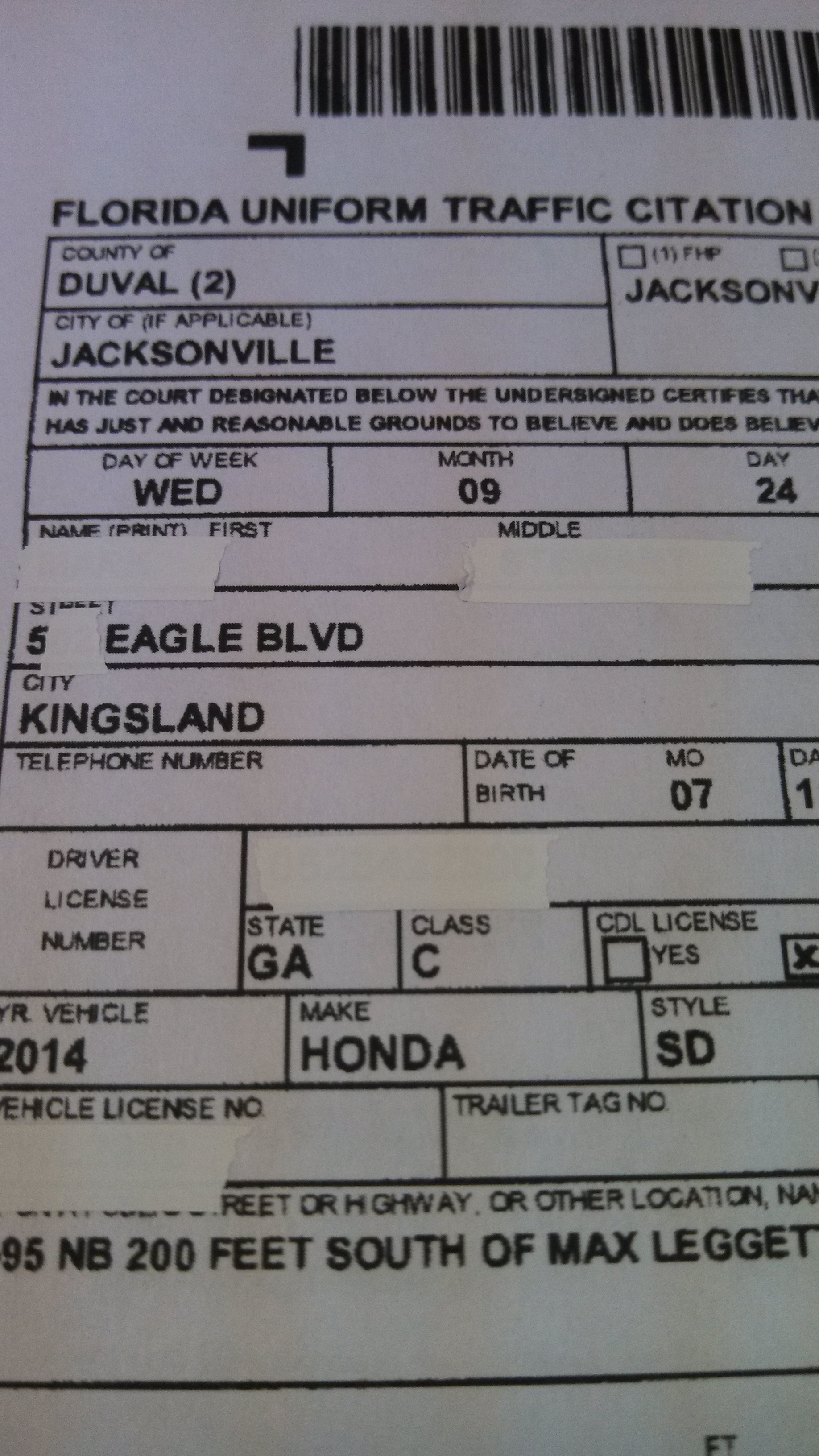
Florida uses a standardized form for most traffic citations, known as the Uniform Traffic Citation. While there might be minor variations in layout depending on the issuing agency, the core information and its general placement remain consistent. The ticket is usually a carbon copy, with one part for you, one for the officer, and one for the court. Your copy is typically the yellow or white one.
Key sections on the ticket include:
- Your personal information (name, address, driver’s license number).
- Vehicle information (make, model, license plate).
- The officer’s information (name, badge number, agency).
- Details of the violation (statute violated, description of offense, date, time, location).
- Court information (county, due date, contact details).
- Instructions on how to respond.
And prominently displayed among these details is the citation number.
Pinpointing the Number: Common Locations
The citation number is typically a multi-digit alphanumeric code. On a standard Florida Uniform Traffic Citation, you will most frequently find it in one of these locations:
- Top Right Corner: This is the most common placement. Look for a bold, often larger font number in the upper right-hand section of the ticket. It might be preceded by “Citation No.”, “Ticket No.”, or simply stand alone.
- Bottom Left Corner: In some instances, it might be located near the bottom left, particularly if the top right is used for other administrative codes.
- Near Barcodes: Many tickets now feature a barcode for digital processing. The citation number is often printed directly above or below this barcode.
Regardless of its exact position, the citation number is usually printed clearly and stands out from other textual information due to its unique format and importance. It’s crucial to distinguish it from the case number that courts assign after a ticket has been filed; the citation number is what’s on the physical ticket you receive from the officer.
What If It’s Missing or Illegible?
While rare, it’s possible that the citation number is missing, smudged, or illegible on your copy of the ticket. If this happens, don’t panic, but act quickly.
- Check Other Copies (if applicable): If you received multiple copies (e.g., from a red light camera violation), check if the number is clearer on another sheet.
- Contact the Issuing Agency: Your best course of action is to contact the law enforcement agency that issued the ticket (e.g., local police, sheriff’s office, Florida Highway Patrol). Provide them with as much information as you have – your name, date of birth, date of the violation, and location – and they should be able to look up the citation number for you.
- Contact the Clerk of Court: If you know the county where the ticket was issued, you can also try contacting the appropriate Florida Clerks of Court. They can often help you locate your citation using your driver’s license number or other identifying details. Be prepared for potential delays and ensure you contact the correct county, as Florida has 67 counties, each with its own Clerk of Court.
Why the Citation Number Matters: Navigating the Florida System
The citation number is more than just a sequence of digits; it is your passport to engaging with the Florida legal and administrative system regarding your traffic infraction. Without it, you effectively cannot proceed with any resolution.
The Gateway to Online Payments and Information
In today’s digital age, most Florida counties offer online portals for paying traffic fines and accessing case information. These systems are incredibly convenient, saving you trips to the courthouse in Tallahassee or St. Petersburg. However, virtually all of these online platforms require you to input the exact citation number to pull up your case. Without it, you’ll be unable to find your ticket details, check your payment status, or understand your options, making it impossible to resolve the issue remotely. This is especially vital for visitors who may have left the state and need to handle their affairs from a distance.
Communicating with Florida Courts
Should you need to contact the Clerk of Court in the county where your ticket was issued – whether to ask questions, request an extension, or inquire about traffic school options – the first piece of information they will ask for is your citation number. It allows them to quickly access your file and provide accurate, personalized assistance. Without it, you’ll likely face frustrating delays as they attempt to locate your record using less efficient methods, if at all. This holds true for phone calls, in-person visits, or even written correspondence.
Essential for Legal Counsel
If you decide to contest your ticket or believe you need legal representation, your attorney will also require the citation number. This number allows them to officially access your case details, file necessary paperwork, and properly represent you in court. Providing it to your lawyer promptly will streamline the process and allow them to begin building your defense without unnecessary delays. For those serious about challenging a ticket, especially one that carries significant penalties, the citation number is the foundational piece of information.
Practical Steps After Receiving a Florida Ticket
Once you have located your citation number, you’re well-equipped to take the necessary steps to resolve your traffic ticket and minimize its impact on your Florida lifestyle.
Verify and Understand Your Citation
Before taking any action, carefully review your ticket.
- Check all details: Ensure your name, vehicle information, and the alleged violation details are accurate. Errors can sometimes be grounds for dismissal, though this is rare.
- Note the due date: This is critical. Missing the deadline can lead to additional late fees, points, and even license suspension.
- Identify the issuing county: This tells you which Clerk of Court handles your specific ticket.
Understanding the information on your ticket allows you to make an informed decision about how to proceed, aligning with your personal circumstances and desired outcome.
Options for Resolution: Pay, Elect Traffic School, or Contest
With your citation number in hand, you generally have three main options for addressing a Florida traffic ticket:
- Pay the Fine: This is the simplest and most common resolution, especially for minor infractions. You can typically pay online, by mail, or in person at the Clerk of Court’s office. Paying the fine usually means admitting guilt, and for moving violations, points will be assessed against your driver’s license.
- Elect Traffic School: For many moving violations, Florida allows you to elect to attend an approved driver improvement course (traffic school) instead of having points assessed to your license. While you still pay the fine and a course fee, completing traffic school can prevent insurance rate increases and license suspension due to point accumulation. This option is usually available only if you haven’t elected traffic school within the past 12 months and for a limited number of times over your lifetime.
- Contest the Ticket: If you believe you are not guilty or that the officer made an error, you have the right to contest the ticket in court. This involves appearing before a judge and presenting your case, possibly with the aid of an attorney. Contesting a ticket can be time-consuming and there’s no guarantee of a favorable outcome, but it can be the best option if the stakes are high, such as for very expensive fines or violations that carry many points.
Each option has different implications for your driving record, finances, and time investment, so choose wisely based on your situation.

Avoiding Future Citations for a Smoother Florida Lifestyle
Ultimately, the best way to deal with a traffic ticket is to avoid getting one in the first place. For both residents and visitors, adopting responsible driving habits is key to maintaining a stress-free Florida lifestyle.
- Observe Speed Limits: Always be mindful of posted speed limits, which can vary significantly between highways, residential areas, and school zones.
- Understand Local Laws: Familiarize yourself with Florida’s specific traffic laws, especially regarding things like U-turns, right-on-red, and cell phone use while driving.
- Pay Attention to Parking Signs: In popular tourist destinations and busy cities, parking regulations are strictly enforced. Always read signs carefully to avoid parking tickets.
- Maintain Your Vehicle: Ensure your vehicle’s registration is current, and all lights and safety equipment are in working order to avoid equipment violations.
By being proactive and informed, you can enjoy all that Florida has to offer without the unwelcome disruption of a traffic ticket. Should you receive one, however, knowing exactly “Where Is The Citation Number On A Ticket In Florida?” is the first crucial step toward a swift and effective resolution, allowing you to return to enjoying the Sunshine State lifestyle without unnecessary stress.
LifeOutOfTheBox is a participant in the Amazon Services LLC Associates Program, an affiliate advertising program designed to provide a means for sites to earn advertising fees by advertising and linking to Amazon.com. Amazon, the Amazon logo, AmazonSupply, and the AmazonSupply logo are trademarks of Amazon.com, Inc. or its affiliates. As an Amazon Associate we earn affiliate commissions from qualifying purchases.