
California, a state synonymous with diverse landscapes, iconic landmarks, and a vibrant cultural tapestry, holds a deep reverence for its natural heritage. From towering redwood forests to sun-kissed beaches, the Golden State’s natural wonders are a magnet for travelers worldwide. Among these treasures is an official symbol that embodies the spirit of California’s high-altitude wilderness: its state fish. For those planning a trip focused on understanding local culture, engaging in unique activities, and appreciating natural beauty, discovering this emblem offers a richer, more profound connection to the state. The California state fish is the magnificent Golden Trout (Oncorhynchus mykiss aguabonita), a species revered not only for its striking beauty but also for its resilience and status as a beacon of pristine mountain ecosystems. Understanding the Golden Trout unveils a crucial aspect of California’s identity, offering unique tourism opportunities ranging from wilderness angling to educational visits, and highlighting the state’s commitment to conservation.

The Golden Trout: A Living Emblem of California’s Wilderness
Designated as the official state fish in 1947, the Golden Trout is far more than just a biological specimen; it is a living symbol of California’s pristine high-country wilderness, particularly the majestic Sierra Nevada mountains. Its story is intertwined with the state’s natural history and the adventurous spirit of those who seek out its remote habitats.
Origins and Identification
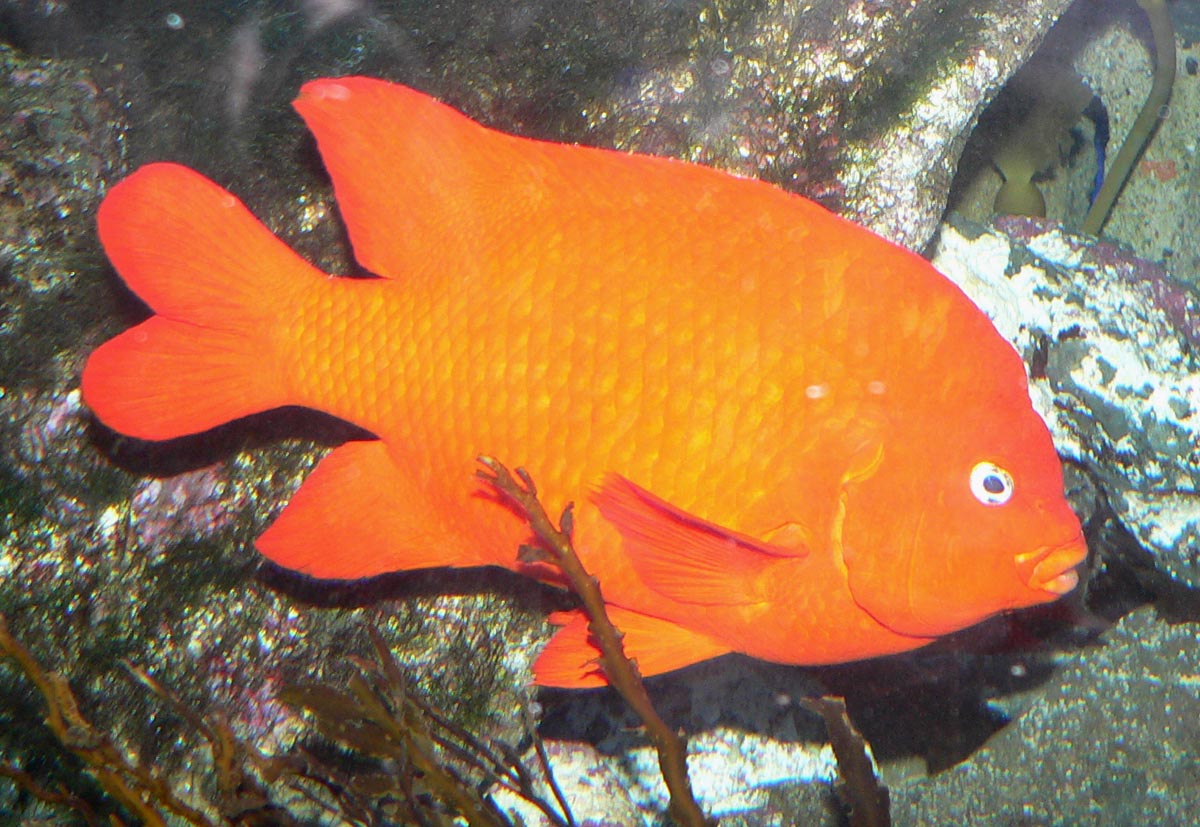
The Golden Trout is a subspecies of rainbow trout, believed to be the most beautiful trout in the world by many who have witnessed its vibrant hues. Native exclusively to the headwaters of the Kern River and its tributaries in the southern Sierra Nevada, its isolation in these high-elevation streams allowed it to evolve distinct characteristics. Its most notable feature is its striking coloration: brilliant golden-yellow flanks, often deepening to an orange or red on the belly, contrasted with a prominent horizontal red band along its side, and distinct parr marks (dark vertical bars) that often persist into adulthood. The dorsal fin is typically tipped with white or orange, adding to its regal appearance.
These fish thrive in the cold, clear, oxygen-rich waters of alpine lakes and streams, typically at elevations above 10,000 feet. Their survival in such harsh environments speaks volumes about their adaptability and the untouched quality of their native habitats. For tourists, encountering a Golden Trout in its natural setting is a rare and awe-inspiring experience, requiring a journey into some of the most breathtaking, yet challenging, landscapes California has to offer.
Ecological Significance
Beyond its aesthetic appeal, the Golden Trout plays a crucial role in the delicate ecosystems of the Sierra Nevada. As an indicator species, its health and population status often reflect the overall health of its aquatic environment. These fish are highly sensitive to changes in water quality, temperature, and habitat integrity. Their presence signifies a healthy, undisturbed alpine environment, making them a focal point for conservation efforts by organizations such as the California Department of Fish and Wildlife and the National Park Service.
For eco-conscious tourists, understanding the Golden Trout’s ecological significance adds depth to their wilderness exploration. It transforms a simple fishing trip or hike into an immersive lesson in environmental stewardship and the interconnectedness of high-mountain life.
Cultural and Historical Context
The Golden Trout’s designation as the state fish in 1947 was a testament to California’s growing awareness and pride in its unique natural resources. Its selection over other prominent fish species reflected a desire to highlight a species endemic to the state, symbolizing its pristine, wild character. The fish had already captivated anglers and naturalists for decades, becoming a coveted prize for those adventurous enough to venture into its remote territories.
This historical context is vital for tourists seeking to delve into California’s local culture. The Golden Trout represents an enduring commitment to wilderness preservation and an appreciation for the intrinsic value of native species. Its story is part of the larger narrative of California’s pioneering spirit and its ongoing efforts to balance human enjoyment with ecological responsibility.
Experiencing the Golden Trout in California Tourism
For tourists eager to connect with California’s natural heritage, the Golden Trout offers several avenues for engaging experiences, blending adventure with education and respect for nature.
Angling Adventures
One of the most profound ways to experience the Golden Trout is through catch-and-release fishing in its native high-elevation streams and lakes. This is a unique activity that draws experienced anglers and adventurous outdoor enthusiasts to some of California’s most spectacular and least-trekked wilderness areas. The primary destination for this activity is the Golden Trout Wilderness, located within the Inyo and Sequoia National Forests in the southern Sierra Nevada. Accessing these areas often involves multi-day backpacking trips, guided pack trips, or even horseback expeditions, making the journey as rewarding as the destination.
Anglers typically use light tackle, flies, or small lures, practicing strict catch-and-release protocols to ensure the species’ survival. A California fishing license is mandatory, and adherence to specific regulations, including seasonal closures and bag limits (if any), is critical for responsible tourism. This activity offers an unparalleled opportunity to immerse oneself in the silent grandeur of the Sierra Nevada, fostering a deep appreciation for the remote beauty and delicate balance of these ecosystems.
Educational Opportunities at Aquariums and Centers
For those who prefer a less strenuous encounter or wish to learn more about the Golden Trout before venturing into the wilderness, several educational institutions across California offer insights into the species. While live Golden Trout are rare in public aquariums due to their specific habitat needs, leading institutions often feature exhibits on California’s native fish, freshwater ecosystems, and conservation efforts.
The California Academy of Sciences in San Francisco and the Monterey Bay Aquarium are prime examples of places where visitors can gain a comprehensive understanding of California’s aquatic biodiversity. While they might focus more broadly on aquatic life, their commitment to education about native species and conservation often includes detailed information about high-Sierra ecosystems and the challenges faced by species like the Golden Trout. Additionally, visitor centers within the Sierra Nevada national parks, such as those in Sequoia National Park or Yosemite National Park, often feature displays on local flora and fauna, including the renowned Golden Trout, educating tourists about its significance and the need for its protection.
Conservation and Sustainable Tourism for the Golden Trout
The allure of the Golden Trout is undeniable, but its existence is fragile. As a symbol of California’s natural wilderness, its future depends heavily on responsible tourism and robust conservation strategies.
The Importance of Preservation
The Golden Trout faces several threats, primarily from the introduction of non-native trout species (such as rainbow trout and brown trout) which compete for food and habitat, and in some cases, hybridize with native populations. Habitat degradation due to past grazing practices, climate change impacts on water temperature and flow, and increased human presence in remote areas also pose significant challenges. Organizations like the California Department of Fish and Wildlife and various conservation groups are actively involved in programs to restore native populations, remove non-native fish, and protect critical habitats. These efforts ensure the long-term survival of this iconic species.
How Tourists Can Contribute
Tourists play a vital role in the preservation of the Golden Trout and its habitat. Responsible tourism practices are paramount. This includes:
- Adhering to Regulations: Always obtain a valid California fishing license and meticulously follow all fishing regulations, including catch-and-release rules in designated areas.
- Leave No Trace Principles: Practice “Leave No Trace” ethics in the wilderness, packing out all trash, minimizing impact on trails and campsites, and respecting wildlife.
- Support Conservation: Consider donating to organizations dedicated to Golden Trout research and conservation.
- Educate Yourself and Others: Learn about the species and its habitat, and share this knowledge responsibly to foster a broader appreciation for its protection.
By engaging in sustainable tourism, visitors not only minimize their impact but also contribute positively to the conservation efforts, becoming stewards of California’s precious natural heritage.
Planning Your Golden Trout-Inspired California Trip
An adventure focused on the Golden Trout is an unforgettable experience, but it requires careful planning to ensure safety, enjoyment, and adherence to responsible tourism principles.
Best Times to Visit
The high-elevation habitats of the Golden Trout are typically accessible only during the warmer months, generally from late June or early July through September or early October, depending on snowpack and trail conditions. Snow can persist on high passes well into summer, and early season access might require navigating snowfields. Late summer and early fall often provide the most stable weather and fewer insect nuisances. Always check current conditions and forecasts with the National Park Service or Forest Service offices before planning your trip.
Essential Gear and Preparations
A trip to the Golden Trout’s domain is a wilderness expedition. Essential gear includes:
- Proper hiking and camping equipment: Durable hiking boots, layered clothing, a sturdy tent, sleeping bag, and cooking supplies are crucial.
- Navigation tools: Maps, a compass, and a GPS device are indispensable for backcountry travel.
- Fishing gear: Light fly-fishing or spin-fishing tackle with appropriate flies or lures, and a net for careful catch-and-release.
- Safety items: A first-aid kit, water filter, bear canister (where required for food storage), and emergency communication device.
- Permits: Wilderness permits are required for overnight stays in most areas of the Sierra Nevada, and a California fishing license is essential for angling.
Always be prepared for rapidly changing weather conditions, even in summer, and inform someone of your itinerary.

Beyond the Fish: Integrating Other California Attractions
While the Golden Trout might be the focal point, a trip to its habitat naturally integrates with visits to other iconic California natural attractions. The Sierra Nevada is home to several national parks, including Sequoia National Park and Kings Canyon National Park, renowned for their giant sequoia groves and dramatic canyon landscapes, and Yosemite National Park further north. Combining a high-country backpacking trip with visits to these accessible park areas allows tourists to experience the full spectrum of California’s majestic mountain environment. Engaging with local communities near these parks can also provide insights into the region’s culture, food, and history, enriching the overall tourism experience.
The Golden Trout truly represents the wild heart of California. For tourists, it offers not just a glimpse into the state’s natural beauty but an invitation to participate in its preservation. Whether through the challenge of a wilderness trek, the quiet satisfaction of catch-and-release fishing, or simply learning about its vital role in the ecosystem, the Golden Trout enriches any visit to the Golden State, forging a deeper connection with its unique local culture and breathtaking natural wonders.
LifeOutOfTheBox is a participant in the Amazon Services LLC Associates Program, an affiliate advertising program designed to provide a means for sites to earn advertising fees by advertising and linking to Amazon.com. Amazon, the Amazon logo, AmazonSupply, and the AmazonSupply logo are trademarks of Amazon.com, Inc. or its affiliates. As an Amazon Associate we earn affiliate commissions from qualifying purchases.