
The Colorado River, an iconic natural landmark of the North American continent, is a magnificent testament to the power of water and time. Its vast basin stretches across seven U.S. states and two Mexican states, influencing the geography, ecology, and history of a significant portion of the arid American Southwest. Understanding its location is not merely a matter of pinpointing coordinates on a map; it’s about appreciating a dynamic system that has carved some of the world’s most breathtaking landscapes and sustained diverse civilizations for millennia. From its icy headwaters high in the Rocky Mountains to its historical delta reaching the Gulf of California, the Colorado River defines a region, shapes ecosystems, and stands as a monumental natural wonder.
The Majestic Journey: Tracing the Colorado River’s Path
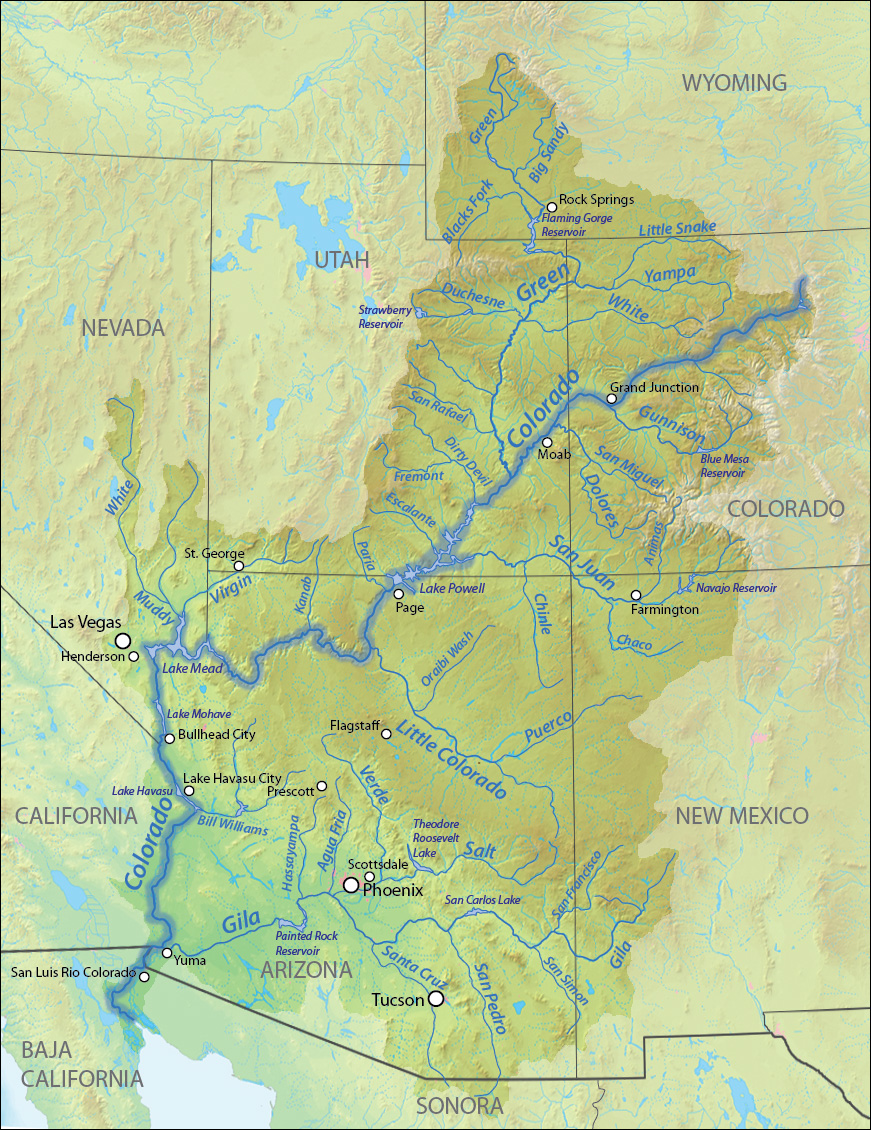
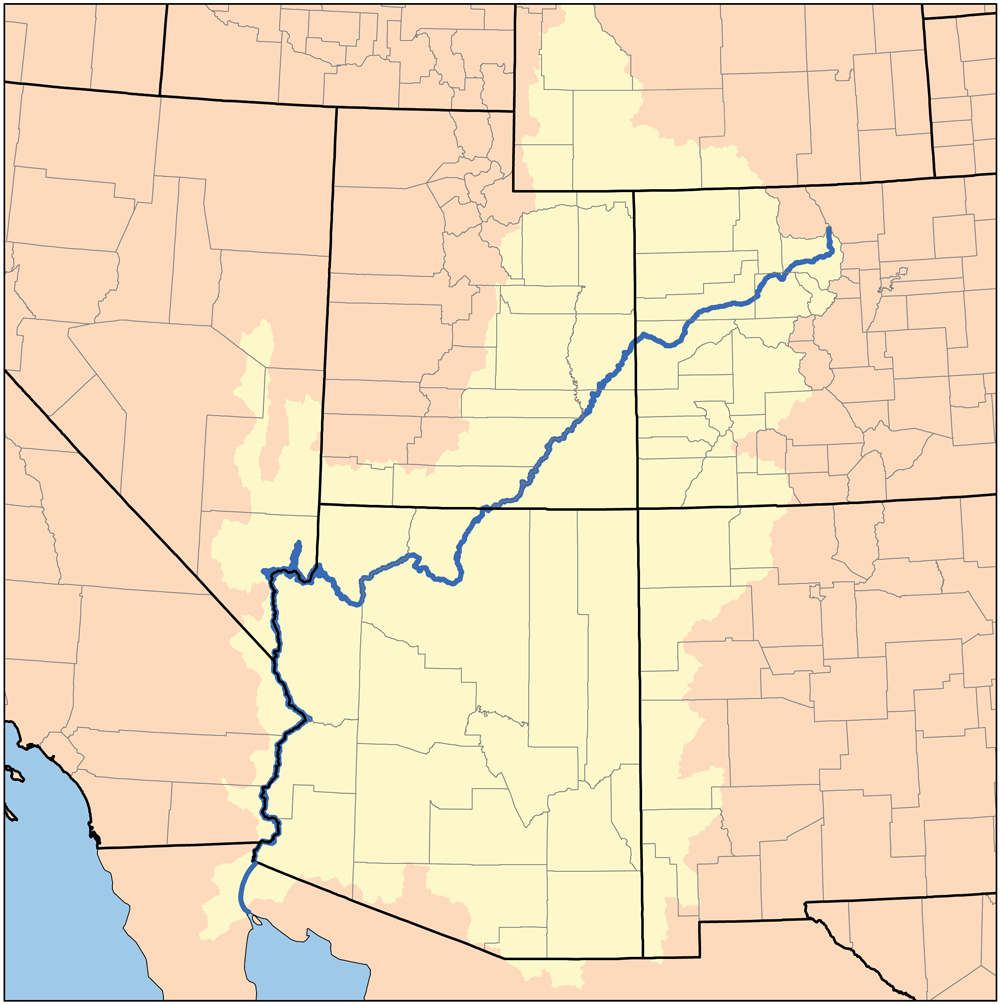
The Colorado River embarks on an extraordinary journey spanning approximately 1,450 miles (2,330 kilometers), making it one of the longest rivers in North America. Its course is a grand narrative of geological forces, starting in alpine wilderness and culminating in desert plains. This extensive pathway showcases an incredible diversity of landscapes, from towering peaks and verdant valleys to vast plateaus and deep canyons, each section bearing the indelible mark of the river’s ceaseless flow.
Headwaters in the Rocky Mountains
The genesis of the Colorado River lies high in the snow-capped peaks of the Rocky Mountains in Colorado. Specifically, its primary source is generally traced to La Poudre Pass at an elevation of over 10,000 feet (3,000 meters) within Rocky Mountain National Park. Here, snowmelt and small alpine streams converge, forming the nascent river. Initially, it flows southwesterly through the western slopes of Colorado, gaining volume from numerous tributaries. Early on, the river carves through picturesque canyons and valleys, including the Gore Canyon, before entering flatter, broader terrain in western Colorado. It then briefly crosses into Utah, cutting through the Canyonlands National Park and creating an iconic landscape of mesas and buttes, before returning to its more prominent southwesterly trajectory.
Traversing the American Southwest
As the Colorado River leaves Utah and enters Arizona, it begins its most famous and dramatic chapter: the carving of the Grand Canyon. For over 277 miles (446 kilometers), the river descends more than a mile deep into the Earth’s crust, exposing billions of years of geological history. This section is perhaps the most globally recognized testament to the river’s erosional power, a landmark of unparalleled scale and beauty. Beyond the Grand Canyon, the Colorado River forms the border between Arizona and Nevada, where it is famously impounded by the Hoover Dam, creating Lake Mead, the largest reservoir in the United States by volume. Further downstream, it forms the border between Arizona and California, passing through the Mojave Desert and contributing to the formation of other vital reservoirs such as Lake Havasu.
An International Border and Delta
After its long journey through the United States, the Colorado River crosses the international border into Mexico, flowing through the states of Baja California and Sonora. Historically, the river spread out into a vast and fertile delta, a rich wetland ecosystem covering approximately 3,000 square miles (7,700 square kilometers) before emptying into the Gulf of California, also known as the Sea of Cortez. This delta was once a thriving habitat for migratory birds, fish, and other wildlife. However, due to extensive water diversions upstream, the river rarely reaches the Gulf of California with a significant flow today, leading to a dramatic transformation of this once verdant landmark.
A Lifeline in the Arid West: Ecological and Hydrological Significance
Beyond its geographical expanse, the Colorado River is a landmark of immense ecological and hydrological significance. It is a vital artery, supplying water to millions and nurturing unique ecosystems in one of the world’s most arid regions. The river’s influence extends far beyond its banks, shaping the very character of the Southwest as we know it.
Shaping the Landscape
The most striking testament to the Colorado River’s power is its role in sculpting the landscape. For millions of years, the river has relentlessly eroded rock, carving out canyons, mesas, and intricate geological formations. The Grand Canyon stands as the quintessential example, but it is not alone. The river has also created other impressive canyons, such as Glen Canyon, now largely submerged by Lake Powell, and numerous smaller gorges and rapids throughout its course. These formations are not just visually spectacular; they offer unparalleled geological cross-sections, providing scientists with insights into Earth’s ancient past. The distinctive red hues of the Southwest landscape are largely a product of the river’s interactions with iron-rich sandstone and other sedimentary rocks, making the river itself an artist of the natural world.
Biodiversity and Ecosystems
Despite the harsh desert environment, the Colorado River supports a surprising array of biodiversity. Its waters and riparian zones create vital corridors of life in an otherwise barren landscape. Unique fish species, many of them endangered, are endemic to the river system, adapted to its fluctuating flows and sediment-rich waters. The riparian areas along the river’s banks provide crucial habitat for migratory birds, amphibians, and mammals, acting as verdant oases. The historical delta, though greatly diminished, was once a world-renowned bird sanctuary, a critical stopover for millions of migratory birds on the Pacific Flyway. Even today, efforts are underway to restore portions of the delta to revive these essential ecosystems. The river’s ecological value is intrinsic to its status as a natural landmark, representing a fragile balance of life in an extreme environment.
Water Resources and Human Dependence
From a hydrological perspective, the Colorado River is often referred to as the “lifeline of the Southwest.” Its waters sustain millions of people, support vast agricultural regions, and generate hydroelectric power. While the detailed management of its water is outside the scope of ‘Landmarks,’ its role as a fundamental source of water is undeniably part of its identity as a natural feature. The existence of major urban centers like Las Vegas, Los Angeles, Phoenix, and San Diego is intrinsically linked to the river’s flow. Its water allows deserts to bloom with crops, providing food for the nation. This immense hydrological importance underscores the river’s irreplaceable value as a natural landmark, a crucial component of regional and national infrastructure forged by nature.
Historical Echoes: The Colorado River’s Legacy
The Colorado River is not just a geological wonder; it is a profound historical landmark, its banks steeped in the stories of human endeavor and survival. For millennia, indigenous peoples have lived along its course, followed by European explorers and American pioneers, each leaving their mark on this powerful waterway.
Indigenous Heritage
Long before European arrival, numerous Native American tribes thrived along the Colorado River and its tributaries. Tribes such as the Hopi, Navajo, Ute, Paiute, Mojave, and Quechan developed rich cultures, intricate irrigation systems, and deep spiritual connections to the river. They viewed the river not merely as a resource but as a sacred entity, central to their cosmology and way of life. Evidence of their ancient settlements, cliff dwellings, and petroglyphs can still be found along the river’s course, particularly in areas like the Grand Canyon and Canyonlands. The river’s flow dictated their movements, their agriculture, and their spiritual practices, making it an integral part of their heritage and history.
Exploration and Settlement
European exploration of the Colorado River began in the 16th century with Spanish expeditions, notably by Francisco Vázquez de Coronado in 1540, though he did not fully explore its depths. Later, American trappers and explorers ventured into the region in the 19th century. The most famous early American exploration was led by Major John Wesley Powell in 1869, who, with a one-armed veteran crew, navigated the uncharted river through the Grand Canyon. His detailed journals and maps provided the first comprehensive understanding of the river’s geography and geological wonders, opening the door for future settlement and resource development. The challenges faced by these early explorers highlight the raw, untamed power of the river, defining it as a formidable natural landmark that demanded respect and resilience.
Iconic Landmarks Forged by the River
The Colorado River is not merely a landmark itself; it is a master sculptor, responsible for creating an impressive array of other world-renowned natural and even man-made landmarks along its course. These formations stand as testaments to its enduring influence.
The Grand Canyon
Undoubtedly the most famous landmark carved by the Colorado River, the Grand Canyon in Arizona is an immense chasm, approximately 277 miles (446 km) long, up to 18 miles (29 km) wide, and over a mile (1.8 km) deep. Its vast scale, intricate and colorful rock layers, and dramatic vistas make it one of the most compelling natural wonders on Earth. The river continues to erode the canyon, deepening it over geological time, making it a living, evolving landmark that continually reveals new aspects of Earth’s history. The Grand Canyon is a premier example of erosional forces at work, showcasing how a single river can leave such an immense and lasting mark on the planet’s surface.
Other Geological Marvels and Engineered Wonders
Beyond the Grand Canyon, the Colorado River has shaped numerous other geological marvels. Glen Canyon, though largely submerged by Lake Powell following the construction of Glen Canyon Dam, was once a canyon of breathtaking beauty, often compared to the Grand Canyon in its intricate formations and stunning sandstone walls. Lake Powell itself, an immense man-made reservoir, is now a prominent feature, its blue waters winding through red rock canyons, creating a unique landscape that draws millions. Further downstream, the Hoover Dam and the subsequent formation of Lake Mead represent an incredible feat of engineering that harnessed the river’s power. While man-made, these structures have become iconic landmarks intrinsically linked to the river, demonstrating humanity’s profound impact on and interaction with this natural wonder. These engineered landmarks are a testament to the river’s power and the human desire to control and utilize its vital resources.
Modern Challenges and Preservation Efforts
As a preeminent natural landmark, the Colorado River faces significant modern challenges, primarily related to over-allocation of its water and the impacts of climate change. Its status as a critical resource and a geological masterpiece makes its preservation a global concern.
Environmental Pressures
The most pressing environmental challenge facing the Colorado River is the severe reduction in its flow, particularly in its lower reaches and delta. Decades of heavy water diversion for agriculture, urban use, and energy production have left the river significantly diminished, especially when it reaches Mexico. This has led to the degradation of unique riparian ecosystems, loss of biodiversity, and a profound alteration of the river’s natural hydrology. The iconic delta, once a vibrant wetland, is now largely dry, a stark reminder of the pressures exerted on this natural system. Drought conditions, exacerbated by climate change, further stress the river, leading to historically low water levels in its major reservoirs like Lake Mead and Lake Powell, fundamentally altering the appearance and function of these landmarks.
The Future of a Natural Wonder
Despite these challenges, concerted efforts are underway to protect and restore the Colorado River. Scientists, conservationists, and policymakers are working to implement more sustainable water management practices, restore critical habitats, and raise awareness about the river’s plight. These efforts aim to ensure that the Colorado River can continue its majestic journey, shaping landscapes and sustaining life for future generations. As a landmark, the Colorado River serves as a powerful symbol of nature’s grandeur and resilience, but also as a testament to the urgent need for responsible stewardship of our planet’s most precious natural wonders. Its future as a vibrant, flowing river is critical not just for the American Southwest, but as a benchmark for how humanity manages its relationship with the natural world.
LifeOutOfTheBox is a participant in the Amazon Services LLC Associates Program, an affiliate advertising program designed to provide a means for sites to earn advertising fees by advertising and linking to Amazon.com. Amazon, the Amazon logo, AmazonSupply, and the AmazonSupply logo are trademarks of Amazon.com, Inc. or its affiliates. As an Amazon Associate we earn affiliate commissions from qualifying purchases.