
California, a land celebrated for its stunning coastlines, vibrant cities, and groundbreaking innovation, is also famously situated atop one of the world’s most seismically active regions. The question “Where is the earthquake in California?” isn’t about a single event but rather a continuous geological narrative. Earthquakes are an inherent part of the Golden State’s dynamic landscape, a consequence of the immense tectonic forces shaping the Pacific Rim. For travelers planning their next adventure, residents seeking peace of mind, or anyone curious about the natural forces at play, understanding California’s seismic reality is key to appreciating its unique allure and ensuring a safe, informed experience.
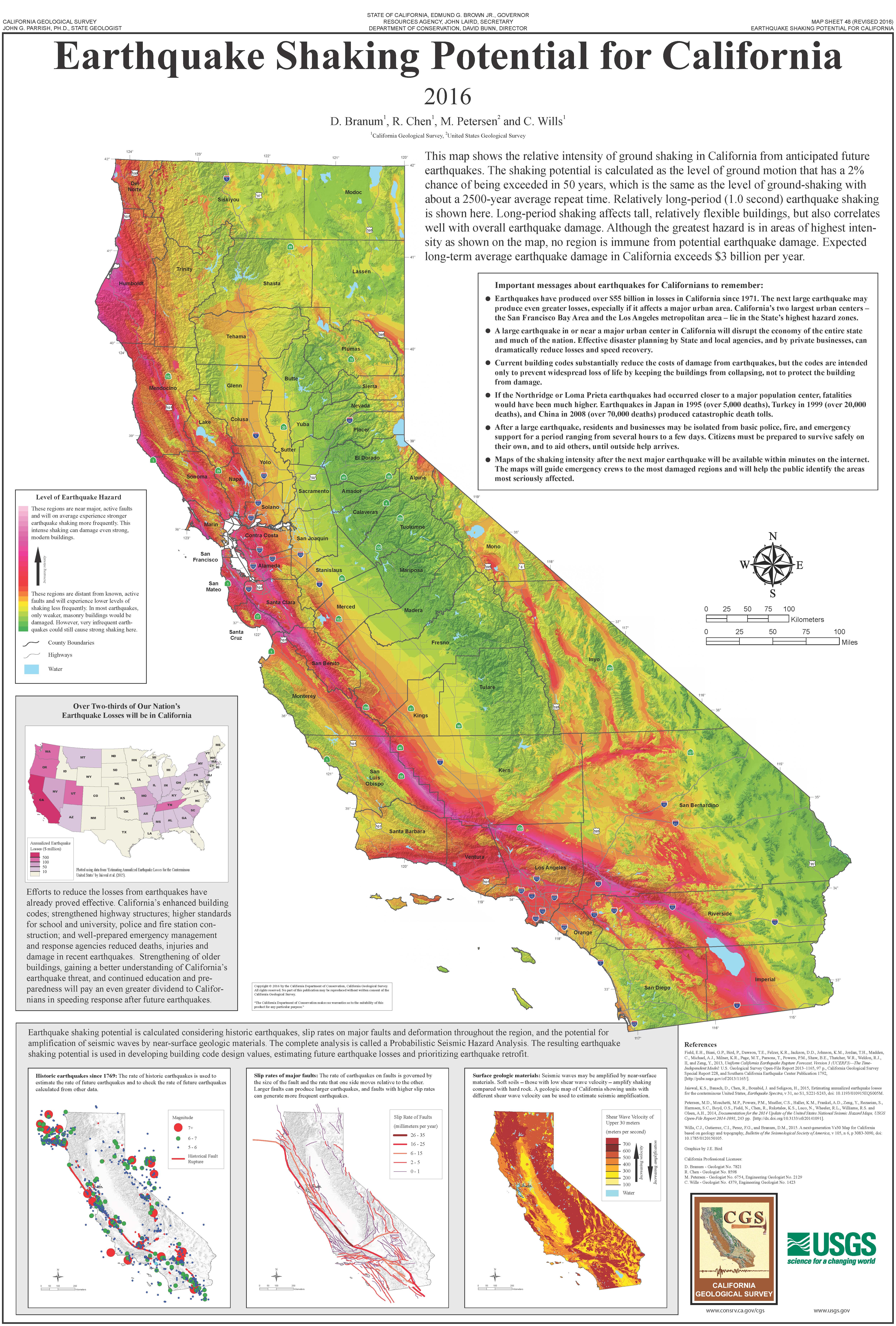
While the thought of an earthquake might seem daunting, California has spent decades investing in world-class infrastructure, stringent building codes, and comprehensive emergency preparedness. This has created a resilient environment where tourism thrives, and iconic landmarks stand strong. From the bustling streets of Los Angeles to the historic charm of San Francisco, the state’s diverse destinations remain incredibly popular, offering everything from luxury travel experiences to budget-friendly family trips. This article delves into the geology of California’s earthquakes, recounts significant historical events, and most importantly, provides practical advice for understanding, preparing for, and safely enjoying all that this incredible state has to offer.
Understanding California’s Seismic Landscape
To comprehend where earthquakes occur in California, one must first grasp the fundamental geological forces at play. The state’s position is unique, making it one of the most studied and understood seismic zones on Earth.
The Ring of Fire and Tectonic Plates
California is an integral part of the Pacific Ring of Fire, a horseshoe-shaped belt around the Pacific Ocean known for its high frequency of earthquakes and volcanic eruptions. This global phenomenon is a direct result of the movement and collision of several major tectonic plates. In California’s case, the primary interaction occurs between the Pacific Plate and the North American Plate.
Unlike many subduction zones within the Ring of Fire (where one plate slides beneath another, leading to massive quakes and volcanoes, as seen in Japan, Chile, or Indonesia), the boundary along California is primarily a transform fault. This means the two massive plates are grinding past each other horizontally. This lateral motion, occurring at a rate of a few centimeters per year (roughly the speed your fingernails grow), creates immense friction and stress within the Earth’s crust. When this accumulated stress finally overcomes the friction holding the rocks together, the plates slip suddenly, releasing energy in the form of seismic waves – an earthquake.
Major Fault Lines: The San Andreas and Beyond
The most famous and significant geological feature defining California’s seismic activity is the San Andreas Fault. This colossal right-lateral strike-slip fault system stretches approximately 800 miles (1,300 kilometers) through California, acting as the primary boundary between the Pacific Plate to the west and the North American Plate to the east. It runs from the Salton Sea in Southern California, through the Carrizo Plain and Parkfield (one of the most heavily instrumented places on Earth for earthquake monitoring), and continues northward towards Cape Mendocino.
However, the San Andreas Fault is not alone. It’s part of a broader, complex system of interconnected faults that crisscross the state, particularly in heavily populated areas. Other significant faults include:
- Hayward Fault: Located in the San Francisco Bay Area, this fault runs directly through densely populated cities like Oakland, Berkeley, and Fremont. It’s considered one of the most hazardous urban fault lines in the United States.
- San Jacinto Fault: A major branch of the San Andreas Fault in Southern California, it’s highly active and runs through several population centers.
- Garlock Fault: An unusual left-lateral strike-slip fault that runs perpendicular to the San Andreas Fault across the Mojave Desert.
- Puente Hills Thrust Fault: A “blind thrust fault” beneath the Los Angeles Basin, meaning it doesn’t break the surface, but can produce significant shaking, as it did in the 1987 Whittier Narrows earthquake.
Earthquakes in California are not confined to a single “where.” They can occur anywhere along these active fault systems, from the remote deserts to the bustling urban cores. Smaller earthquakes (magnitudes 3.0-4.0) are a daily occurrence, rarely felt or causing damage, serving as a constant reminder of the state’s tectonic restlessness. Larger, more significant earthquakes are less frequent but are the focus of much of the state’s preparedness efforts.
A Historical Perspective: Notable Earthquakes and Their Impact
California’s history is punctuated by powerful seismic events that have shaped its development, infrastructure, and resilience. Understanding these past events provides crucial context for present-day preparedness and future planning, particularly for the tourism and accommodation sectors.
Legendary Shakes: From San Francisco to Northridge
Several earthquakes stand out in California’s memory, not just for their magnitude but for their profound impact on human lives and infrastructure:
- The Great San Francisco Earthquake of 1906: One of the most significant natural disasters in U.S. history, this massive earthquake (estimated M7.9) struck on April 18, 1906, along the San Andreas Fault in Northern California. While the shaking was severe, the subsequent fires, fueled by ruptured gas lines and a lack of water due to damaged mains, caused the most widespread destruction in San Francisco. Entire neighborhoods were razed, leading to thousands of deaths and leaving hundreds of thousands homeless. The event fundamentally reshaped urban planning and emergency response in the state.
- The 1989 Loma Prieta Earthquake: Striking on October 17, 1989, just before Game 3 of the World Series in the San Francisco Bay Area, this M6.9 earthquake caused significant damage, particularly in San Francisco and Oakland. It led to the collapse of sections of the Cypress Street Viaduct and damage to the San Francisco-Oakland Bay Bridge. This event served as a wake-up call, accelerating seismic retrofitting programs for bridges, highways, and public buildings across the state.
- The 1994 Northridge Earthquake: A M6.7 earthquake that struck Southern California on January 17, 1994. Although not on the San Andreas Fault, it occurred on a previously unknown blind thrust fault beneath the San Fernando Valley. It caused widespread damage to residential buildings, freeways, and commercial structures, including parking garages and steel-frame buildings. The Northridge Earthquake highlighted vulnerabilities in modern construction practices and spurred significant revisions to building codes, particularly regarding steel-frame structures and soft-story apartments.
Lessons Learned and Building Resilience
Each major earthquake has served as a crucible, forging a more resilient California. The lessons learned have been instrumental in shaping the state’s approach to infrastructure, urban planning, and public safety.

- Enhanced Building Codes: California boasts some of the strictest building codes in the world, constantly updated based on new seismic research and post-earthquake analyses. These codes dictate specific engineering requirements for new constructions, including reinforcement, flexible materials, and base isolation systems, ensuring that hotels, resorts, and commercial buildings are designed to withstand significant shaking.
- Seismic Retrofitting: Extensive programs have been implemented to strengthen existing infrastructure, from iconic landmarks like the Golden Gate Bridge to older residential buildings. The California Earthquake Authority (CEA) and programs like Earthquake Brace + Bolt offer incentives for homeowners to retrofit their properties.
- Advanced Monitoring and Research: Institutions like the United States Geological Survey (USGS) and various universities continuously monitor seismic activity across the state, utilizing vast networks of sensors to detect even the smallest tremors. This data is crucial for understanding fault behavior, assessing risks, and developing early warning systems.
- Public Education and Preparedness: There’s a strong emphasis on educating the public and travelers about earthquake safety, promoting the “Drop, Cover, and Hold On” protocol, and encouraging the assembly of emergency preparedness kits.
The cumulative effect of these efforts is a state that, while undeniably seismically active, is remarkably prepared. This commitment to safety allows California’s tourism industry to thrive, offering confidence to visitors worldwide.
Earthquakes and Travel: Safety for Visitors and Residents
For anyone traveling to or residing in California, understanding earthquake safety is a crucial aspect of responsible travel and living. While the state cannot prevent earthquakes, it has implemented extensive measures to mitigate risks and ensure public safety.
Preparing for Seismic Activity: Before, During, and After
Knowledge and preparation are your best defenses against the potential impact of an earthquake. For travelers, this means a few simple yet effective steps:
- Before Your Trip:
- Research Your Accommodation: When booking hotels, suites, or apartments, especially for long-term stays, consider their age and construction. Newer buildings in California are generally built to higher seismic standards. Many reputable hotel chains, from luxury resorts to budget-friendly options, rigorously adhere to or exceed these codes. Look for establishments that openly discuss their safety features.
- Familiarize Yourself with Evacuation Plans: Upon arrival at your accommodation, take a moment to locate emergency exits and understand the building’s specific earthquake procedures, often detailed in welcome packets or on the back of room doors.
- Pack an Emergency Kit (Optional for short trips, but good for residents): While not essential for every tourist, knowing what constitutes an emergency kit (water, first-aid, flashlight, power bank, whistle) can inform quick purchases if a prolonged stay becomes necessary.
- Download Emergency Apps: Consider downloading apps like MyShake (from UC Berkeley), which can provide early warnings for shaking in some areas.
- During an Earthquake:
- Drop, Cover, and Hold On: This is the universal safety protocol. If indoors, drop to the floor, take cover under a sturdy piece of furniture (like a table or desk), and hold on until the shaking stops. Stay away from windows, hanging objects, and tall furniture.
- If Outdoors: Move to an open area away from buildings, streetlights, and utility wires. Drop, Cover, and Hold On.
- In a Vehicle: Pull over to a clear location, stop, and stay inside with your seatbelt fastened until the shaking stops. Avoid bridges, overpasses, and tunnels.
- After an Earthquake:
- Check for Injuries: Assess yourself and those around you. Administer first aid if safe to do so.
- Check for Hazards: Look for fires, gas leaks, and structural damage. If you smell gas, open windows, leave the building immediately, and report it.
- Evacuate if Necessary: Follow instructions from emergency services or hotel staff. Use stairs, not elevators.
- Stay Informed: Use battery-powered radios or cell phones (if service is available) for official updates. Limit phone use to emergencies to keep lines open.
- Be Patient: Emergency services may be overwhelmed. It might take time for help to reach you.
Choosing Resilient Accommodations and Destinations
When planning your California itinerary, you can travel with confidence knowing that the state’s commitment to safety extends deeply into its hospitality sector.
- Modern Hotels and Resorts: New hotels, particularly in major cities like Los Angeles, San Francisco, and San Diego, are constructed with advanced seismic engineering. Many incorporate flexible foundations, steel reinforcement, and other technologies designed to sway with ground motion rather than resist it rigidly. When choosing accommodation, a quick search for recent construction or renovation details can provide reassurance.
- Consider Location within a City: While earthquakes can occur anywhere, understanding local geology can be helpful. Areas built on bedrock often experience less intense shaking than those built on soft, unconsolidated sediments (like reclaimed land or areas susceptible to liquefaction). Websites for city planning departments or geological surveys can offer general information, but for most travelers, focusing on the building’s integrity is more practical.
- Reputable Chains and Established Properties: Booking with well-known hotel brands often means higher standards of maintenance and emergency planning. These establishments are generally well-versed in guest safety protocols and have trained staff to guide guests during and after an event. Whether you’re seeking luxury travel at a Beverly Hills resort or a comfortable stay at a boutique hotel in Palm Springs, their commitment to safety is often a priority.
From urban high-rises to charming villas in wine country, California’s accommodation options are largely prepared. The emphasis on robust construction and emergency readiness allows visitors to focus on enjoying the state’s unparalleled travel experiences.
Experiencing California Safely: Tourism in a Seismically Active State
Despite its seismic activity, California remains one of the world’s premier travel destinations. Millions flock annually to explore its diverse landscapes, iconic landmarks, and vibrant culture. The state’s dedication to safety ensures that tourism thrives, offering peace of mind to visitors from around the globe.
Iconic Landmarks and Their Structural Integrity
California’s famous places and architectural marvels are not just symbols of human ingenuity; many are also testaments to advanced seismic engineering.
- Golden Gate Bridge (San Francisco): This world-renowned landmark has undergone extensive seismic retrofitting projects since the 1989 Loma Prieta Earthquake. Its design incorporates flexibility, allowing it to withstand significant ground motion. Visiting the bridge, whether driving across, cycling, or walking, is an experience made safer by meticulous engineering.
- Hollywood Sign (Los Angeles): While not a structure people enter, the hillside it sits on is regularly monitored, and the sign itself is maintained for stability, ensuring this symbol of the film industry remains a safe and visible attraction.
- Disneyland Resort (Anaheim): As a major family attraction, Disneyland takes safety incredibly seriously. All structures, from rides to hotels, are built to rigorous California seismic codes, and the park has extensive emergency protocols in place for guests and cast members.
- Santa Monica Pier (Santa Monica): Piers, often built over water on pilings, are subject to careful engineering to withstand both wave action and seismic forces. The Santa Monica Pier and other coastal attractions are routinely inspected and maintained for safety.
- National and State Parks: Yosemite National Park, Death Valley National Park, Big Sur, and Lake Tahoe offer natural wonders where the experience is shaped by the land itself. While you cannot “retrofit” a mountain, park services have emergency plans, maintain roads and trails, and provide guidance for visitors to ensure safety in these vast and beautiful natural environments.
When you visit a landmark or attraction in California, you can generally assume that its operators and the state have invested significantly in its structural integrity and safety protocols, allowing visitors to immerse themselves in the local culture, food, and activities without undue worry.

The Unwavering Spirit of California Tourism
California’s tourism sector is a testament to the state’s resilience. Despite the geological realities, the flow of visitors and the vibrancy of its destinations remain undiminished. This is due to several factors:
- Comprehensive Emergency Preparedness: Beyond individual buildings, cities and counties across California have sophisticated emergency management plans. These plans involve first responders, hospitals, utility companies, and public safety officials, all coordinating to respond effectively to natural disasters, including earthquakes. Organizations like the Federal Emergency Management Agency (FEMA) work closely with state and local agencies.
- Rapid Recovery and Adaptation: When a significant earthquake does occur, California’s infrastructure and communities are designed for rapid assessment, repair, and recovery. The focus is always on quickly restoring essential services and reopening affected areas, minimizing long-term disruption to local economies and lifestyles. This is crucial for businesses that rely on tourism, from hotels and restaurants to tour operators.
- Informed and Prepared Population: Both residents and the tourism industry in California are generally well-informed about earthquake risks and safety measures. This collective awareness fosters a culture of preparedness rather than fear, enabling people to live and travel confidently.
- Diverse Experiences: Whether it’s luxury travel through wine country, a budget travel exploration of San Diego’s beaches, or a family trip to Sacramento’s historic sites, California offers an unparalleled array of experiences. The proactive safety measures ensure that these experiences remain accessible and enjoyable for everyone.
In conclusion, “Where is the earthquake in California?” is a question best answered by looking at the entire state. It’s an active geological zone, but one that has embraced this reality with unparalleled dedication to safety, engineering, and preparedness. For those seeking adventure, relaxation, or cultural immersion, California offers not just breathtaking destinations but also the assurance that every possible measure has been taken to ensure your journey is safe and memorable. By understanding the basics of earthquake preparedness, travelers can confidently explore the Golden State’s magnificent offerings, knowing they are in a place that respects and adapts to the powerful forces of nature.
LifeOutOfTheBox is a participant in the Amazon Services LLC Associates Program, an affiliate advertising program designed to provide a means for sites to earn advertising fees by advertising and linking to Amazon.com. Amazon, the Amazon logo, AmazonSupply, and the AmazonSupply logo are trademarks of Amazon.com, Inc. or its affiliates. As an Amazon Associate we earn affiliate commissions from qualifying purchases.