
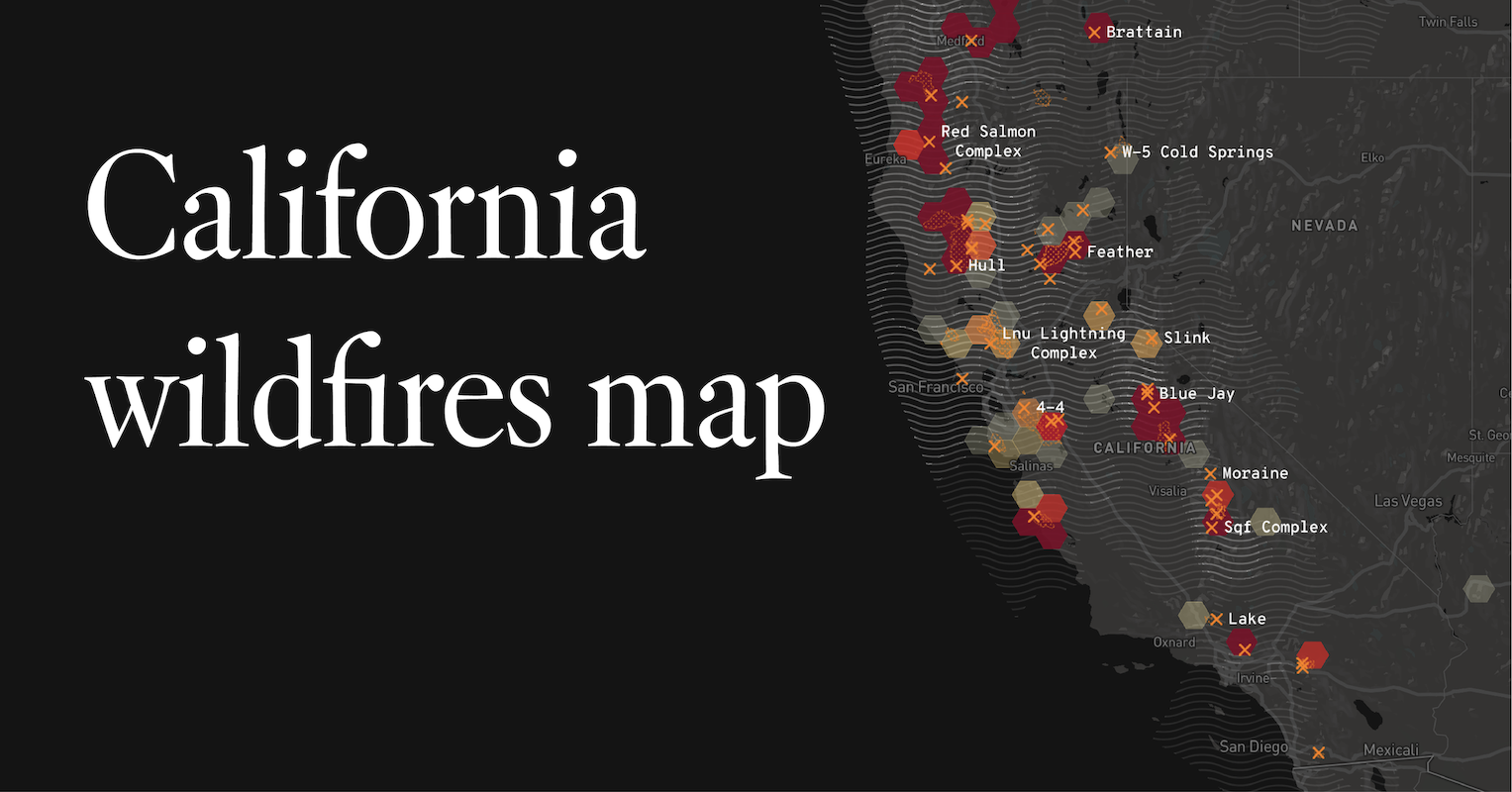
California, a state renowned for its diverse landscapes, iconic landmarks, and vibrant lifestyle offerings, is an eternal magnet for global travelers. From the sun-kissed beaches of Southern California to the majestic forests of the Sierra Nevada, and the bustling urban centers like Los Angeles and San Francisco, the Golden State promises an unparalleled array of experiences. However, for those planning a visit, understanding the seasonal threat of wildfires is an essential component of responsible and safe travel planning. The question “Where is the fire in California right now?” is more than just a matter of current events; it’s a critical inquiry for travelers seeking to ensure their journey remains safe, enjoyable, and free from unforeseen disruptions.
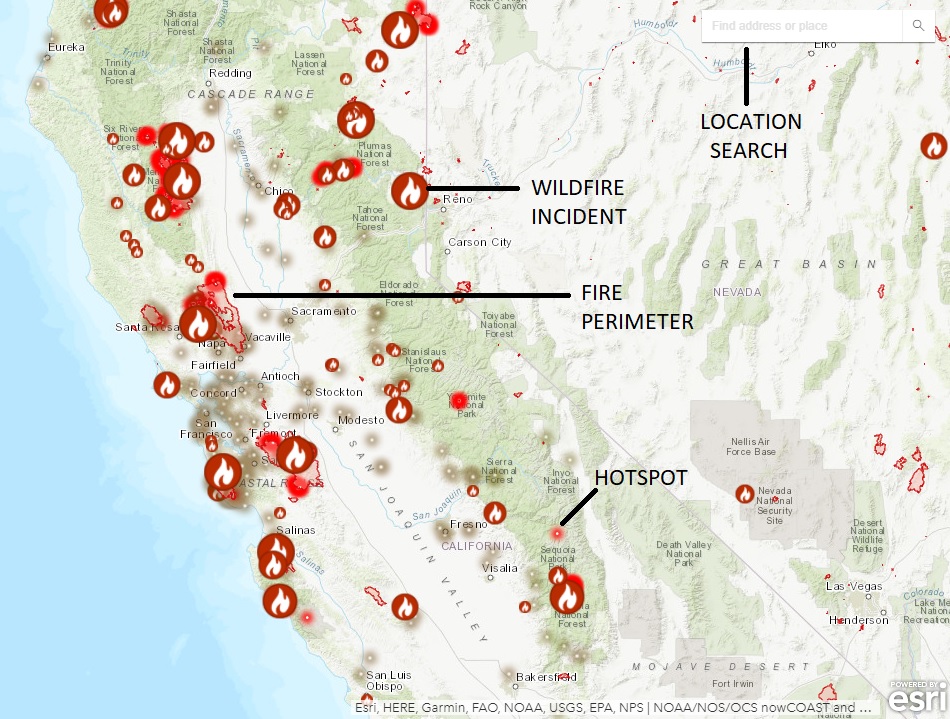
This guide aims to provide a comprehensive overview for travelers navigating California’s wildfire season, transforming concern into informed preparedness. We’ll delve into how to stay updated on current conditions, identify areas that are typically safe, and offer practical advice for planning a resilient California adventure, whether you’re seeking luxury travel, a budget-friendly escape, or a family trip.
Navigating Wildfire Season: Current Status and Traveler Considerations
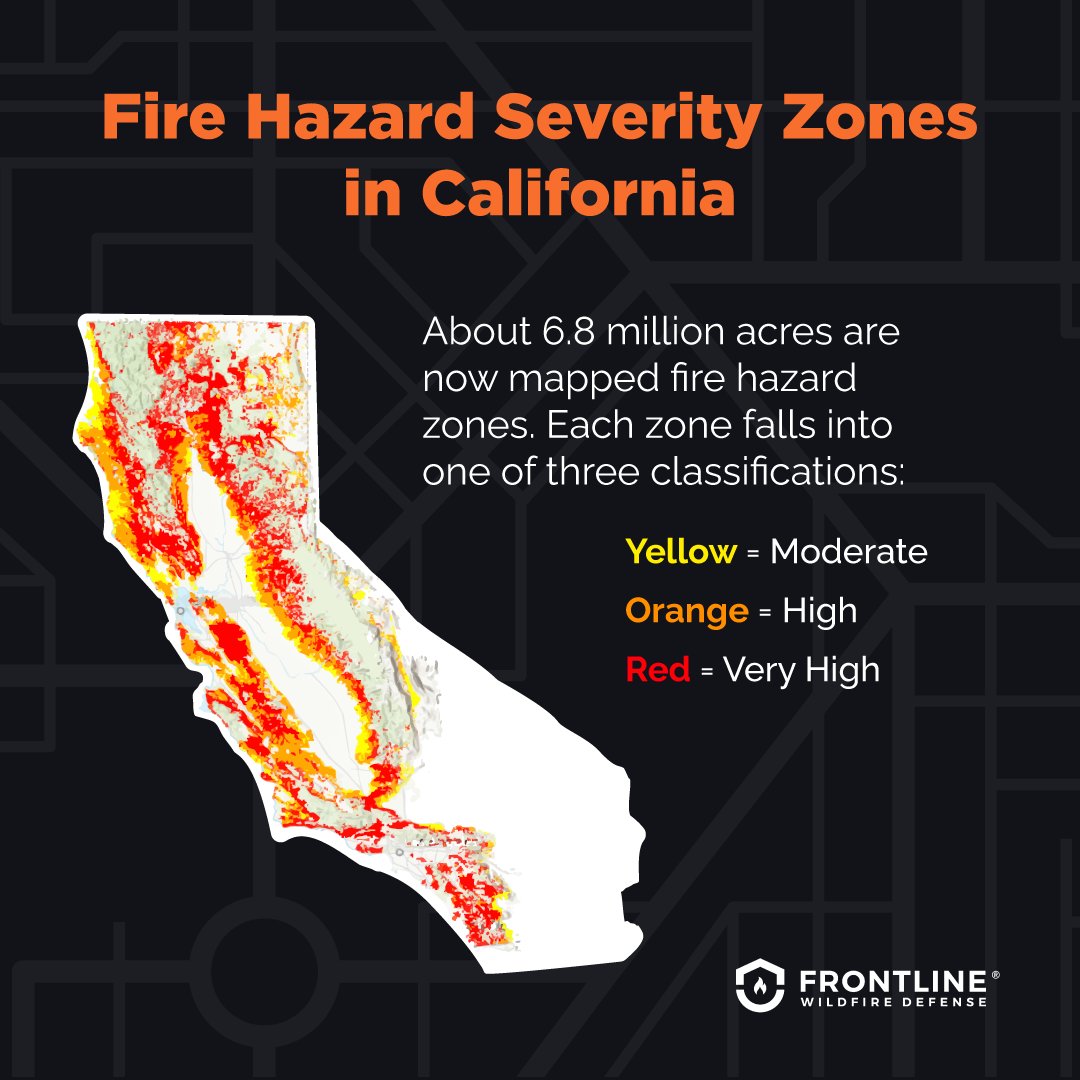
Wildfires are a natural, albeit often devastating, part of California’s ecosystem, particularly during the dry months from late spring through fall. The intensity and location of fires can change rapidly, influenced by weather patterns, drought conditions, and human activity. For travelers, the primary concern isn’t just the direct threat of fire, but also the wider implications on travel routes, air quality, and the accessibility of popular destinations.
Understanding the Landscape of California Wildfires
California’s geography plays a significant role in its wildfire patterns. Densely forested areas, especially in the Sierra Nevada and along the north coast, are susceptible, as are chaparral-covered hillsides in Southern California. While major cities like San Diego, Sacramento, and San Francisco are generally less prone to direct fire impact, they can experience secondary effects such as smoke and poor air quality. National Parks like Yosemite, Sequoia, and Kings Canyon are majestic draws, but their remote and forested nature makes them more vulnerable to fire activity and closures. Similarly, wine country destinations like Napa Valley and Sonoma County have faced significant challenges in recent years, impacting local businesses, hotels, and tourism infrastructure.
Real-Time Information: Your Essential Resources
Staying informed is paramount. Rather than relying on outdated news, travelers should consult official, real-time sources:
- CAL FIRE: The California Department of Forestry and Fire Protection is the primary resource for statewide fire incidents, offering maps and status updates. Their website and social media channels are invaluable.
- InciWeb: For fires on federal lands, including most National Parks and national forests, InciWeb provides detailed incident information.
- AirNow.gov: This federal website offers real-time air quality data by zip code, which is crucial for assessing outdoor activity safety, especially if you have respiratory sensitivities.
- Local Emergency Services & Tourism Boards: Check websites for county sheriffs, local emergency services, and county tourism boards for specific area closures, evacuation orders, and local advisories. For example, if you’re headed to Lake Tahoe, check the local authorities for specific advisories.
Beyond the Flames: Air Quality and Regional Impacts
Even if a fire isn’t directly threatening your chosen destination, smoke can drift hundreds of miles, significantly impacting air quality. Poor air quality can necessitate canceling outdoor activities, affecting everything from hiking in Joshua Tree National Park to enjoying a beach day in Santa Barbara. Always check air quality forecasts before venturing out. Road closures are another common impact, potentially diverting travelers from scenic routes like the Pacific Coast Highway or creating delays, so incorporating flexibility into your travel itinerary is key.
Safety First: Essential Tips for Travelers in California
A memorable California adventure hinges on thorough preparation. When wildfires are a possibility, a proactive approach to safety becomes even more critical, ensuring peace of mind for you and your travel companions.
Before You Go: Research and Emergency Planning
- Monitor Conditions Closely: In the weeks and days leading up to your trip, pay close attention to fire reports in your intended destinations and surrounding areas.
- Know Your Routes: Identify primary and alternative routes to and from your accommodation and attractions. Be aware of areas with limited exit points.
- Communicate Your Itinerary: Share your travel plans with someone not traveling with you, including details of your hotels or resorts.
- Emergency Kit: While this might seem extreme for a leisure trip, having a basic emergency kit in your rental car, including water, non-perishable snacks, a flashlight, and a first-aid kit, is a sensible precaution for any road trip, especially in remote areas.
On the Ground: Staying Safe and Informed
- Heed All Warnings: If you are in an area affected by fire and receive an evacuation order, follow it immediately. Local authorities prioritize your safety.
- Be Aware of Your Surroundings: Look for signs of fire, such as smoke plumes or ash. Even a distant fire can pose risks.
- Follow Park Ranger Advice: If visiting National Parks or state parks, always check with rangers for current conditions, trail closures, and fire restrictions (e.g., no campfires). Death Valley National Park, for instance, has unique climate considerations that can also impact travel plans.
- Stay Connected: Ensure your phone is charged, and consider carrying a portable charger. Cellular service can be unreliable in very remote areas, so a printed map of your route is also wise.
Travel Insurance and Flexibility
- Consider Travel Insurance: A comprehensive travel insurance policy can protect your investment in flights, hotels, and prepaid tours if your trip is disrupted or canceled due to wildfires. Read the policy carefully to understand what is covered.
- Book Flexible Accommodation: Whenever possible, choose hotels, resorts, or other accommodations with flexible cancellation policies. This allows you to adjust plans without significant financial loss if conditions change. Luxury resorts like The Ritz-Carlton, Laguna Niguel or Waldorf Astoria Beverly Hills often offer various booking options, so check for refundable rates.
Discovering Unaffected California: Alternative Destinations and Experiences
Even during peak wildfire season, vast areas of California remain unaffected and offer incredible travel experiences. The key is to be adaptable and perhaps explore destinations that are historically less prone to fire activity or are far from current incidents.
Coastal Escapes: Sun, Sand, and Safety
California’s extensive coastline is often a safe haven from inland fires, benefiting from cooler, moister air.
- Southern California Beaches: Cities like San Diego, Laguna Beach, and Santa Monica offer stunning beaches, world-class dining, and vibrant boardwalks. San Diego boasts Balboa Park and a lively Gaslamp Quarter.
- Central Coast Gems: Santa Barbara, known as the “American Riviera,” provides a luxurious escape with its Spanish colonial architecture, wineries, and beautiful beaches. Further north, charming towns like Carmel-by-the-Sea and Monterey offer picturesque scenery and marine wildlife viewing. While Big Sur is iconic, its rugged terrain can be fire-prone, so always check conditions before planning a drive on the Pacific Coast Highway through this region. Remote boutique hotels like Post Ranch Inn require careful monitoring of access roads.
- Northern California Coastline: Head north of San Francisco to explore rugged cliffs, redwood forests that meet the ocean, and quaint towns like Mendocino. The cooler climate here often provides a buffer against inland heat.
Urban Adventures: City Tourism Away from the Heat
California’s major metropolitan areas offer a wealth of indoor and urban attractions that are largely unaffected by wildfires, beyond potential smoke haze.
- Los Angeles: Dive into Hollywood glamour, explore world-class museums like The Getty Center, indulge in diverse culinary experiences, or enjoy shopping in Beverly Hills. Many attractions are indoors or close to the coast.
- San Francisco: This iconic city offers the Golden Gate Bridge, Alcatraz Island, Fisherman’s Wharf, and a thriving arts scene. Its typically foggy and mild weather provides a natural defense against severe heat and fire risks.
- Sacramento: As the state capital, Sacramento offers rich history in Old Sacramento, fascinating museums, and a growing farm-to-fork foodie scene, often an overlooked urban gem.
High Desert and Northern Retreats
- Palm Springs and the Coachella Valley: While known for heat, the desert environment around Palm Springs generally experiences different fire dynamics than forests, and offers unique resorts, golf, and mid-century modern architecture. Check local fire advisories, especially for areas bordering natural preserves.
- Northern California Lakes and Mountains (with caution): Destinations like Lake Tahoe are breathtaking but have faced severe fire impacts in recent years. While they offer unparalleled natural beauty, including pristine waters and ski resorts in winter, travelers must exercise extreme caution during fire season and be prepared to alter plans based on real-time information. Always confirm accommodation status and road accessibility.
Sustainable Tourism and Supporting California’s Resilience
California’s enduring appeal lies in its stunning natural beauty and vibrant communities. When wildfires occur, these elements are threatened, but responsible tourism can play a crucial role in recovery and prevention.
How Responsible Travel Aids Recovery
When safe to do so, visiting fire-affected regions once they have reopened is a powerful way to support local economies. Many communities rely heavily on tourism for their livelihoods. Staying in local hotels, dining at local restaurants, and purchasing goods from local businesses directly contributes to their recovery. This kind of thoughtful travel exemplifies a commitment to the local culture and helps communities rebuild both their infrastructure and their spirit. Always confirm that an area is fully open and welcoming visitors before making plans, and be respectful of the challenges locals have faced.
Embracing California’s Natural Beauty Responsibly
- Fire Safety Practices: If you are camping or visiting natural areas, adhere strictly to all fire restrictions, including campfire bans. Be meticulous about disposing of cigarettes, using spark arrestors on vehicles, and never leaving anything that could ignite a spark. These practices are fundamental to protecting California’s irreplaceable natural landmarks.
- Leave No Trace: Follow the “Leave No Trace” principles to minimize your environmental impact. This includes packing out all trash, staying on marked trails, and respecting wildlife.
- Support Conservation Efforts: Consider donating to or volunteering with organizations dedicated to wildfire prevention, forest restoration, and wildlife protection in California.
In conclusion, while the threat of wildfires is a reality for travelers to California, it should not deter you from experiencing the wonders of this incredible state. By staying informed through reliable sources, prioritizing safety, maintaining flexibility in your plans, and choosing your destinations wisely, you can enjoy a fantastic California adventure. Moreover, by adopting responsible tourism practices, you can contribute positively to the resilience and recovery of the communities and natural landscapes that make California such a cherished destination in the United States. Plan smart, stay safe, and let the beauty of California captivate you.
LifeOutOfTheBox is a participant in the Amazon Services LLC Associates Program, an affiliate advertising program designed to provide a means for sites to earn advertising fees by advertising and linking to Amazon.com. Amazon, the Amazon logo, AmazonSupply, and the AmazonSupply logo are trademarks of Amazon.com, Inc. or its affiliates. As an Amazon Associate we earn affiliate commissions from qualifying purchases.