
The iconic French Quarter of New Orleans is a place that conjures images of vibrant street life, historic architecture, and a unique cultural tapestry. Often referred to as the “Vieux Carré,” this historic district is not just a neighborhood; it’s the heart and soul of the city, a living testament to its rich and complex past. Understanding its precise location is the first step to unlocking the magic of New Orleans.
Geographical Heart and Historical Core
The French Quarter is situated in the northeastern section of the city of New Orleans, hugging the western bank of the mighty Mississippi River. Its geographical placement is no accident; the river provided the initial impetus for settlement, offering a crucial artery for trade and transportation. Historically, it was the original core of the city, founded by the French in 1718. This means that many of the structures and street layouts you encounter today date back to the colonial era, a period when France and later Spain held sway over this territory.
Boundaries and Neighbors
Defining the exact boundaries of the French Quarter can sometimes be a point of casual discussion, but for practical purposes, it is generally understood to be bordered by:
- North/Northeast: The Mississippi River, offering stunning waterfront views and access to riverboats.
- Southwest: Canal Street, a wide, bustling thoroughfare that historically served as a dividing line between the French-speaking and English-speaking sections of the city.
- Southeast: The Faubourg Marigny and the Bywater neighborhoods, known for their own distinct charm and vibrant music scene.
- Northwest: The Central Business District (CBD) and the University of New Orleans (UNO) Lakefront Campus, though some definitions may extend the Quarter’s reach further.
This central location makes the French Quarter incredibly accessible and a perfect starting point for any exploration of New Orleans.
Navigating the Streets and Landmarks
Once you’ve located the French Quarter geographically, the next step is to understand its internal layout and the famous landmarks that define its character. The street grid is a charmingly irregular, a departure from the planned avenues of many American cities, reflecting its European origins.
Key Thoroughfares and Gathering Spots
Several streets are synonymous with the French Quarter experience:
- Bourbon Street: Perhaps the most internationally recognized street in New Orleans, Bourbon Street is famous for its lively nightlife, historic bars, and the constant thrum of music. During Mardi Gras and other festivals, it becomes a spectacle of revelry.
- Royal Street: In contrast to Bourbon Street, Royal Street offers a more sophisticated atmosphere, renowned for its antique shops, art galleries, and elegant courtyards. It’s a perfect spot for a leisurely stroll and a dose of refined charm.
- Frenchmen Street: While technically just outside the strictest definition of the Quarter, Frenchmen Street in the Faubourg Marigny is an essential extension of the cultural experience, celebrated for its authentic live music venues showcasing New Orleans jazz and blues.
- Jackson Square: This historic park is the vibrant heart of the French Quarter. Dominated by the stately St. Louis Cathedral, it’s a hub of activity where street performers, artists, musicians, and fortune tellers gather, creating an unforgettable sensory experience.
- Decatur Street: Running along the riverfront, Decatur Street is home to iconic establishments like Cafe Du Monde, a must-visit for its legendary beignets and café au lait.
Architectural Marvels
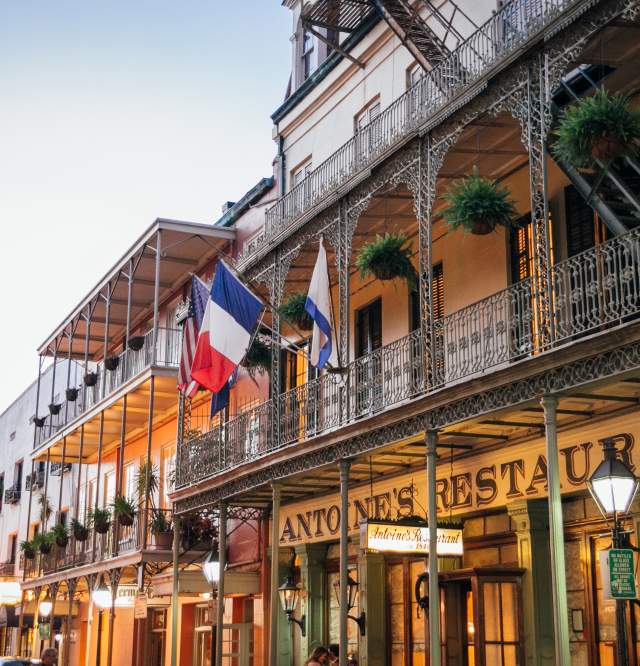
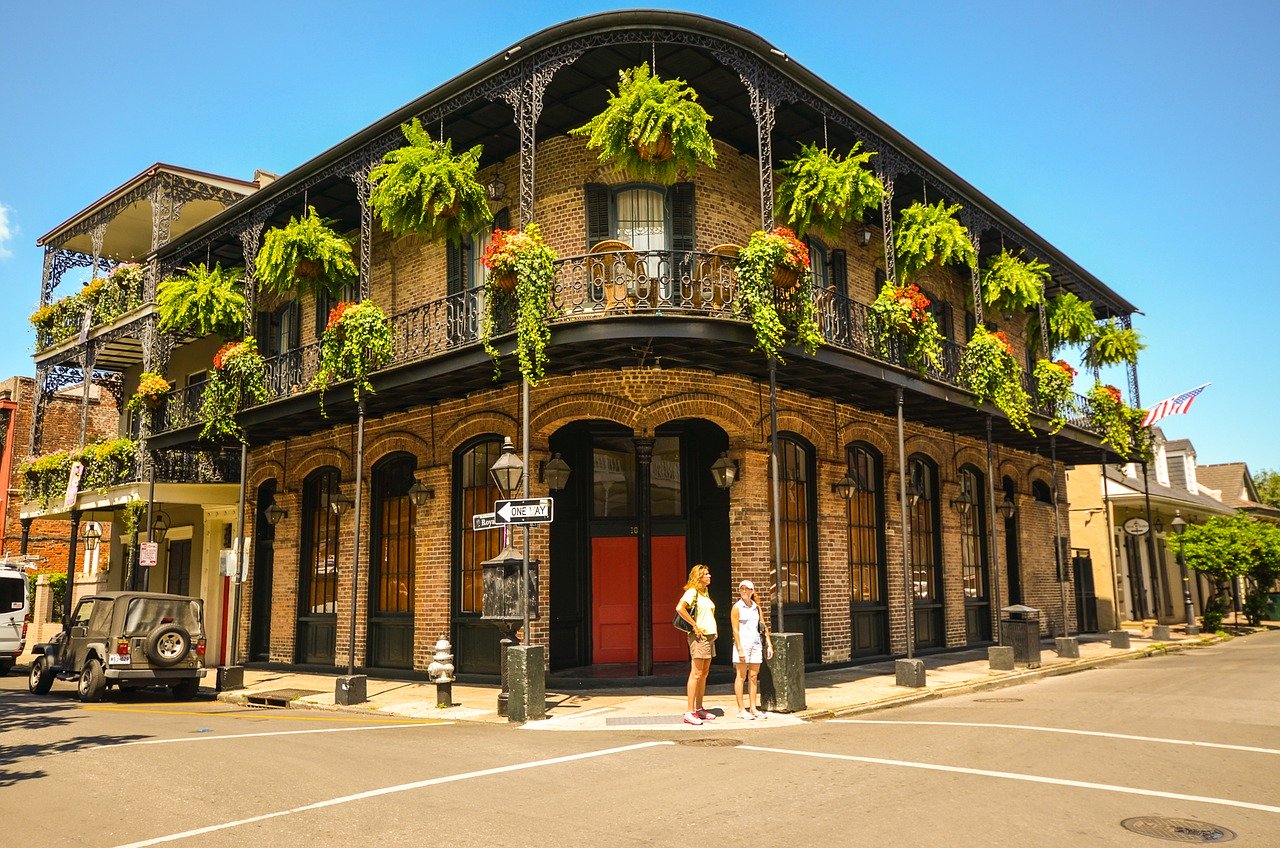
The architecture of the French Quarter is a defining characteristic. The distinct Creole style, with its wrought-iron balconies, pastel-colored stucco buildings, and hidden courtyards, tells a story of the city’s diverse influences, including French, Spanish, African, and Caribbean traditions. Walking through the streets feels like stepping back in time, with each building having a narrative to share.
Experiencing the French Quarter
The location of the French Quarter is central to its appeal as a tourist destination. It’s a walkable district, but understanding its layout helps in planning your days.
Getting Around
- Walking: This is undoubtedly the best way to experience the French Quarter. You can wander through its narrow streets, discover hidden courtyards, and soak in the atmosphere at your own pace.
- Streetcars: While the most famous New Orleans streetcar lines (like the St. Charles Avenue line) don’t run directly through the heart of the French Quarter, Canal Street serves as a major transfer point, connecting you to other parts of the city.
- Taxis and Ride-Sharing: Readily available, these are convenient options for reaching the French Quarter from the airport or other distant neighborhoods, or for getting around when your feet are tired.
Cultural Immersion
The French Quarter is not just about sightseeing; it’s about immersion. Its location facilitates easy access to:
- Live Music: From the legendary clubs on Bourbon Street to the authentic sounds on Frenchmen Street, music is an omnipresent element.
- Culinary Delights: The Quarter is a gastronomic paradise, offering everything from fine dining to casual cafes. Be sure to try local specialties like gumbo, jambalaya, and po’boys. Historic restaurants like Antoine’s Restaurant and Galatoire’s Restaurant are integral parts of the New Orleans dining scene.
- Art and Antiques: Galleries and antique shops abound, showcasing the creativity and history of the region.
- Festivals and Events: Throughout the year, the French Quarter hosts numerous festivals, parades, and cultural events, making it a dynamic and ever-evolving destination.

The French Quarter’s Enduring Appeal
The French Quarter in New Orleans is more than just a point on a map. It is a geographical nexus where history, culture, and vibrant urban life converge. Its strategic location on the Mississippi River shaped its destiny, and its enduring legacy continues to captivate visitors from around the globe. Whether you’re drawn by the allure of its historic streets, the rhythm of its music, or the flavors of its cuisine, understanding where the French Quarter is located is the key to experiencing the unforgettable spirit of New Orleans. Its unique character, preserved through centuries, makes it a treasure to explore.
LifeOutOfTheBox is a participant in the Amazon Services LLC Associates Program, an affiliate advertising program designed to provide a means for sites to earn advertising fees by advertising and linking to Amazon.com. Amazon, the Amazon logo, AmazonSupply, and the AmazonSupply logo are trademarks of Amazon.com, Inc. or its affiliates. As an Amazon Associate we earn affiliate commissions from qualifying purchases.