
The query “What’s the Population of San Francisco?” might seem straightforward, a simple demographic statistic. However, for the discerning traveler or the curious visitor, understanding the population of a city like San Francisco is intricately linked to the vibrancy, character, and experience of that destination. It speaks to the density of life, the pulse of its neighborhoods, and the scale of its offerings, all crucial elements for planning an enriching trip. This exploration delves into the demographic realities of the city, not just as numbers, but as context for understanding San Francisco’s unique appeal as a world-class tourist hub.
The Demographic Tapestry of San Francisco
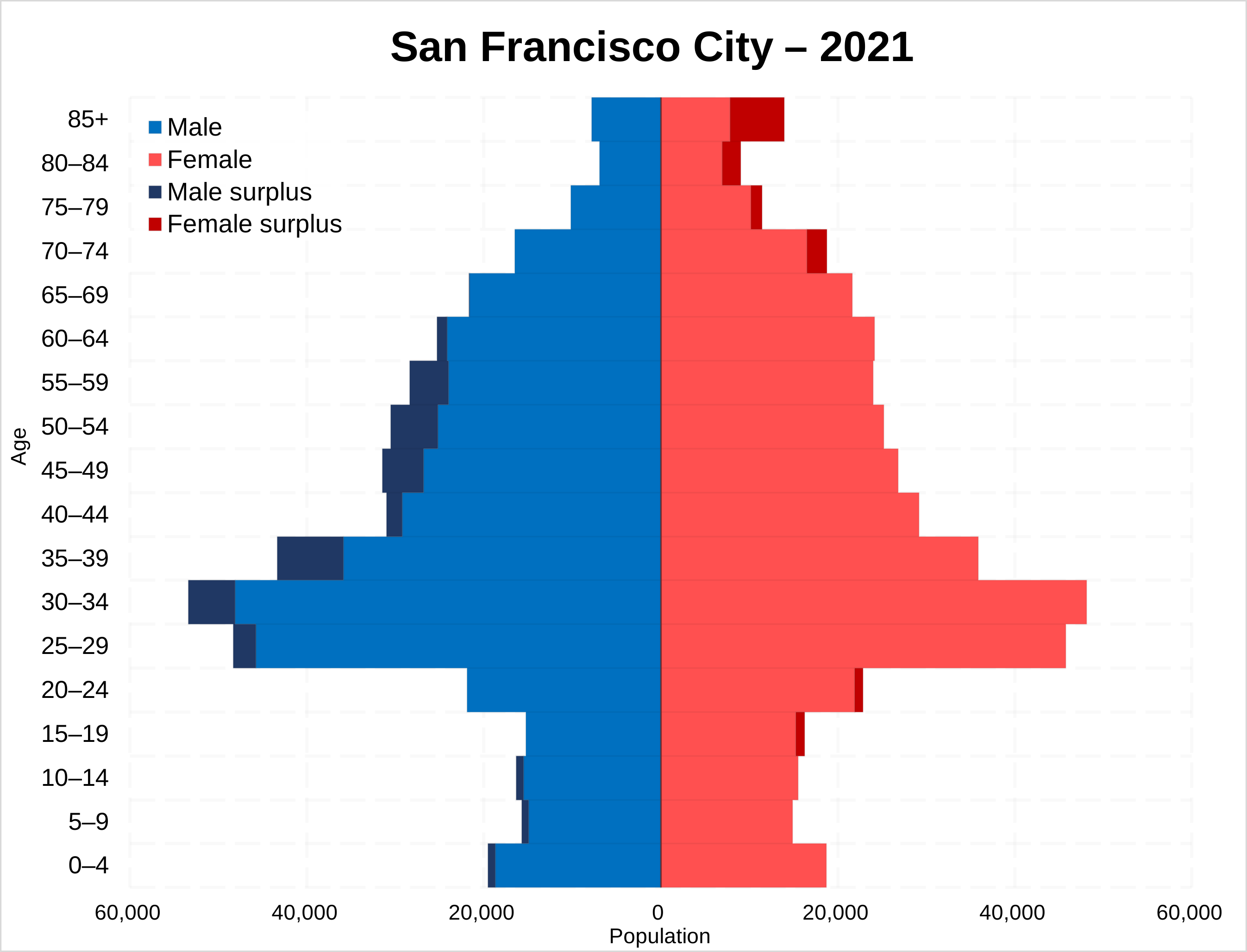
San Francisco, often lauded for its breathtaking vistas, iconic landmarks, and innovative spirit, is also one of the most densely populated major cities in the United States. As of the most recent available data, the population hovers around 800,000 to 850,000 residents. This figure, while seemingly modest compared to metropolises like New York City or Los Angeles, belies the profound impact this concentrated population has on the city’s character and the visitor experience.
Density and Its Impact on Travel
The relatively small landmass of San Francisco (approximately 49 square miles) means that its population density is exceptionally high. This density is a key driver of much of what makes San Francisco so captivating for travelers.
Neighborhood Dynamics and Scale
The concentration of people shapes the distinctiveness of San Francisco’s numerous neighborhoods. From the bustling streets of Chinatown to the artistic enclaves of the Mission District, each area teems with life, offering a microcosm of the city’s diverse culture and a rich tapestry of experiences. Understanding the population density helps travelers anticipate the energy of these areas, whether it’s the lively street markets, the crowded but charming cafes, or the vibrant nightlife. The sheer number of people packed into these distinct zones contributes to their unique atmospheres, creating an immersive travel experience. For a visitor, this density means a wealth of options for dining, shopping, and entertainment are often within walking distance, enhancing the convenience and richness of exploring the city on foot.
Public Transportation and Urban Flow
San Francisco’s population density also necessitates a robust public transportation system. The iconic cable cars, the Muni bus network, and BART (Bay Area Rapid Transit) are essential for navigating the city. A higher population means these systems are well-utilized, influencing travel times and suggesting strategies for efficient exploration. Travelers who embrace public transit will find themselves immersed in the daily flow of city life, a quintessential San Francisco experience. Planning journeys with an awareness of peak hours, informed by the city’s resident and commuter population, can significantly smooth out travel.
A Diverse and Evolving Population
Beyond the raw numbers, the demographic composition of San Francisco is a critical element of its identity and a significant draw for visitors interested in culture, history, and innovation.
Multiculturalism and Its Manifestations
San Francisco is renowned for its multicultural fabric, a direct result of its historical immigration patterns and ongoing diverse population. The city is home to large and influential communities of Asian Americans, particularly Chinese and Filipino, as well as a significant Hispanic or Latino population, a substantial LGBTQ+ community, and a historically established African American community. This rich diversity is palpable in the city’s culinary scene, its arts and festivals, and the very atmosphere of its neighborhoods. For travelers, this means opportunities to explore authentic ethnic enclaves, savor global cuisines, and experience a wide spectrum of cultural events throughout the year. The concentration of these communities contributes to the unique cultural landscape that attracts visitors seeking authentic and varied experiences.
Economic Drivers and Their Influence

The population of San Francisco is also shaped by its status as a global center for technology, finance, and innovation. This attracts a highly educated and often affluent workforce, influencing the city’s economy, its cost of living, and the types of businesses and amenities that thrive. For travelers, this translates into a sophisticated urban environment with world-class dining, high-end shopping, and a dynamic arts and culture scene. While this can contribute to higher prices for accommodation and services, it also ensures a certain level of quality and a wealth of cutting-edge experiences that are appealing to many visitors. Understanding this economic context helps travelers budget effectively and appreciate the unique blend of established traditions and forward-thinking enterprise that defines San Francisco.
San Francisco’s Population in Context: A Traveler’s Perspective
While the exact population count is a statistic, its implications for a visitor planning a trip to San Francisco are far-reaching. It influences how one experiences the city, from the pace of life to the availability of attractions and the cost of travel.
Planning Your Visit: Density and Decisions
When considering the population of San Francisco, travelers can make more informed decisions regarding their itinerary and travel style.
Timing Your Exploration
The density of San Francisco’s population means that certain attractions can become quite crowded, especially during peak tourist seasons (summer and holiday periods) and weekends. Understanding this allows travelers to plan strategically. Visiting popular sites like the Golden Gate Bridge, Alcatraz Island, or museums like the de Young Museum during off-peak hours or weekdays can significantly enhance the experience, allowing for more personal engagement with the sights. The population density also impacts the atmosphere in restaurants and bars; booking reservations in advance is often advisable, particularly for highly sought-after establishments.
Accommodation Choices and Their Relation to Population Hubs
The distribution of San Francisco’s population also influences the choice of accommodation. Areas with higher residential density, such as the Sunset District or the Richmond District, might offer more affordable options and a glimpse into local life, while more central and densely populated tourist hubs like Union Square or Fisherman’s Wharf place visitors at the heart of the action, albeit often at a higher price point and with more crowds. Considering the population distribution helps travelers find accommodations that align with their desired balance of accessibility, local immersion, and budget.
Experiencing the “San Francisco Vibe”
The population is the lifeblood of any city, and in San Francisco, it directly contributes to the unique “vibe” that travelers seek.
The Energy of a Compact Metropolis
San Francisco feels larger than its population might suggest, largely due to its compact nature and the sheer concentration of activity. This creates an energetic, dynamic atmosphere that is both stimulating and, at times, overwhelming. For the traveler, this means a city that is always “on,” with something happening around every corner. The constant hum of activity, the diverse mix of people encountered on the streets, and the sheer density of cultural and culinary offerings are all direct results of its population dynamics. This energetic pulse is a key attraction for those seeking an exciting urban adventure.

Navigating the Social Landscape
The social fabric of San Francisco is woven by its diverse residents. Understanding the general population trends, including its demographic makeup, can offer insights into the city’s social norms and the types of communities that shape its character. For instance, the city’s progressive spirit, often associated with its large LGBTQ+ population and a history of social activism, contributes to a welcoming and inclusive atmosphere for many visitors. Similarly, the strong sense of community in its various ethnic enclaves offers opportunities for authentic cultural exchange. This awareness enriches the travel experience by fostering a deeper appreciation for the people who call San Francisco home.
In essence, while the population figure itself is a simple number, its context within the geography and culture of San Francisco transforms it into a vital piece of information for any traveler. It helps paint a picture of the city’s scale, its diversity, its pace, and ultimately, the richness of the experiences awaiting exploration.
LifeOutOfTheBox is a participant in the Amazon Services LLC Associates Program, an affiliate advertising program designed to provide a means for sites to earn advertising fees by advertising and linking to Amazon.com. Amazon, the Amazon logo, AmazonSupply, and the AmazonSupply logo are trademarks of Amazon.com, Inc. or its affiliates. As an Amazon Associate we earn affiliate commissions from qualifying purchases.