
Navigating Healthcare Access in the Grand Canyon State for Travelers
Arizona, known for its breathtaking landscapes from the vibrant red rocks of Sedona to the awe-inspiring depths of the Grand Canyon, attracts millions of travelers each year seeking adventure, relaxation, and unique cultural experiences. However, beyond planning itineraries filled with hikes, historical sites, and exquisite dining in cities like Phoenix and Tucson, modern travel often requires a broader understanding of a destination, including its healthcare landscape. For some, access to specific medical services, such as reproductive healthcare, can be a crucial factor influencing travel decisions or requiring careful consideration during a visit. The legal environment surrounding abortion access in Arizona has been particularly dynamic in recent years, making it an important area for travelers to be informed about. This guide aims to provide a comprehensive overview for those visiting or considering a trip to the state.

The Evolving Legal Framework: What Visitors to Arizona Should Understand
Understanding the legal status of abortion in Arizona is essential for anyone considering a trip where reproductive healthcare access might be a concern. The state’s laws have undergone significant changes, often in response to broader national legal shifts, creating a complex and sometimes uncertain environment.
Recent Legislative Changes and Court Rulings
The landscape of abortion rights in the United States dramatically shifted with the overturning of Roe v. Wade in June 2022. This landmark decision returned the authority to regulate abortion to individual states, leading to a patchwork of laws across the nation, including in Arizona. Immediately following the Supreme Court ruling, Arizona found itself in a legal battle over which of its pre-existing laws would take precedence.
For a period, there was considerable legal contention between a 2022 law imposing a 15-week gestational limit on abortions and a much older, near-total ban from 1864. This uncertainty created significant challenges for healthcare providers and individuals alike. Various court injunctions and appeals have characterized the period since the Roe v. Wade reversal, with legal interpretations frequently shifting. Travelers researching this topic will encounter references to these different legal phases, underscoring the dynamic nature of the situation. The outcome of these legal challenges has directly impacted the availability and conditions under which abortion services can be accessed in Arizona.
Current Status of Abortion Access in Arizona
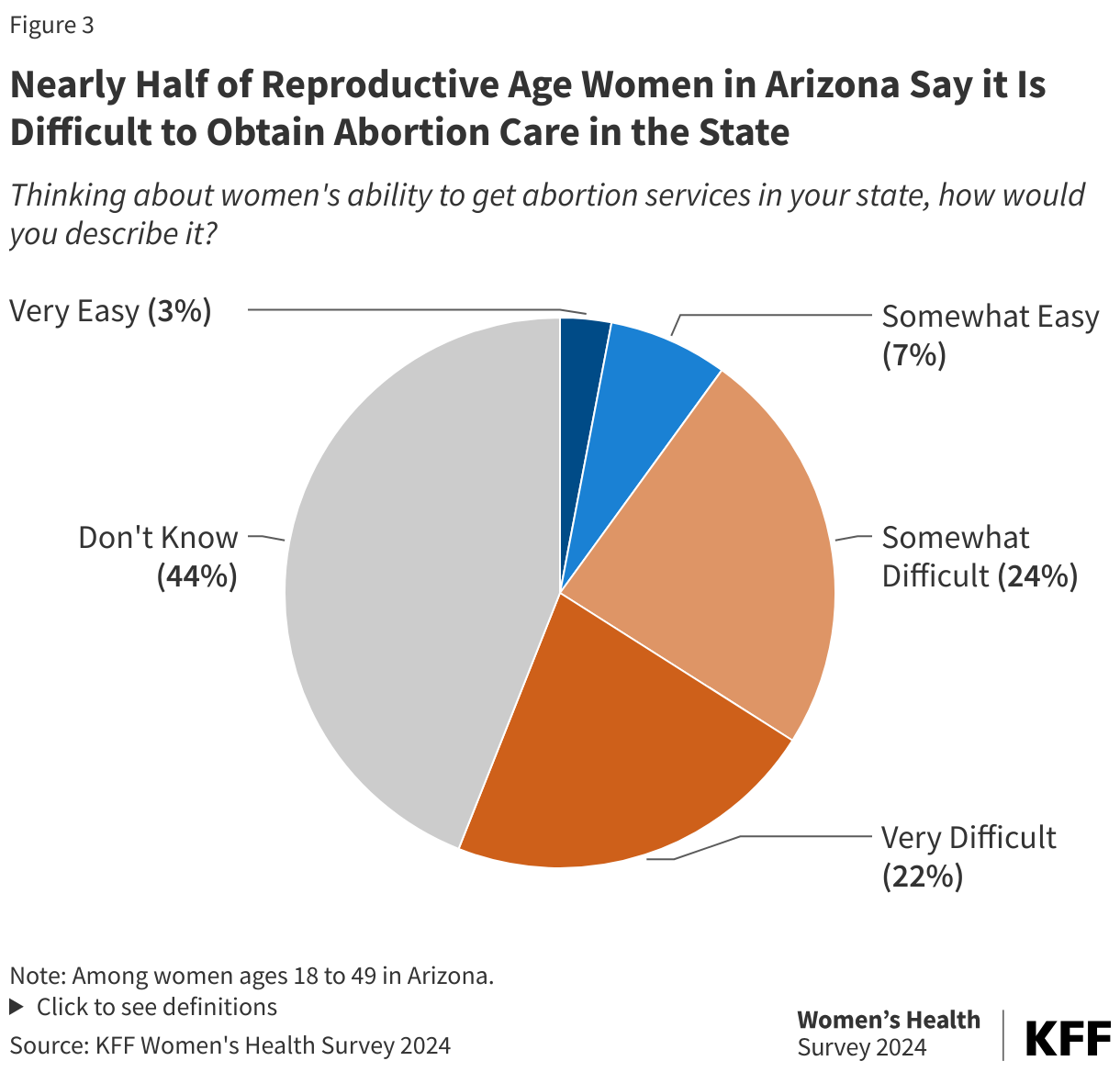
As of the most recent developments, abortion remains legal in Arizona but is subject to significant restrictions. The prevailing law typically permits abortions up to a specific gestational age, often around 15 weeks, with certain exceptions. It’s crucial to understand that specific details, such as how gestational age is calculated (from the last menstrual period versus fertilization), can have practical implications for access.
Beyond gestational limits, Arizona also has other regulations that impact access, including:
- Waiting Periods: Typically, a mandatory waiting period is required between an initial consultation and the abortion procedure. This often means two separate appointments, which can be a significant logistical challenge for travelers who may have limited time in the state.
- Parental Consent: For minors seeking abortion services, parental consent (or judicial bypass, which allows a minor to obtain a judge’s permission without parental involvement) is generally required.
- Method Restrictions: Specific types of abortion procedures may be restricted or have additional regulations.
- Facility Requirements: Abortion services must be performed by licensed physicians in regulated facilities. Most services are concentrated in larger urban centers like Phoenix and Tucson, potentially requiring travel within the state for those in more remote areas.
It is important to note that the legal landscape is fluid. What is true today might change tomorrow due to ongoing court cases, legislative sessions, or ballot initiatives.
The Importance of Real-Time Information for Trip Planning
Given the volatility of reproductive healthcare laws in Arizona, the most critical advice for any traveler or potential visitor is to verify the current legal status immediately before and during their trip. Relying on outdated information can lead to significant complications and distress. Official government websites, reputable legal aid organizations, and established healthcare provider networks are the best sources for the most current and accurate information. Travelers should specifically look for updates from the Arizona Department of Health Services or official court rulings.
Practical Travel Considerations for Seeking Reproductive Healthcare in Arizona
For individuals who may be traveling to Arizona specifically for reproductive healthcare or who might require such services during their visit, careful planning is paramount. This involves more than just knowing the laws; it extends to the logistics of travel, accommodation, and support systems.
Logistical Planning for Out-of-State Travelers
Individuals traveling from outside Arizona to access abortion services need to consider several practical aspects:
- Clinic Research and Appointment Scheduling: It is crucial to identify and contact specific clinics well in advance. Many clinics operate on an appointment-only basis and may have waiting lists. Confirming service availability, gestational limits, required documentation, and specific procedures beforehand is vital. Major cities like Phoenix and Tucson are where most licensed facilities are located.
- Travel Time and Transportation: Given the size of Arizona and the mandatory waiting periods, travelers should account for at least two days in the state, potentially more depending on the required appointments. This means arranging flights or driving, and planning local transportation between accommodations and clinics. Rental cars or ride-sharing services are common options in urban areas.
- Accommodation Needs: Securing appropriate accommodation near the chosen clinic or in a conveniently located part of Phoenix or Tucson is essential. Budget, privacy, and proximity to transportation should be factored into hotel or rental choices. Many hotels offer comfortable amenities that can provide a discreet and relaxing environment.
- Financial Planning: Beyond the cost of the procedure, travelers must budget for travel expenses (flights, fuel, local transport), accommodation, meals, and any potential lost wages. It is advisable to discuss costs directly with the clinic and explore any financial assistance programs that may be available.
Support Resources and Navigational Aid
Several organizations are dedicated to assisting individuals in navigating reproductive healthcare options. While this article does not provide specific endorsements or contact details, travelers should be aware that such resources exist. These organizations can often provide up-to-date information on clinic availability, legal requirements, and sometimes even offer practical support like financial aid for travel or accommodation. A simple online search for “abortion funds Arizona” or “reproductive rights organizations Arizona” can yield valuable information. They serve as critical navigational aids, especially for those unfamiliar with the local landscape or facing logistical hurdles.
General Healthcare Tips for Any Arizona Visitor
While the focus here has been on a specific aspect of healthcare, it’s important to remember that general health and safety are crucial for any trip to Arizona. Preparing for common travel health needs ensures a smoother and more enjoyable experience, whether you’re exploring the desert trails or urban attractions.
Emergency Medical Services and Insurance Coverage
Arizona has a well-established emergency medical system, with hospitals and urgent care centers located throughout its major cities and towns. However, if you plan to venture into remote areas like the Grand Canyon National Park or vast desert landscapes, emergency response times can be longer. It’s always wise to:
- Understand Your Insurance: Before traveling, contact your health insurance provider to understand your coverage in Arizona and for out-of-network services if applicable.
- Carry Important Information: Keep a copy of your insurance card, a list of current medications, and any significant medical history easily accessible.
- Locate Facilities: Familiarize yourself with the locations of hospitals or urgent care centers near your accommodations or planned activities, especially in larger cities like Phoenix and Tucson.
Prescription Management and Local Pharmacy Access
For travelers on regular medication, careful planning can prevent disruptions:
- Pack Sufficient Supply: Bring enough of your prescription medications to last the entire trip, plus a few extra days’ supply in case of unexpected delays.
- Carry Prescriptions: Keep medications in their original, labeled containers. If possible, carry a copy of your prescription or a note from your doctor, especially for controlled substances.
- Locate Pharmacies: Major pharmacy chains (e.g., CVS, Walgreens) are readily available in Arizona’s cities and many towns. In more remote areas, independent pharmacies might be your only option. Knowing where to refill a prescription if needed can provide peace of mind.
Staying hydrated, protecting yourself from the intense Arizona sun, and being aware of local wildlife are also crucial for a healthy and safe journey.

Informed Travel to the Deserts and Mountains of Arizona
Traveling to Arizona offers an array of incredible experiences, from exploring ancient Native American ruins to enjoying the vibrant arts scene. However, an informed traveler is a prepared traveler. Understanding the nuances of healthcare access, particularly regarding reproductive services, is an increasingly vital aspect of trip planning in today’s dynamic legal environment. By proactively researching the current laws, understanding practical logistical considerations, and preparing for general health needs, visitors can ensure a smoother, safer, and more comfortable journey through the diverse and stunning landscapes of Arizona. Always prioritize up-to-date information and consult reliable sources for specific legal or medical guidance relevant to your individual circumstances.
LifeOutOfTheBox is a participant in the Amazon Services LLC Associates Program, an affiliate advertising program designed to provide a means for sites to earn advertising fees by advertising and linking to Amazon.com. Amazon, the Amazon logo, AmazonSupply, and the AmazonSupply logo are trademarks of Amazon.com, Inc. or its affiliates. As an Amazon Associate we earn affiliate commissions from qualifying purchases.