
California, renowned for its sunny beaches, iconic landmarks, and vibrant cities, attracts millions of tourists annually seeking unforgettable experiences. From the bustling streets of Los Angeles to the majestic redwoods, the Golden State offers a diverse range of attractions. However, for visitors planning celebrations, especially around holidays like the Fourth of July or New Year’s Eve, understanding local regulations regarding seemingly innocuous items like sparklers is crucial. While many associate sparklers with harmless fun, their legality in California is a nuanced topic, varying significantly by location and specific type. Tourists planning their itinerary must be aware that the assumption of universal legality could lead to unexpected penalties or, more importantly, contribute to dangerous situations in a state highly susceptible to wildfires. Navigating these rules is essential for a safe, enjoyable, and compliant visit.
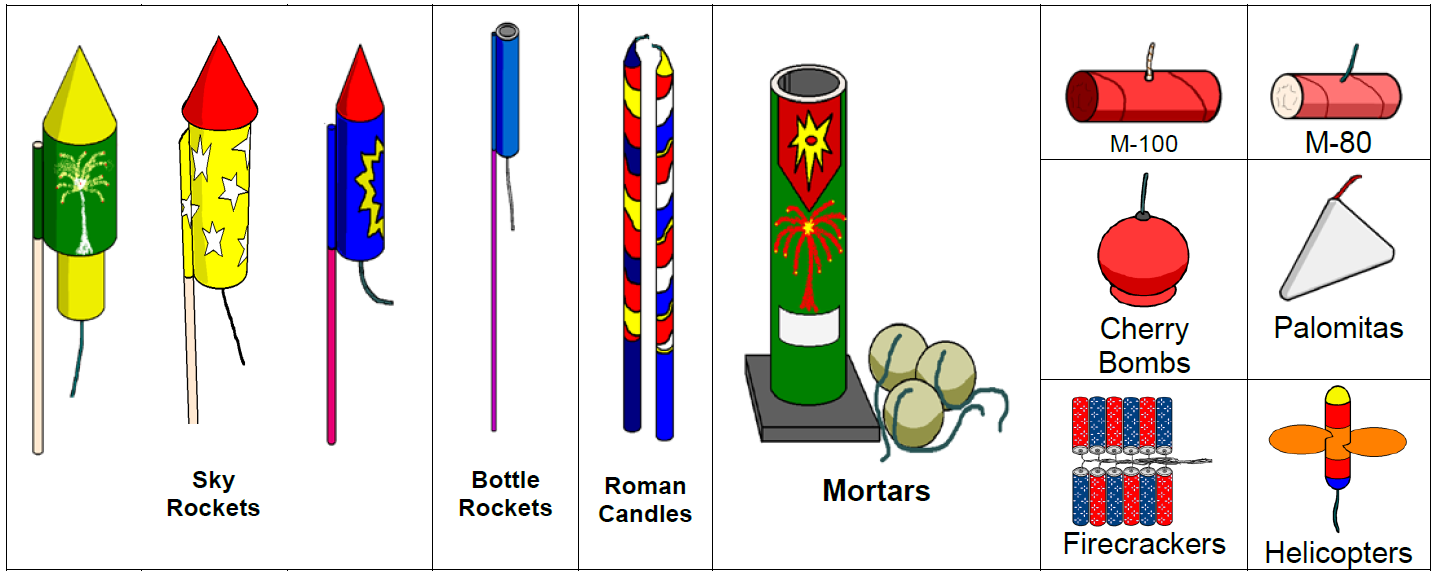
Navigating California’s Fireworks Landscape for Tourists
For many, sparklers are a quintessential part of celebratory events, evoking nostalgia and innocent merriment. Yet, in California, their status is far from straightforward. The state’s approach to fireworks, including sparklers, is primarily driven by its unique geographical and climatic conditions, which render large swathes of the land highly vulnerable to devastating wildfires. Tourists arriving from areas with more lenient fireworks laws might be surprised by the strict regulations in place. It’s not simply a matter of state law but also a complex tapestry of county and city ordinances that can differ dramatically even between neighboring communities. Understanding this multi-layered regulatory environment is key for any visitor hoping to engage in festive activities without infringing upon local laws or endangering themselves and others.
The Nuance of “Safe and Sane”
The term “Safe and Sane” is frequently encountered when discussing fireworks in California. This classification refers to fireworks that do not fly into the air, explode, or move uncontrollably on the ground. These are typically those that stay on the ground, emit sparks, and are generally considered less dangerous than aerial or explosive pyrotechnics. Sparklers, along with fountains, snaps, and poppers, often fall under this “Safe and Sane” category. However, merely being classified as “Safe and Sane” does not automatically grant them legality across the entire state. The California State Fire Marshal certifies specific fireworks as “Safe and Sane,” but it is ultimately up to individual cities and counties to decide whether to permit their sale and use within their jurisdictions. This means a sparkler legally purchased and used in one city might be entirely illegal just a few miles down the road in another. Tourists need to be vigilant about the specific local rules of their chosen destination.
Permitted vs. Prohibited: What Visitors Need to Know
The core distinction for visitors is understanding where “Safe and Sane” fireworks, including sparklers, are actually permitted. Many cities and counties throughout California have outright bans on all fireworks, regardless of their “Safe and Sane” classification. For instance, while some smaller towns might allow their use under strict conditions, major metropolitan areas like Los Angeles, San Francisco, and San Diego typically prohibit all consumer fireworks, including sparklers. The rationale behind these widespread bans often stems from population density, the proximity of structures, and the ever-present threat of fire. Visitors should avoid bringing sparklers or any other fireworks into these areas, even if they were legally purchased elsewhere. Ignorance of local laws is not a valid defense and can result in significant fines, confiscation of items, and potential legal action, severely impacting a holiday experience. Always check the specific municipal website or contact local authorities for precise information before purchasing or attempting to use any fireworks.
Understanding Local Ordinances and Their Impact on Tourist Activities
The fragmented legal landscape surrounding fireworks in [California](https://Lahaina lifeoutofthebox.com/california) means that a tourist’s experience can vary significantly based on their exact location. This regional variability is a critical aspect of tourism in the state, as what might be acceptable in a rural county could be strictly forbidden in a densely populated urban center or a fire-prone wilderness area. For tourists planning multi-city trips or stays in different types of environments, this necessitates a thorough check of local regulations for each leg of their journey. The underlying reasons for these variances are deeply rooted in public safety, environmental protection, and the historical challenges California faces with seasonal fire threats.
City-Specific Regulations: A Patchwork of Rules
California has 58 counties and hundreds of incorporated cities, each with the authority to establish its own fireworks ordinances. This creates a challenging environment for tourists. For example, while the state may classify sparklers as “Safe and Sane,” a city like Oakland or San Jose might enforce a complete ban on all consumer fireworks, including sparklers, due to high population density and urban fire risks. Conversely, some smaller cities or unincorporated areas might permit “Safe and Sane” fireworks during specific periods, such as the Fourth of July, often with designated usage zones and strict time limits. Visitors should not rely on general statewide information but rather consult the official websites of the city or county where they intend to stay. Tourist information centers or hotel staff can also be valuable resources for clarifying local rules. Failure to do so can lead to an unexpected encounter with local law enforcement and potential penalties that can disrupt a pleasant vacation.
Fire Danger and Environmental Concerns: Why the Strictness?
The primary driver behind California’s stringent fireworks laws, especially concerning sparklers, is the immense and ongoing threat of wildfires. The state experiences prolonged dry seasons, strong winds, and has vast areas covered by highly flammable vegetation. Even a small spark from a seemingly harmless sparkler can ignite dry grass or brush, leading to a catastrophic wildfire that can devastate communities, destroy natural habitats, and pose a severe threat to human life. The California Department of Forestry and Fire Protection (CAL FIRE) consistently issues warnings about fire danger, and any consumer fireworks activity, even “Safe and Sane” types, increases this risk. Beyond fire, fireworks contribute to air pollution and litter, which are additional environmental concerns for a state committed to sustainability. Tourists, by understanding these critical environmental factors, can appreciate the necessity of these regulations and contribute positively to preserving California’s natural beauty and safety. Their role in responsible tourism extends to respecting these vital ecological considerations.
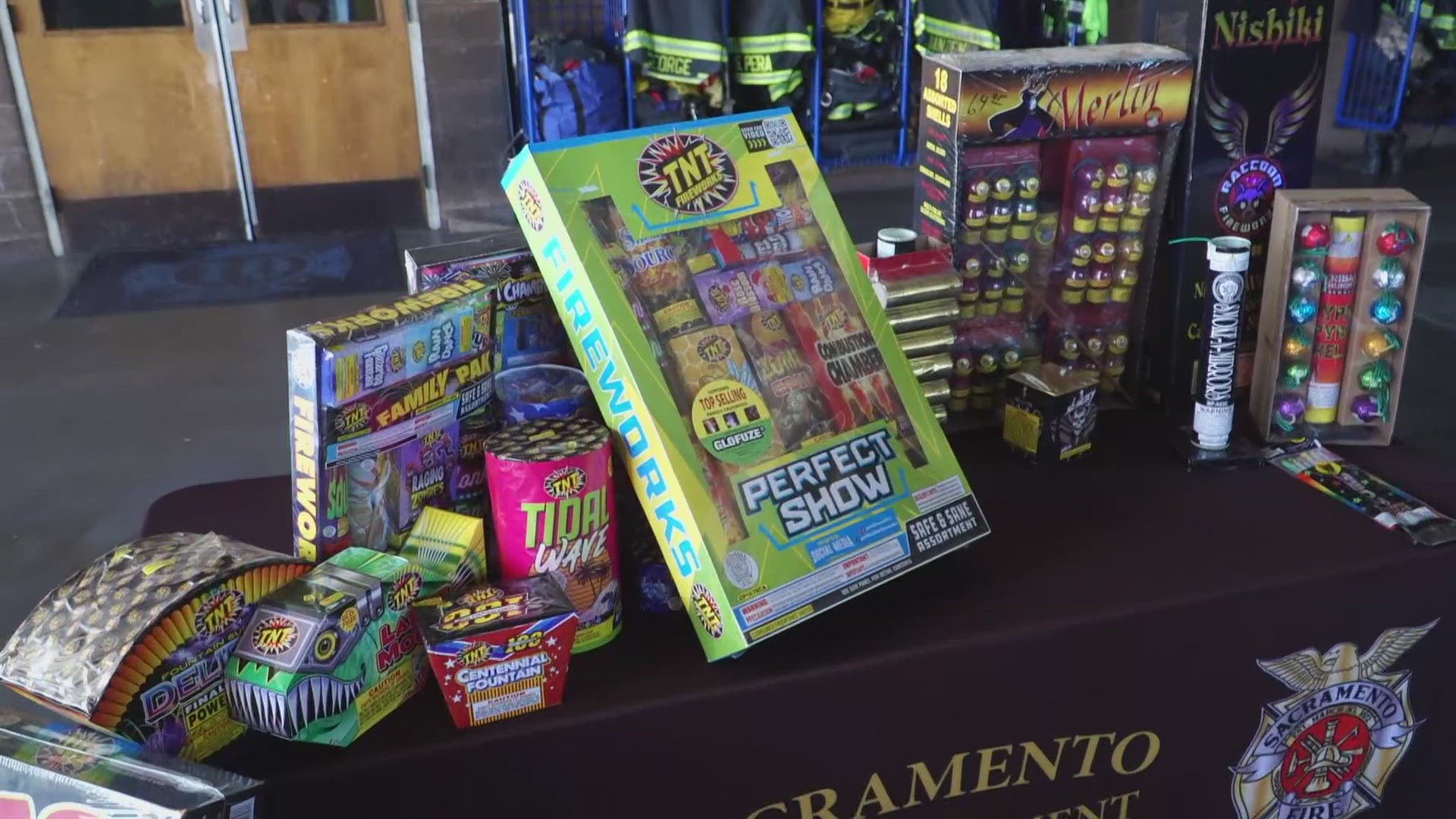
Responsible Celebration: Alternatives and Safety Tips for Visitors
Understanding that sparklers might be illegal or highly restricted in many parts of California should not diminish a tourist’s ability to celebrate. The state offers numerous safe and spectacular alternatives to private fireworks, and responsible behavior is paramount for a memorable and safe visit. Rather than attempting to circumvent local laws, visitors are encouraged to embrace the local culture of celebration, which often centers around community events designed for maximum enjoyment and safety.
Enjoying Public Displays
The most recommended and popular way for tourists to enjoy fireworks in California is by attending professional public displays. Many cities, especially during the Fourth of July and New Year’s Eve, host breathtaking fireworks shows launched by trained professionals in controlled environments. These events are often free or have a nominal entrance fee and provide a far grander and safer spectacle than any consumer-grade fireworks. Iconic locations like San Francisco Bay, San Diego’s waterfront, and various parks in Sacramento often feature incredible displays. Tourists should check local event calendars well in advance, especially during peak holiday seasons, as these events can attract large crowds, and planning for transportation and viewing spots is advisable. Attending these displays not only ensures compliance with local laws but also supports the communities and provides a shared, festive experience.
Non-Pyrotechnic Festive Options
For those seeking to add a personal touch to their celebrations without using prohibited items, California offers a wealth of non-pyrotechnic options. Consider using LED glow sticks, laser pointers, colorful streamers, or battery-operated candles for ambiance. Many party supply stores in California stock a wide array of safe and festive alternatives that can create a celebratory atmosphere without any fire risk. Tourists can also explore themed restaurants, outdoor concerts, street festivals, or light shows that are prevalent across the state. Embracing these alternatives demonstrates respect for local laws and the safety of residents and the environment, ensuring that your festive spirit doesn’t inadvertently lead to danger. These options allow for creative and joyful celebrations that align with California’s commitment to safety and environmental preservation.
Prioritizing Safety in the Golden State
Even when using permitted items or participating in allowed activities, safety should always be the top priority for tourists in California. When dealing with any flame-related activity, always have water nearby, keep a safe distance from flammable materials, and supervise children closely. If “Safe and Sane” fireworks are permitted in a specific area, purchase them only from state-licensed retailers, as illegal fireworks can be highly unstable and dangerous. Avoid using any item if high winds are present or if the ground is exceptionally dry. The underlying message for tourists is to exercise extreme caution and common sense. By understanding and respecting the local environment and regulations, visitors can ensure their trip to the Golden State remains safe, enjoyable, and free from unforeseen complications related to fireworks or sparklers.
What to Do If You Encounter Illegal Fireworks
As a tourist in California, even if you meticulously follow all regulations, you might encounter others who are not. The prevalence of illegal fireworks remains a concern, particularly during peak holiday periods, despite the strict laws. Knowing how to react responsibly to such situations is an important aspect of being a considerate and informed visitor. Your actions can help maintain public safety and minimize the risk of fire and injury for the entire community.
Reporting to Local Authorities
If you witness the use of illegal fireworks, whether they are aerial displays, large explosive devices, or even sparklers being used in a prohibited area, the most responsible action is to report it to local authorities. Do not attempt to intervene or confront individuals using illegal fireworks, as this can be dangerous. Instead, contact the non-emergency line of the local police or fire department. For immediate threats, such as a fire caused by fireworks, always dial 911. When reporting, provide as much specific information as possible, including the location, type of fireworks observed, and any details about the individuals involved. Many California cities also have dedicated online portals or hotline numbers specifically for reporting illegal fireworks during peak seasons. Your proactive reporting plays a crucial role in mitigating risks to communities and natural landscapes.

The Consequences of Non-Compliance
It is imperative for tourists to understand the serious consequences of non-compliance with California’s fireworks laws. Possessing, transporting, or using illegal fireworks (which can include sparklers in many areas) can result in significant fines, often ranging from hundreds to thousands of dollars. In severe cases, especially if a fire is caused, individuals could face felony charges, substantial restitution for damages, and even imprisonment. The state’s fire codes are rigorously enforced, and authorities do not make exceptions for tourists. Moreover, any damage to property or injury caused by illegal fireworks can lead to costly civil lawsuits. Beyond the legal ramifications, the personal responsibility of preventing wildfires and ensuring public safety should be a guiding principle for every visitor to the Golden State. Adhering to these regulations is not just about avoiding penalties, but about respecting the delicate ecosystem and the well-being of the communities that make California such a captivating destination.
LifeOutOfTheBox is a participant in the Amazon Services LLC Associates Program, an affiliate advertising program designed to provide a means for sites to earn advertising fees by advertising and linking to Amazon.com. Amazon, the Amazon logo, AmazonSupply, and the AmazonSupply logo are trademarks of Amazon.com, Inc. or its affiliates. As an Amazon Associate we earn affiliate commissions from qualifying purchases.