
Stanley Kubrick’s chilling masterpiece, The Shining, has left an indelible mark on cinematic history. Beyond its psychological terror and iconic performances, the film’s setting, the Overlook Hotel, has become almost as legendary as the story itself. Many viewers, captivated by its imposing presence and isolation, have long wondered about its real-world counterpart. While the Overlook Hotel is a fictional entity, its imposing architectural design and the eerie atmosphere it evokes were heavily inspired by, and in part filmed at, actual locations. Understanding these inspirations offers a fascinating glimpse into the creative process and the enduring power of this cinematic landmark.

The Overlook Hotel: A Fictional Icon
The Overlook Hotel, as depicted in The Shining, is a sprawling, isolated mountain resort. Its grand facade, labyrinthine corridors, and cavernous ballroom contribute significantly to the film’s sense of dread and claustrophobia. In the novel by Stephen King, the Overlook is described as being located in the Rocky Mountains of Colorado. This setting emphasizes the extreme isolation of the Torrance family, trapped by a harsh winter with no easy escape.
Kubrick, however, took creative liberties with the setting for his film adaptation. While the spirit of the isolated mountain resort remained, the physical structure of the Overlook Hotel was a composite, drawing inspiration from several real-world hotels and utilizing different filming locations. This deliberate choice allowed Kubrick to craft a hotel that was both familiar and unsettling, a character in its own right that plays a crucial role in the unfolding psychological drama. The grandeur of the fictional Overlook is key to its allure and its menace, promising a luxurious escape that ultimately becomes a gilded cage for its inhabitants.
Filming Locations: A Tale of Two Hotels
The primary filming for The Shining took place in two distinct, yet significant, locations that contributed to the creation of the Overlook Hotel’s visual identity.
The Exterior: The Timberline Lodge
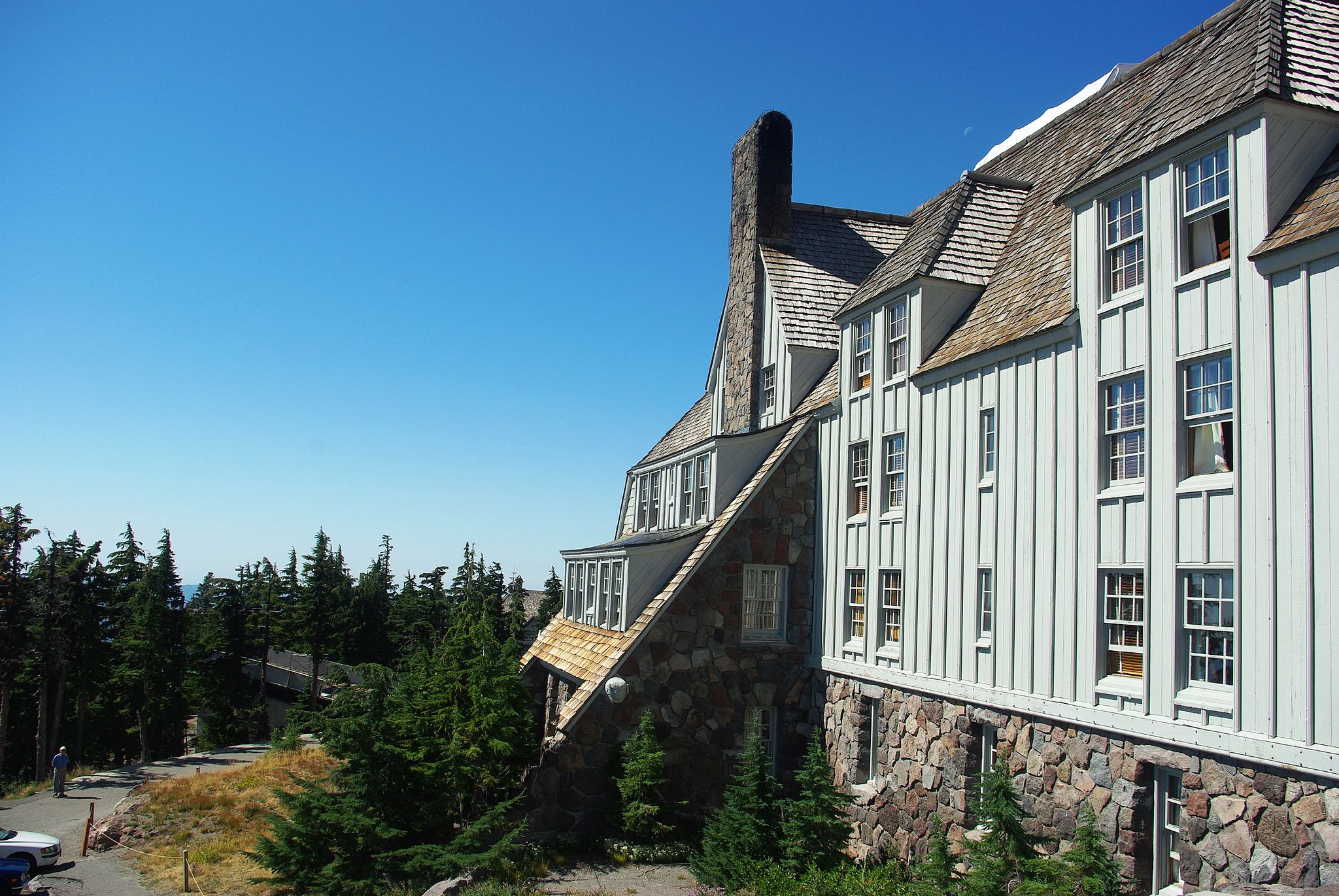
The iconic exterior shots of the Overlook Hotel in the film were filmed at the Timberline Lodge, an actual historic lodge located on Mount Hood in Oregon. This magnificent structure, built in the late 1930s, served as the visual blueprint for the Overlook’s imposing presence against a backdrop of snow-capped mountains.
Architectural Inspiration
The Timberline Lodge, with its rustic yet grand architecture, perfectly embodied the kind of isolated, imposing mountain resort that the Overlook was intended to be. Its massive stone fireplaces, exposed wooden beams, and sweeping views of the surrounding wilderness provided an authentic and evocative setting for the film’s opening sequences and establishing shots. The lodge’s location in the Cascade Mountains offered the kind of remote, winter-bound atmosphere that is crucial to the narrative of The Shining.
The Name Change
It is important to note that Stephen King’s novel specifically places the Overlook in Colorado. However, the filmmakers chose to use the Timberline Lodge in Oregon for its visual appeal and practical filming advantages. Kubrick reportedly feared that using a real hotel with its actual name might lead to unwanted attention or perhaps even negative associations for that establishment, hence the fictional name “Overlook Hotel.” This distinction between the novel’s setting and the film’s filming location is a key piece of trivia for fans of the movie.
The Interiors: Elstree Studios
While the Timberline Lodge provided the exterior, the elaborate interior sets of the Overlook Hotel were meticulously constructed at Elstree Studios in Hertfordshire, England. This allowed the production team to have complete control over the design and construction of the hotel’s key interior spaces, such as the Gold Room, the hedge maze (which was built on the studio lot), and the infamous Room 237.
Crafting the Atmosphere
The decision to build the interiors on a soundstage was crucial for Kubrick’s vision. It allowed him to create a disorienting and nightmarish environment that perfectly mirrored Jack Torrance’s descent into madness. The expansive sets, including the hexagonal lobby and the seemingly endless corridors, were designed to be both grand and oppressive. The use of specific geometric patterns, like the carpet in the hallways, became iconic visual motifs that are instantly recognizable to fans of the film. The controlled environment of the studio also facilitated the complex camerawork and special effects that were integral to the film’s unsettling atmosphere.
Thematic Resonance
The contrast between the majestic, natural beauty of the Timberline Lodge‘s exterior and the artificial, fabricated interior sets at Elstree Studios is significant. It highlights the theme of illusion versus reality that permeates The Shining. The Overlook Hotel, both in its real-world inspirations and its cinematic portrayal, is a place that promises comfort and grandeur but delivers isolation and psychological torment. The fabricated interiors, while visually stunning, underscore the artificiality of the peace and order the Torrance family seeks, and the malevolent forces that inhabit the hotel’s fabricated reality.
The Influence of the Ahwahnee Hotel
Beyond the direct filming locations and studio builds, another real-world hotel is often cited as a significant influence on the Overlook Hotel’s design and grandeur: the Ahwahnee Hotel. Located in Yosemite National Park, California, the Ahwahnee Hotel is a historic landmark known for its majestic architecture and its integration into a spectacular natural landscape.
Grandeur and Isolation
The Ahwahnee Hotel embodies the kind of opulent yet secluded mountain resort that Stephen King envisioned for his novel. Its soaring ceilings, large communal spaces, and breathtaking views of Yosemite Valley share a thematic connection with the Overlook. The very idea of a grand hotel nestled in a remote, awe-inspiring natural setting is powerfully conveyed by the Ahwahnee. While not a direct filming location, the Ahwahnee represents the archetype of the luxurious mountain escape that the Overlook both promises and perverts.
A Vision of Elegance and Menace
The Ahwahnee Hotel, like the Overlook, is designed to impress and awe. Its architecture speaks of an era when such grand hotels were symbols of status and escape. The contrast between this intended elegance and the horrific events that unfold in The Shining is a powerful narrative device. The hotel itself becomes a character, a grand dame with a dark secret, a theme that resonates with the allure and eventual terror associated with hotels of this stature in isolated, beautiful locales. The Ahwahnee, therefore, stands as a crucial touchstone in understanding the conceptual foundation of the Overlook Hotel.
Visiting the “Overlook” Today
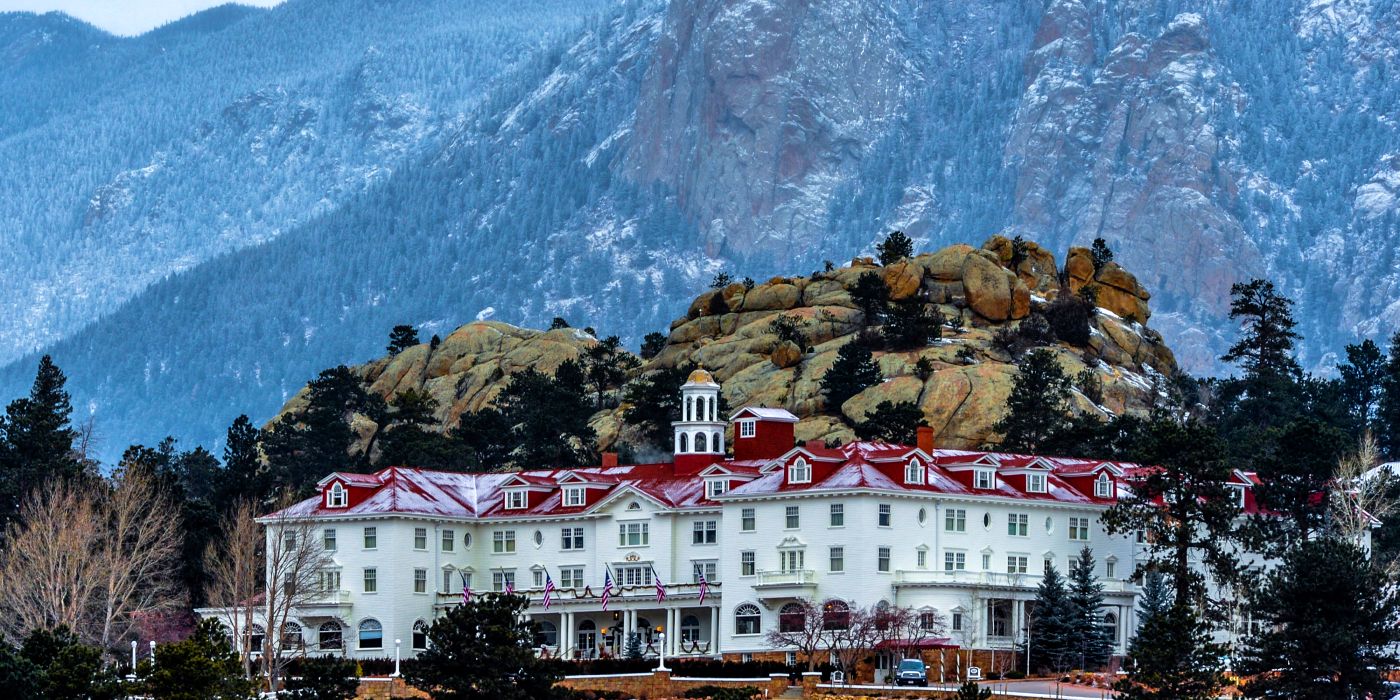
For fans of The Shining who wish to experience a piece of its cinematic legacy, visiting the Timberline Lodge in Oregon offers the closest tangible connection to the film’s iconic exterior. The lodge remains a functioning hotel and a popular tourist destination, allowing visitors to walk the grounds and even stay in rooms that offer stunning views of Mount Hood. While the interiors at the Timberline Lodge do not replicate the sets from the film, the exterior architecture provides a powerful sense of recognition.
For those interested in the conceptual inspiration, a visit to the Ahwahnee Hotel in Yosemite National Park offers a glimpse into the kind of grand, architecturally significant mountain resort that likely informed the Overlook’s design. Both locations, though different, capture the essence of the isolated, majestic hotels that have long served as settings for tales of both luxury and horror. These real-world landmarks, each in their own way, contribute to the enduring mythos of the Overlook Hotel.
LifeOutOfTheBox is a participant in the Amazon Services LLC Associates Program, an affiliate advertising program designed to provide a means for sites to earn advertising fees by advertising and linking to Amazon.com. Amazon, the Amazon logo, AmazonSupply, and the AmazonSupply logo are trademarks of Amazon.com, Inc. or its affiliates. As an Amazon Associate we earn affiliate commissions from qualifying purchases.