
For horror enthusiasts and film buffs alike, the ominous corridors and snow-covered grounds of the hotel featured in Stanley Kubrick’s masterpiece, The Shining, are the stuff of legend. While the film portrays a singular, isolated entity known as the Overlook Hotel, the reality of its location is a fascinating blend of architectural reality and cinematic fiction. Understanding the geography of this iconic horror landmark requires separating the source material from the silver screen.
The Real-World Inspiration: The Stanley Hotel
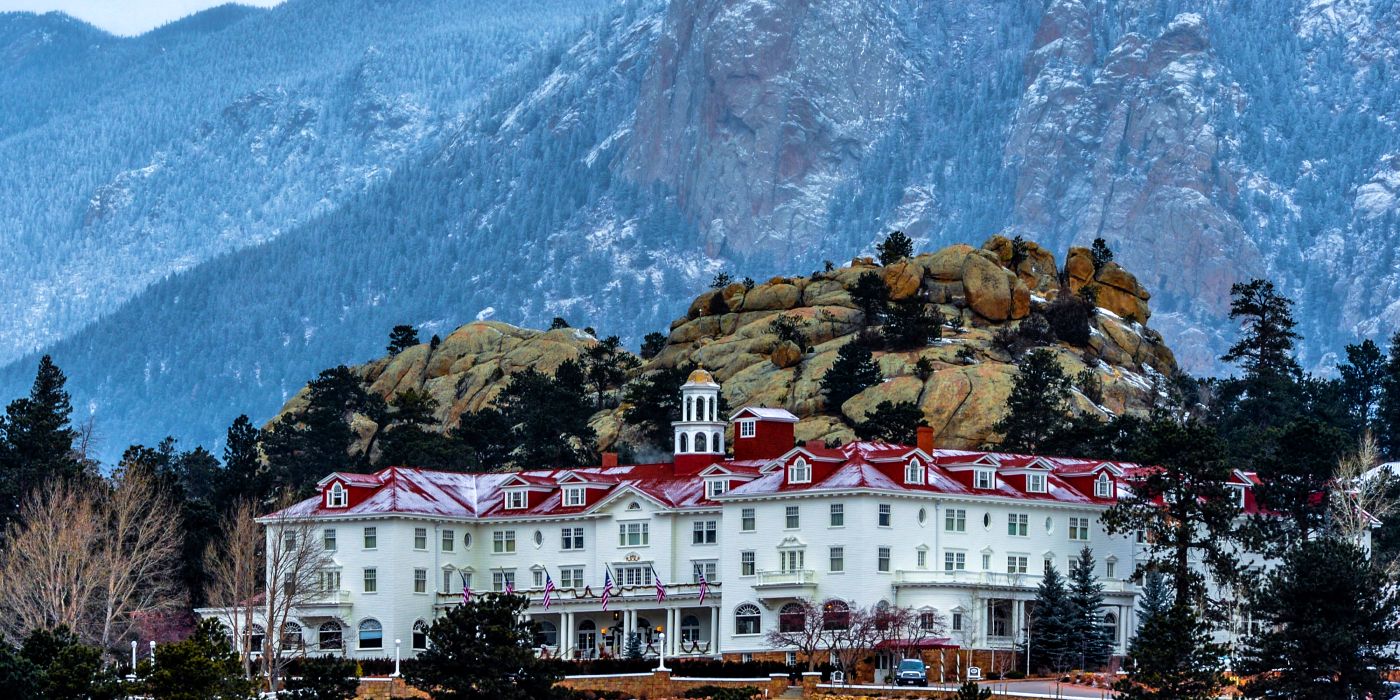
While the fictional hotel in the film is set in the isolated mountains of Colorado, the true creative spark for the story was ignited at a very real property. Stephen King, the author of the original 1977 novel, visited The Stanley Hotel in Estes Park during a fateful stay in 1974.
A Haunting Experience
King and his wife were the only guests staying at the hotel right before it closed for the winter season. The eerie silence of the empty, grand corridors and the unsettling atmosphere of Room 217 served as the direct inspiration for the terror that would eventually befall the Torrance family. The architecture of the hotel, with its classical colonial revival style, provided the perfect skeletal structure for the haunting narrative King envisioned.
Visiting the Source
Today, The Stanley Hotel embraces its reputation as one of the most haunted locations in America. Tourists from around the world flock to this historic site, not just to enjoy the stunning backdrop of the Rocky Mountains, but to experience the location that birthed a cultural phenomenon. Guided ghost tours and specialized room packages allow guests to immerse themselves in the legend that transcends the film adaptation.
Cinematic Geography: Where Was the Movie Filmed?
When Stanley Kubrick took the reins for the film adaptation, he made the deliberate decision not to film at the actual Stanley Hotel. Instead, the production sought a location that offered more creative control and the necessary scale for the expansive set designs required by his perfectionist directorial style.

The Timberline Lodge
The exterior shots that establish the imposing presence of the hotel in the film were captured at the Timberline Lodge. Located on the slopes of Mount Hood in Oregon, this historic landmark provided the sweeping, rugged aesthetic required for the film’s opening sequences. Interestingly, the Timberline Lodge requested that the filmmakers exclude the number of the room that matches the movie’s infamous “Room 217.” Consequently, the film version uses “Room 237,” a change that has since become iconic in horror film history.
The Soundstage Illusion
While the exterior is firmly rooted in the Pacific Northwest, the interior of the hotel is a complex architectural deception. The vast majority of the interior scenes were filmed at Elstree Studios in England. Kubrick built an elaborate, labyrinthine set that purposely defied physical logic. Doors open into walls, hallways lead to impossible dimensions, and the geography of the hotel floor plan shifts in ways that consciously disorient the viewer. This artistic choice was intentional, serving to reflect the protagonist’s descent into madness.
Navigating the Legacy of a Cultural Icon
Whether you are planning a pilgrimage to the Rocky Mountains or exploring the historic sites of the Pacific Northwest, the legacy of the hotel remains a powerful draw. For travelers, the distinction between the two locations offers a unique opportunity to explore two very different aspects of film history.
The Experience of The Stanley Hotel
If your goal is to walk the halls that inspired the written word, Estes Park is your destination. The hotel maintains its historic charm, offering visitors a glimpse into the early 20th-century luxury that originally drew King to the property. It serves as a testament to how physical spaces can influence the darkest corners of human imagination.
The Experience of Timberline Lodge
If your focus is on the visual grandeur of the film, the Timberline Lodge provides an exceptional outdoor experience. Situated at 6,000 feet, the lodge is a monument to the Works Progress Administration era. Its rustic stonework and massive timber beams are visually distinct from the Stanley Hotel, yet both share an undeniable sense of history and isolation that makes them perfect “ghostly” destinations.

Tips for Travelers
- Book Well in Advance: Given the popularity of both locations, especially during the fall and winter months, securing a room requires significant lead time.
- Respect the History: Both The Stanley Hotel and Timberline Lodge are active hotels and historic sites. Maintain decorum and follow guided tour protocols to ensure the longevity of these landmarks.
- Pack Accordingly: Whether visiting Colorado or Oregon, the mountain weather is unpredictable. High-altitude environments require proper gear for winter activities, even if you are just there to sightsee.
- Study the Maps: If you are touring, look into the specific history of the buildings. Understanding the architectural evolution of these structures adds layers to the experience that go far beyond their horror-movie fame.
Ultimately, the answer to “Where is the hotel?” depends on what you seek. You can visit the source of the story in Estes Park, or you can visit the face of the film in Oregon. Both locations offer a deep, immersive connection to the mythos of one of the greatest horror stories ever told. As you stand in the shadow of the Rocky Mountains or gaze up at the slopes of Mount Hood, the feeling of isolation and grandeur that defines the genre becomes palpable, proving that some landmarks are etched into our collective consciousness far more deeply than they are on any map.
LifeOutOfTheBox is a participant in the Amazon Services LLC Associates Program, an affiliate advertising program designed to provide a means for sites to earn advertising fees by advertising and linking to Amazon.com. Amazon, the Amazon logo, AmazonSupply, and the AmazonSupply logo are trademarks of Amazon.com, Inc. or its affiliates. As an Amazon Associate we earn affiliate commissions from qualifying purchases.